I didn’t realise I had an ant problem… until I followed a tiny marching line straight to my sugar jar.
It was one of those slow mornings. Tea half-made, sunlight coming in just right, everything calm—and then suddenly not calm at all. Just this neat, organized army of ants like they had a full plan for my kitchen.
I tried wiping them away. Then they came back. Tried again. Still back.
That’s when I realized something slightly annoying: if I didn’t want to use harsh chemical sprays (which I really didn’t—especially in a space where I cook), I needed a different approach.
So I started experimenting. Small things at first. Things I already had at home. Some worked instantly. Some… not so much. But over time, I figured out a handful of natural fixes that actually made a difference—and honestly, some of them made my home smell better too.
If you’re dealing with ants and want something gentle, budget-friendly, and kind of pleasant to use, here’s everything that worked for me.
Why Natural Repellents Work (And Why I Prefer Them)
Before getting into the list, this part helped me understand why ants kept coming back.
Ants don’t just wander randomly—they follow scent trails. Once one finds food, it leaves a trail for others. Which is why you’ll suddenly see a whole parade out of nowhere.
So most natural repellents work by:
- Disrupting those scent trails
- Masking smells ants rely on
- Creating barriers they avoid
And honestly, I prefer this approach. No harsh fumes. No worrying about pets or food surfaces. Just simple things that quietly do their job.
1. Vinegar Spray (My First Real “Win”)
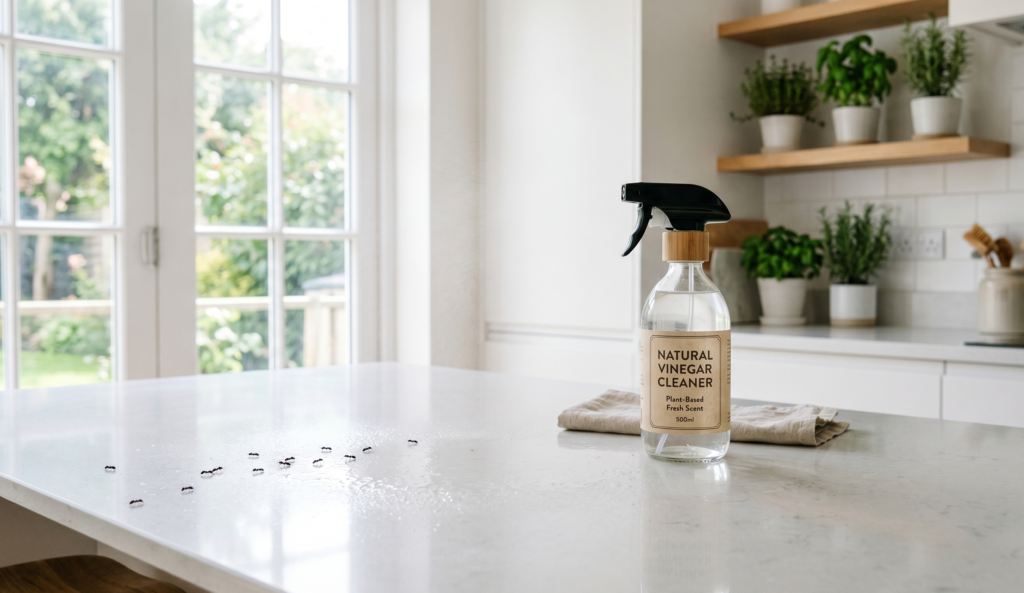
This was the first thing that actually worked for me.
I mixed equal parts white vinegar and water in a spray bottle and sprayed along the ant trail—and especially where they were entering.
The smell is… strong at first. Not going to lie. But it fades.
What I noticed:
- Ants disappeared almost immediately
- They didn’t return to the same path
How to use:
- 1:1 vinegar + water
- Spray on countertops, corners, window edges
- Wipe after a few minutes if you want
2. Lemon Juice (Cleaner, Brighter Smell)
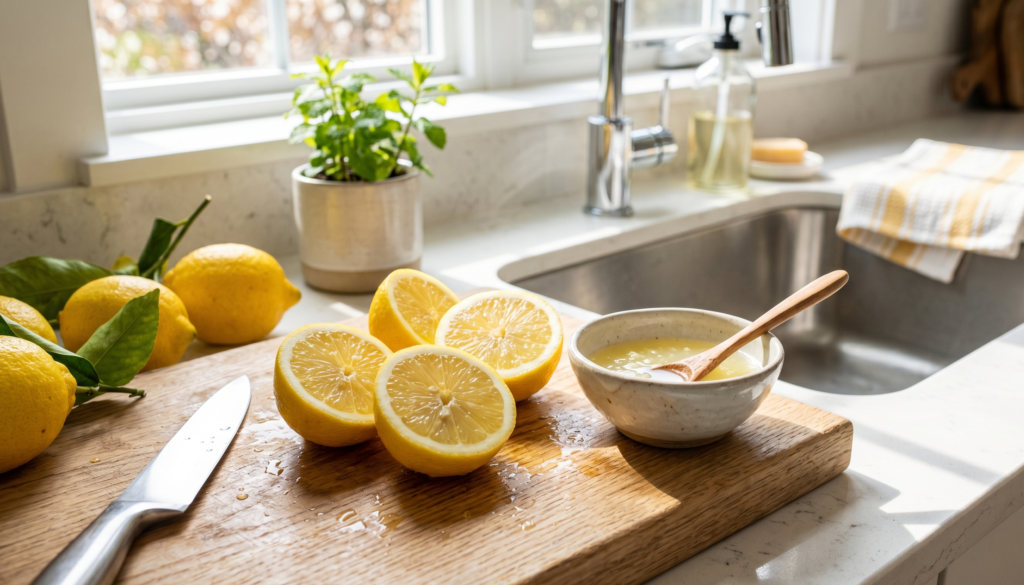
If vinegar feels a bit too harsh-smelling, lemon is a softer option.
I started using lemon juice around my sink area, and it felt… fresher. Like cleaning and pest control at the same time.
Why it works:
- Acidity disrupts scent trails
- Strong citrus scent repels ants
Quick tip:
- Squeeze fresh lemon into water
- Wipe down surfaces daily during ant season
3. Cinnamon (Surprisingly Effective)

This one surprised me.
I sprinkled ground cinnamon along a windowsill where ants kept entering, and they literally avoided crossing it.
Options:
- Powder (easy but messy)
- Cinnamon sticks (cleaner, decorative even)
- Cinnamon oil (stronger effect)
What I liked:
It made the space smell warm and cozy. Almost like baking… even when I wasn’t.
4. Peppermint Oil (Strong but Fresh)
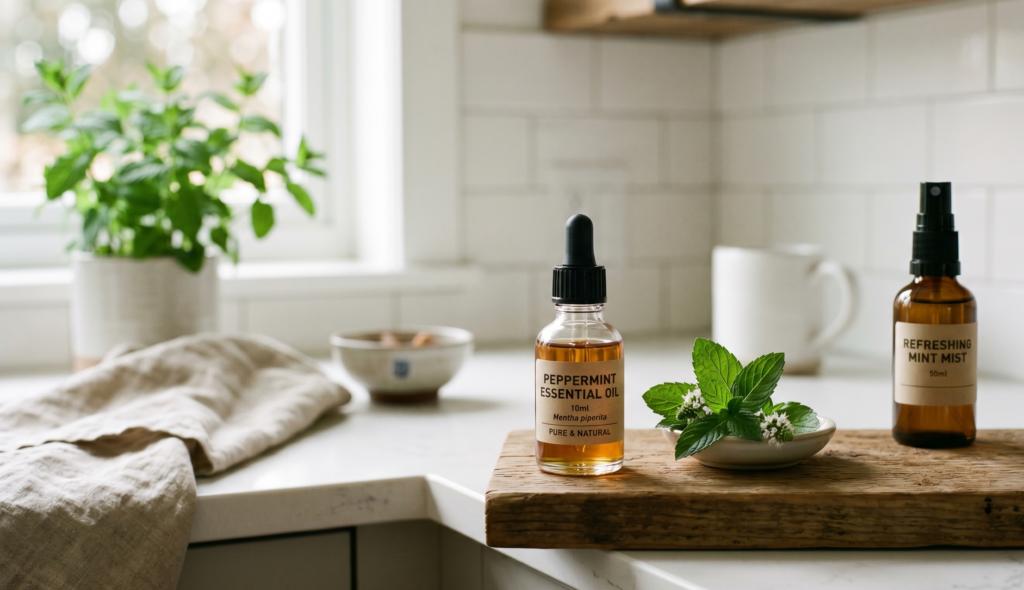
This is one of those “a little goes a long way” things.
I mixed a few drops of peppermint essential oil with water and sprayed it along entry points.
Results:
- Ants avoided the area completely
- The room smelled clean and slightly minty
Simple mix:
- 10–15 drops peppermint oil
- 1 cup water
- Spray lightly (not soaking surfaces)
5. Coffee Grounds (Unexpected but Works)
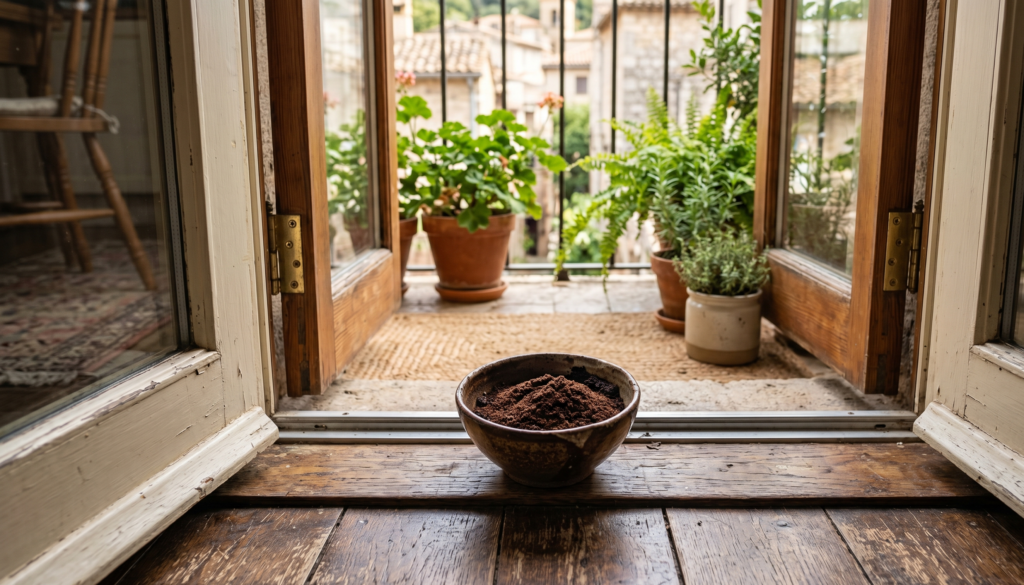
This felt a bit random at first, but it worked.
Used coffee grounds placed near entry points or garden areas can deter ants.
Why I tried it:
I had leftover coffee grounds anyway… figured why not.
Where it works best:
- Outdoor entry points
- Balcony edges
- Near plant pots
6. Chalk Lines (Old-School Trick)
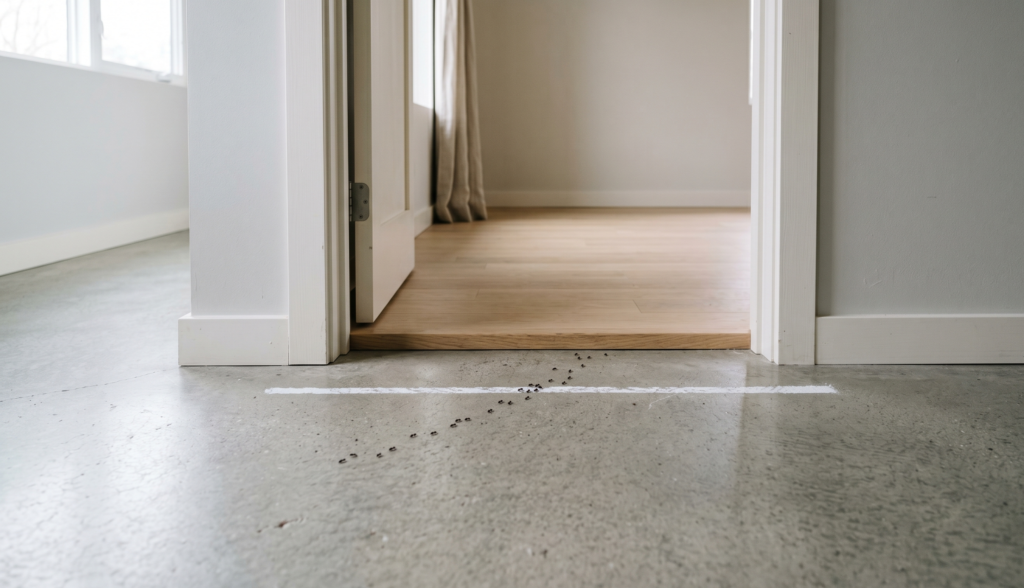
I actually remembered this from childhood.
Drawing a chalk line across an entry point can block ants. It sounds almost too simple, but there’s something about the powder that disrupts their path.
Best for:
- Door thresholds
- Window edges
It’s not the prettiest solution, but it’s quick.
7. Bay Leaves (Subtle but Helpful)
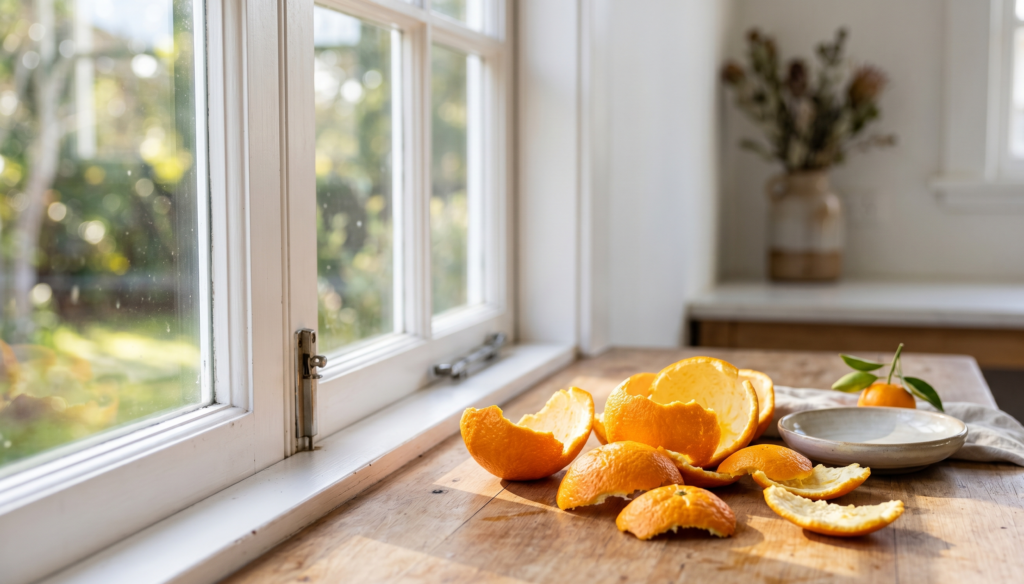
I placed bay leaves inside my pantry—especially near sugar and grains.
What I noticed:
- Fewer ants inside storage areas
- No strong smell, just a mild herbal scent
It’s more of a preventive step than an instant fix.
8. Orange Peels (Natural + No Waste)
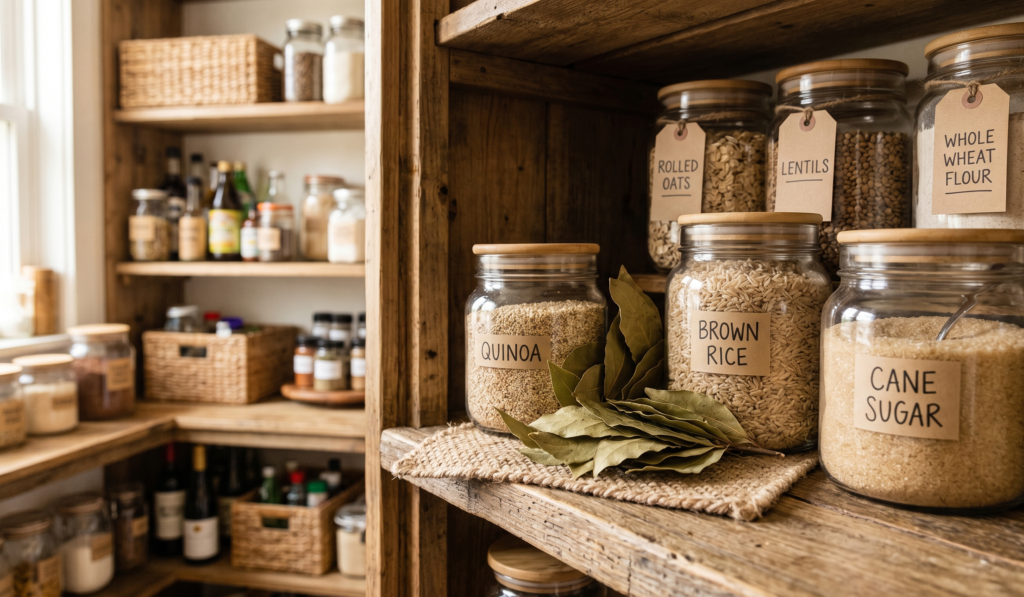
After eating oranges, I started placing peels near entry points.
It felt like a small thing, but it helped reduce activity.
Bonus:
- Completely natural
- Zero extra cost
- Smells light and citrusy
9. Cucumber Peels (Yes, Really)
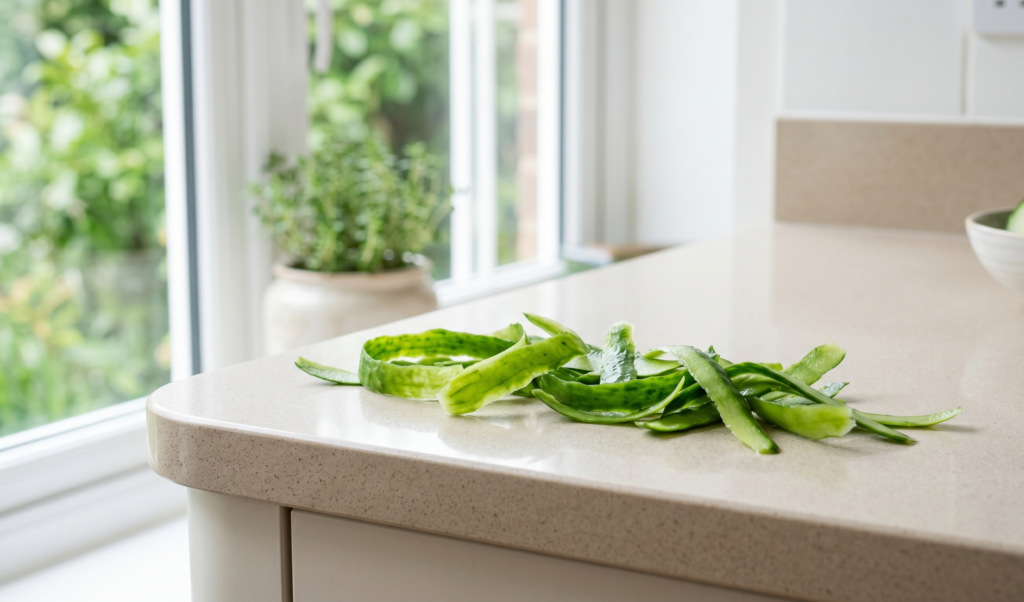
This one I was skeptical about.
But placing cucumber peels near ant paths seemed to discourage them.
Best used:
- Fresh, not dried
- Replaced every day or two
It’s subtle, but combined with other methods, it adds up.
10. Clove Oil (Strong but Effective)
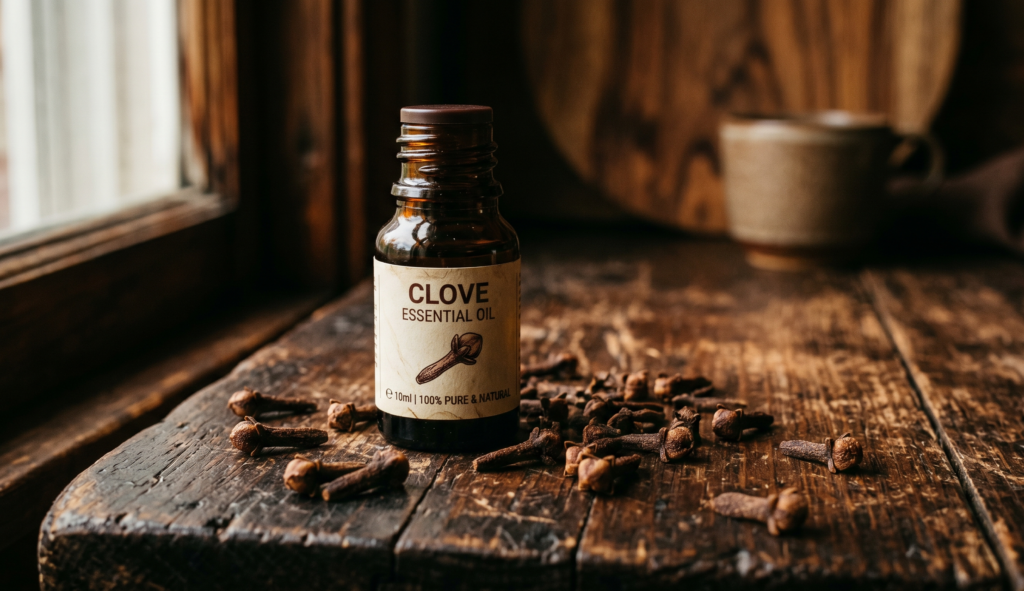
Clove oil has a very strong scent—and ants don’t like it.
I used it sparingly, mixing a few drops with water.
Tip:
- Use in small amounts
- Focus on entry points rather than open areas
11. Salt Barriers (Simple and Practical)
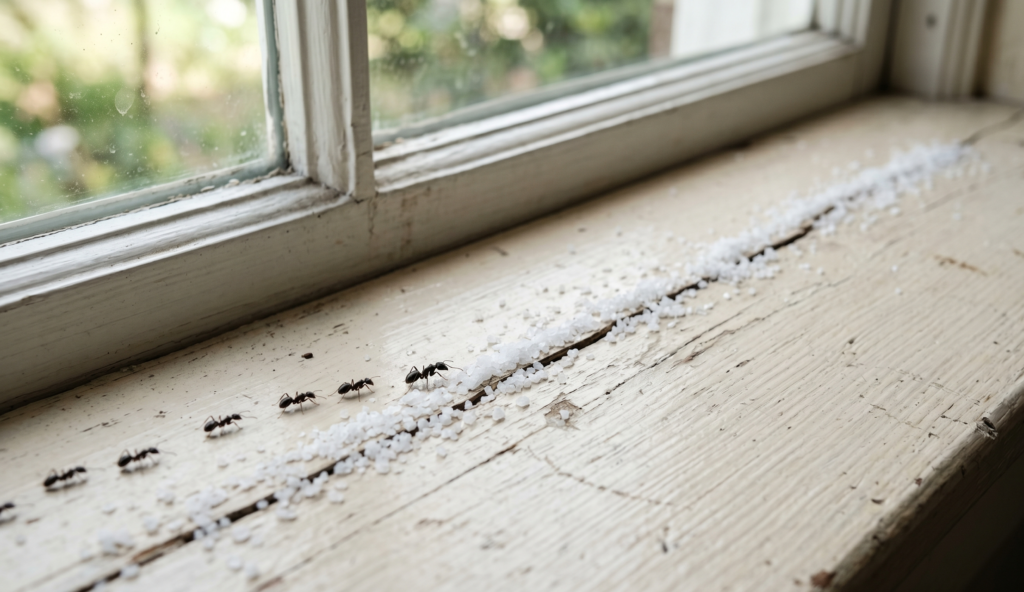
Salt works more as a physical barrier.
I sprinkled it along cracks near my kitchen window where ants used to come in.
Why I like it:
- Always available
- Easy to apply
- No smell at all
12. Diatomaceous Earth (For Serious Cases)
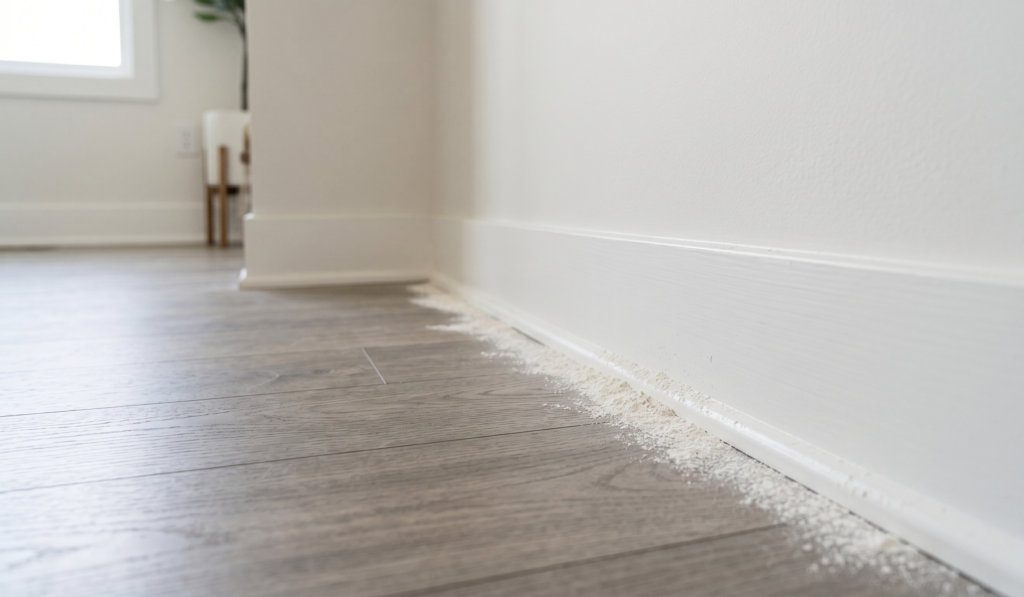
This one is a bit more “technical,” but still natural.
It’s a fine powder that dehydrates insects.
Important:
- Use food-grade version
- Keep it dry for effectiveness
I used it once when ants got really persistent—and it helped a lot.
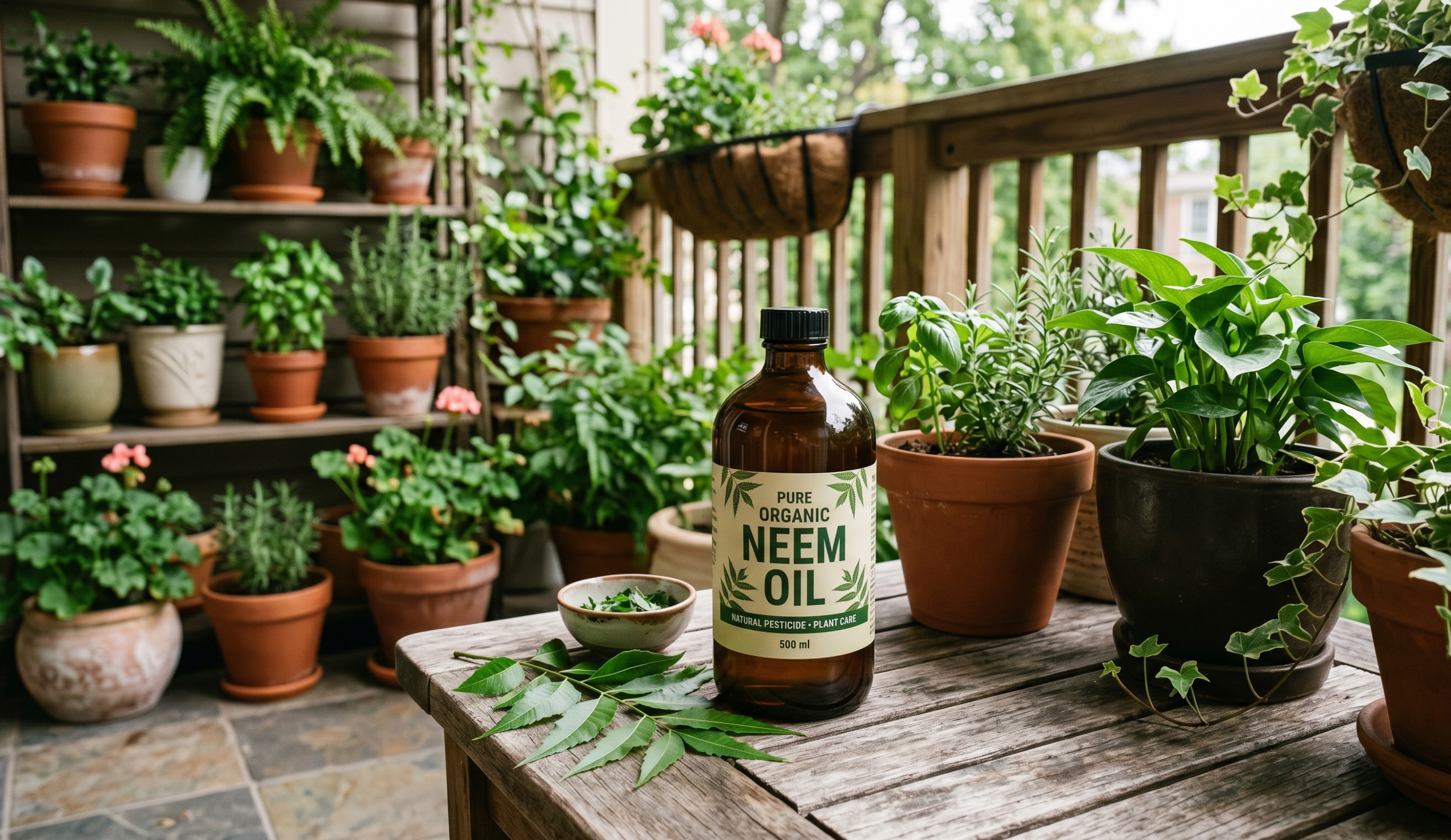
13. Neem Oil (Especially for Outdoor Areas)
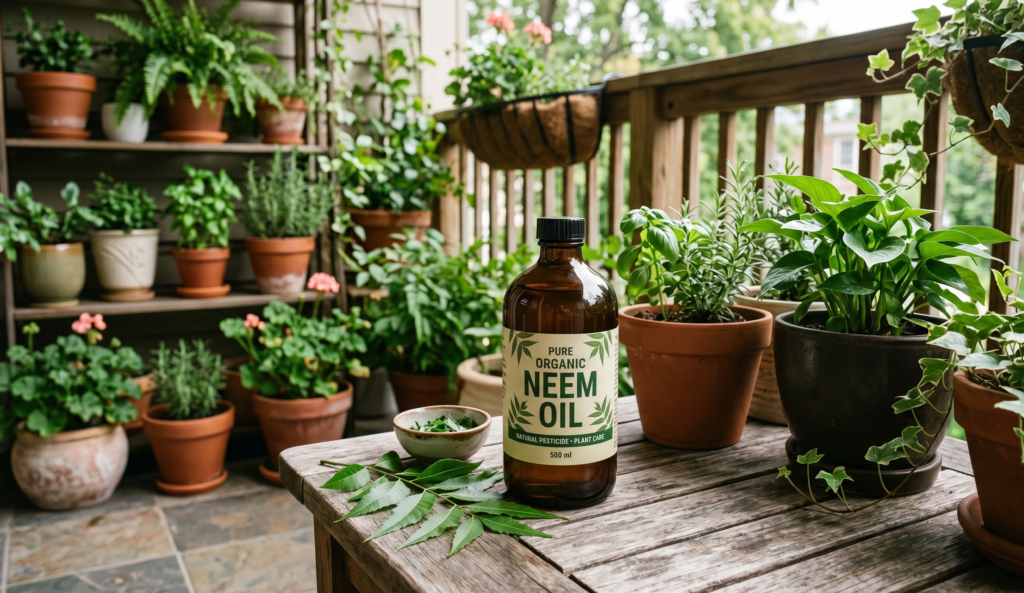
If you’ve ever used neem for plants, you know the smell—earthy, slightly bitter.
I diluted neem oil and used it near my balcony plants.
Works well for:
- Garden edges
- Balcony corners
- Plant-heavy areas
14. Soap + Water Spray (Quick Fix)
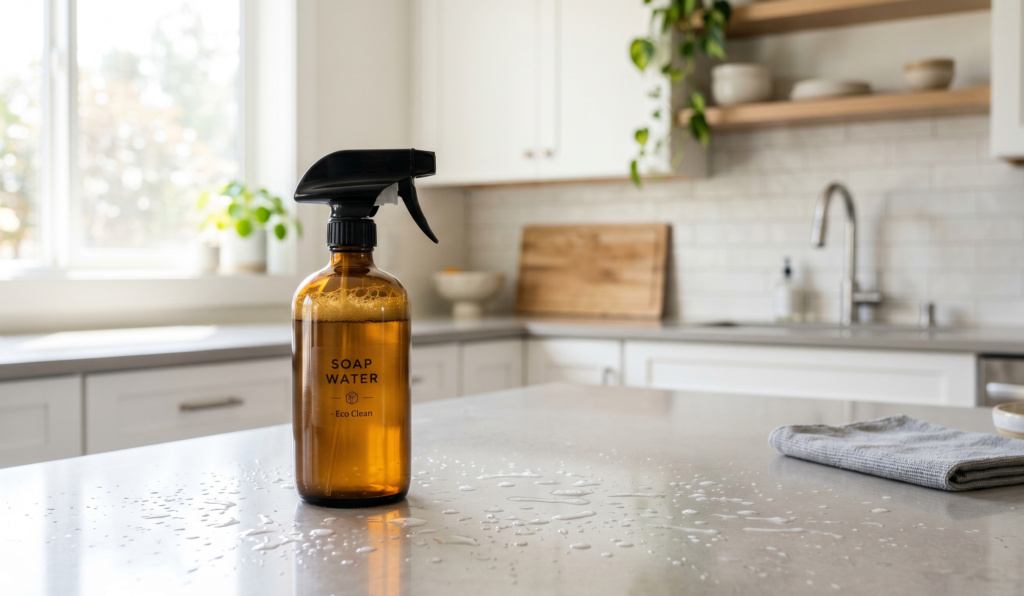
When ants suddenly show up, this is the fastest solution.
Just a few drops of dish soap in water.
What it does:
- Breaks down their scent trail
- Removes them instantly
It’s more of a “right now” fix than long-term prevention.
15. Essential Oil Blend (My Favorite Combo)
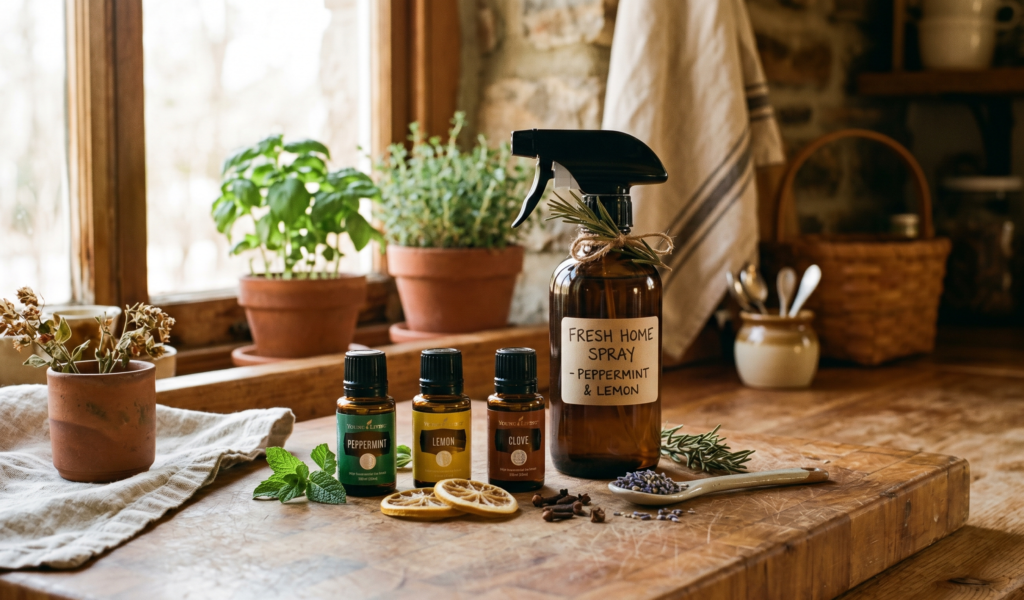
After trying a few oils separately, I started mixing them.
A blend of peppermint + lemon + a hint of clove became my go-to spray.
Simple blend:
- 8 drops peppermint
- 5 drops lemon
- 2 drops clove
- 1 cup water
It smells clean, slightly sweet, and surprisingly effective.
Small Habits That Made a Big Difference
Honestly, the repellents helped—but a few simple habits made everything work better:
- Wiping surfaces regularly (especially sugary spills)
- Keeping food sealed properly
- Taking out trash daily
- Closing tiny gaps near windows or doors
Nothing dramatic. Just consistent.
Final Thoughts (What Actually Worked Best for Me)
If I had to be honest… no single method worked perfectly on its own.
It was more like layering a few simple things:
- Vinegar or lemon to erase trails
- Essential oils to keep them away
- Pantry protection (bay leaves, clean storage)
And slowly, the problem just… faded.
Not overnight. But noticeably.
Now, when I walk into my kitchen in the morning, it feels calm again. No unexpected lines of ants. Just the smell of lemon or mint lingering faintly in the air—which, honestly, I don’t mind at all.
If you’re dealing with the same thing, I’d say start simple. Try one or two methods first. See what works in your space.
Homes are different. Ants are stubborn. But with a little patience (and maybe a bit of cinnamon on your windowsill), you can definitely win this one.