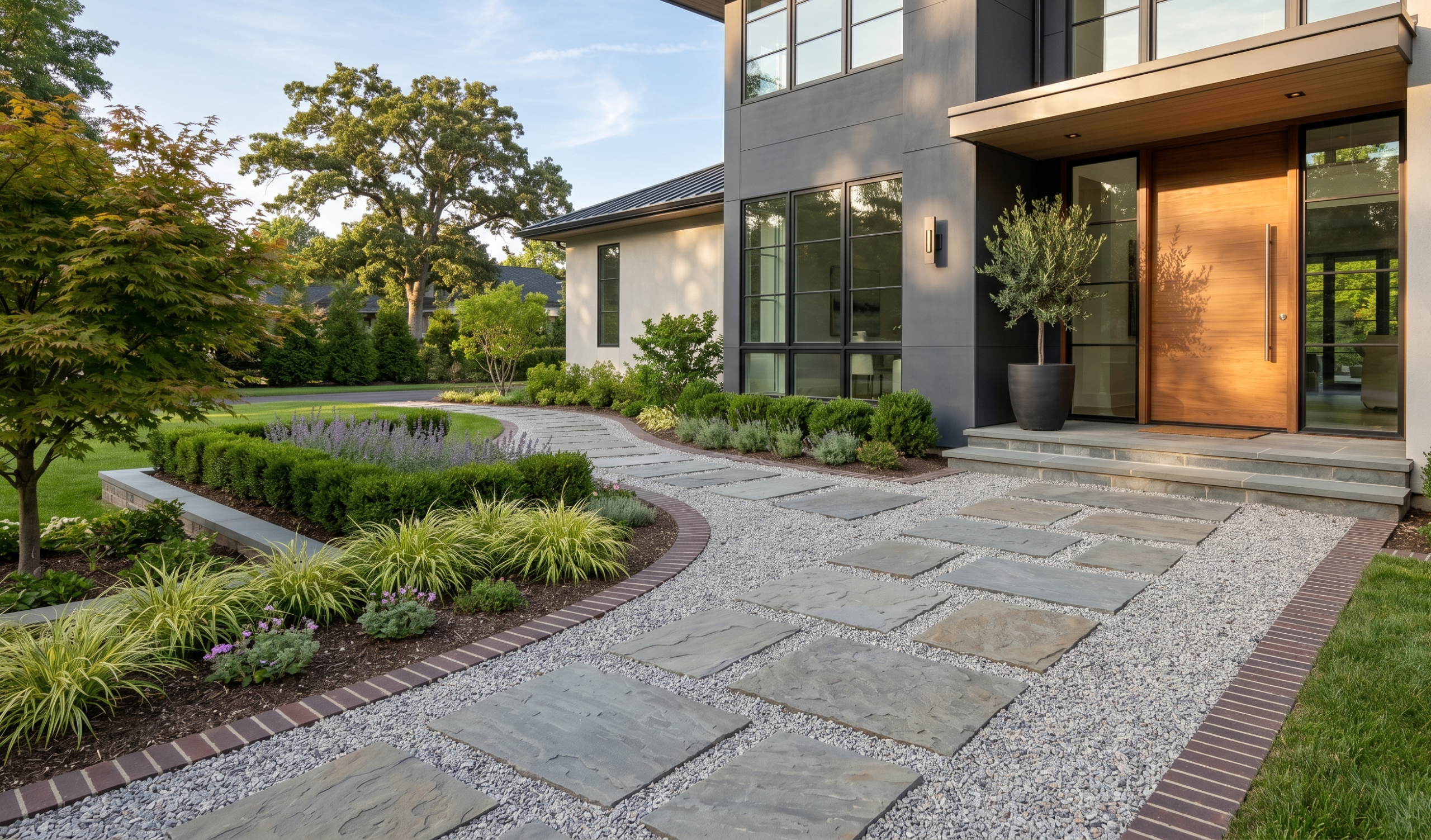
It started with a tree I almost didn’t buy…
I still remember standing in a small nursery corner, staring at this delicate little Japanese maple. It looked… fragile. Almost too pretty for my slightly chaotic backyard. The leaves were this deep red, almost glowing, and I remember thinking, there’s no way this survives in my care.
But something about it felt calm. Like it belonged in a quieter, slower version of my life.
So I bought it anyway.
And honestly? That one tree changed how I saw my entire outdoor space. It wasn’t just about plants anymore—it became about feeling something when I stepped outside.
If you’ve ever looked at your yard and thought, “This could be more peaceful… more intentional,” Japanese maples might be exactly what you’re missing.
Let me walk you through a few ideas I’ve tried (and a few I wish I did sooner).
1. Create a Simple Zen Corner (Even in a Small Yard)
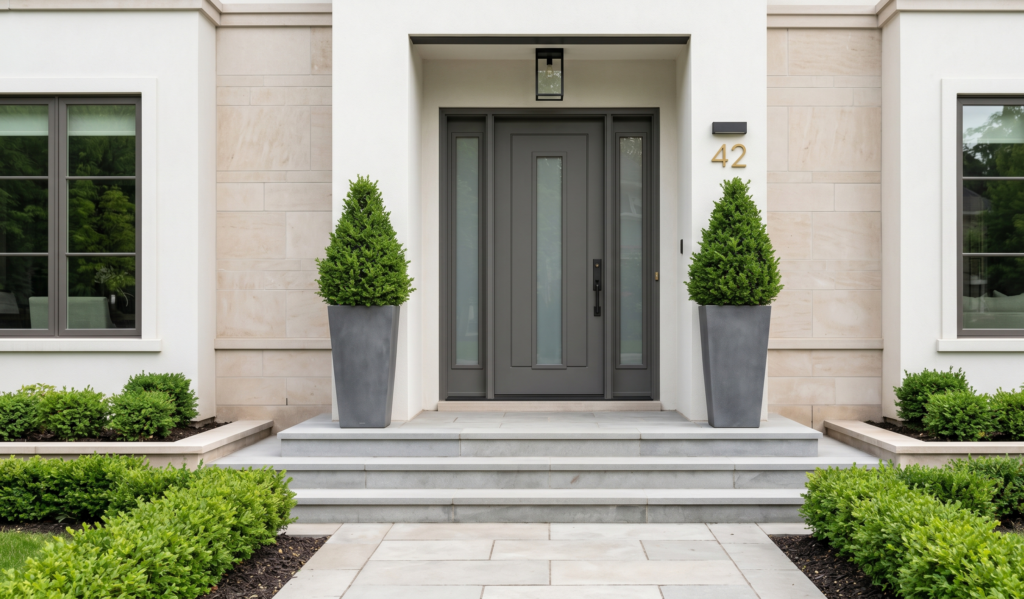
This was the first thing I experimented with—and probably the easiest.
You don’t need a huge garden. I didn’t have one either.
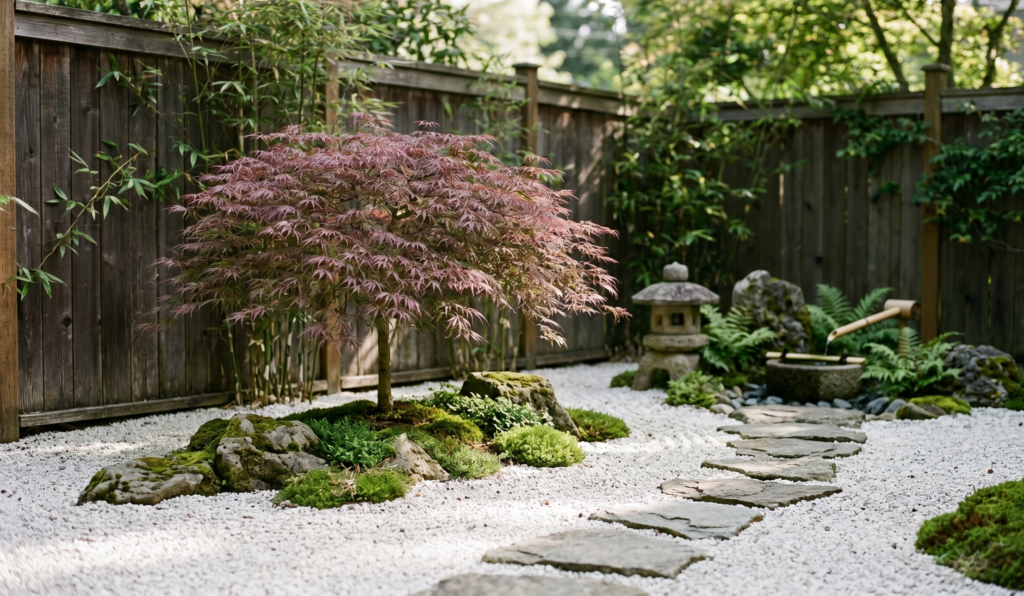
I just picked a quiet corner and built around the tree.
What worked for me:
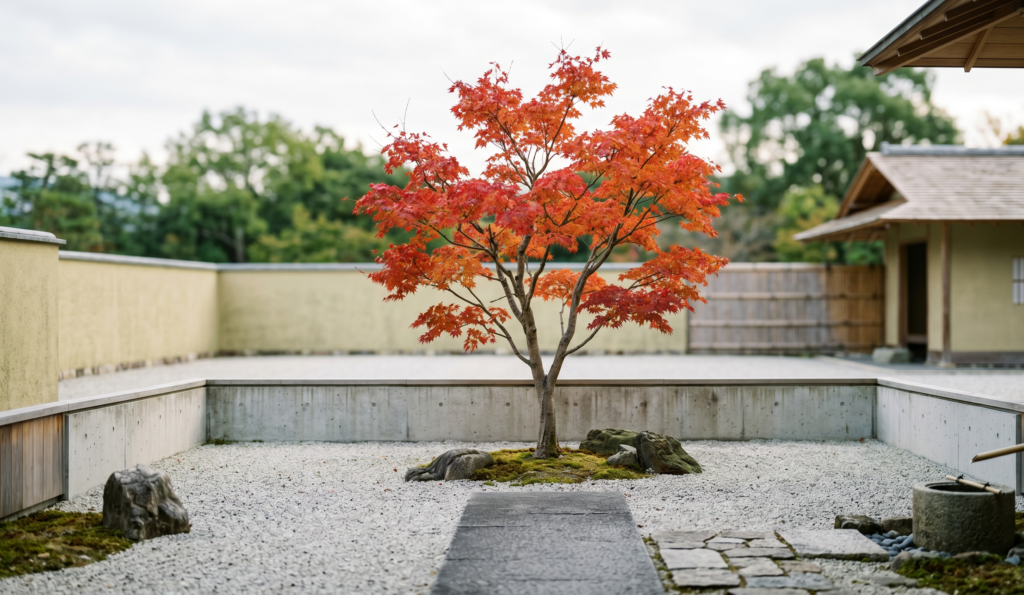
- A single Japanese maple as the focal point
- White or light gravel spread around the base
- A few flat stepping stones (nothing perfectly aligned)
- One or two low rocks for balance
That’s it.
No clutter. No overthinking.
There’s something oddly calming about having one space in your yard that isn’t trying too hard.
Tip: If your space is tiny, go for a dwarf variety. They stay manageable and still look stunning.
2. Frame Your Entry Path With Japanese Maples
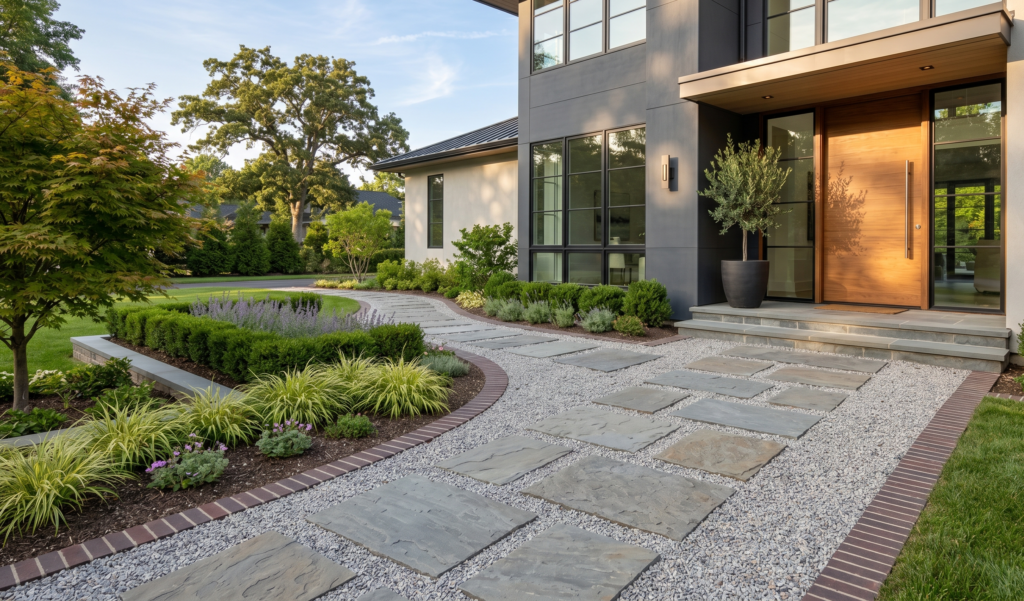
This idea came later, after I realized my entrance felt… forgettable.
You know that feeling? Like people walk in and don’t really notice anything?
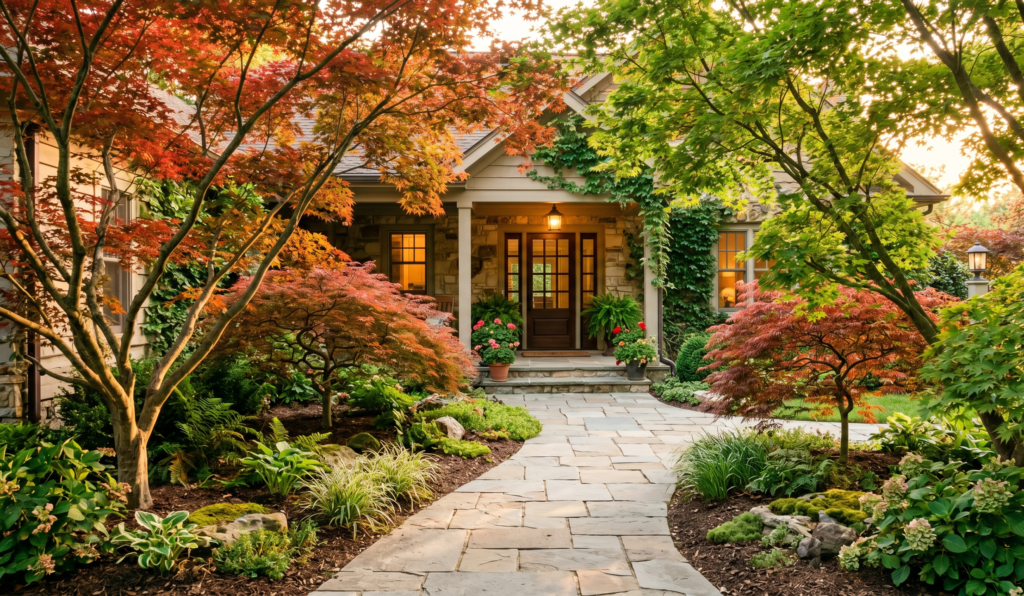
Adding Japanese maples along a path changes that instantly.
You can try:
- Placing one tree at the start and one at the end of a walkway
- Using asymmetry (it actually looks more natural than perfect alignment)
- Mixing red and green varieties for contrast
It doesn’t have to be grand.
Even two trees can quietly transform the way your home feels from the outside.
3. Pair Maples With Water (Even a Tiny One)
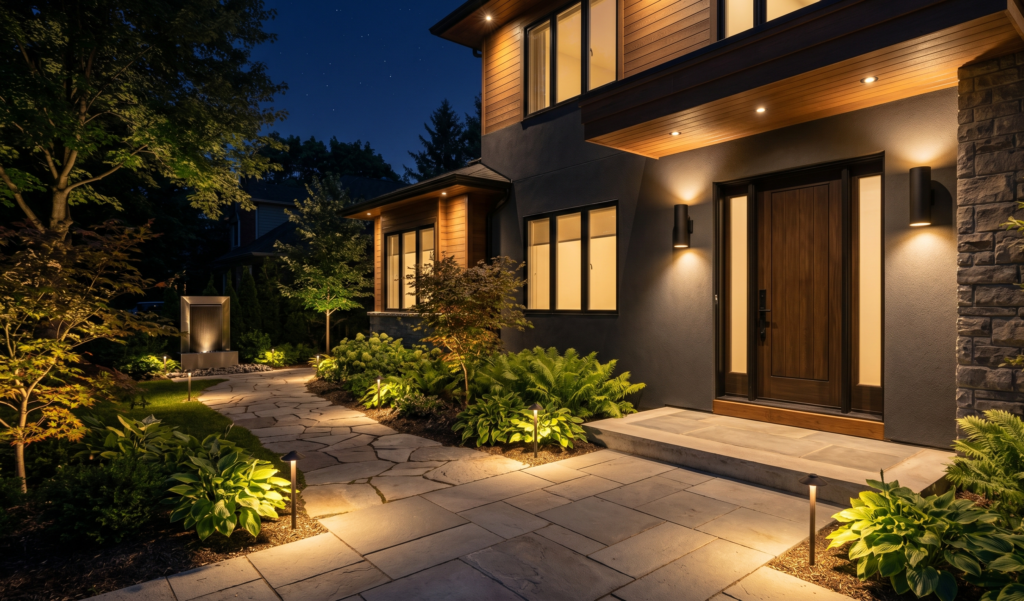
Okay, this one surprised me.
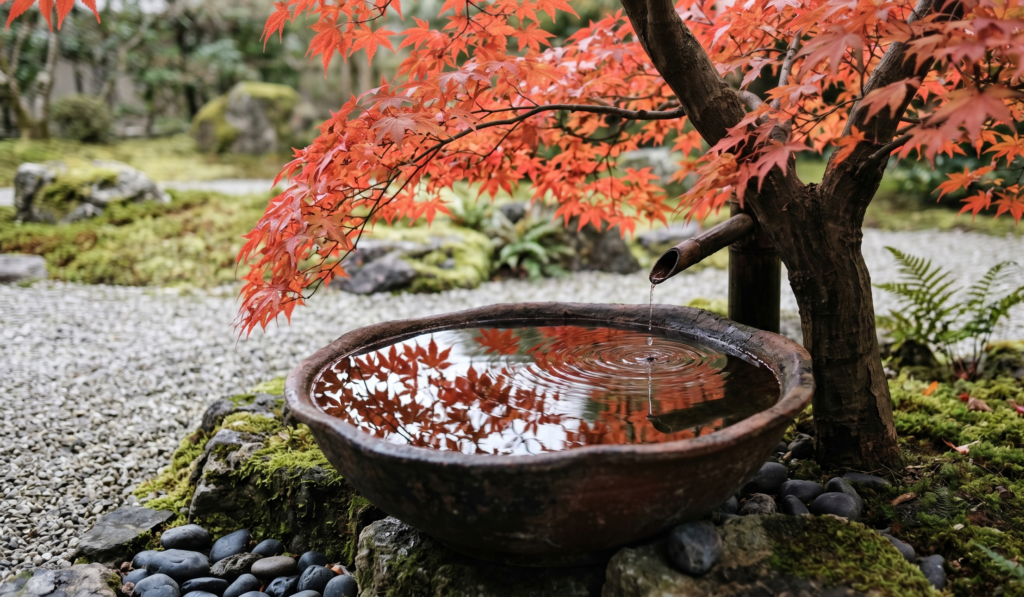
I added a small water bowl—literally just a ceramic basin—and placed it near my maple. I wasn’t expecting much.
But the reflection of those leaves?
Completely different experience.
You don’t need a big pond:
- A stone bowl with water
- A small fountain
- Even a wide pot filled with water
That soft reflection + gentle movement creates this peaceful, almost meditative vibe.
And honestly… it made me spend more time outside without even realizing it.
4. Use Rocks and Moss for a Natural Look
At one point, I tried adding too many flowers around my maple.
It looked… busy. A bit chaotic.
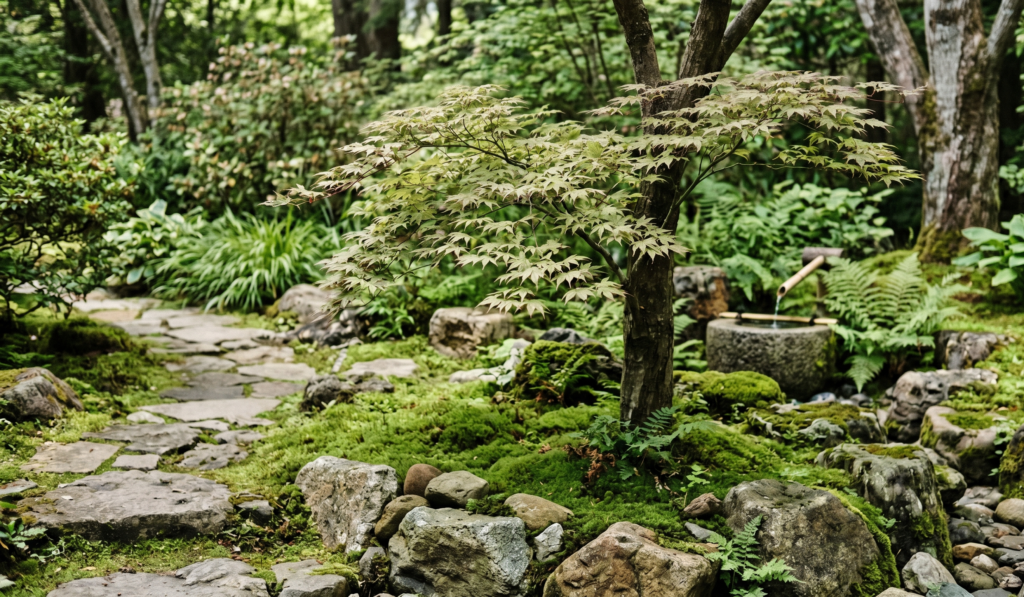
Then I switched to rocks and moss—and everything felt calmer.
Why this works:
- Moss softens the space visually
- Rocks add structure without overwhelming the tree
- It feels more “natural” and less designed
If moss doesn’t grow easily where you live, don’t stress.
You can:
- Use ground covers like creeping thyme
- Or even artificial moss (done tastefully, it works surprisingly well)
5. Go Minimal With a Single Statement Tree
Sometimes we overdo things.
I definitely did.
At one point, I had multiple plants, colors, textures… and somehow the maple got lost.
So I scaled everything back.
Try this approach:
- One Japanese maple
- Clean ground (gravel, grass, or decking)
- No competing plants nearby
Let the tree breathe.
It sounds simple—and it is—but the visual impact is strong.
There’s something very “luxury garden” about restraint.
6. Add Soft Lighting for Evenings
This might be my favorite upgrade.
Because during the day, maples are beautiful.
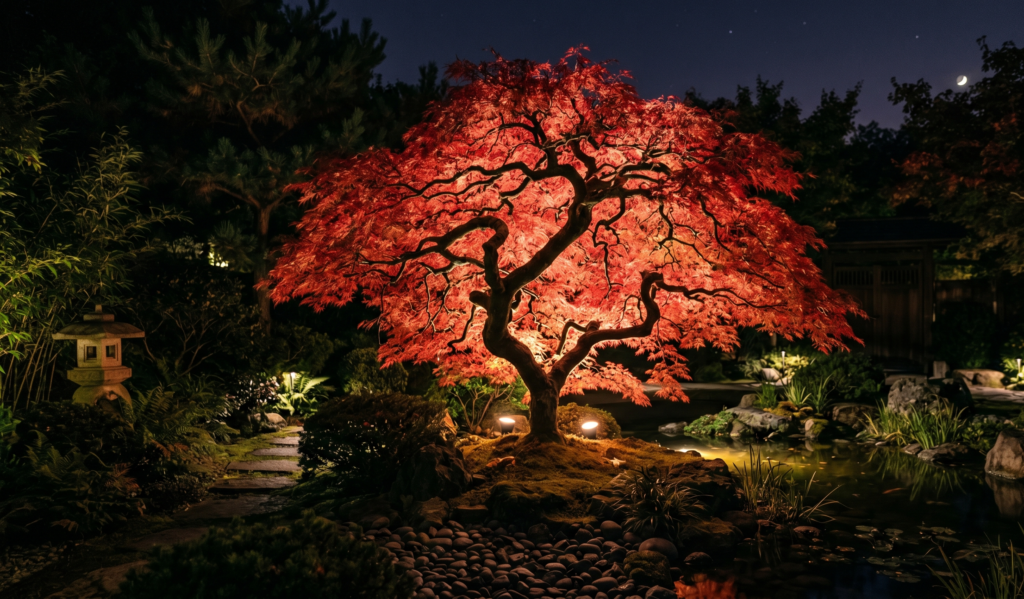
But at night? With the right lighting… they’re unreal.
What I used:
- Warm LED uplights placed at the base
- Solar lights (budget-friendly and easy)
- Soft, indirect lighting—nothing harsh
The leaves almost glow.
And suddenly your garden isn’t just a daytime thing anymore.
7. Combine With Wooden Elements
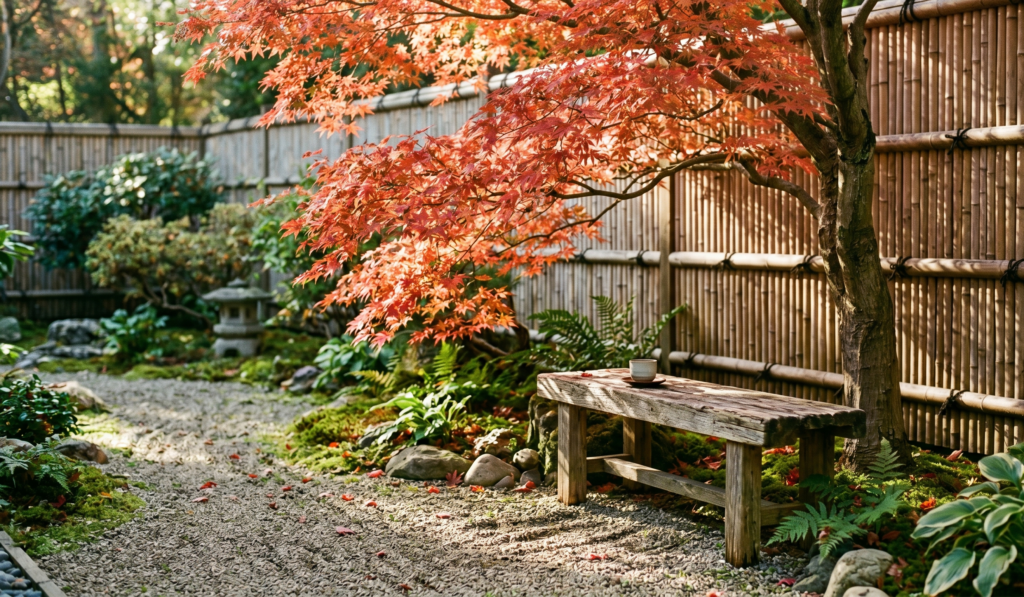
I didn’t realize how well wood and Japanese maples go together until I added a small bench nearby.
It just… clicked.
Ideas you can try:
- A simple wooden bench
- A bamboo fence backdrop
- Wooden decking under the tree
The combination feels warm, grounded, and very “Zen” without trying too hard.
Even a small wooden stool can make the space feel intentional.
8. Create Layers With Different Heights
This took me a while to understand.
Flat gardens feel… flat. (Obvious, but I didn’t get it at first.)
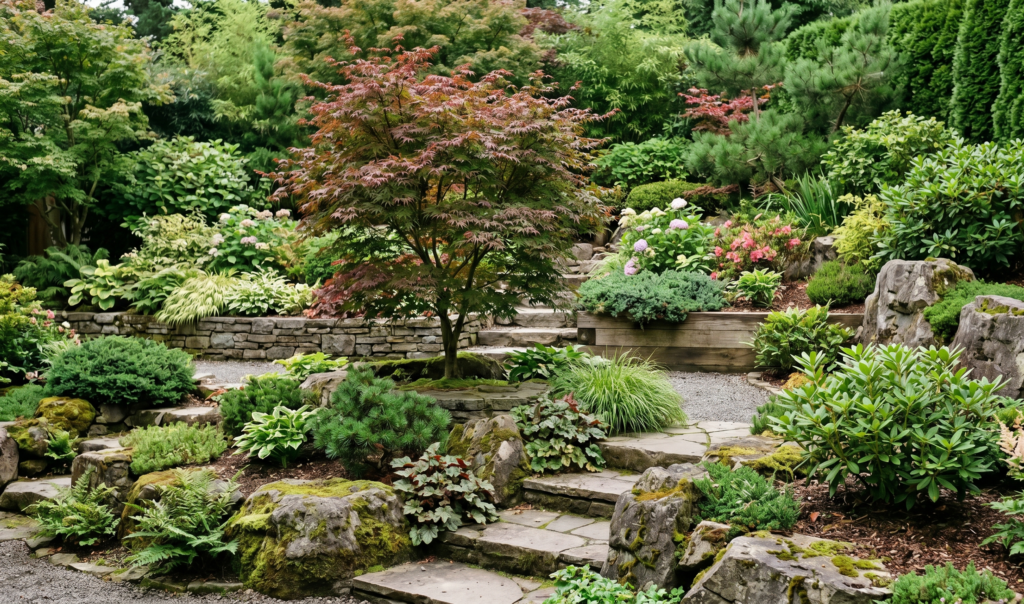
Japanese maples already have a graceful shape, so building layers around them adds depth.
Easy ways to do this:
- Place stones of different heights
- Add low shrubs behind or beside the tree
- Use raised planters
Nothing needs to be perfectly symmetrical.
In fact, it looks better when it’s not.
9. Use Seasonal Contrast to Your Advantage
One thing I didn’t expect?
Japanese maples change the entire mood of the garden depending on the season.
And instead of fighting that, you can actually design around it.
For example:
- Pair red maples with green plants for contrast
- Add neutral elements (stone, gravel) to balance bold colors
- Let fallen leaves stay for a bit in autumn—it looks beautiful
I used to clean everything immediately.
Now I let it be… just a little.
It feels more alive that way.
10. Keep It Low-Maintenance (Seriously)
I’ll be honest—at first I thought Japanese maples would be high maintenance.
They’re not.
They just need the right setup.
What helped me the most:
- Partial shade (too much sun can burn leaves)
- Well-draining soil
- Occasional pruning, not constant trimming
And that’s kind of it.
Once established, they’re surprisingly easy to care for.
Which, honestly, made me appreciate them even more.
A Few Things I Wish I Knew Earlier
Just quickly—because these would’ve saved me some trial and error:
- Don’t overcrowd the space around the tree
- Choose the right variety for your climate
- Give it time to grow (it won’t look “full” immediately)
- Less is almost always more with this style
Final Thoughts: It’s Not Just About the Tree
Looking back, it wasn’t really about adding a Japanese maple.
It was about changing how I approached my outdoor space.
Slowing down. Simplifying. Letting things breathe.
That one tree made me step outside more often. Sit a little longer. Notice things I usually ignored.
And maybe that’s what a Zen garden really is.
Not perfect. Not complicated.
Just… calm.
If you’re thinking about trying even one of these ideas, start small. A corner, a pot, a single tree.
You might be surprised how much it changes the way your space feels.