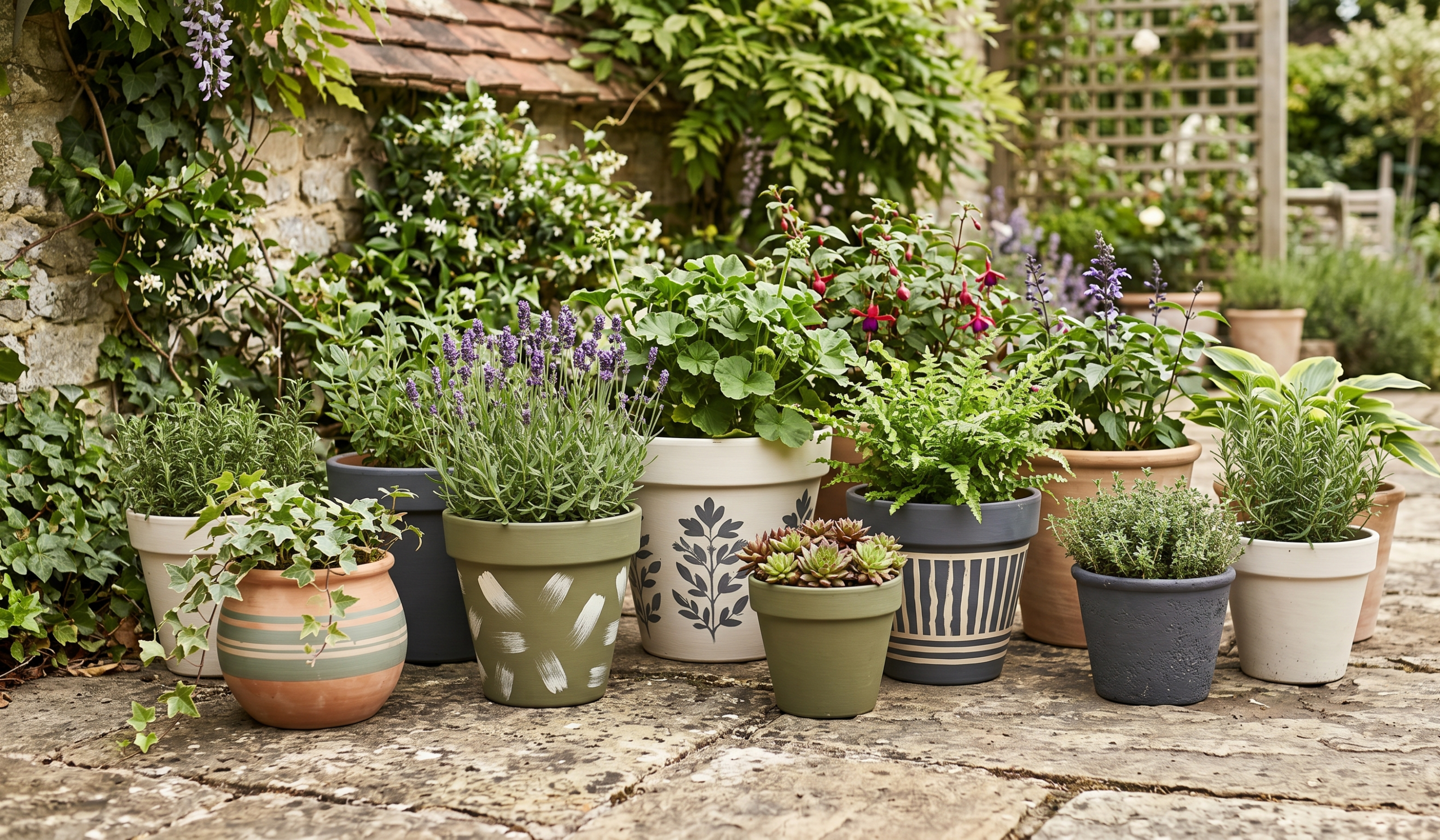
I didn’t plan to become “that person” who gets excited about planters.
Honestly, for the longest time, my outdoor space felt… fine. Not bad, not impressive. Just there. I had a few plastic pots scattered around, some half-dying plants, and that awkward corner near the wall I kept ignoring. Every time I looked at Pinterest or those dreamy home decor pages, I’d think, why does their space feel so put together… and mine just doesn’t?
One weekend, almost out of frustration, I decided to try fixing just one corner. Not the whole garden. Just one spot. I made a simple DIY planter out of an old bucket, painted it matte black, added a small plant… and somehow, that one change shifted everything.
That’s when it clicked. It’s not always about expensive materials. It’s about how things are styled, layered, and… honestly, a bit of patience.
So if your outdoor space feels a little “unfinished” right now, these DIY planter ideas might help you transform it without spending a fortune.
Why Planters Make Such a Big Difference (More Than You’d Expect)
I used to think plants were the main focus. And yes, they matter. But what surprised me was how much the planter itself changes the vibe.
A simple plant in a cheap-looking pot? It disappears.
The same plant in a well-designed, textured, or styled planter? Suddenly it looks intentional. Almost curated.
What worked for me was:
- Mixing heights (not everything on the ground)
- Sticking to 2–3 color tones
- Choosing materials that look heavy or textured (even if they’re not)
It’s less about perfection and more about creating that layered, lived-in feel.
15 DIY Garden Planters That Look Way More Expensive Than They Are
1. Faux Concrete Planters (My Personal Favorite)
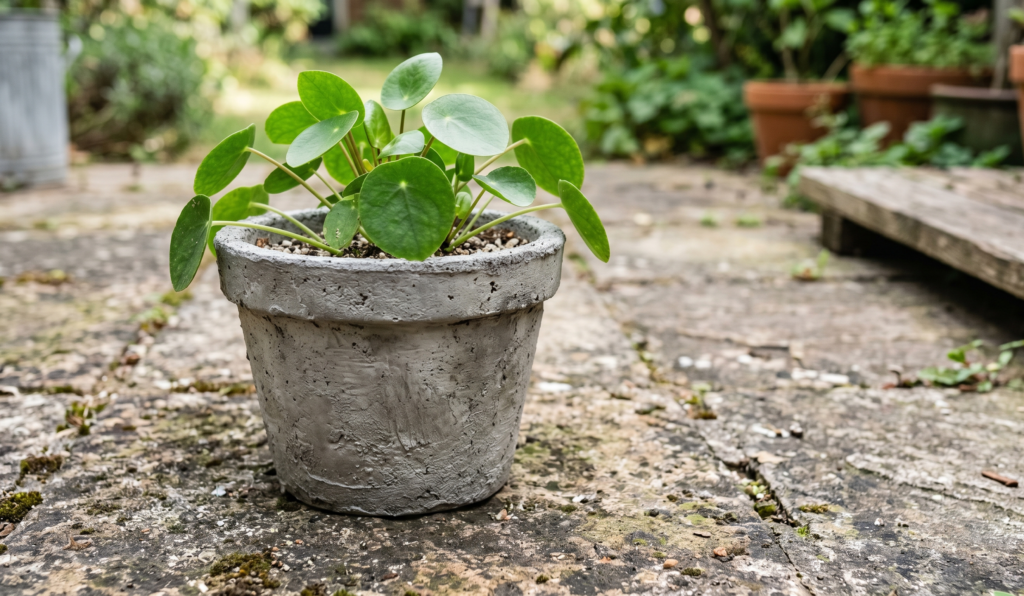
This was one of the first upgrades I tried—and it worked way better than expected.
You can take any plastic pot and give it that raw, cement look using:
- Cement mix or textured paint
- A sponge (instead of a brush for that uneven finish)
The trick? Don’t make it perfect. Slight imperfections make it look real.
2. Wooden Crate Planters
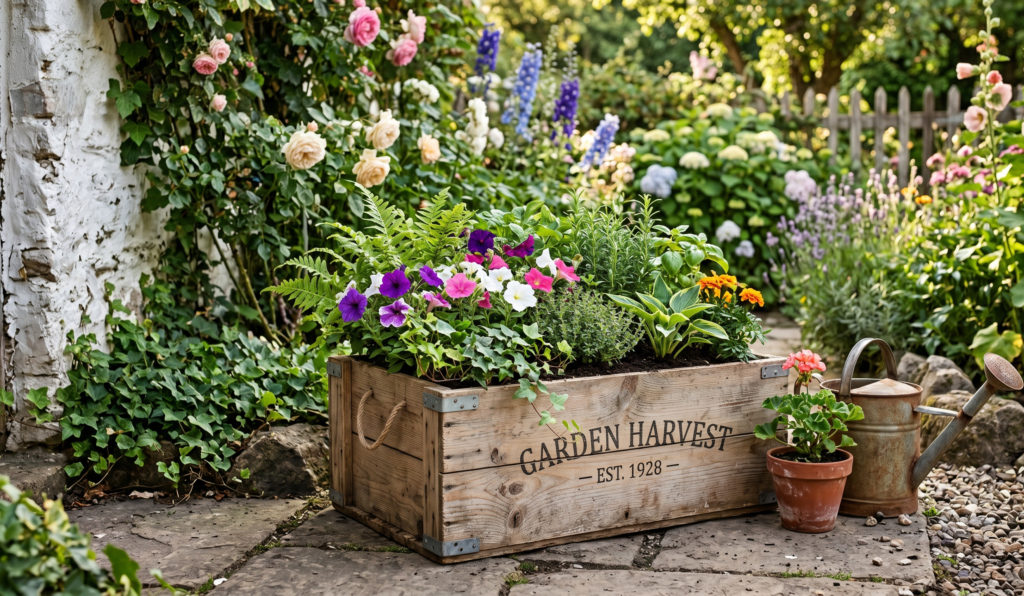
I had an old fruit crate lying around, and instead of throwing it out, I lined it with plastic and turned it into a planter.
It instantly gave that rustic, farmhouse vibe.
If you try this:
- Sand it lightly (splinters are not fun)
- Use a wood stain instead of paint for a richer look
3. Painted Terracotta (But Done Differently)
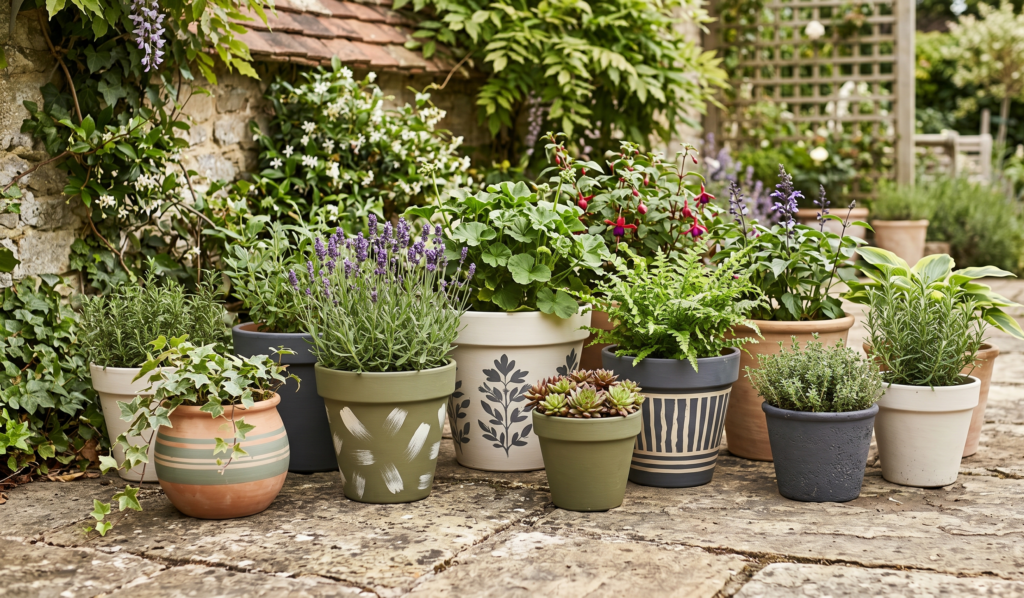
Terracotta pots are cheap. Sometimes too basic.
What worked for me was:
- Painting them in muted tones (olive, charcoal, off-white)
- Adding subtle patterns with a dry brush
Not loud designs. Just soft, imperfect strokes.
4. Rope-Wrapped Planters
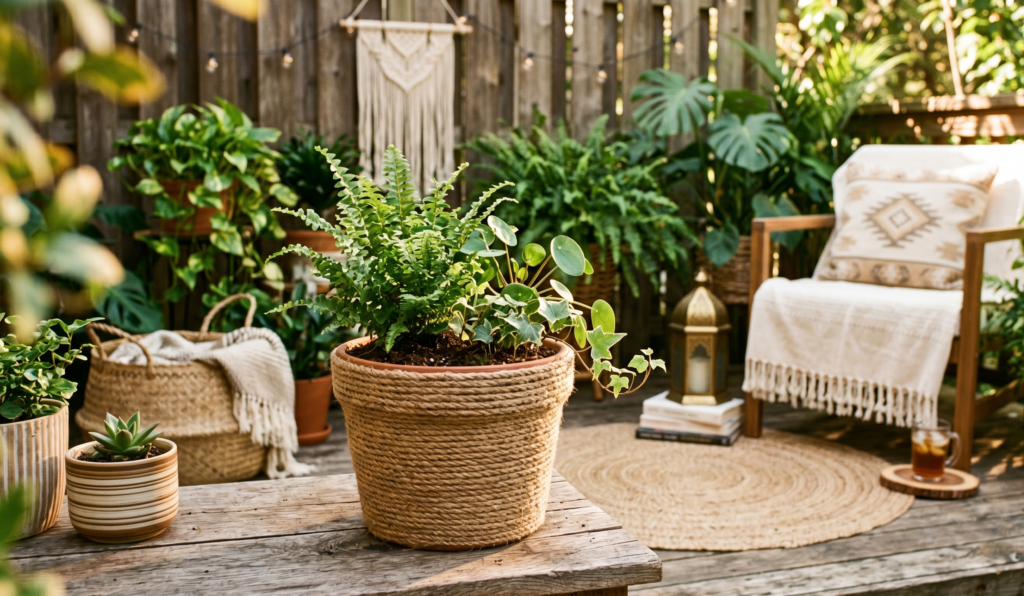
I wasn’t sure about this one at first, but it ended up looking surprisingly cozy.
Take a simple pot and wrap it with:
- Jute rope
- Or even thick cotton cord
Use glue as you go. It creates that warm, boho texture that feels expensive without trying too hard.
5. Hanging Tin Can Planters
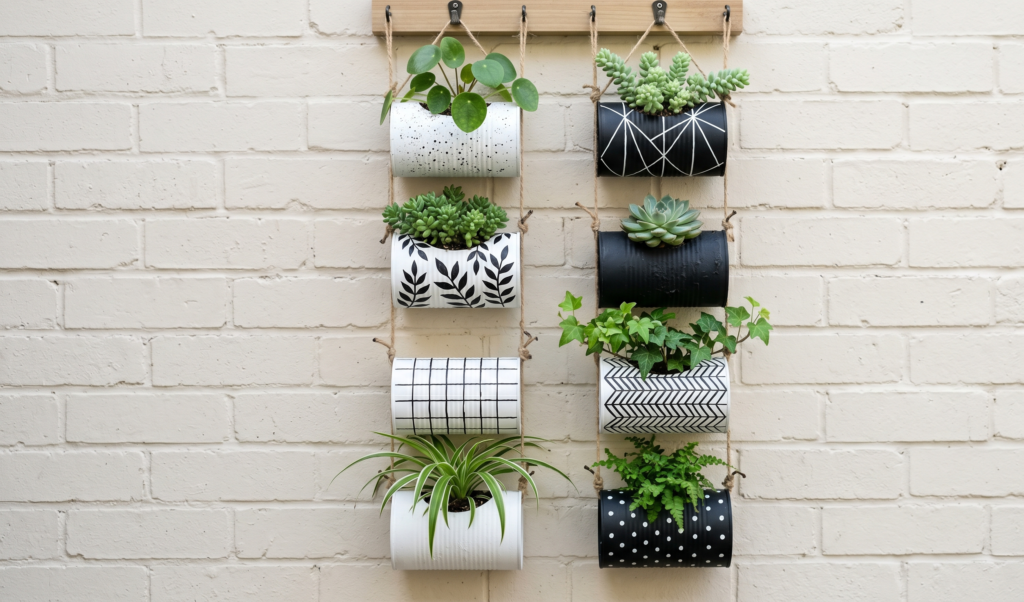
This started as a random experiment with leftover cans.
After cleaning and painting them (matte colors work best), I hung them along a wall using simple hooks.
It turned a boring wall into something… interesting. Not perfect, but definitely not boring anymore.
6. Tiered Ladder Planter Stand
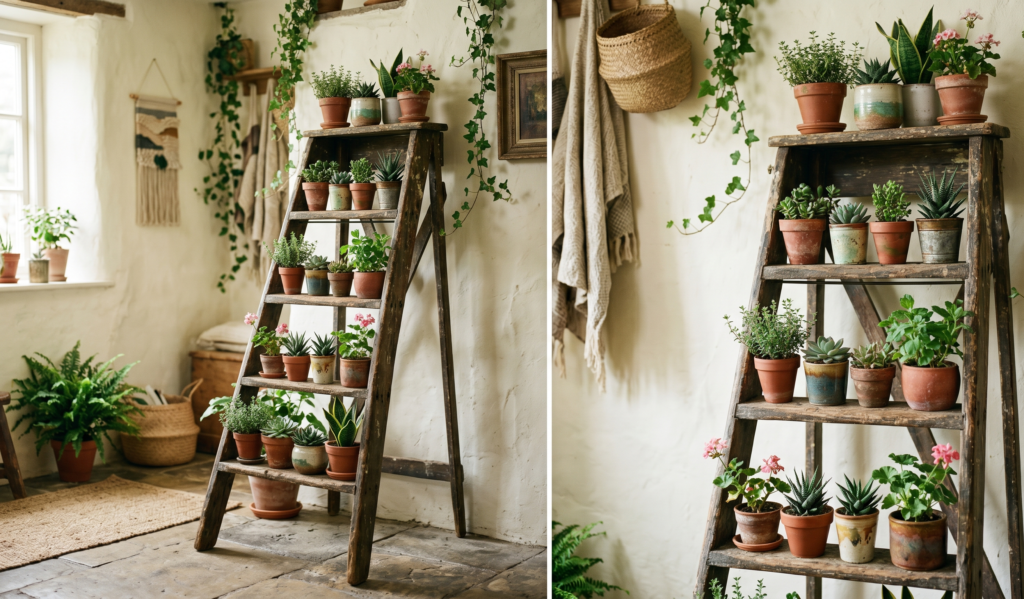
I didn’t build a ladder from scratch—I just repurposed an old one.
Leaning it against a wall and placing small planters on each step created a vertical garden effect.
Great for small spaces where you can’t spread out.
7. Fabric Grow Bags (Styled Right)
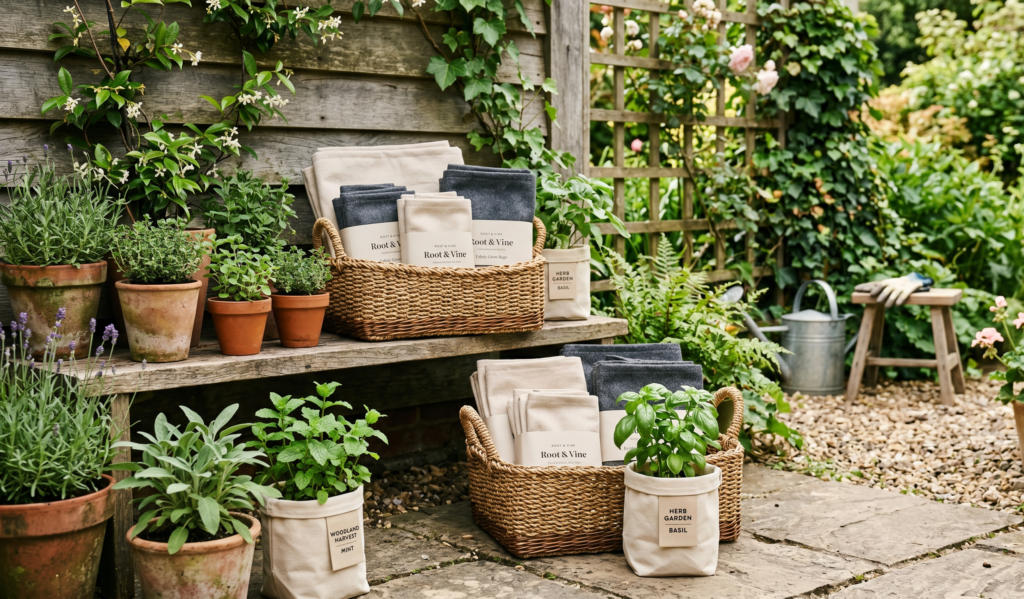
These are super affordable but don’t always look good straight out of the package.
What helped:
- Folding the top edge neatly
- Placing them inside a larger basket or frame
Suddenly they didn’t look like grow bags anymore.
8. Mosaic Tile Planters
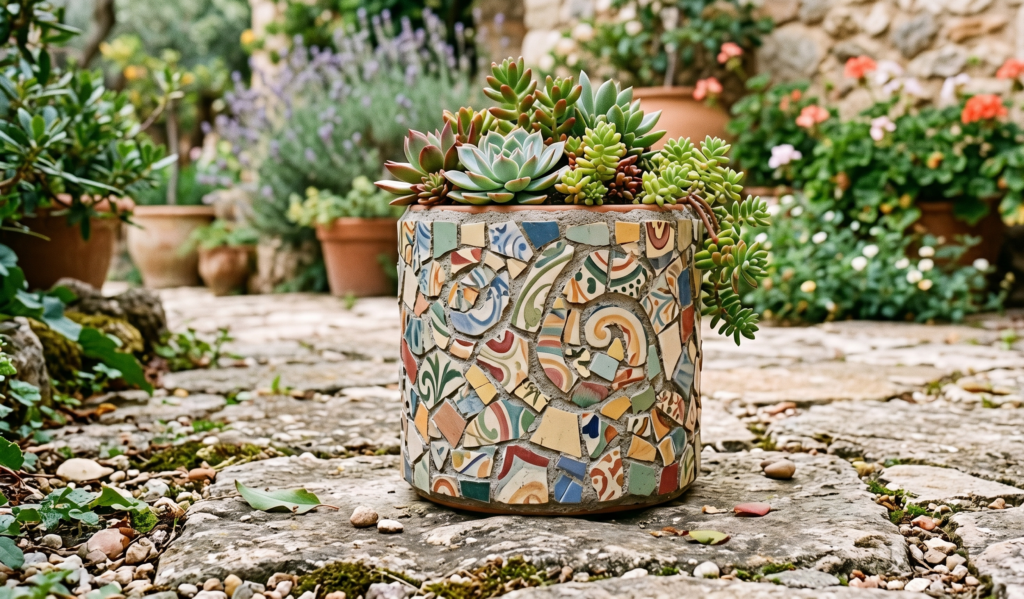
This one takes a bit more time, but the result? Worth it.
Using broken tiles or even old ceramics, you can create a mosaic pattern on basic pots.
I tried this once with leftover tile pieces, and while it wasn’t perfect, it had this handmade charm that store-bought items just don’t.
9. Metal Bucket Planters
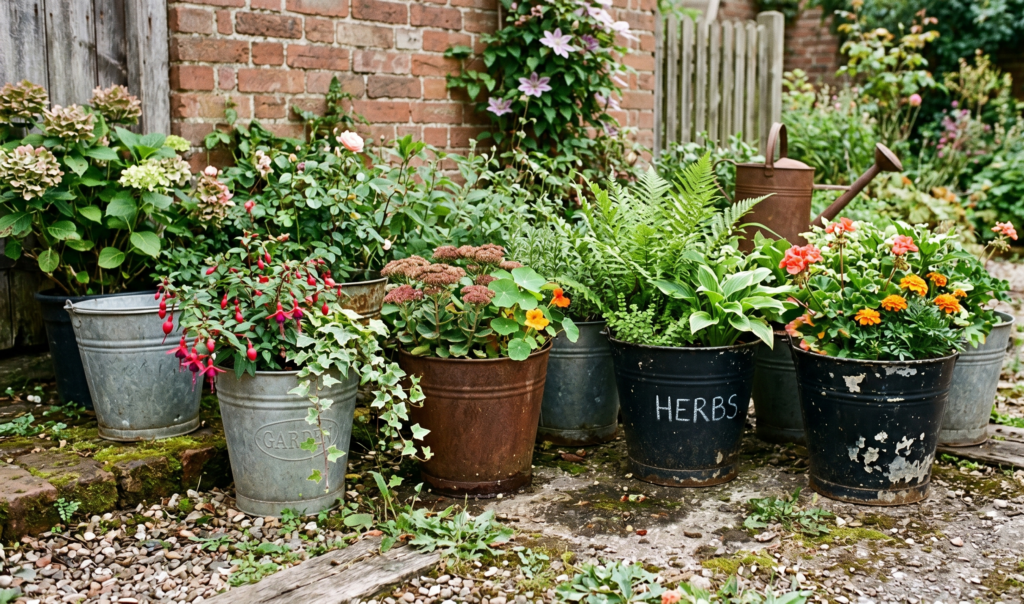
Old metal buckets—slightly worn, slightly imperfect—already have character.
You can:
- Leave them raw for an industrial look
- Or paint them matte black or white
I personally prefer the slightly aged look. It feels more natural.
10. Wall-Mounted Pocket Planters
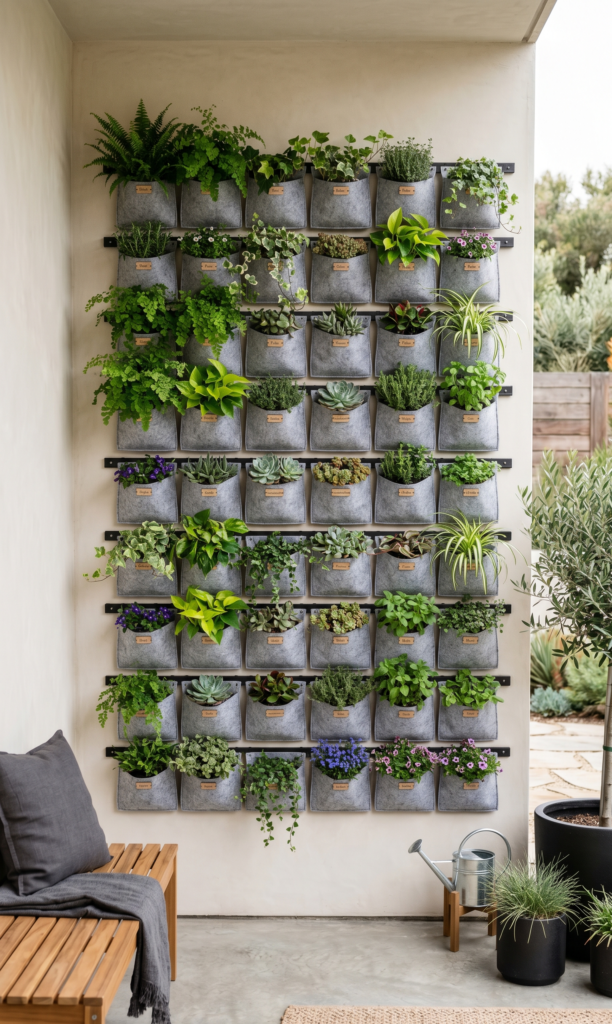
This worked really well for a dull wall I didn’t know what to do with.
Using:
- Fabric pockets
- Or small mounted containers
You can create a vertical garden that doesn’t take up floor space.
11. Stone-Finish Planters
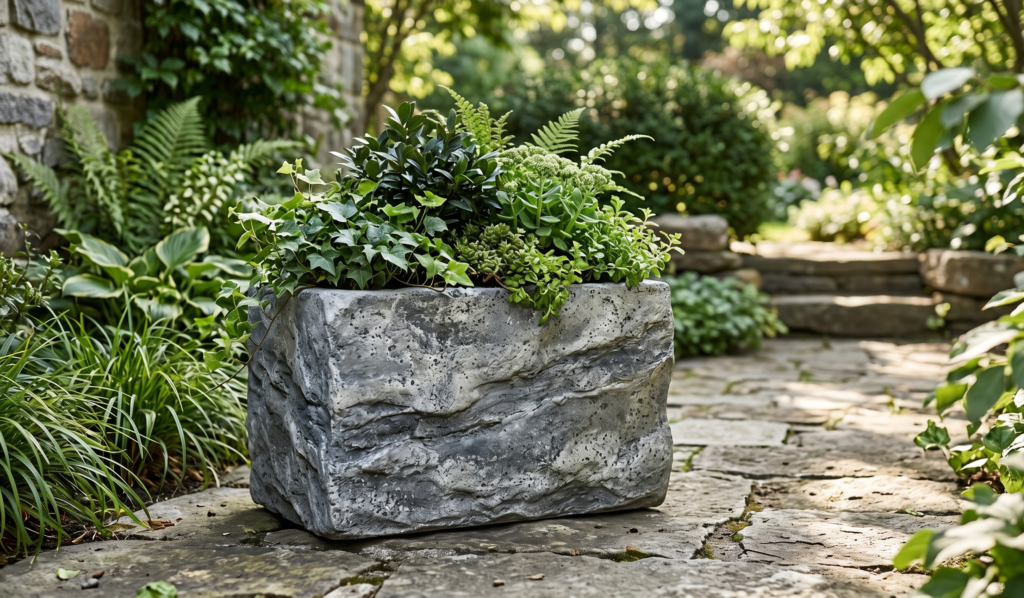
This is similar to the concrete look but slightly softer.
You can use:
- Textured spray paint
- Or dab different shades of gray for depth
The key is layering tones—not just one flat color.
12. Old Drawer Planters
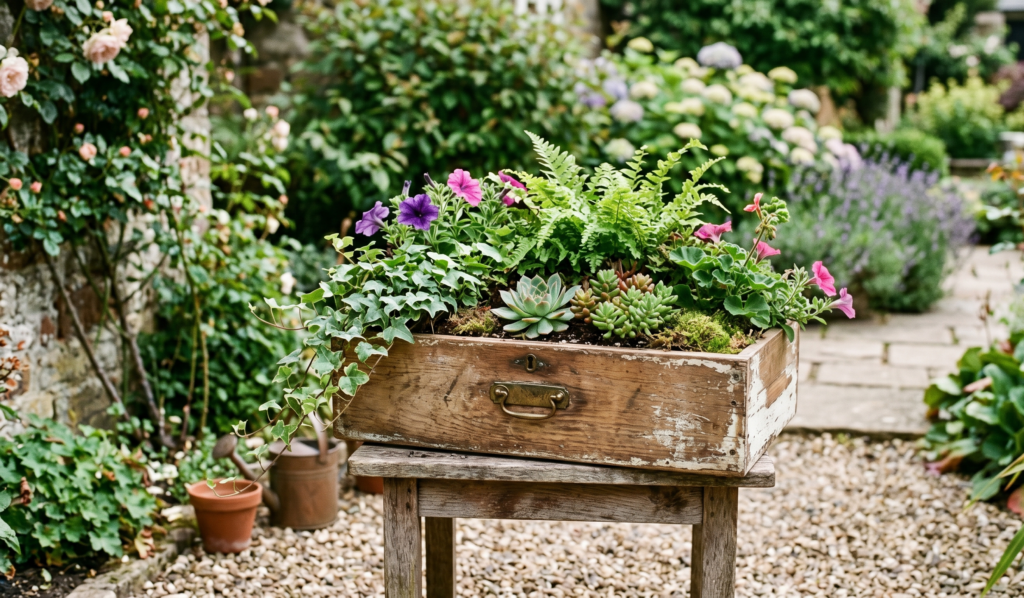
I found an unused drawer during a cleanup and almost threw it away.
Instead:
- Added a plastic lining
- Filled it with soil and plants
Placed it on a small stand, and it became a statement piece. Unexpected, but in a good way.
13. Hanging Basket Clusters
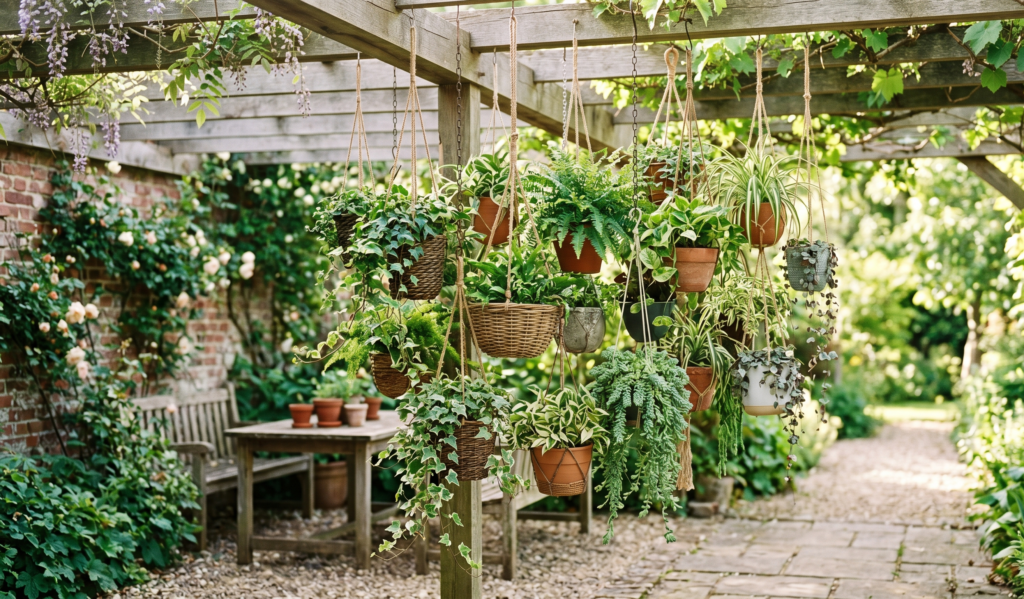
Instead of one hanging planter, try grouping 3–5 at different heights.
It creates movement and makes the space feel fuller.
I tried this near a window once, and it instantly felt more alive.
14. Painted Cement Blocks
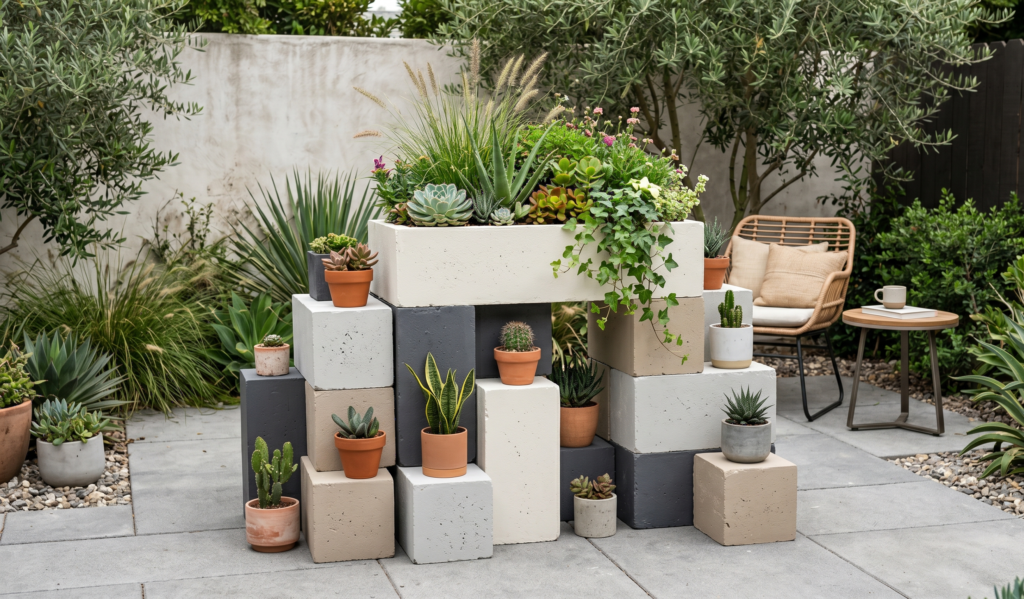
Cement blocks are cheap and… not very attractive at first.
But:
- Paint them in neutral shades
- Stack them creatively
They double as both planters and stands.
15. Minimalist Black & White Planters
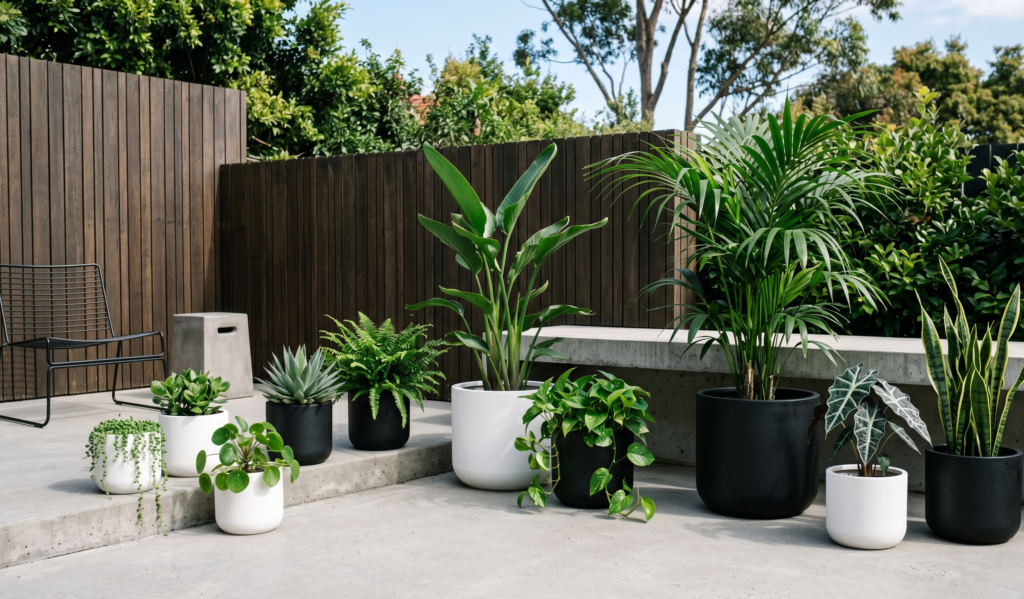
Sometimes the “expensive look” isn’t about detail—it’s about simplicity.
A few well-placed:
- Matte black pots
- Or soft white planters
With greenery? That contrast does most of the work.
I noticed this especially in smaller spaces. Less clutter, more impact.
A Few Practical Tips That Made a Big Difference
After trying (and sometimes failing) with a few of these, I picked up some small things that actually matter:
Drainage is not optional
I learned this the hard way.
Always:
- Drill holes at the bottom
- Or add a layer of stones
Otherwise, plants suffer… and the planter ends up smelling weird.
Don’t overcrowd everything
At one point, I tried to use every idea at once. Big mistake.
Give space between planters so each one stands out.
Stick to a color palette
Even DIY projects look high-end when the colors feel consistent.
I usually stay within:
- Neutrals (white, black, beige)
- Earth tones (green, brown, clay)
Mix heights and textures
This one changed everything for me.
Instead of lining pots in a row:
- Use stands
- Stack elements
- Hang a few
It adds depth without needing more items.
The Part No One Talks About
Not every DIY turns out perfect.
Some planters I made looked… honestly, a bit off. Paint uneven, shapes awkward. But over time, those small imperfections started to feel part of the space.
And weirdly, that made everything feel more real.
You don’t need a magazine-perfect garden. You just need a space that feels like you’d actually sit there with a cup of tea and stay for a while.
Final Thoughts
If there’s one thing I’ve learned from all of this, it’s that creating a beautiful outdoor space isn’t about spending more—it’s about noticing more.
Noticing how textures feel. How colors sit together. How one small corner can change your mood.
Start small. One planter. One idea. One quiet upgrade.
That’s how it started for me anyway… and somehow, that one change turned into a space I actually look forward to spending time in.
And honestly? That’s all that really matters.