I used to think a driveway was one of those parts of a house you simply had to live with. It got you from the street to the garage, gave the car somewhere to sit, and that was about it.
Then I started paying attention to the entrances of homes I passed on walks and drives. Some had the simplest little pots beside the driveway, while others had full planting beds that made the whole front of the house feel more finished. I realized pretty quickly that the driveway entrance can make a surprisingly big difference.
You don’t need a huge yard or a landscaping budget to make it look better, either. Sometimes a couple of large planters are enough. Other times, a narrow strip of greenery along the edge does the trick.
I’ve collected 23 driveway planter ideas here that I would genuinely consider for an everyday home. Some are polished and symmetrical, some are relaxed and leafy, and a few are especially useful if you’re working with a small space or a tight budget.
1. Go Classic With Two Matching Planters
This is probably the easiest place to start.
I like the look of two large planters placed on either side of the driveway entrance. They immediately create a sense of symmetry, and you don’t have to rethink the entire front garden.
For a traditional home, I’d choose simple stone, concrete, terracotta, or dark-colored planters. Fill them with something tall and structured, then add a few softer plants around the base.
The trick is getting the scale right. Tiny pots can disappear beside a wide driveway, while oversized containers can make a narrow entrance feel cramped.
2. Try Tall Planters for a More Modern Entrance
When I picture a contemporary driveway, I usually imagine tall rectangular or cylindrical planters.
They have a cleaner appearance than traditional flower pots and work especially well beside modern garage doors, simple facades, and straight-edged driveways.
You could plant:
- Ornamental grasses
- Small evergreen shrubs
- Snake plants in suitable climates
- Upright palms
- Architectural succulents
I especially like this idea when there isn’t much room for a traditional planting bed.
3. Create a Low Border Along the Driveway
If your driveway has a little extra soil along one or both edges, I’d take advantage of it.
A low border of plants can soften all that hard concrete or paving without making the driveway feel narrower. I prefer plants that stay relatively compact here because you don’t want to constantly trim foliage away from passing cars.
Think of it almost like a green ribbon running alongside the driveway.
Low shrubs, creeping plants, dwarf grasses, and flowering perennials can all work.
4. Use Large Concrete Planters
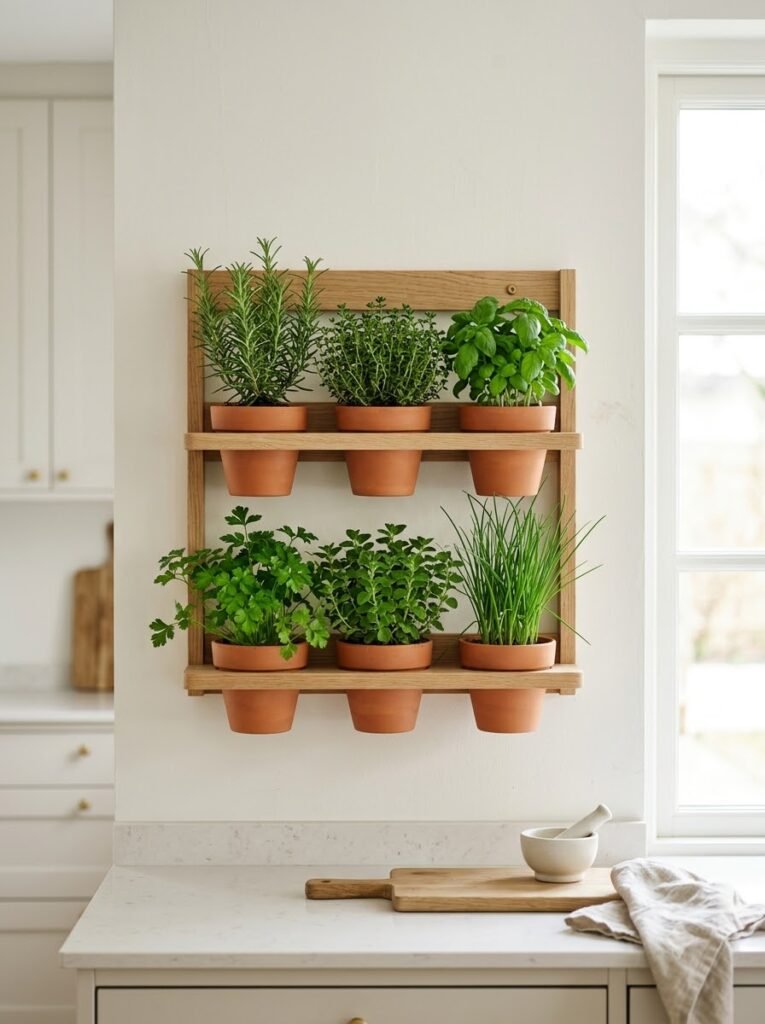
There’s something wonderfully substantial about concrete planters. They don’t feel like decorations that might blow over in the next storm.
I used to associate concrete planters with very formal landscaping, but there are plenty of simple modern shapes now. A large round pot or rectangular trough can look surprisingly relaxed when planted with loose grasses or leafy plants.
They’re also practical because their weight helps keep them in place.
5. Add a Pair of Olive Trees
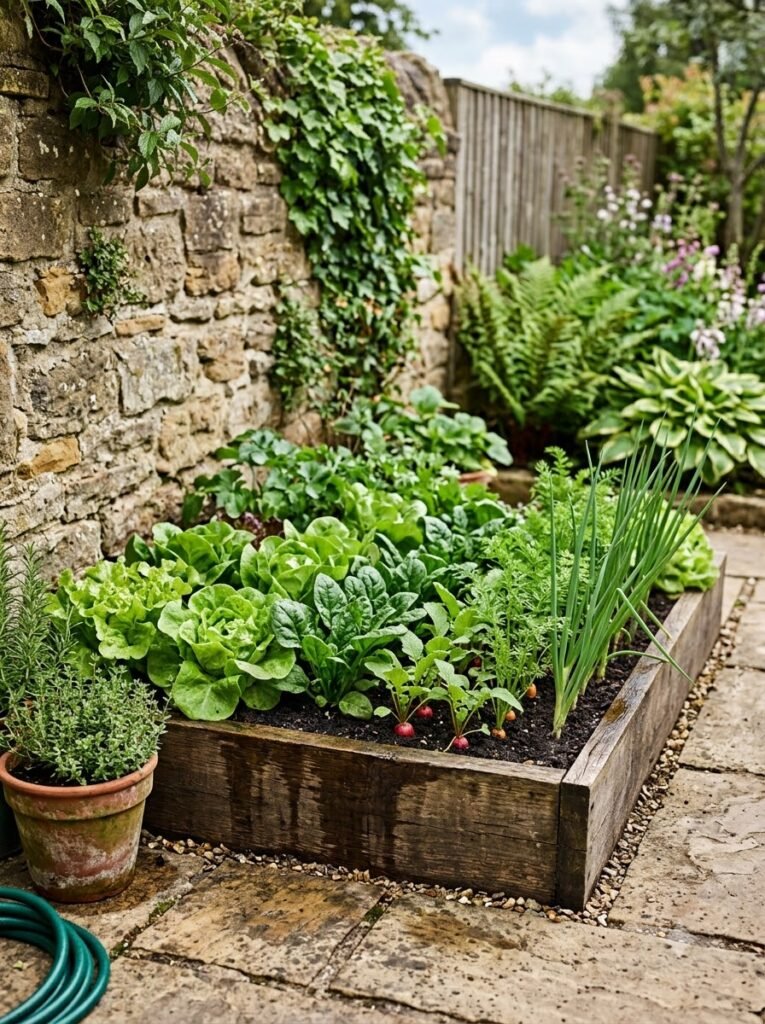
If your climate is suitable, olive trees can give a driveway a beautiful Mediterranean feeling.
I love the slightly silvery foliage. It looks particularly good against pale walls, gravel, stone, or warm-colored paving.
A pair of matching olive trees in simple containers can make an otherwise ordinary driveway entrance feel intentional without looking overly decorated.
Just remember that mature trees need enough space for their roots and canopy, so container size matters.
6. Make a Cottage-Style Driveway Entrance
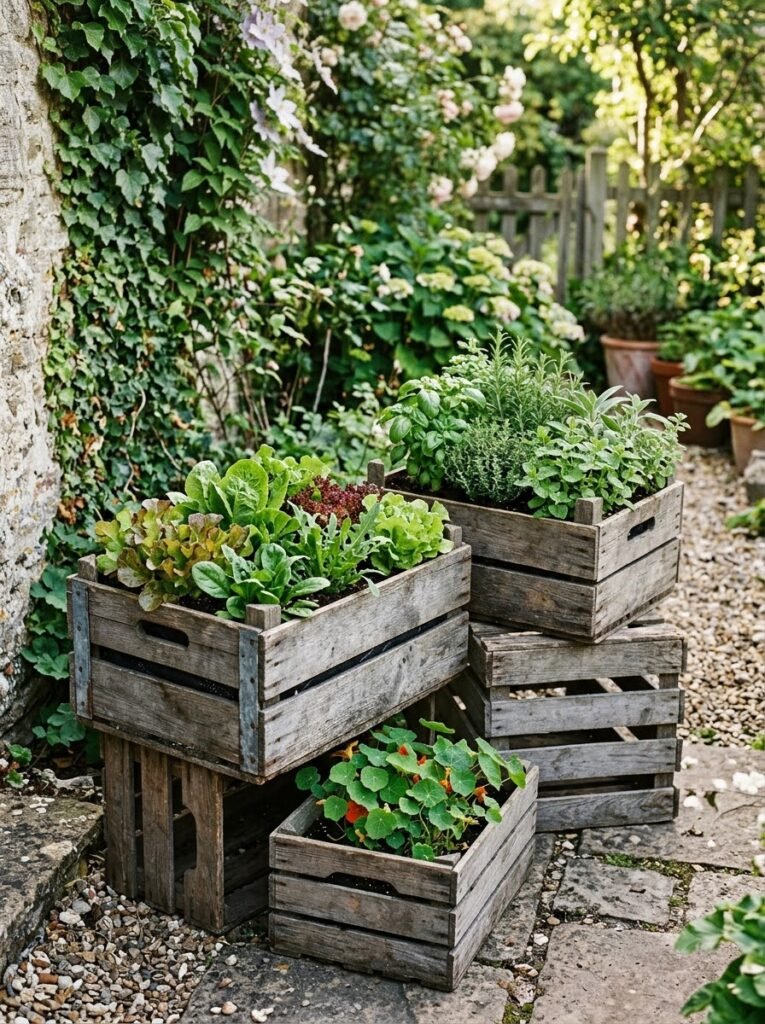
For something softer, I’d skip the perfectly matching pots and create a loose cottage-garden effect.
Plant flowers and herbs in a slightly informal border along the driveway. Let the colors and heights vary rather than trying to make everything identical.
Some possibilities include:
- Lavender
- Rosemary
- Salvia
- Daisies
- Geraniums
- Ornamental grasses
I like this approach because it doesn’t look as though every plant was measured with a ruler. A little imperfection actually makes it more charming.
7. Use Brick Planters to Match the House
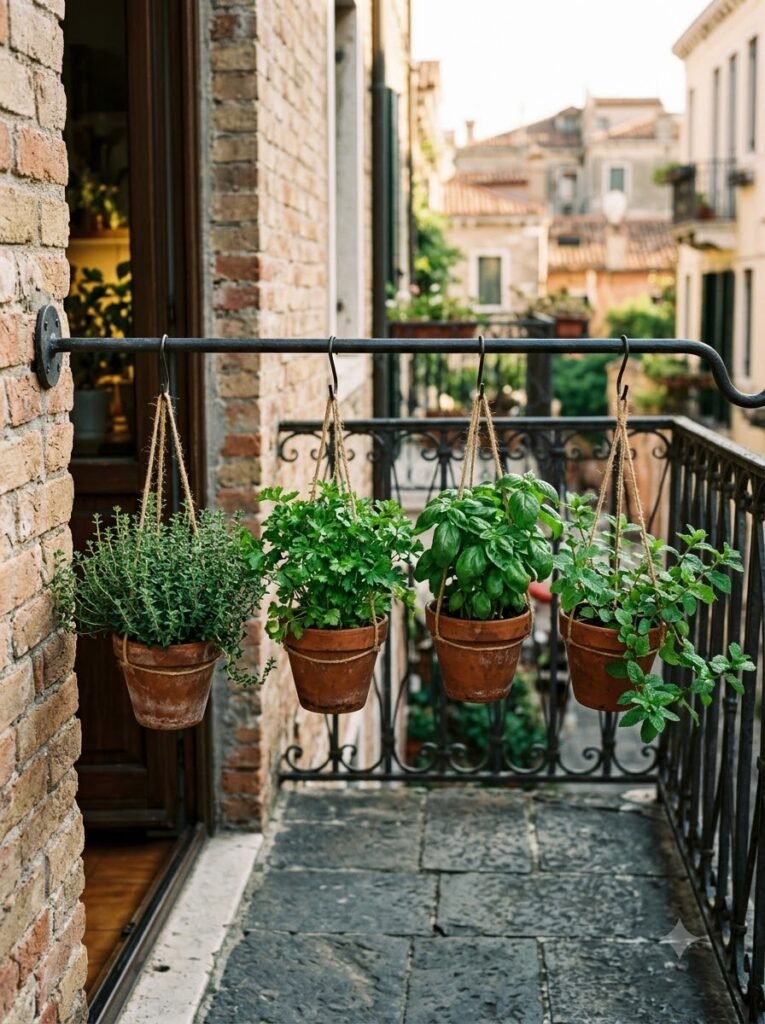
If your home already has brickwork, repeating that material around the driveway can make everything feel connected.
A low brick planter built at the edge of the driveway is one of those changes that can look like it was always supposed to be there.
I’d keep the planting relatively simple so the brick remains part of the visual design. A few evergreen shrubs mixed with seasonal flowers would be enough.
8. Try Long Rectangular Planter Boxes
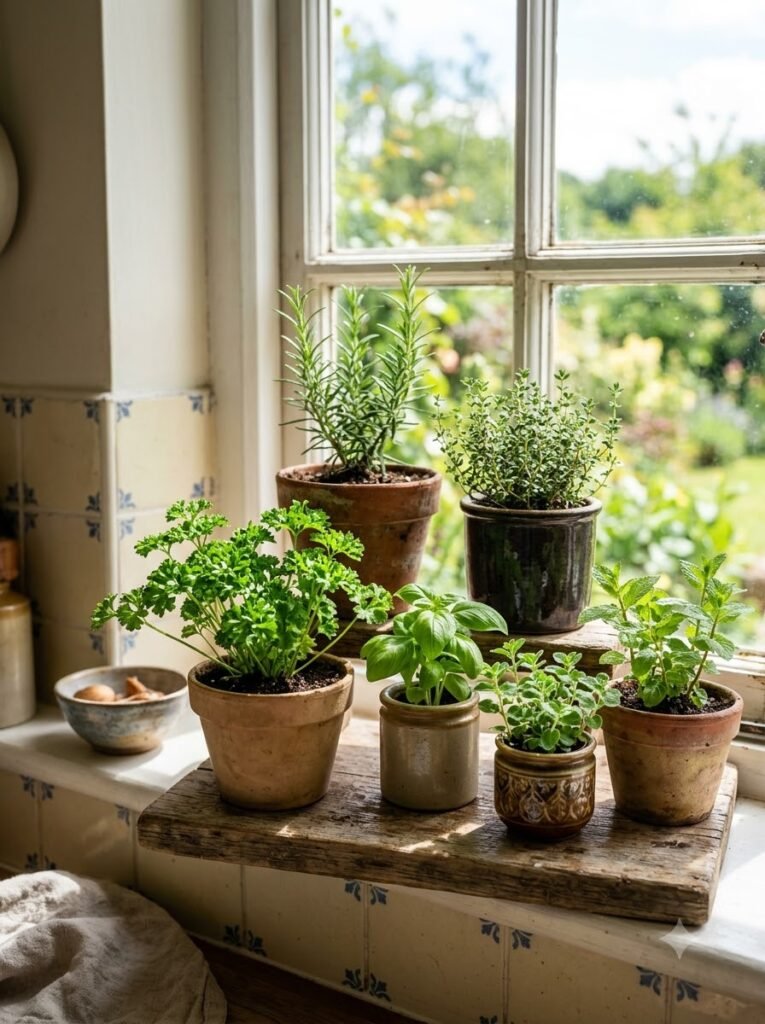
Long planter boxes are particularly useful for wide driveways or homes with a contemporary exterior.
Instead of several individual pots, one long container gives you a continuous planting area.
I would use plants with slightly different heights rather than filling the entire box with one variety. For example, taller grasses toward the back, medium-height flowering plants in the middle, and something trailing toward the edge.
It creates layers without needing much space.
9. Bring in Native Plants
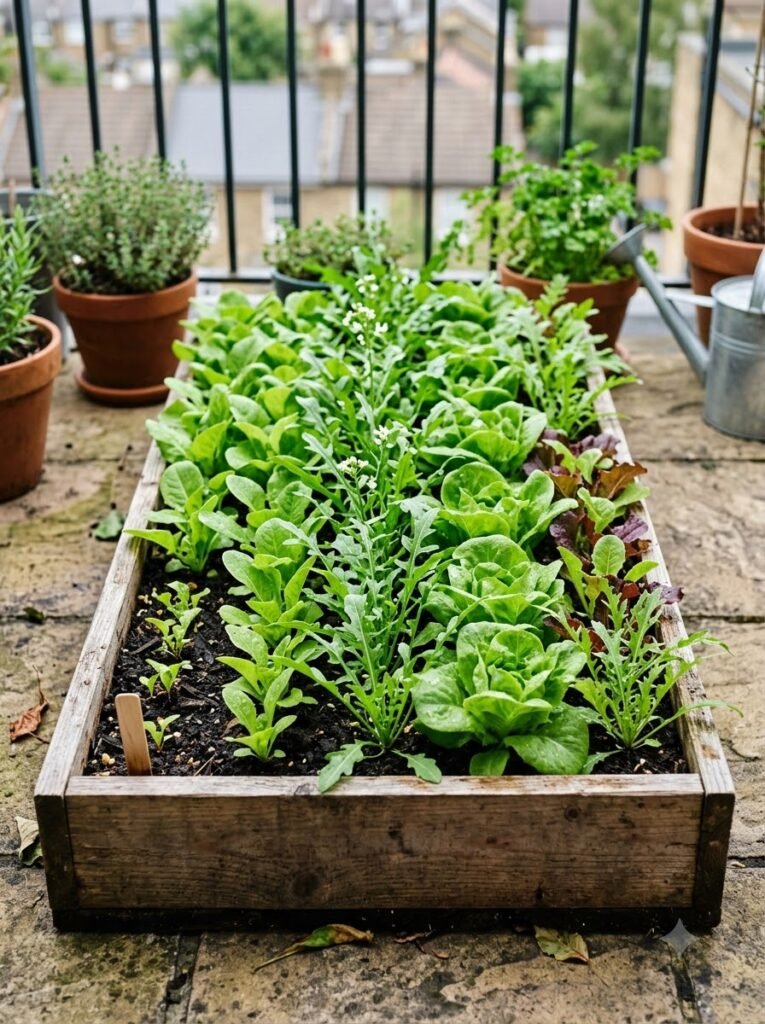
This is one idea I wish more people considered when planning driveway landscaping.
Native plants are generally better adapted to the local climate and can often handle the conditions around a driveway more comfortably than plants that need constant attention.
When I choose plants, I think about heat, rain, soil, wind, and how much watering I’m realistically going to do. There’s no point creating a beautiful arrangement that needs daily maintenance if I know I’ll forget about it.
Look for plants native or well-adapted to your region, particularly if the driveway gets strong afternoon sun.
10. Use Gravel Around Large Pots
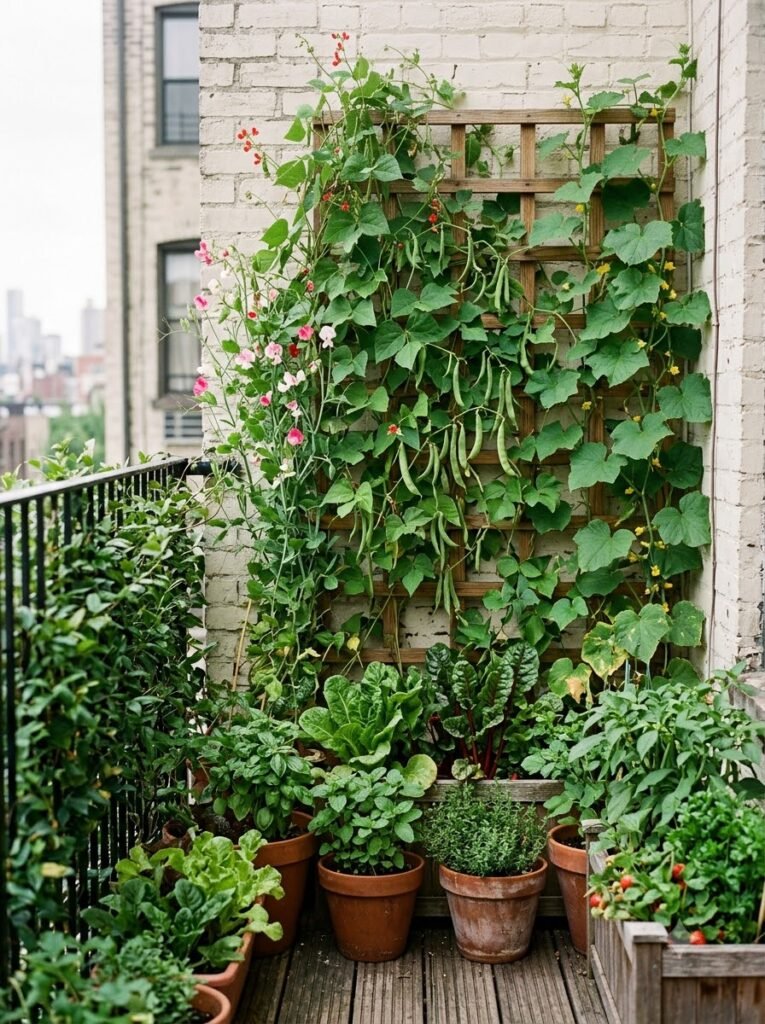
If you don’t want to build a permanent planting bed, gravel is an easy way to make container planting feel more intentional.
Place two or three large pots on a small gravel area beside the driveway. The gravel gives the containers some breathing room and helps define the entrance.
This can also be a relatively inexpensive weekend project. I like pale gravel with terracotta pots, but dark gravel and concrete containers can give you a completely different look.
11. Add Evergreen Shrubs for Year-Round Interest
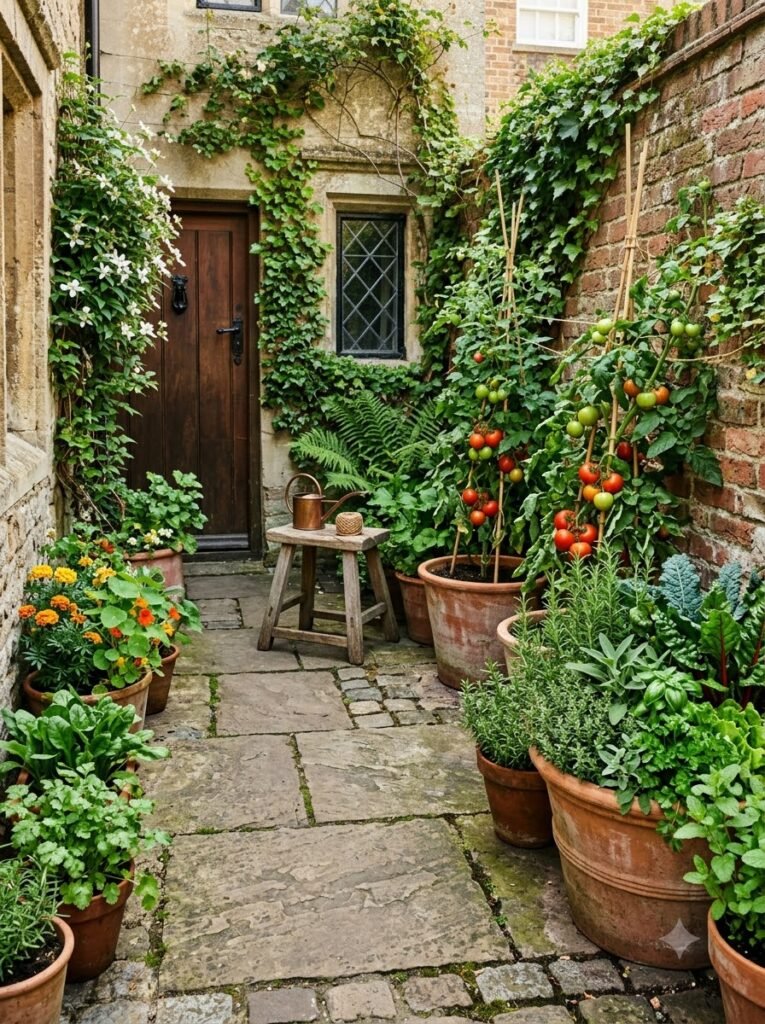
Flowers are lovely, but I wouldn’t rely entirely on seasonal color.
Evergreen shrubs can keep the driveway entrance looking finished during the months when other plants aren’t flowering. Choose compact varieties that won’t eventually grow across the driveway.
This is particularly helpful if you want your front entrance to look good without constantly replacing plants.
12. Create a Layered Planter
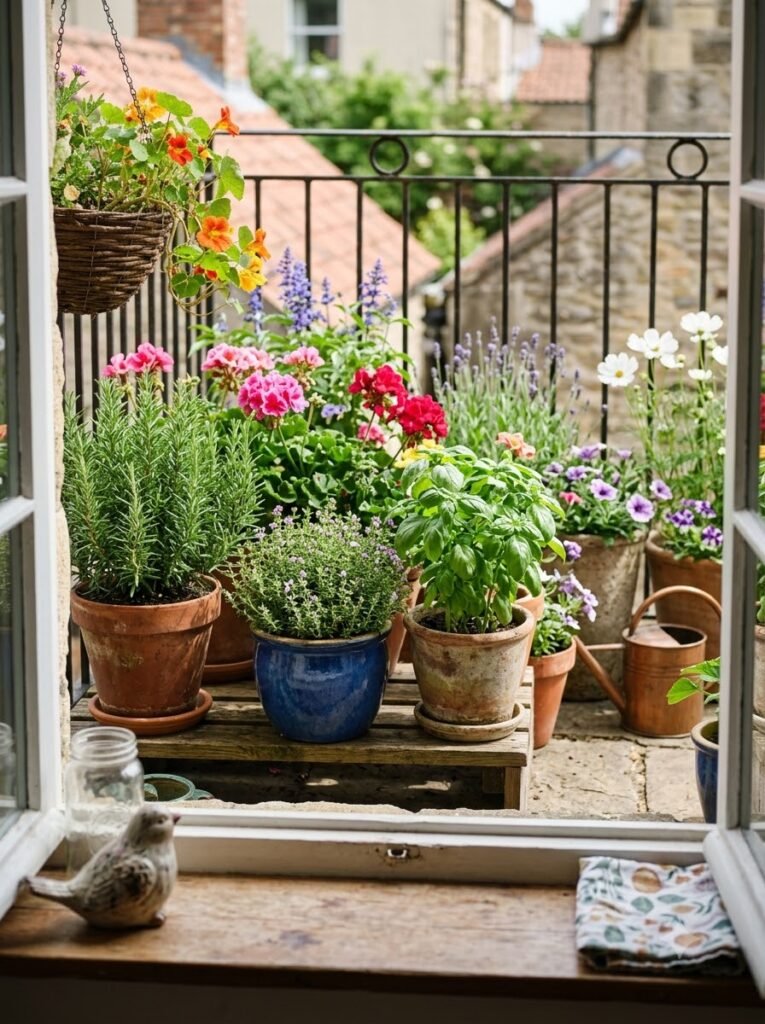
One of my favorite tricks is to stop thinking about a planter as “one plant in one pot.”
Instead, combine three types of plants:
- Something tall for height.
- Something bushy or flowering for fullness.
- Something trailing around the edge.
Even a basic container becomes much more interesting this way.
You can repeat the same combination in two pots on either side of the driveway for a coordinated look.
13. Use Wooden Planter Boxes for a Softer Look
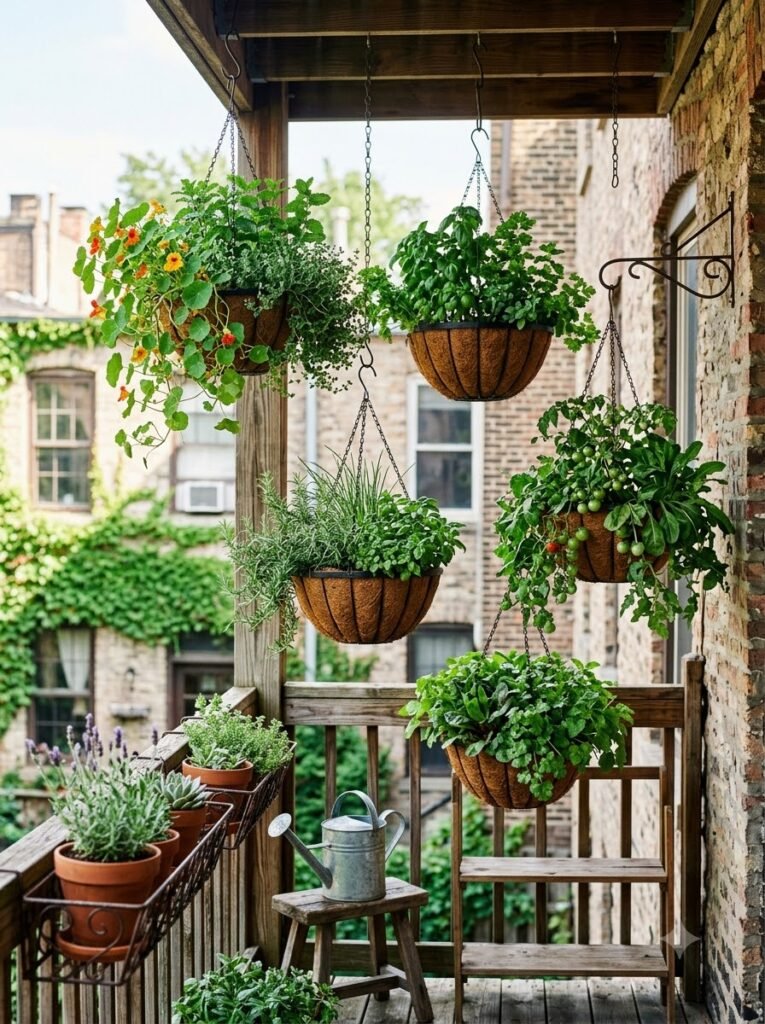
Wood can make a driveway feel much less hard and industrial.
A simple cedar or treated-wood planter box looks particularly nice with greenery and natural stone. I like this option for homes with a farmhouse, Scandinavian, coastal, or rustic style.
Just make sure the wood is appropriate for outdoor use and that the planter has good drainage. Otherwise, you’ll eventually be dealing with rot, which is not the kind of gardening surprise anyone wants.
14. Try a Minimalist Succulent Display
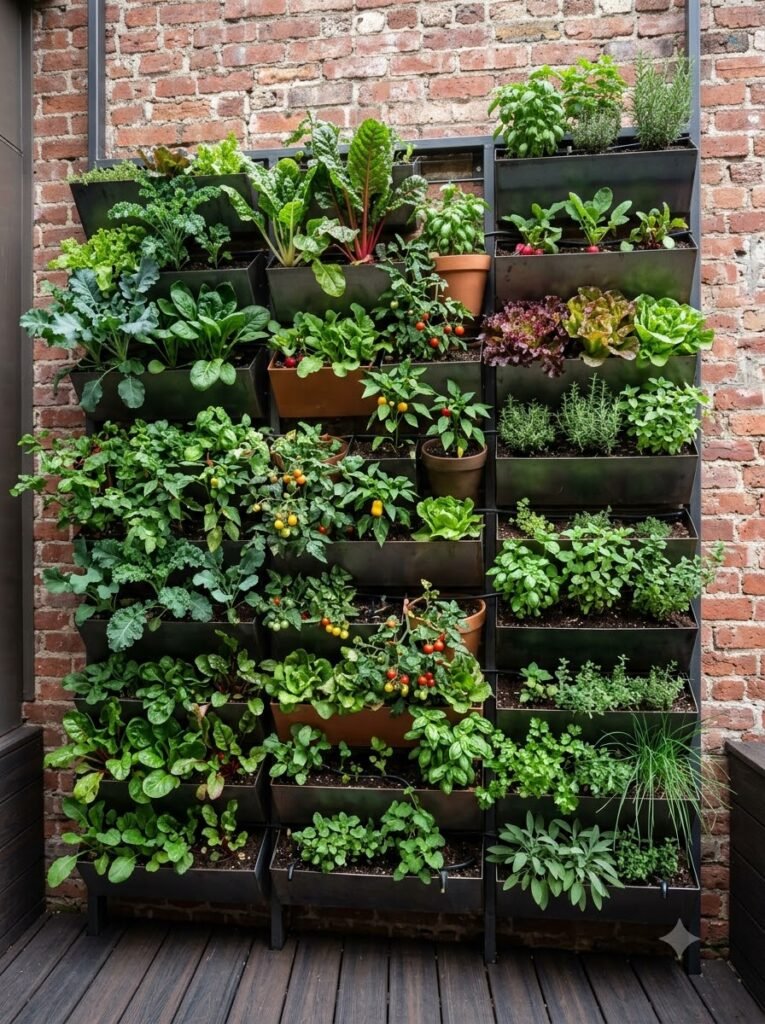
If you’re somewhere with a hot, relatively dry climate, succulents can be a great driveway choice.
I would use a handful of large sculptural plants rather than filling every inch with little succulents. Agaves, aloes, echeverias, and similar plants can create a striking arrangement.
Pair them with gravel or stone and a simple concrete planter, and you’ve got a very low-fuss entrance.
15. Add Color With Seasonal Flowers
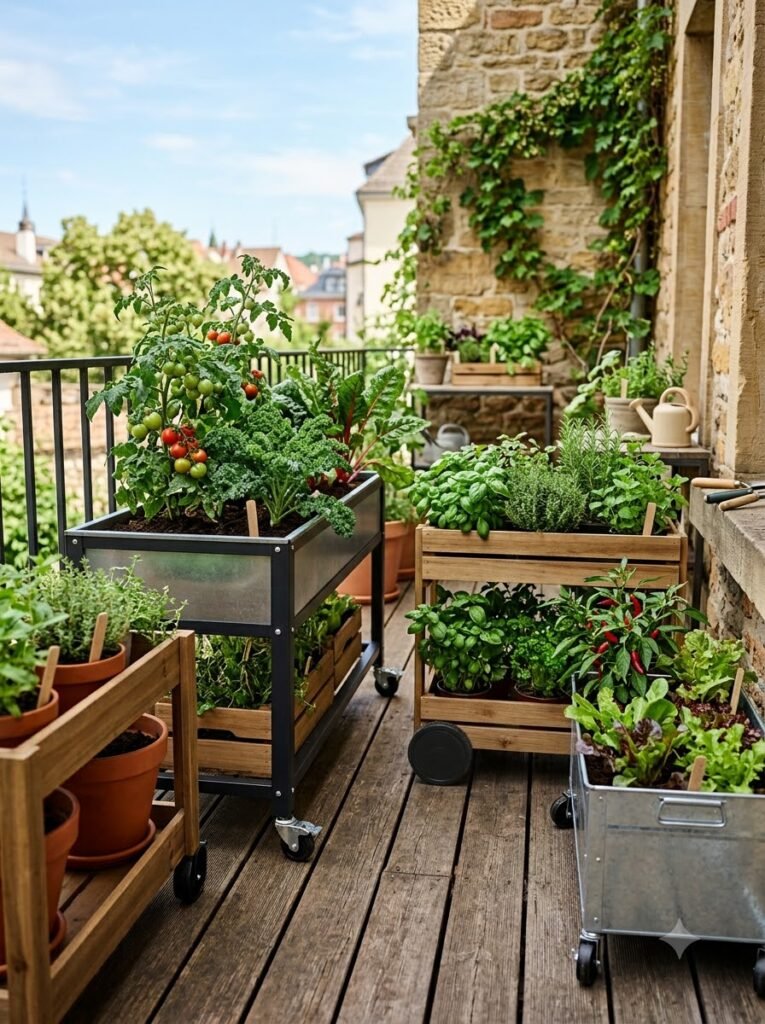
Sometimes the driveway just needs a little cheerful color.
Instead of committing to permanent landscaping, use large containers that you can refresh with the seasons.
For example, you might use bright annual flowers during warmer months and swap them for plants that tolerate cooler weather later.
This works well if you enjoy changing your outdoor decor and don’t mind a little extra maintenance.
16. Turn an Old Container Into a Planter
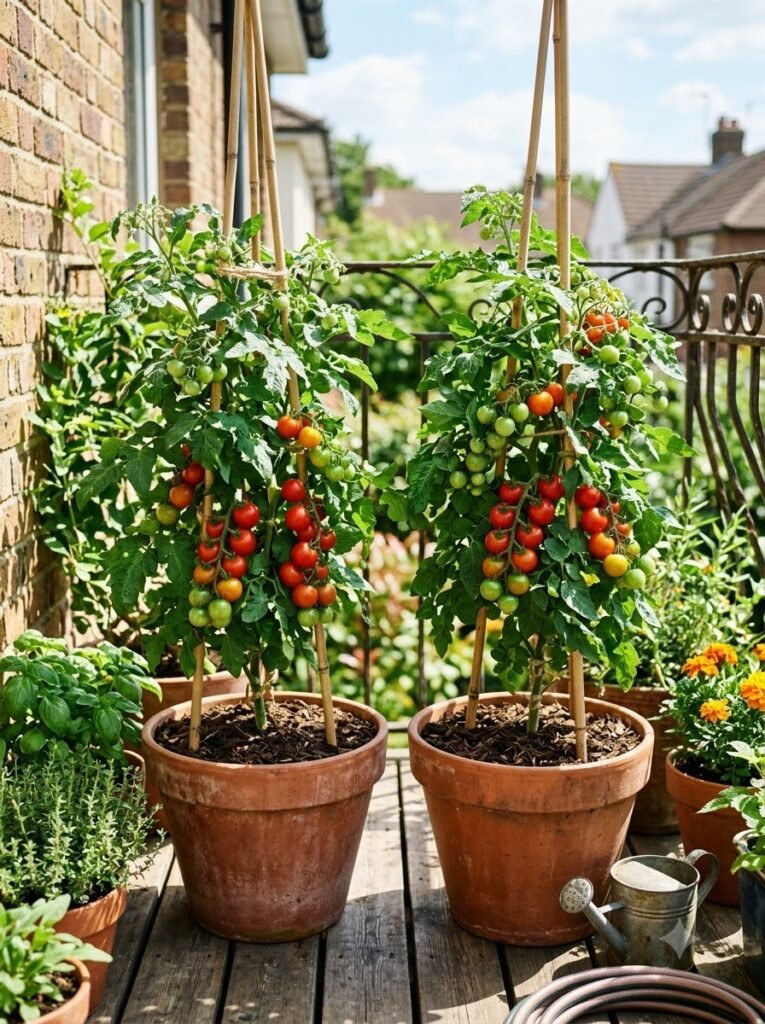
I love giving old things another purpose, and driveway landscaping is a surprisingly good place to do it.
An old metal tub, wooden crate, stone trough, or even a weathered ceramic pot can become a characterful planter.
The important thing is drainage. If the container doesn’t have holes, add them if possible, or use a smaller nursery pot inside it.
A slightly weathered container can actually look better than something brand new.
17. Frame the Driveway With Small Trees
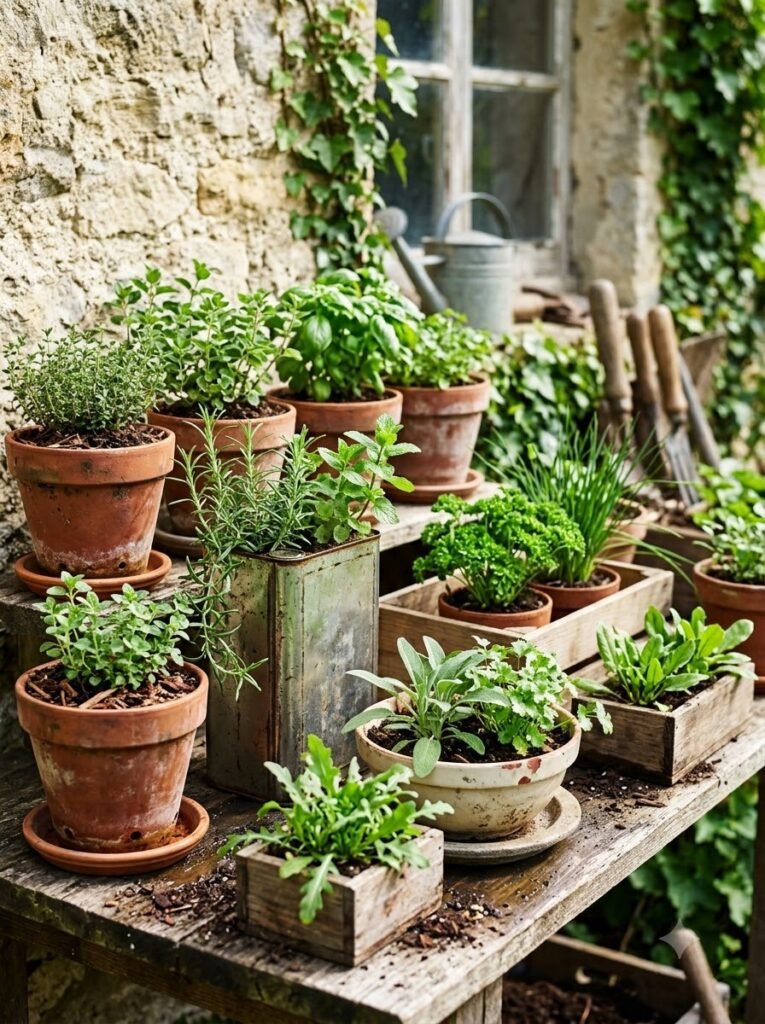
If you have enough space, consider planting small ornamental trees at the entrance.
They create height and can make the driveway feel like a proper arrival point rather than simply a strip of pavement.
Before doing this, though, I’d check mature tree size and root behavior carefully. Driveways, underground pipes, walls, and tree roots aren’t always the happiest combination.
Give the tree room to grow rather than planting it too close to the paving.
18. Use Ornamental Grasses
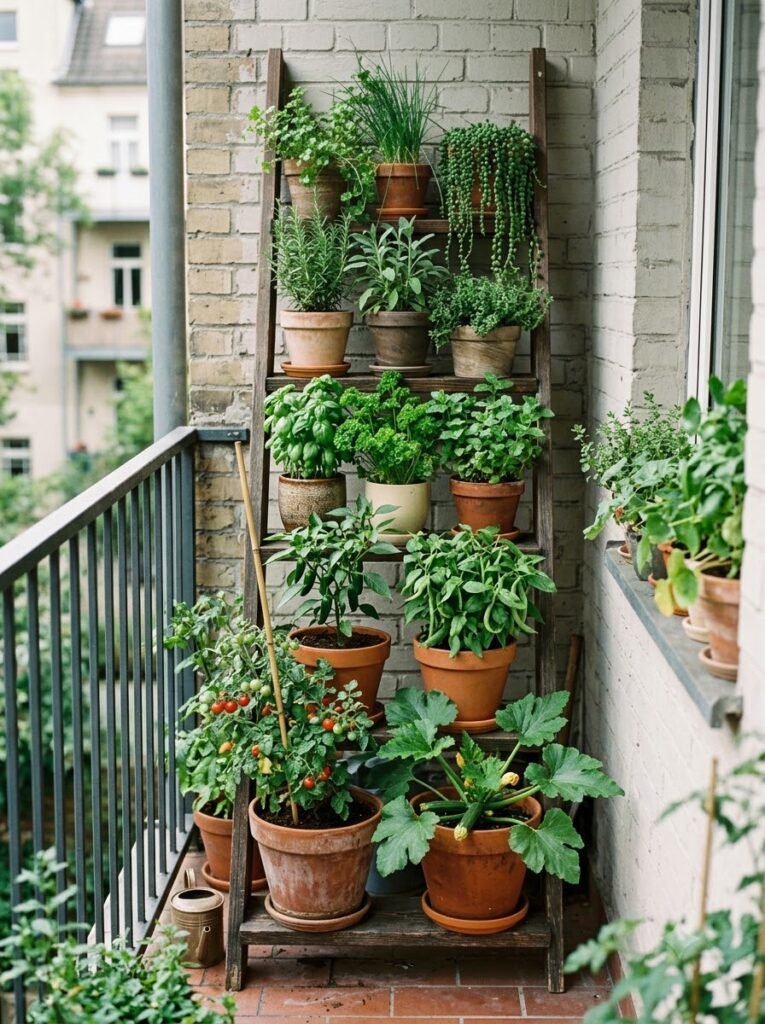
Ornamental grasses are one of my favorite ways to add movement.
They sway in the wind, soften hard edges, and generally don’t have the rigid appearance of clipped shrubs. Tall grasses can also create a little privacy without becoming a solid wall.
I especially like them in groups of three or five, depending on the available space. Odd-numbered groupings often look more natural to my eye.
19. Add Lighting Around the Planters
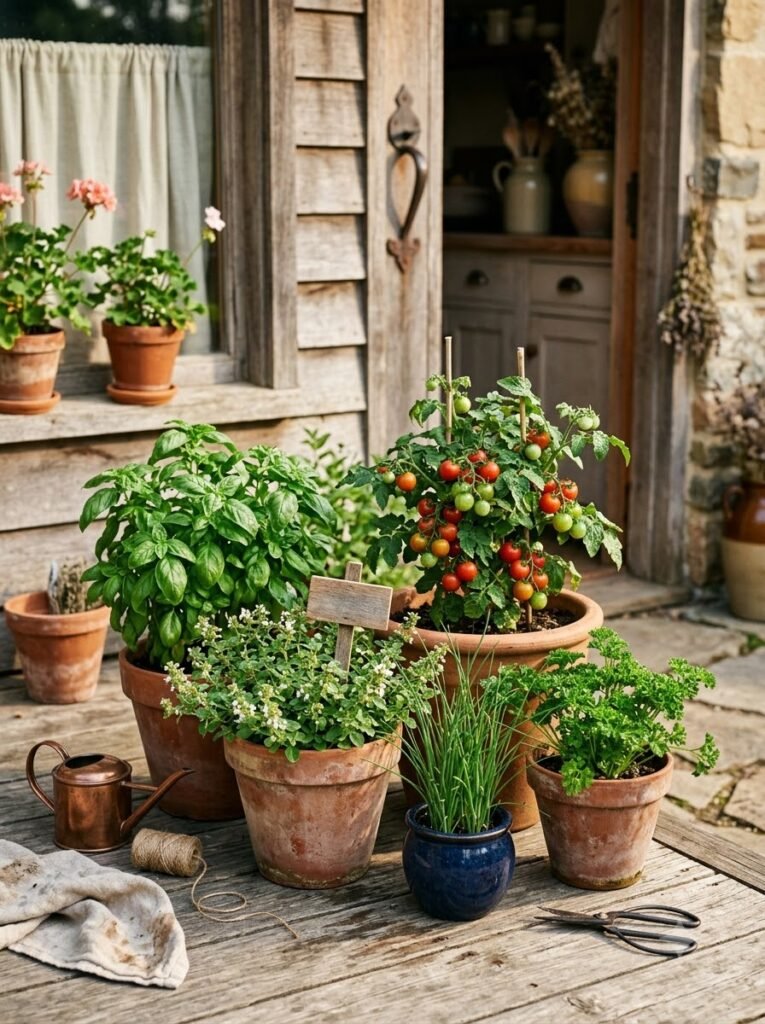
Once you’ve added plants, don’t forget about the driveway after dark.
Low solar lights or subtle path lights can highlight planters and make the entrance easier to navigate at night.
You don’t need bright floodlights everywhere. A few warm, low-level lights are usually enough to outline the driveway and show off the planting.
I find that lighting can make even very simple landscaping feel more finished.
20. Use a Raised Stone Planter
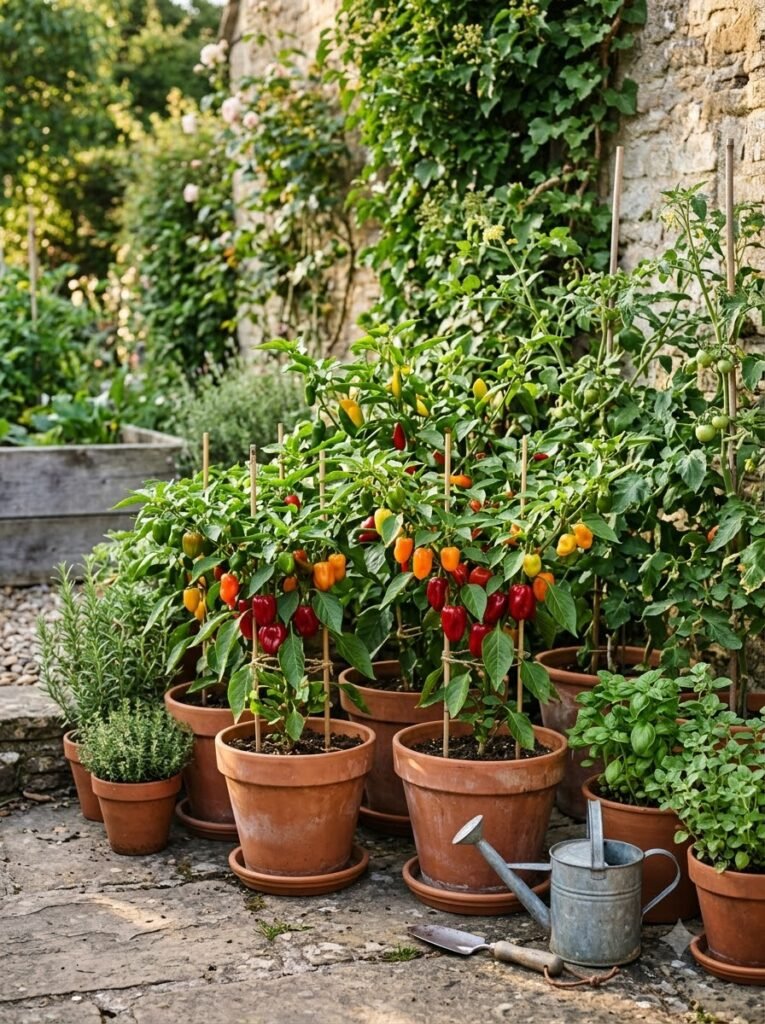
A raised planter can be especially useful when the driveway sits slightly higher or lower than the front garden.
Stone retaining walls can create a clear boundary while giving you additional planting space.
I’d keep the wall relatively simple and let the plants provide most of the visual interest. Trailing greenery spilling slightly over the edge can soften all that stone beautifully.
21. Make the Driveway Entrance Fragrant
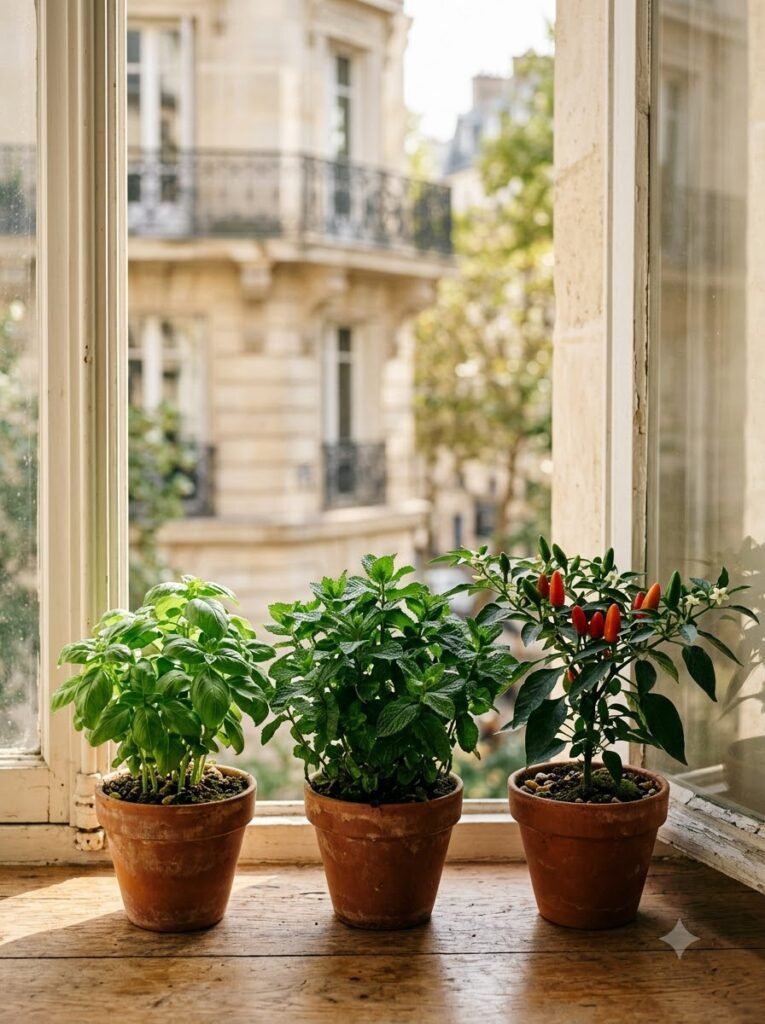
There’s something really pleasant about getting out of the car and walking past a fragrant plant.
If your climate allows it, consider lavender, rosemary, jasmine, gardenia, or other fragrant varieties suited to your area.
I wouldn’t plant something that becomes overwhelmingly strong right beside the front door, but a little fragrance along the driveway can be a lovely detail.
It’s one of those improvements you notice more through everyday life than through photographs.
22. Keep It Simple With One Statement Planter
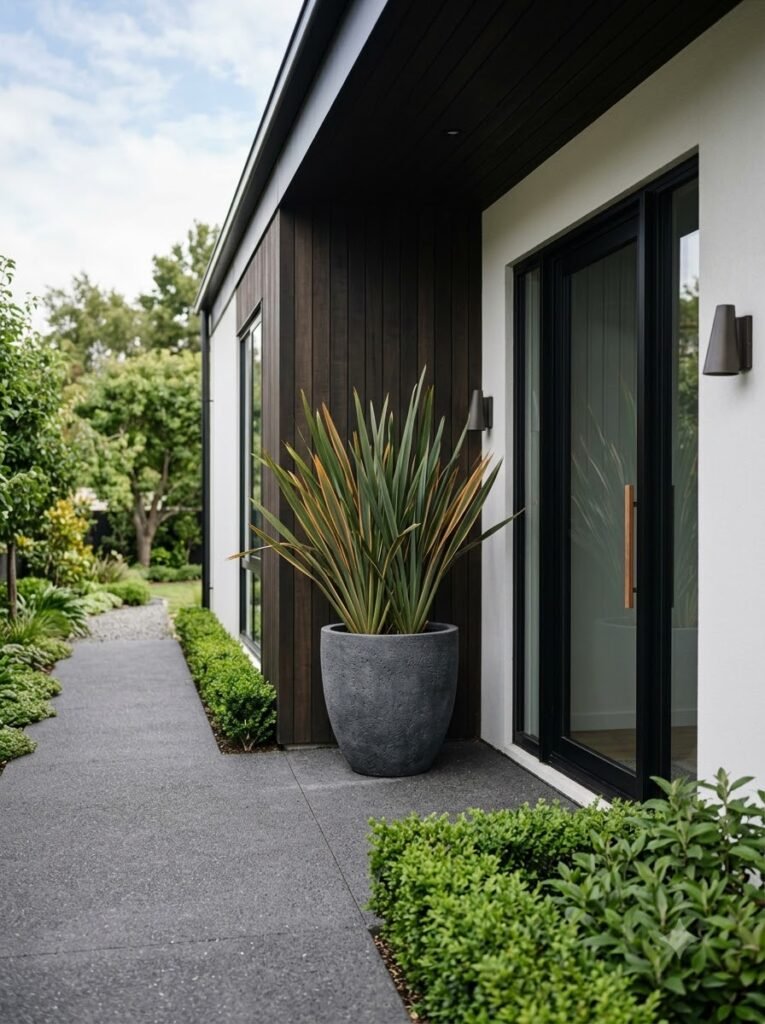
You don’t always need a pair.
If the driveway is narrow, or the architecture is already visually busy, one large statement planter can work beautifully.
Choose a container with some presence and fill it with a plant that has an interesting shape. A tall ornamental grass, sculptural succulent, or small tree can become a focal point without making the entrance feel cluttered.
This is also a good option for renters because a container can move with you.
23. Mix Planters With Existing Landscaping
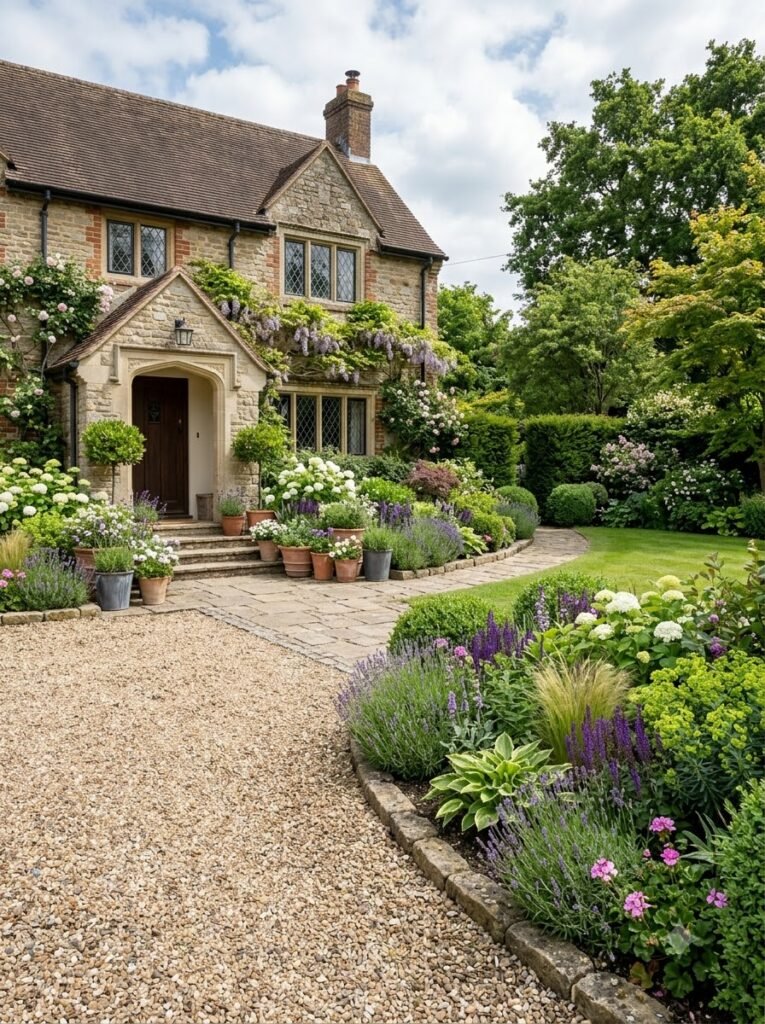
Finally, don’t feel like your driveway needs its own completely separate garden.
If you already have flower beds, trees, hedges, or lawn around the front of the house, connect the driveway planting to what is already there.
For example, repeat one plant from your front garden in a pair of driveway pots. Or use the same stone edging around both areas.
That little bit of repetition makes the whole property feel more cohesive.
A Few Things I Would Think About Before Planting
A beautiful driveway planter can become a nuisance surprisingly quickly if it isn’t planned around everyday life.
Before buying anything, I would check a few practical details.
Leave Enough Room for Cars
This sounds obvious, but it’s easy to get carried away.
Measure the driveway and think about how wide your car doors open. Plants should not scrape vehicles or force people to squeeze between a car and a planter.
Think About Mature Plant Size
Don’t choose a plant based only on how small it looks at the garden center.
Check its mature height and spread. That cute little shrub can become enormous in a few years.
Check Drainage
Water sitting around plant roots is a common reason containers fail.
Make sure pots have drainage holes and use an appropriate potting mix. If you’re building a permanent planter, think about drainage before filling it with soil.
Consider Sun and Heat
Driveways can get surprisingly hot, especially where concrete or paving reflects sunlight.
A plant that thrives in a sheltered garden bed may struggle beside a sun-baked driveway.
Don’t Forget Maintenance
This is probably the biggest lesson I’ve learned.
I love the idea of a lush, overflowing driveway garden, but I also know how quickly I get tired of constant pruning. If you’re similar, choose plants that fit the amount of maintenance you’re genuinely willing to do.
How I Would Approach a Driveway Makeover on a Budget
If I were starting from scratch and didn’t want to spend much, I’d resist the temptation to buy everything at once.
I’d begin with two substantial containers. Even inexpensive pots can look good when they’re large enough and planted thoughtfully.
Then I’d add one or two of these:
- Solar path lights
- A small gravel area
- Mulch around existing plants
- A simple low-growing border
- Fresh paint on an old planter
- A few inexpensive seasonal flowers
Sometimes the driveway doesn’t need a complete makeover. It just needs a little framing.
And honestly, that’s what I like most about driveway planters. They can be as elaborate or as simple as you want.
Final Thoughts
A driveway is one of the first things I notice when I arrive at a home now. Not because it has to be perfect, but because a few plants can completely change how the entrance feels.
For me, the best driveway planter ideas aren’t necessarily the most expensive ones. They’re the ones that suit the house, leave enough room for everyday life, and don’t require more maintenance than I’m willing to give.
Maybe that’s two big terracotta pots overflowing with greenery. Maybe it’s a narrow bed of native plants along the edge. Or perhaps it’s one slightly oversized planter beside the garage that gives the whole entrance a focal point.
I’d start small, pay attention to the light and space you actually have, and let the plants do most of the work. A little greenery beside the driveway can go a surprisingly long way toward making the whole front of a home feel warmer, more welcoming, and much more like your own.