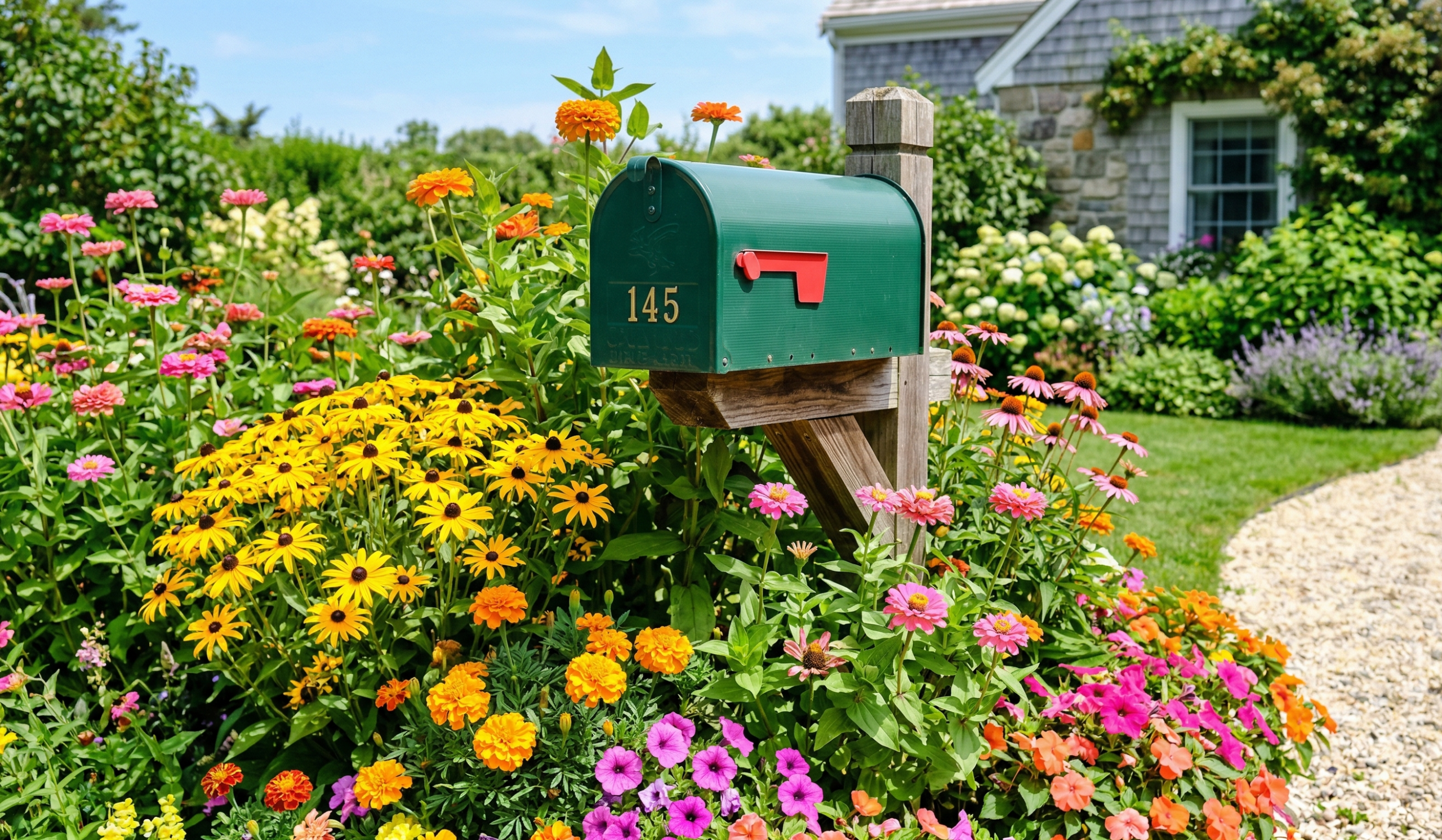
I used to completely ignore the space around my mailbox.
It was just… there. A lonely post stuck in a patch of dry soil that baked in the sun all day. Every time I pulled into the driveway, I’d notice it — not in a good way — more like, why does this part of my yard look so forgotten?
And the thing is, I tried fixing it once. I planted a few flowers I liked (big mistake), didn’t think about the harsh sunlight, and within a couple of weeks… they looked like they had given up on life.
That’s when I realized: mailbox landscaping in full sun is its own challenge. You can’t just plant anything and hope for the best. You need tough, low-maintenance plants that still look good even when the sun is relentless.
So over time (and a bit of trial and error), I found some ideas that actually work — and don’t turn into a daily chore.
If you’re staring at your mailbox area wondering what to do with it, here are some ideas that might help.
Why Mailbox Landscaping Is Trickier Than It Looks
Before I jump into ideas, this is something I wish I understood earlier.
That little patch around your mailbox?
It usually has:
- Full, direct sunlight all day
- Dry, compact soil
- Very little shade or protection
- Occasional foot traffic or heat from the road
So whatever you plant there needs to be:
- Drought-tolerant
- Sun-loving
- Low maintenance (because let’s be honest, no one wants to babysit their mailbox plants)
Once I accepted that, everything got easier.
1. Go Simple with Gravel + Succulents
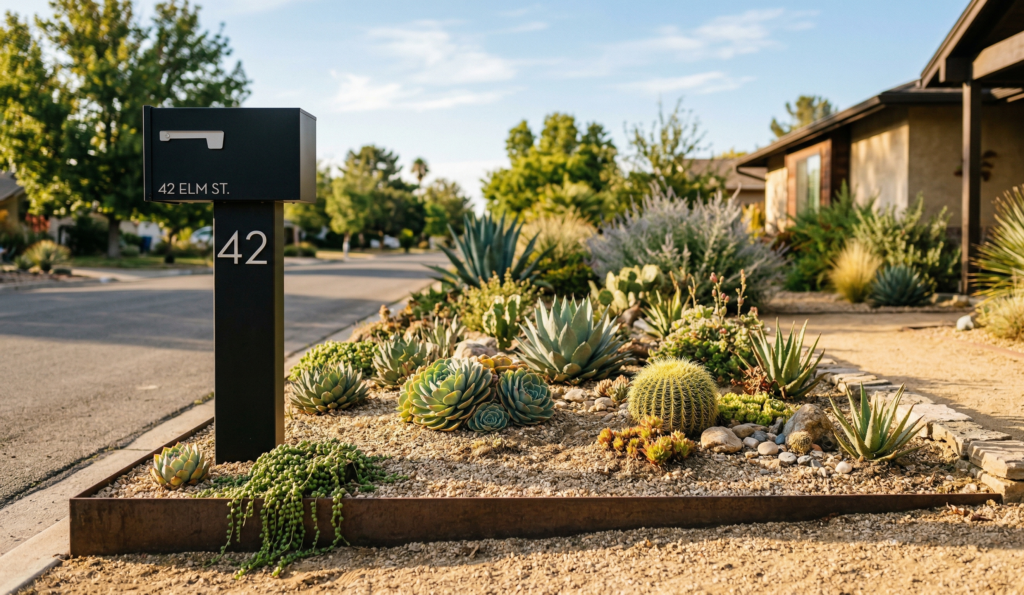
This was honestly one of the first things that worked for me.
Instead of fighting the dry soil, I leaned into it.
I added a layer of gravel and tucked in a few hardy succulents. The result felt clean, modern, and—most importantly—low effort.
Why it works:
- Succulents thrive in full sun
- Gravel reduces weeds
- It always looks neat, even when you forget about it
2. Create a Mini Flower Bed Border
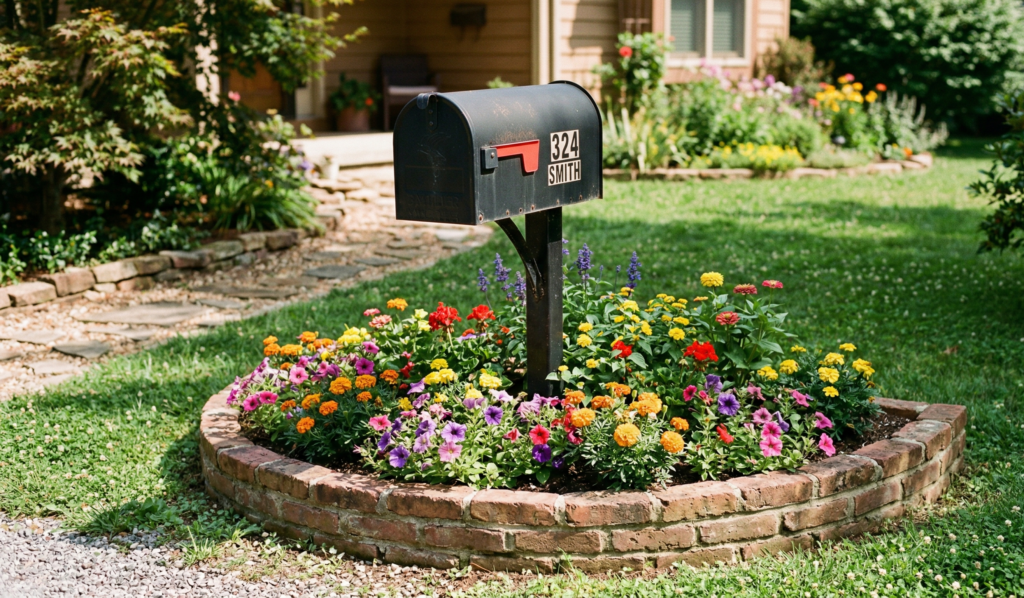
At one point, I outlined my mailbox with a small curved border using bricks.
Nothing fancy. Slightly uneven, actually. But it added structure.
Inside, I planted sun-tolerant flowers, and suddenly the whole area looked intentional.
Tip from experience:
- Keep the border small so it doesn’t feel overwhelming
- Curved edges look softer than straight lines
3. Use Ornamental Grasses for Movement
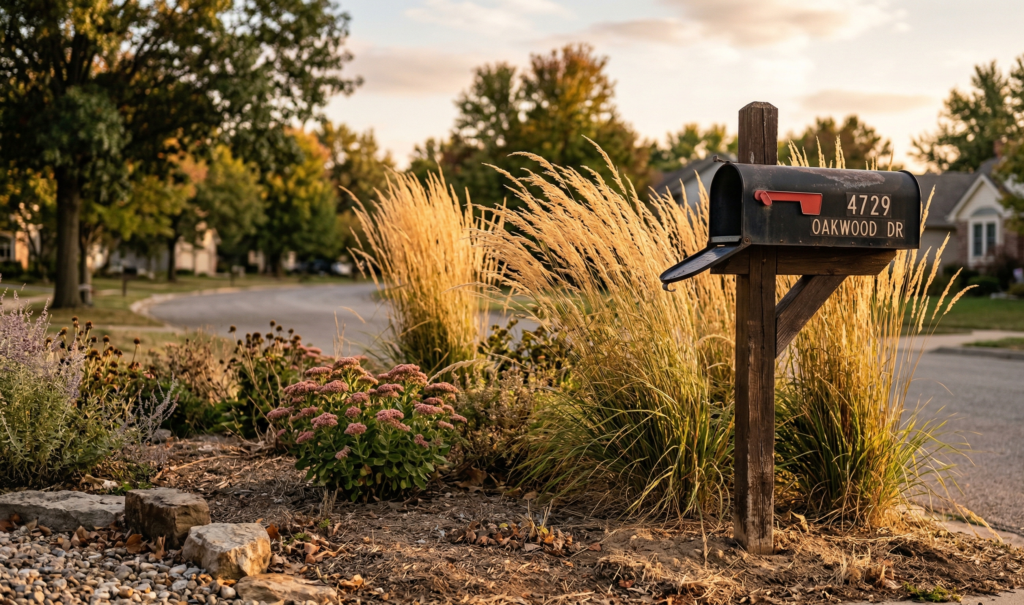
This is one of those things I didn’t expect to love as much as I do.
Ornamental grasses sway in the wind, catch the light, and somehow make the space feel alive—even on really hot, still days.
What I like about them:
- They’re incredibly hardy
- They don’t need constant watering
- They add texture without trying too hard
4. Try a Wildflower Look (But Controlled)
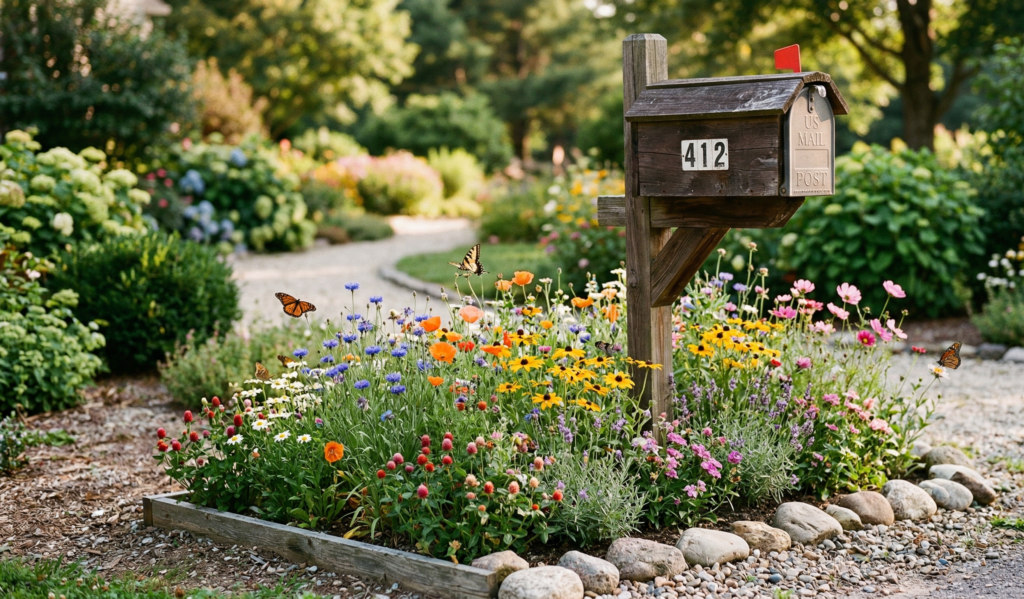
I once tried a full wildflower patch… and let’s just say it got a little out of hand.
But a controlled version? That works beautifully.
Pick a small mix of sun-loving wildflowers and keep them contained within a defined space.
What makes it work:
- Feels natural and effortless
- Brings color without strict planning
- Attracts butterflies (which is always a bonus)
5. Add Mulch for a Clean, Finished Look
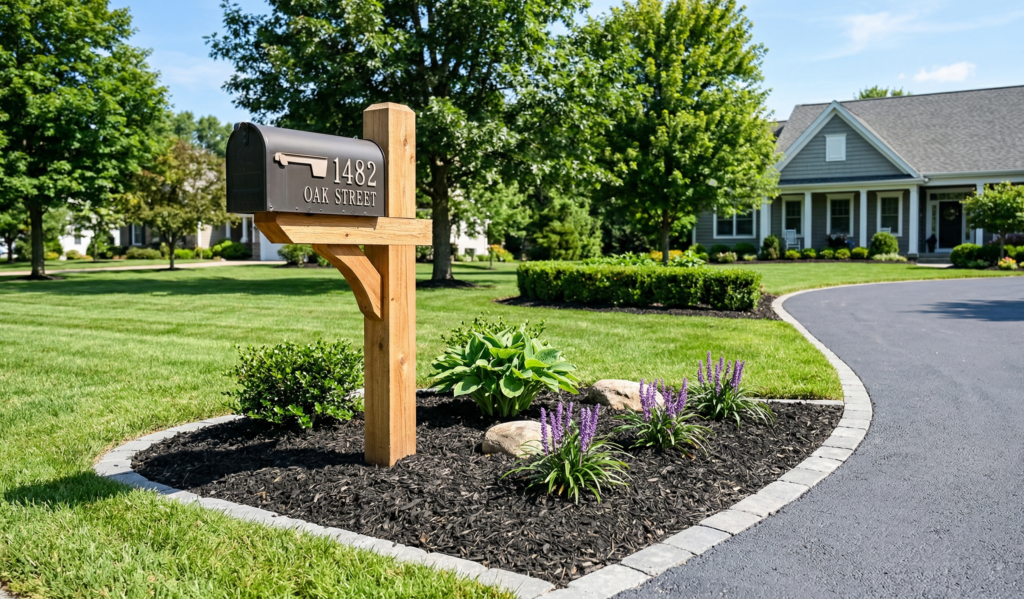
This might sound basic, but mulch made a huge difference for me.
Before, everything looked patchy and dry. After mulch? Instantly more polished.
Why I always recommend it:
- Keeps moisture in the soil
- Reduces weeds
- Makes even simple plants look more put together
6. Plant Tough Perennials That Come Back Every Year
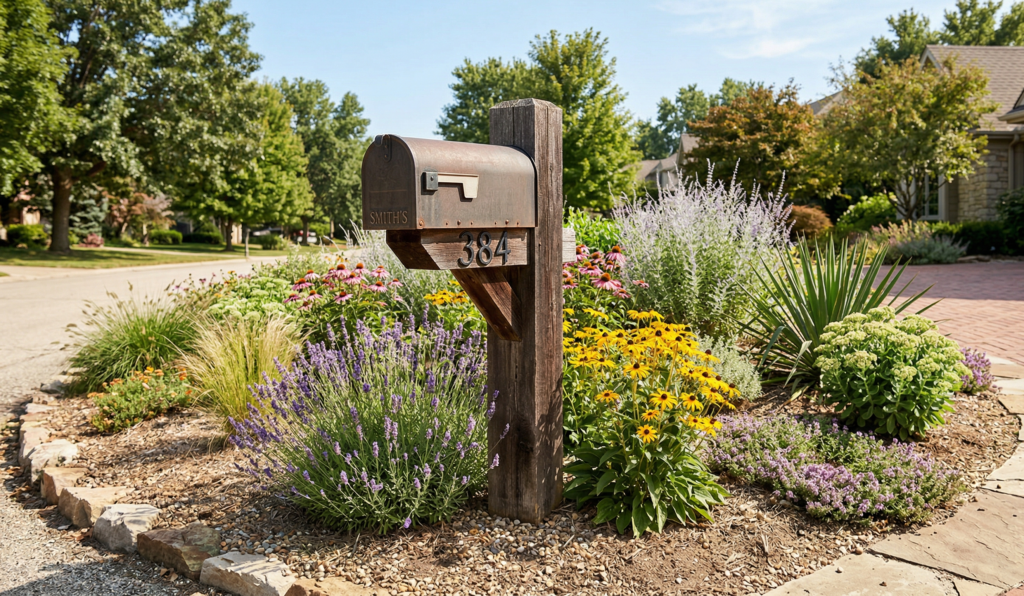
This is where I stopped making my biggest mistake: replanting every season.
Now I lean toward perennials that can handle the heat and come back on their own.
Some characteristics to look for:
- Heat-resistant
- Drought-tolerant
- Low maintenance
It saves time, money, and honestly… a lot of frustration.
7. Use Rocks for a Natural, Low-Effort Design
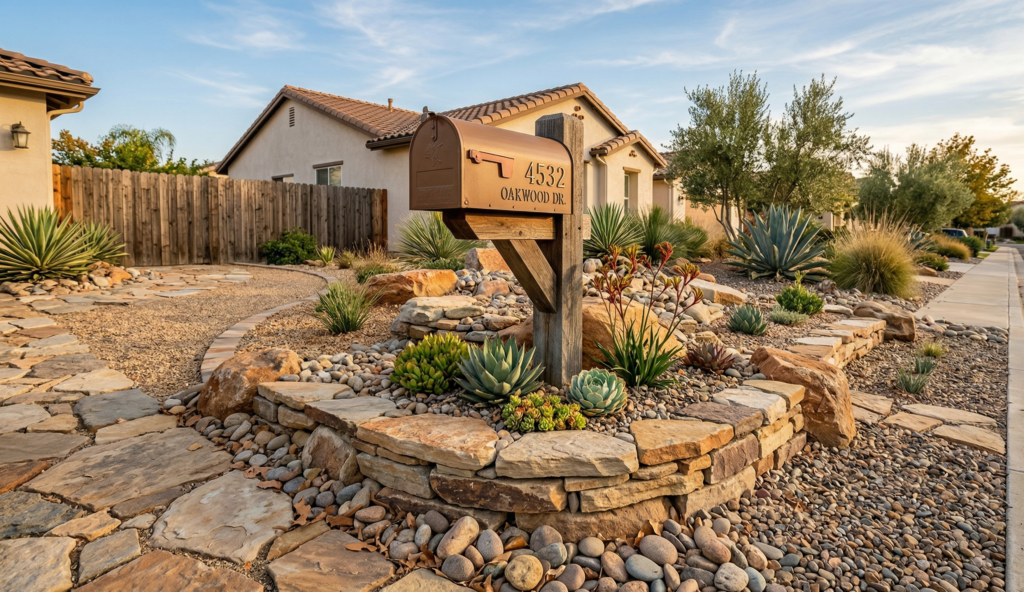
There was a point where I just didn’t want to deal with plants at all.
So I tried a rock-based design. Different sizes, slightly layered, with just a few plants in between.
It ended up looking surprisingly good.
Why it works:
- Almost zero maintenance
- Handles heat perfectly
- Adds a natural, grounded feel
8. Add a Pop of Color with Bright, Sun-Loving Flowers
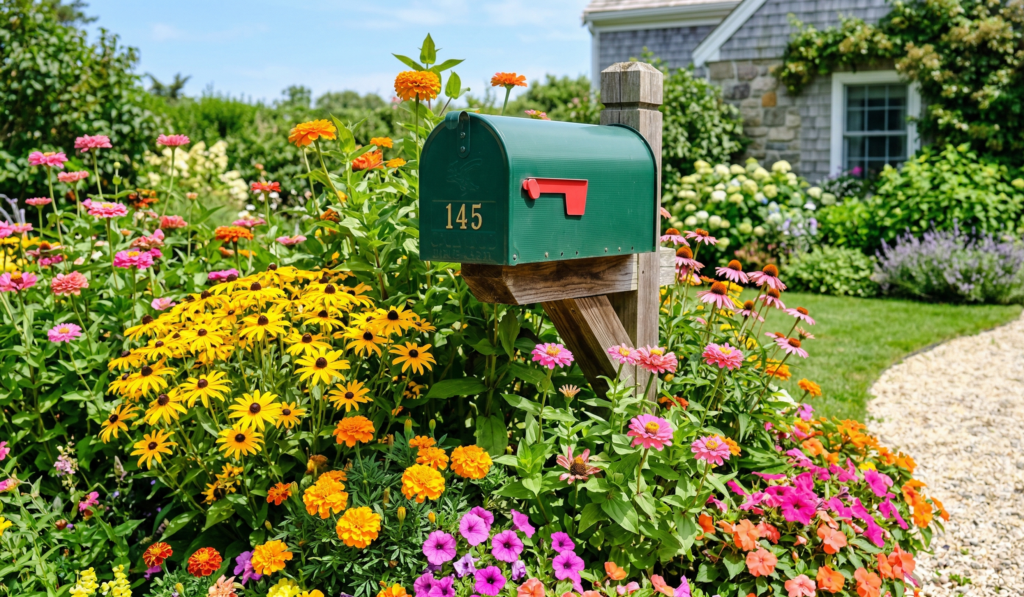
Sometimes you just want something cheerful.
I experimented with bold-colored flowers, and while some failed, the ones that survived really stood out.
My takeaway:
- Stick to flowers known for handling full sun
- Don’t overcrowd them
- Let a few strong plants shine instead of many struggling ones
9. Create a Layered Look (Short + Medium + Tall)
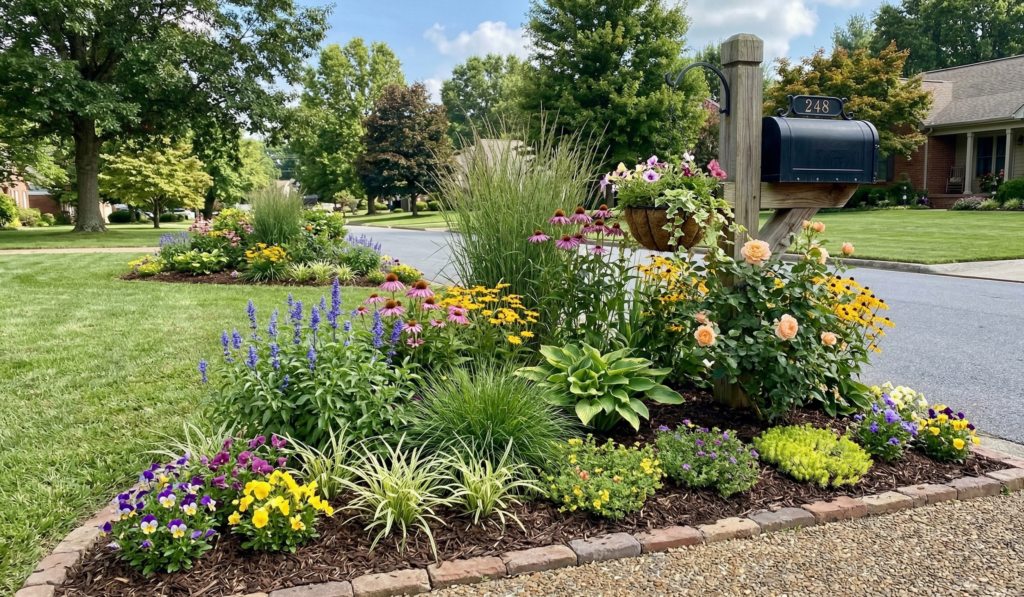
This was a bit of a learning curve for me.
At first, I planted everything at the same height… and it looked flat.
Then I tried layering:
- Short plants in front
- Medium in the middle
- Taller ones near the mailbox post
And suddenly, it looked like something out of a magazine (well, almost).
10. Add Solar Lights for Evenings
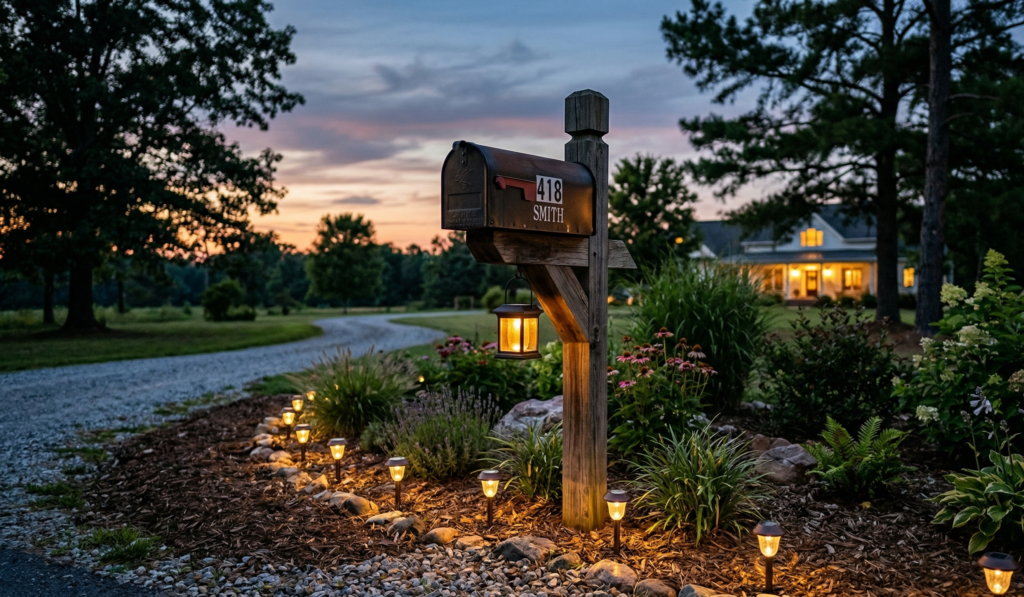
This isn’t about plants, but it changed the vibe completely.
A couple of small solar lights around the mailbox made it feel warm and welcoming at night.
Why I love this idea:
- No wiring needed
- Very budget-friendly
- Makes the space stand out after sunset
11. Try a Rustic Look with Wood + Plants
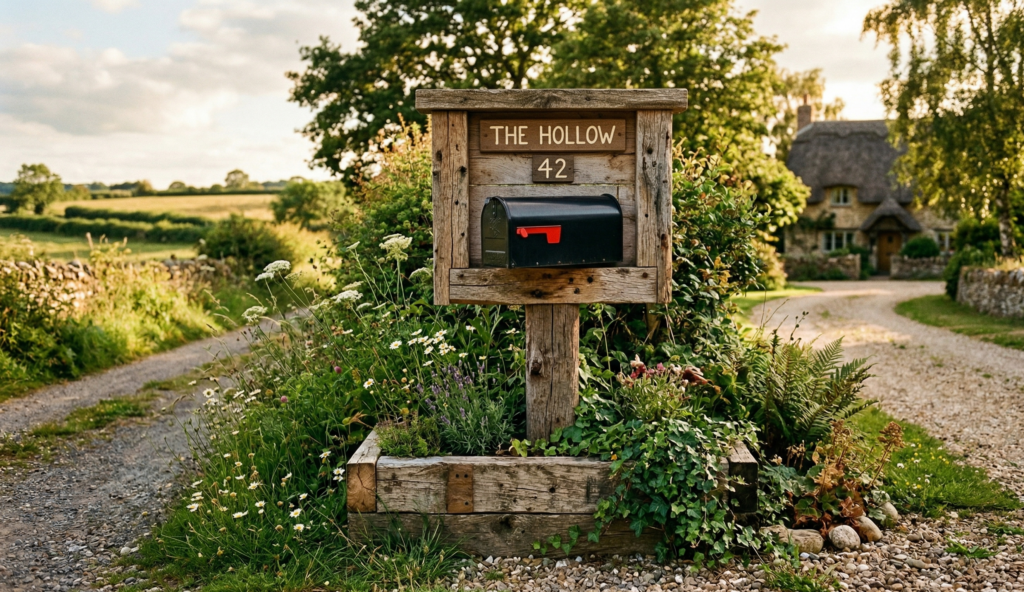
I once added a small wooden frame around the base of my mailbox.
Paired it with simple greenery.
It gave off this slightly rustic, cozy feel that I didn’t expect—but really liked.
12. Keep It Minimal (Less Really Is More Here)
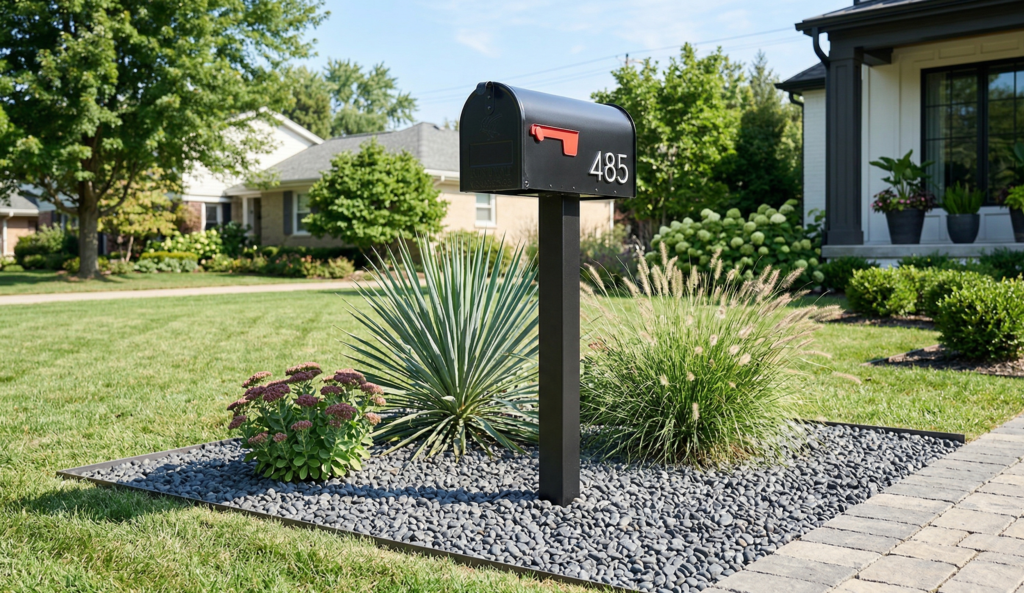
One of my biggest lessons?
You don’t need a lot.
In fact, some of the best-looking mailbox setups I’ve seen are incredibly simple:
- A few well-chosen plants
- Clean edges
- Maybe some mulch or gravel
That’s it.
13. Use Ground Cover Plants to Fill Space
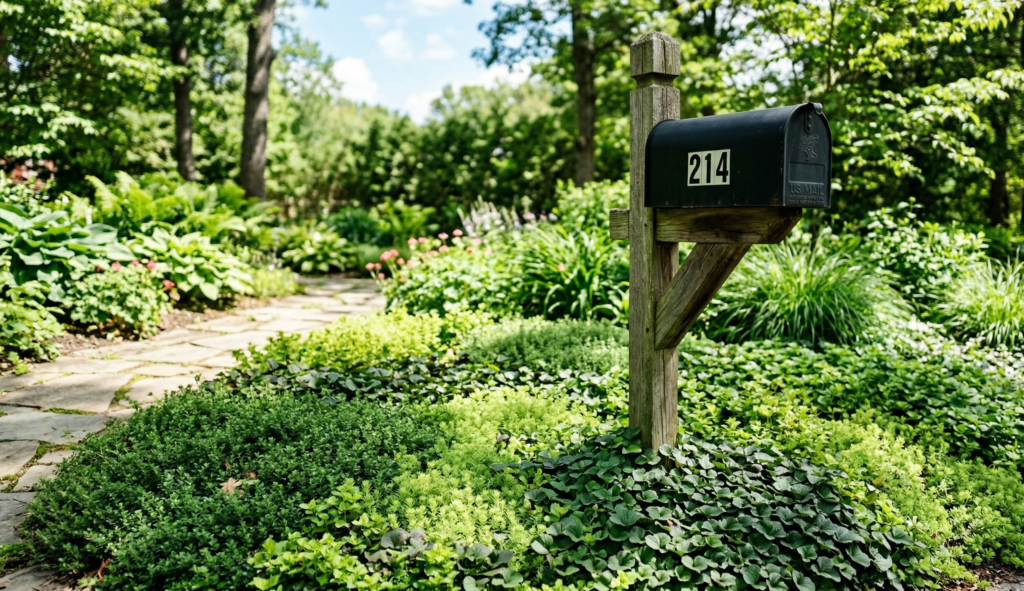
I used to leave gaps in the soil, thinking I’d “figure it out later.”
Spoiler: I never did.
Ground cover plants solved that problem.
Why they’re useful:
- Spread naturally
- Reduce empty patches
- Help keep weeds down
14. Add a Personal Touch (But Keep It Subtle)
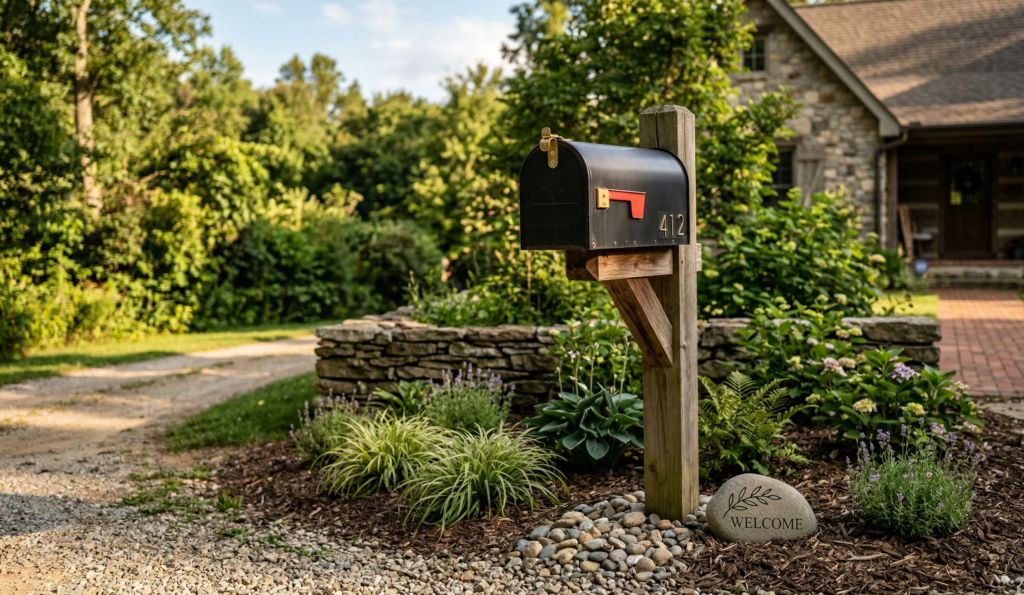
I once thought about going all out with decorations… and I’m glad I didn’t.
Instead, I added one small personal touch—a simple decorative element—and left it at that.
It made the space feel like mine without looking cluttered.
15. Design It Once… Then Let It Be Easy
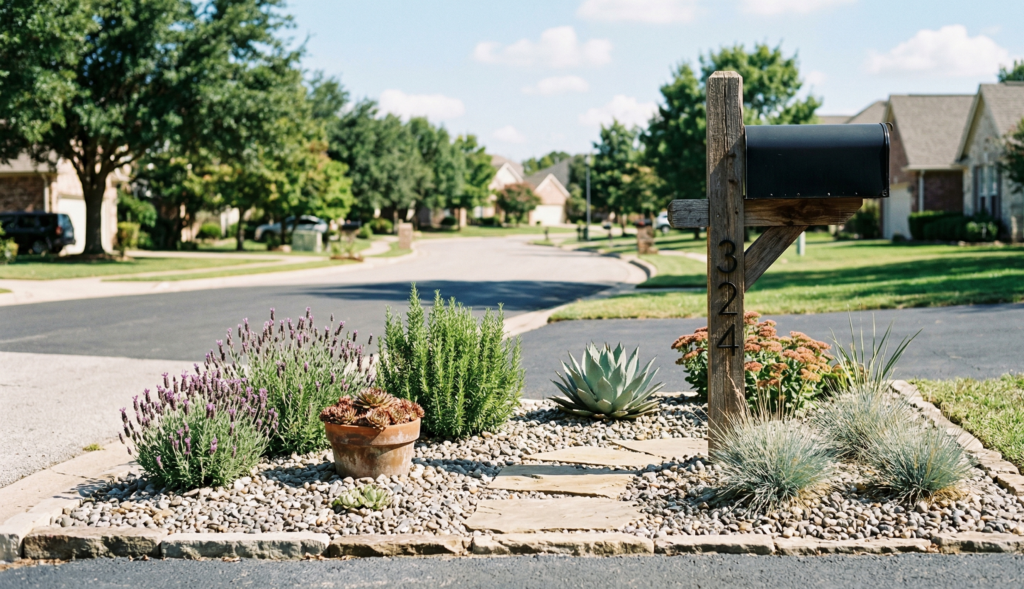
This might be the most important idea of all.
After experimenting (and failing a few times), I realized the goal isn’t to create something that needs constant attention.
It’s the opposite.
You want something that:
- Survives the sun
- Looks good most of the time
- Doesn’t stress you out
Because realistically, you’re not going to spend hours maintaining your mailbox area every week.
And that’s okay.
A Few Things I Wish I Knew Earlier
Just to save you some of the mistakes I made:
- Don’t plant shade-loving flowers (they won’t survive long)
- Don’t overcrowd the space
- Don’t expect high-maintenance plants to thrive here
- Start small—you can always add more later
Final Thoughts
It’s funny how such a small space can make a difference.
I didn’t think much about my mailbox before. But once I started paying attention to it, it slowly became one of those little details that made my home feel more… complete.
Not perfect. Not fancy. Just cared for.
And honestly, that’s enough.
If you’re thinking about fixing up your mailbox area, you don’t need to overcomplicate it. Pick one or two ideas, keep it simple, and choose plants that can handle the sun without constant attention.
You’ll figure out what works for your space along the way—just like I did.