It started with a space I kept ignoring…
I didn’t hate my backyard. That would’ve been easier, honestly.
It was just… there.
A little patchy grass, a couple of mismatched pots, and this awkward corner that somehow collected everything I didn’t know where to put. Every time I stepped outside, I’d think, I should do something with this, and then immediately go back in.
One evening, though, I stayed out a bit longer than usual. The light was soft, the air felt nicer, and for a second I could actually picture what the space could be. Not fancy, not overdesigned… just intentional.
That’s where it started.
And if you’re standing in your own backyard thinking something similar — not bad, but not right either — these ideas might help you shape it into something that feels a little more… finished.
Raised Garden Beds That Instantly Add Structure
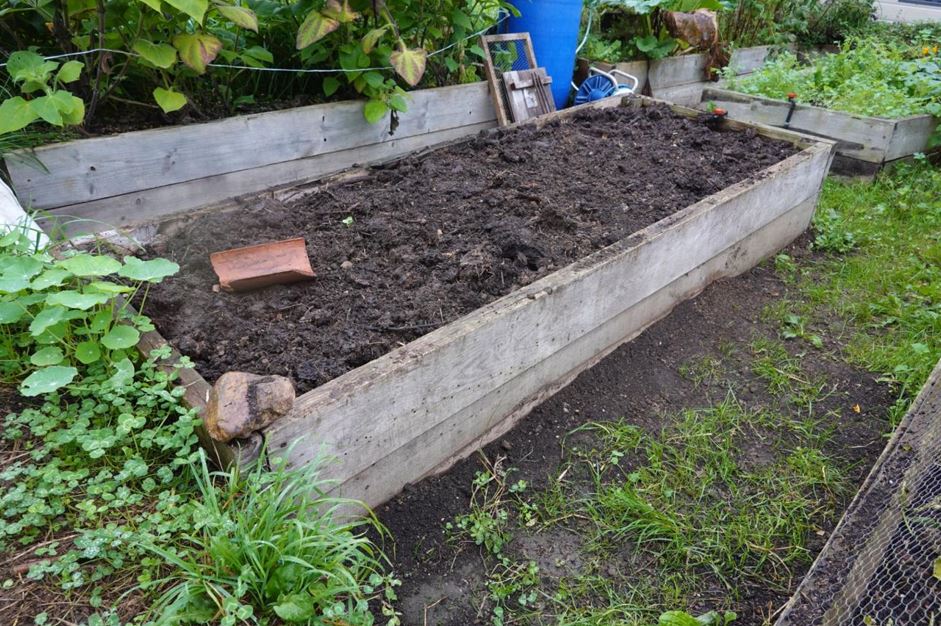
I think the first real change I made was adding raised garden beds. Not because I’m a great gardener (I’m not), but because the space needed structure.
Flat ground can feel messy really fast. Raised beds somehow fix that.
Why they make a backyard look more expensive
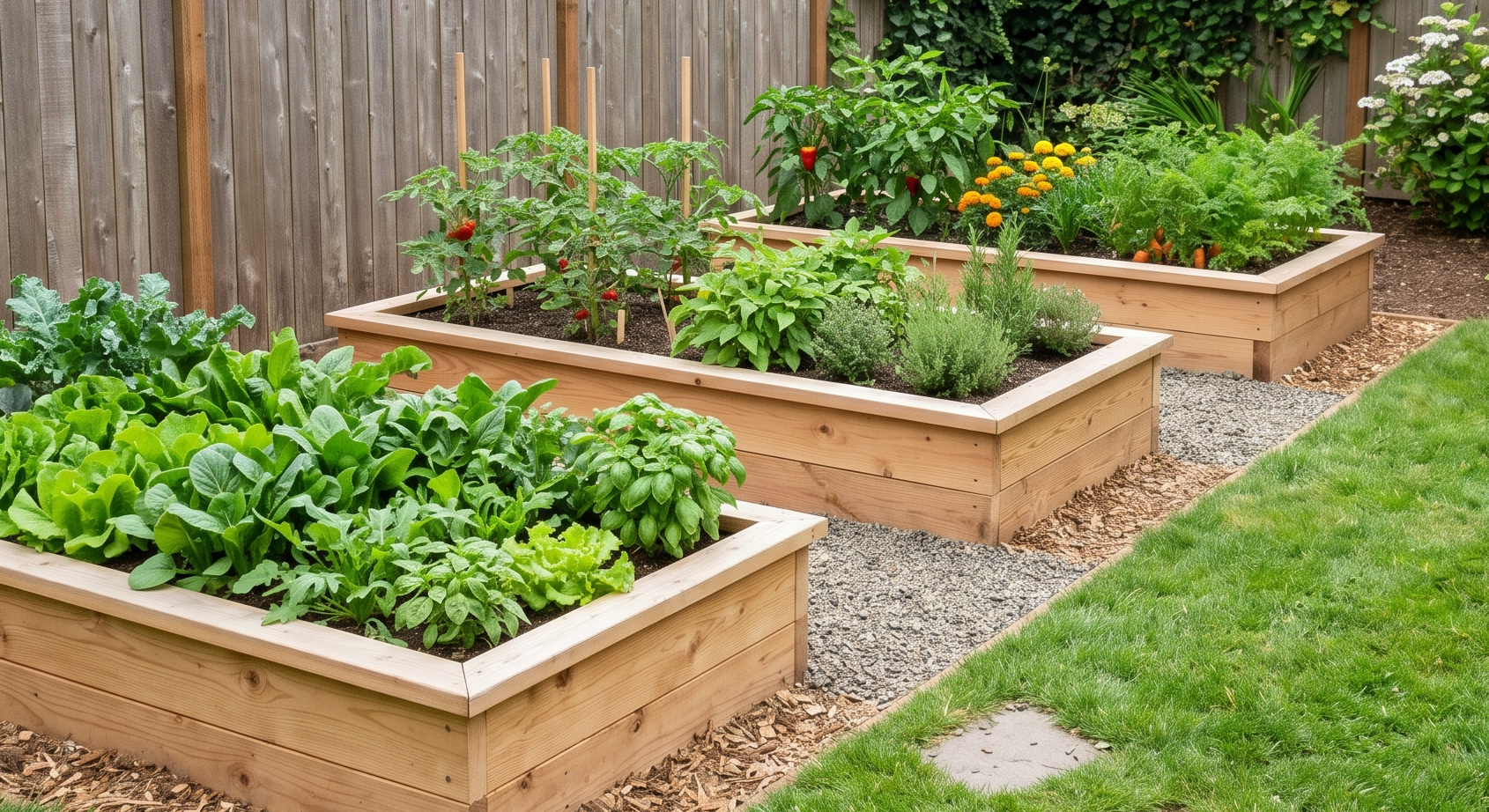
It’s not about the plants, surprisingly. It’s about the clean lines.
- They divide space in a way that feels planned
- They create height variation (which makes everything feel layered)
- Even simple wood looks intentional when it’s framed properly
I remember stepping back after building my first one — slightly crooked, not perfect — and still thinking, okay… this already looks better.
What worked for me (and what didn’t)
I tried a few approaches, some better than others:
- Simple rectangular wooden beds
→ Easiest to build, and honestly still my favorite - Painting vs. natural wood
→ I thought I’d paint them white… didn’t. Natural wood aged better - Spacing matters more than size
→ I crammed too many at first. Leaving breathing room made a huge difference
Budget-friendly tip
If you’re trying to keep costs low:
- Use reclaimed wood or pallets
- Stick to one consistent shape
- Keep heights uniform (this oddly makes it look more “designed”)
You don’t need a full garden. Even 2–3 raised beds can completely shift how the space feels.
Pergolas That Turn “Backyard” Into “Outdoor Room”
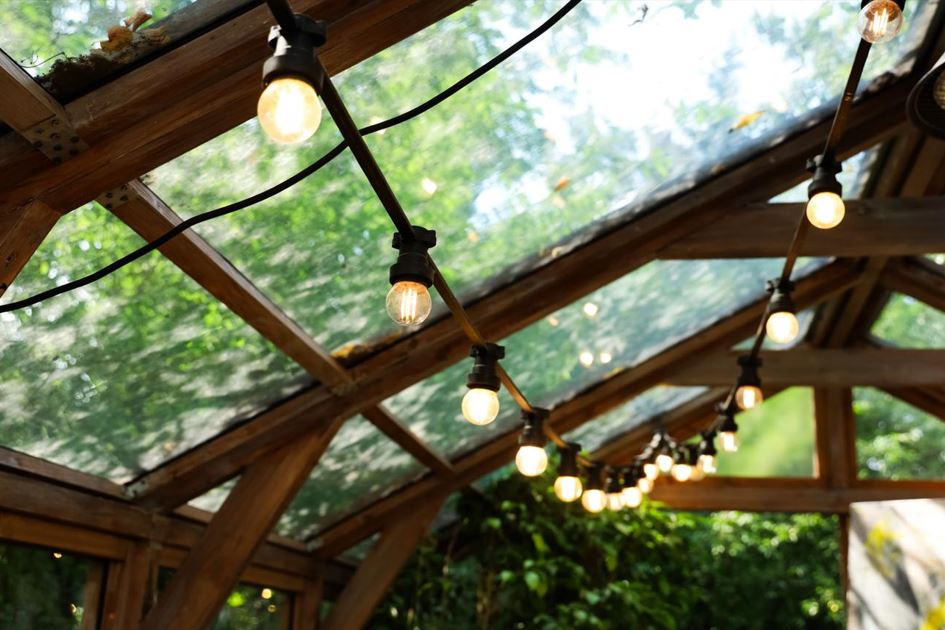
I hesitated for a long time before adding a pergola. It felt… extra. Like something only big yards deserved.
I was wrong.
Even a small pergola can completely change the mood of a backyard.
The shift is subtle, but powerful
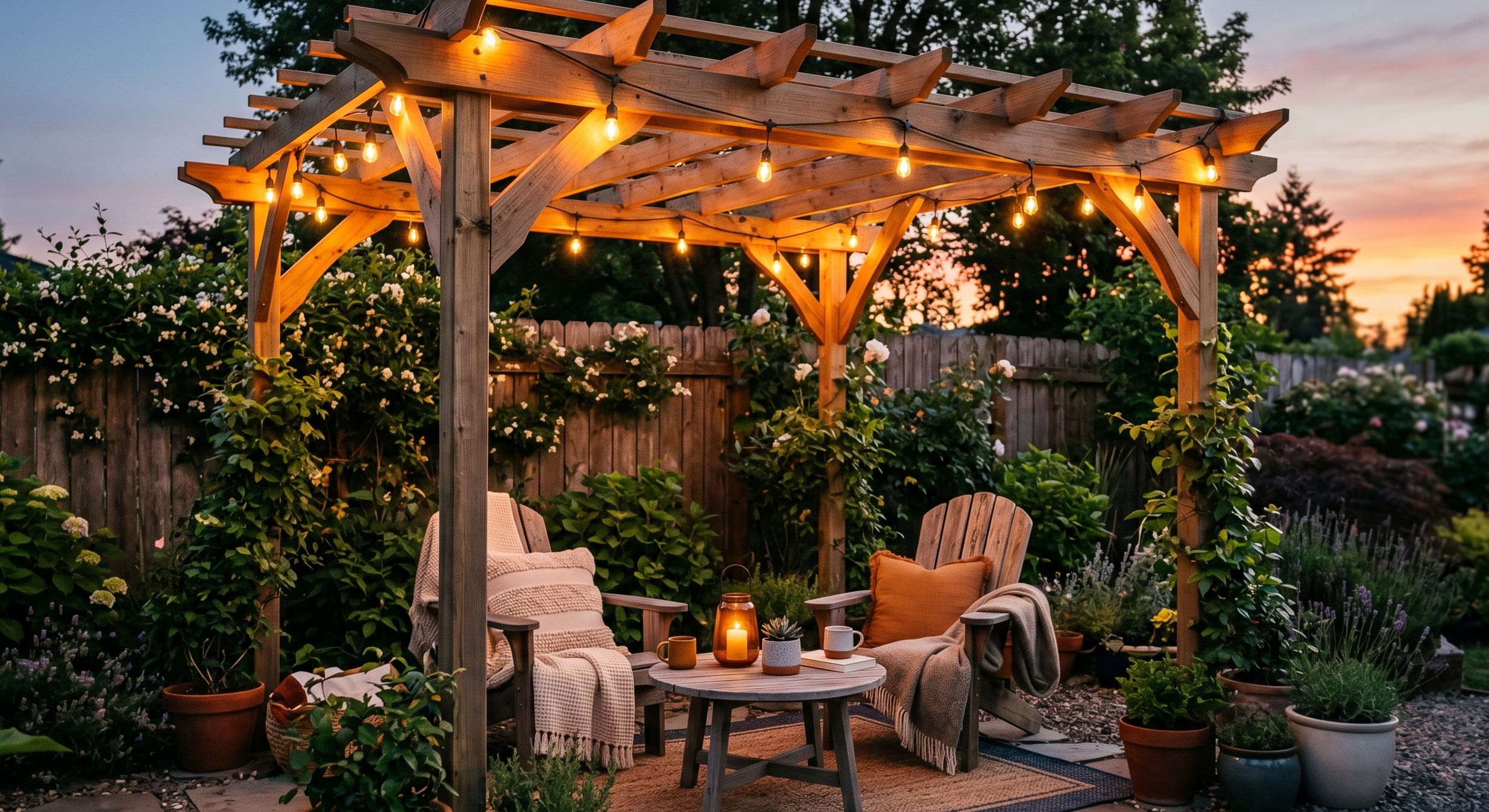
Before: open space, kind of undefined
After: a place — somewhere you’d actually sit
That’s the difference.
What makes a pergola feel expensive (even if it’s not)
From what I noticed, it’s less about materials and more about how it’s styled:
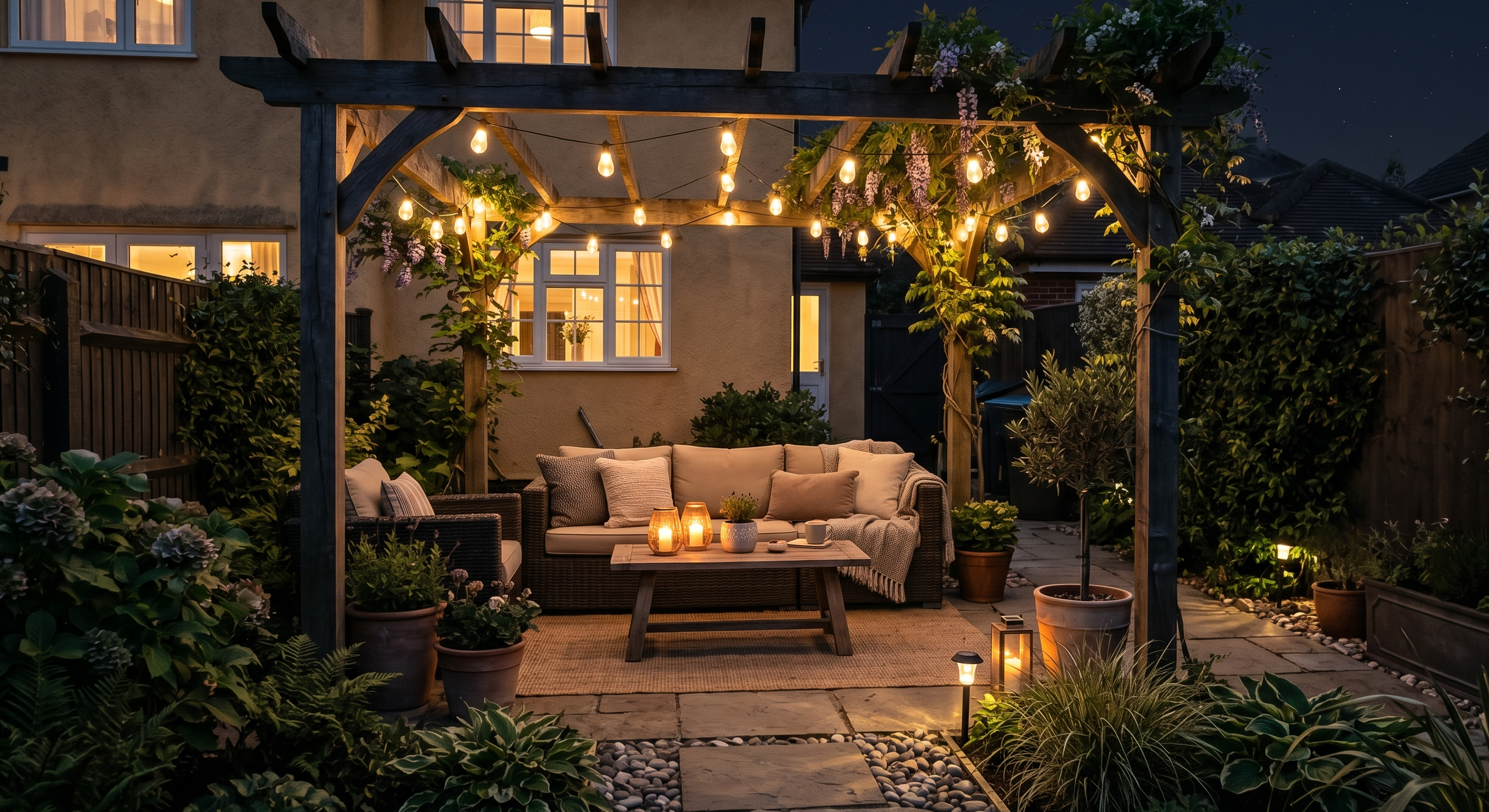
- Defined seating underneath
→ Even just two chairs and a small table - Soft lighting
→ String lights instantly elevate everything - Fabric or curtains
→ Adds movement and softness
I added simple warm lights one evening, turned them on just before sunset… and yeah, that’s when it finally felt like a space I wanted to stay in.
If you’re working with a tight budget
You don’t need a massive structure.
Try:
- A minimal wood frame pergola
- Or even a metal frame with climbing plants
- Use bamboo or treated wood for a cheaper alternative
And honestly? Even a partial pergola — like just over a seating corner — works.
It doesn’t have to cover everything. It just needs to create a moment.
Stair Designs That Add Depth (Even in Flat Yards)
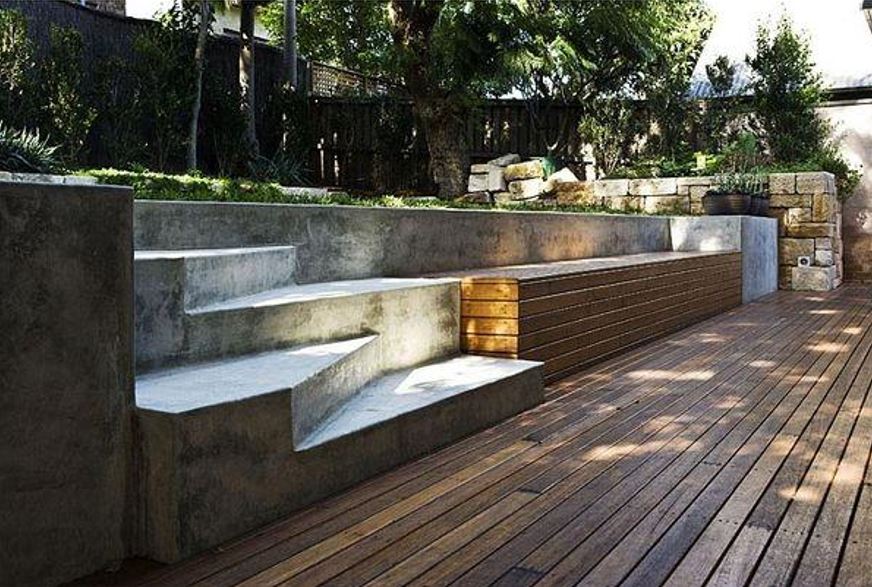
This one surprised me the most.
I always thought stairs were only for sloped yards. Turns out… you can fake it.
Why stairs change everything
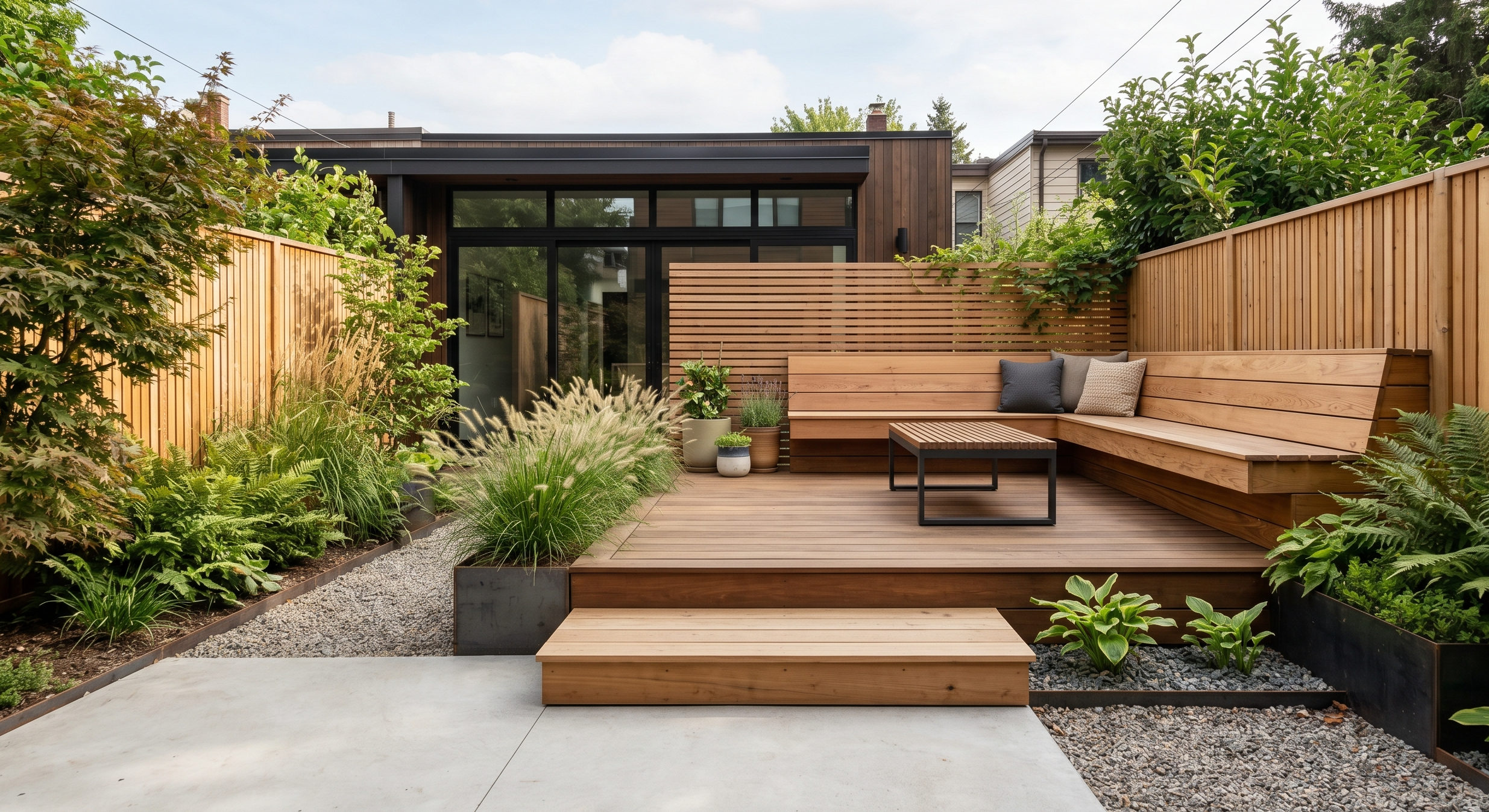
Even a single step — literally one — can:
- Break visual flatness
- Create zones (garden vs seating, for example)
- Make the space feel layered and designed
I added a small step leading up to my seating area, and somehow the whole backyard felt more intentional.
Hard to explain, but you notice it immediately.
Easy ways to incorporate steps
You don’t need a full elevation change. Try:
- A raised deck corner with 1–2 steps
- Stone slab steps leading to a feature area
- Wooden platform edges that subtly lift a space
A few things I learned the hard way
- Uneven steps = frustrating (measure twice… seriously)
- Wider steps look more modern than narrow ones
- Mixing materials can work, but keep it simple
If you’re unsure, start small. One step. One level change.
You’ll see what I mean.
Bringing It All Together (Without Overdoing It)
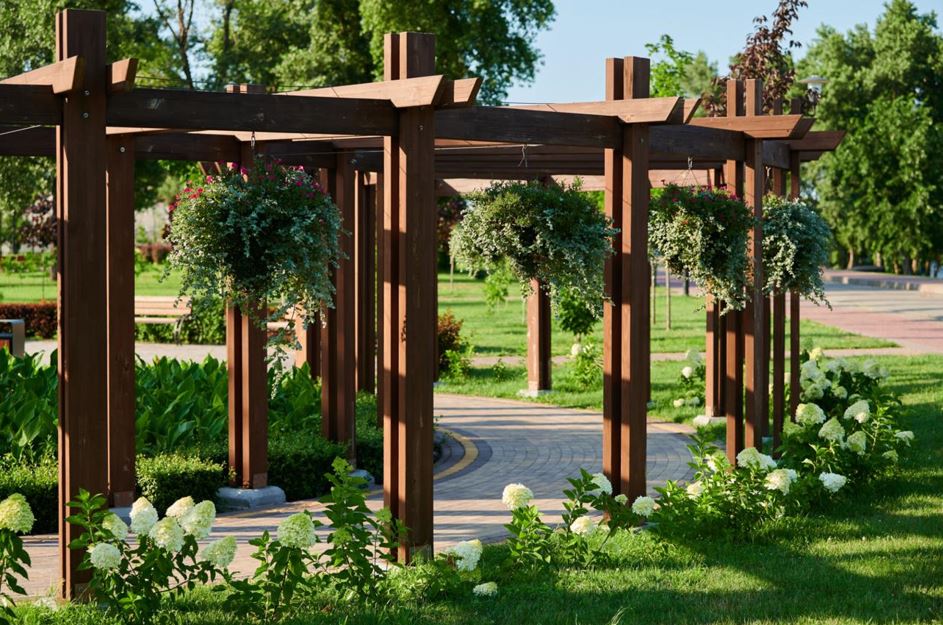
This is where I messed up at first.
I tried to do everything at once. Raised beds, pergola, lights, furniture… it felt cluttered instead of calm.
So I scaled back.
What actually worked

I started thinking in zones:
- Green zone → raised beds
- Relax zone → pergola seating
- Transition zone → steps or pathways
That’s it.
Once each part had a purpose, everything started to feel more cohesive.
A simple layout idea
If you’re not sure where to start, this is a layout that tends to work in small spaces:
- Raised beds along one side (or back edge)
- Pergola slightly off-center (not in the middle)
- Steps or pathway leading toward it
It doesn’t have to be perfect. Just… intentional.
Small Details That Quietly Elevate Everything
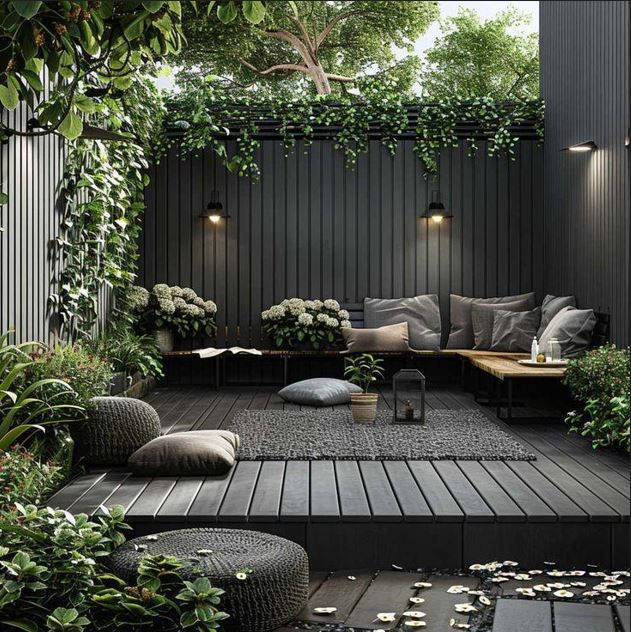
This part matters more than I expected.
It’s not the big structures alone — it’s the little touches that make everything feel finished.
A few things that made a difference for me:
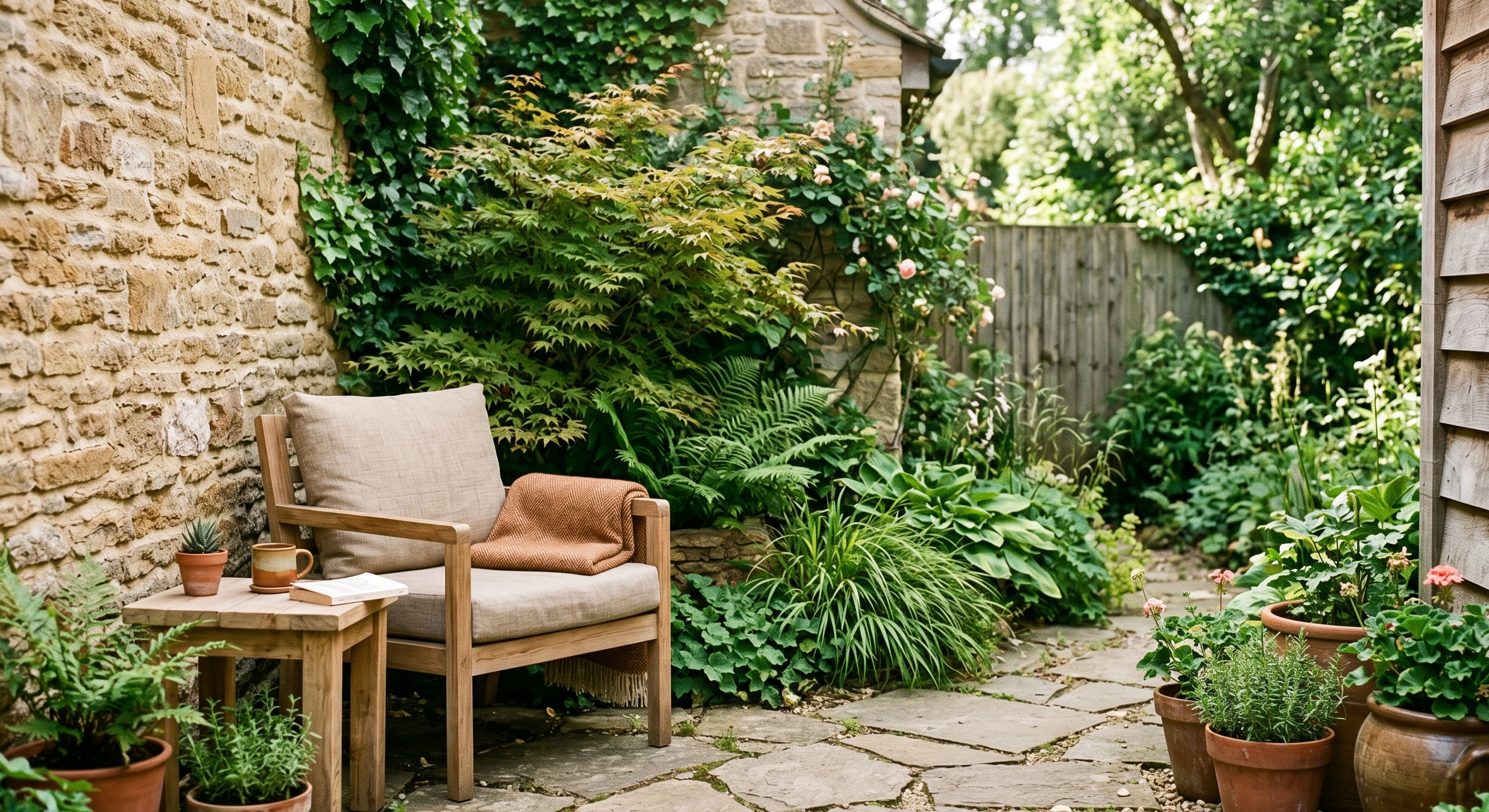
- Consistent color tones
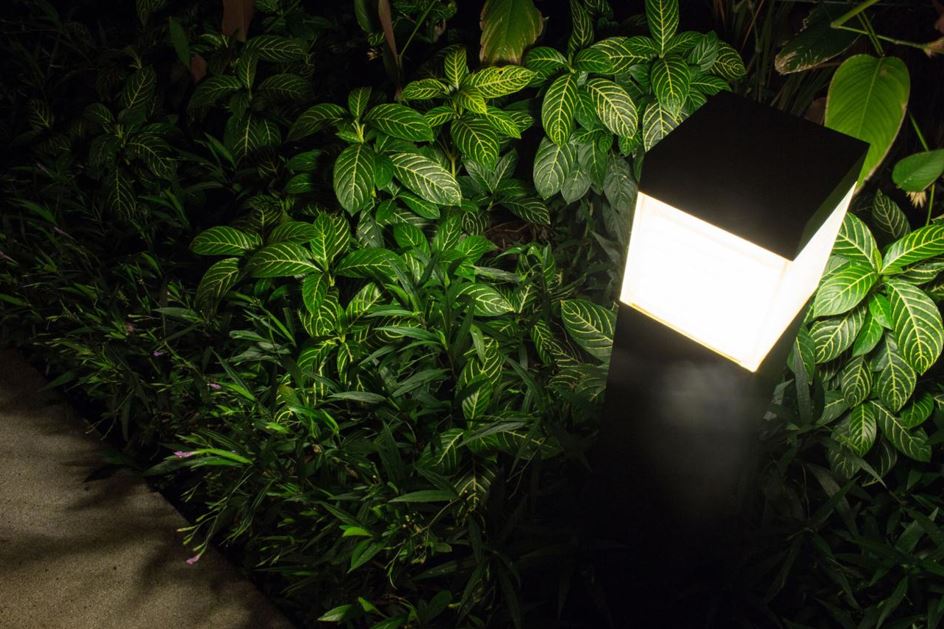
→ I stuck to wood, black, and greenery - Warm lighting instead of bright white
→ Feels softer, more inviting - Fewer, better pieces of furniture
→ Less clutter, more breathing space - Natural textures
→ Wood, stone, plants… they just work together
Also, I stopped trying to fill every empty space.
That was probably the biggest shift.
If You’re Starting From Scratch (or Feeling Stuck)
I get it. It can feel overwhelming.
So if I had to start over again, I’d probably do it in this order:
- Add structure first
→ Raised beds or defined edges - Create one “destination” spot
→ Pergola or seating area - Introduce levels (if possible)
→ Even a single step helps - Layer in lighting and details last
You don’t need to rush it.
Honestly, the space evolves better when you don’t.
A Quiet Kind of Upgrade
The funny thing is… no one walks into my backyard and says, “Wow, this must’ve cost a lot.”
That’s not the reaction.
It’s more like, “This feels really nice.”
And I think that’s the goal.
Not flashy. Not overdone. Just a space that feels considered… and a little more you than it did before.
If you’re working with a small backyard, you don’t need more space.
You just need a few thoughtful changes in the right places.
And maybe a bit of patience.
It comes together, slowly… but it does.