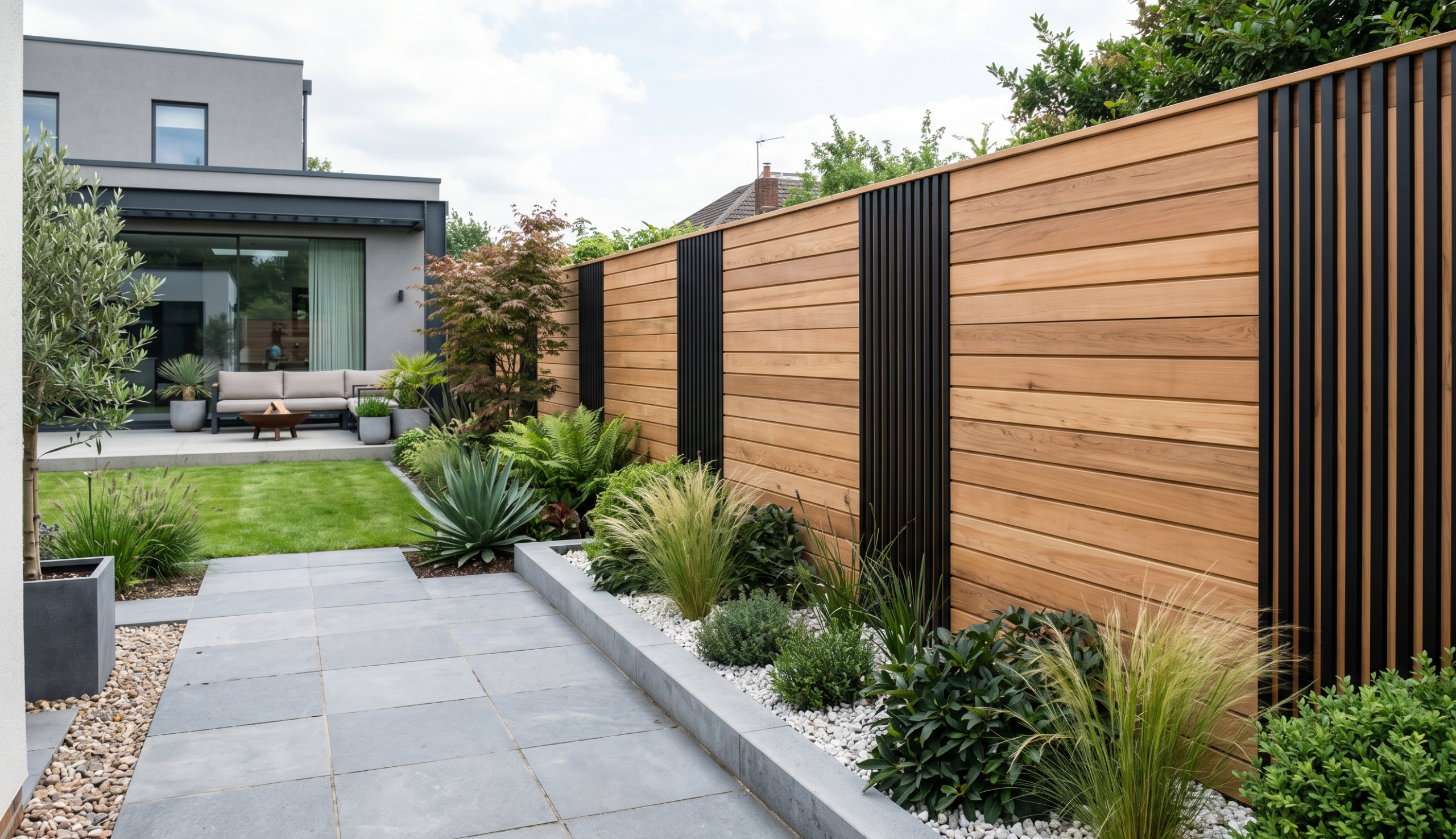
It started with a fence I didn’t even want to fix…
I remember standing in my backyard one late afternoon, just staring at this sad, uneven fence line that honestly felt like it belonged to a completely different house.
It wasn’t broken enough to replace… but it definitely wasn’t nice enough to ignore.
A few panels were leaning. The wood had that dull, grayish tone that comes from too many seasons of sun and rain. And somehow, even though the rest of the yard was slowly coming together, the fence made everything feel unfinished.
At one point, I actually looked up the cost of getting a new fence installed. Big mistake. I closed that tab very quickly.
That’s when I started going down the rabbit hole of DIY fence ideas. Cheap ones. Creative ones. The kind that make you stop and think, wait… that wasn’t expensive?
And after trying a few (and messing up one… maybe two), I realized something: a fence doesn’t have to cost a lot to look like it did.
So if you’re standing in your yard right now, feeling the same way I did, here are some ideas that genuinely work — without draining your budget.
Why cheap fences often look expensive (when done right)
Before getting into the ideas, this is something I didn’t understand at first.
It’s not really about the material.
It’s about:
- Consistency (even spacing, clean lines)
- Color choices (this matters more than you think)
- Finishing touches (caps, plants, lighting)
I’ve seen expensive fences that looked… kind of forgettable. And I’ve seen pallet fences that looked like something out of a design magazine.
The difference? Thoughtfulness.
1. The classic pallet fence (but done properly)
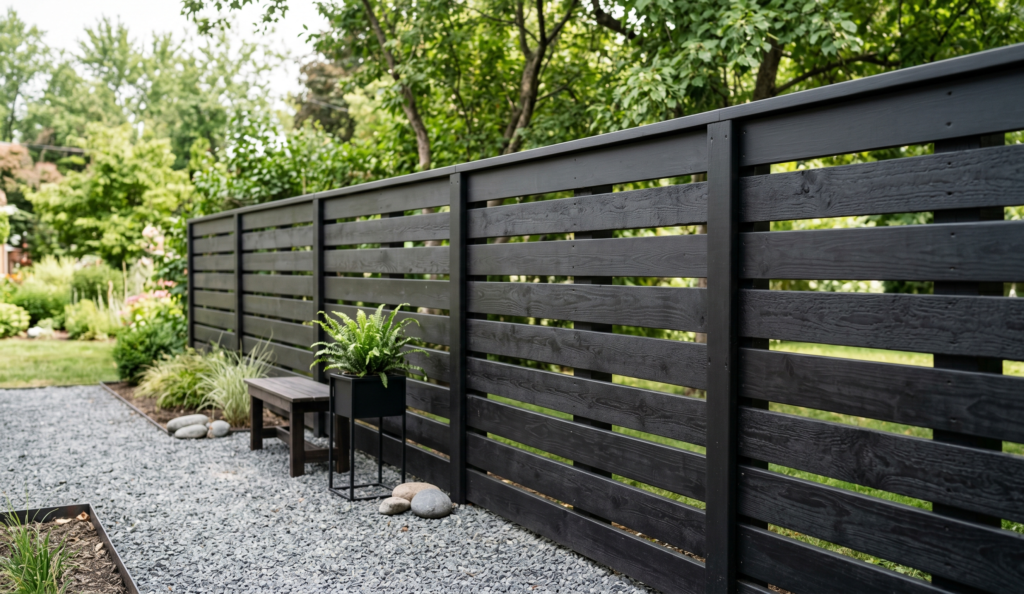
What I learned the hard way
The first time I tried using pallets, I thought I could just line them up and call it a day.
It looked… exactly like what it was. Pallets stuck in the ground.
So I took it apart and started over.
How to make it actually look good
- Choose similar-sized pallets (this alone changes everything)
- Sand them lightly — not perfectly, just enough to soften rough edges
- Stain or paint them in one consistent tone
- Align the tops evenly (don’t skip this part)
Why it works
Pallet wood has natural variation, which gives that slightly rustic, high-end feel — if it’s controlled.
Quick tip
If you want it to look more “designed”:
- Add a horizontal top plank across all pallets
- Paint everything in matte black or deep walnut
That one change made mine look 10x better.
2. Horizontal slat wooden fence (budget version)
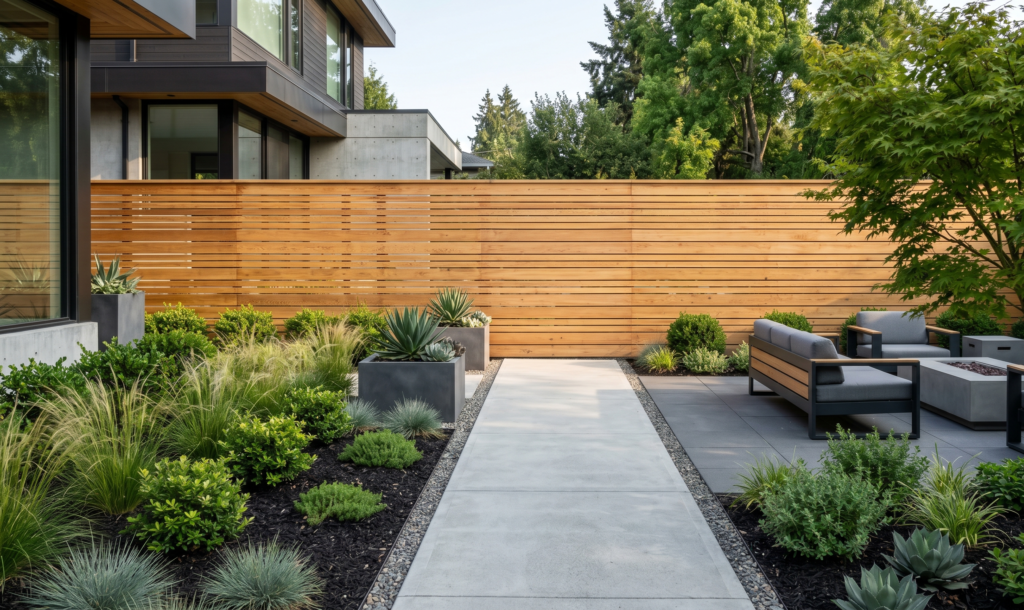
This one always looks expensive. Always.
And I used to think it required premium wood and professional tools… it doesn’t.
What I did instead
I used:
- Basic timber boards
- Simple spacing (used a scrap piece of wood as a spacer)
The trick
Keep the gaps consistent. That’s it.
Seriously, even slightly uneven spacing makes it look off. I learned this halfway through and had to redo a section. Annoying, but worth it.
Why this style feels modern
Horizontal lines naturally feel clean and intentional. It’s the kind of design you see in newer homes, so your brain automatically associates it with “expensive.”
3. Reclaimed wood fence (the “accidentally beautiful” one)
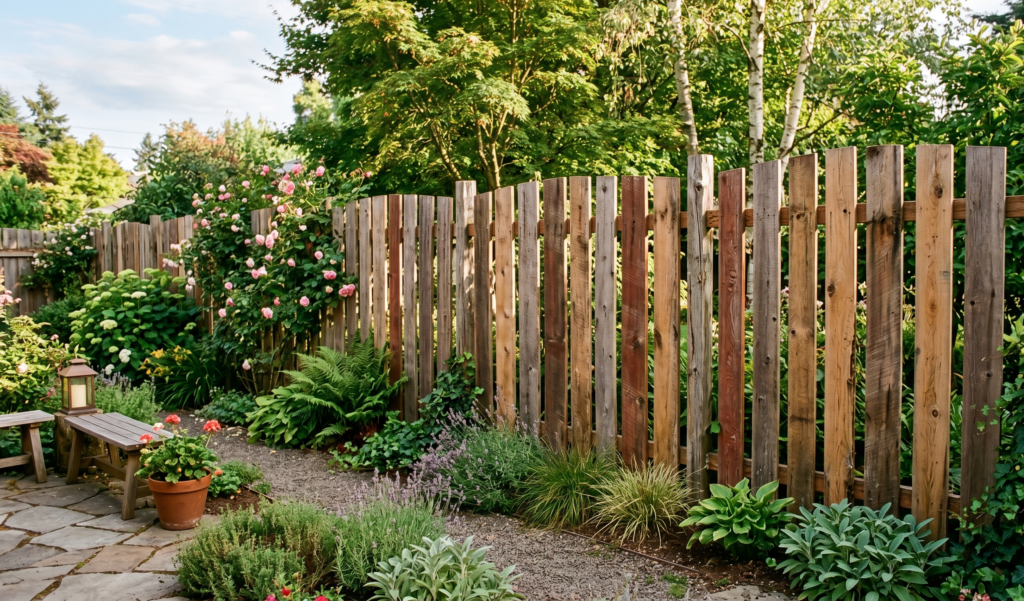
This is probably my favorite.
Not because it’s perfect… but because it isn’t.
Where the wood came from
A mix of:
- Old furniture pieces
- Leftover boards
- Even a broken shelf at one point
Why it works
The variation in tones and textures creates depth you can’t fake.
But here’s the balance
You want it to look:
- Intentional… not chaotic
So what helped me:
- Keeping all boards vertical
- Maintaining a similar height
- Sticking to a loose color palette (nothing too bright or random)
4. Painted fence panels (the cheapest glow-up)
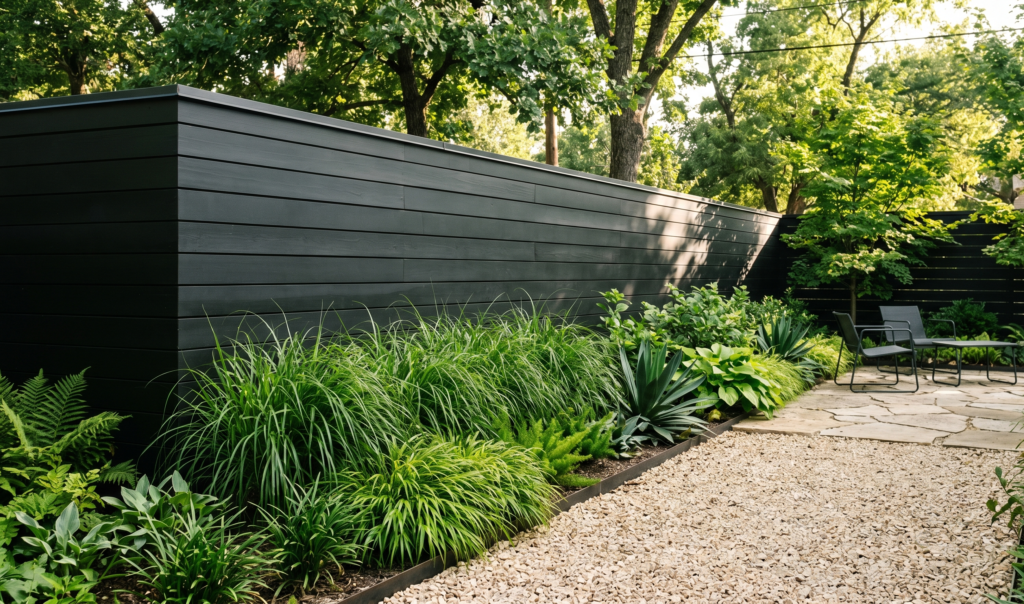
This is the easiest upgrade. No building required.
And I almost skipped it because it felt too simple.
Then I tried it…
And honestly, I wish I did it sooner.
Colors that instantly elevate a fence
- Matte black → modern, clean, dramatic
- Soft white → fresh, cottage-like
- Warm gray → subtle and polished
- Dark green → blends beautifully with plants
A small detail that made a big difference
Painting the posts and trims the same color.
It sounds obvious, but leaving them mismatched makes the whole fence feel unfinished.
5. Lattice + wood combo fence
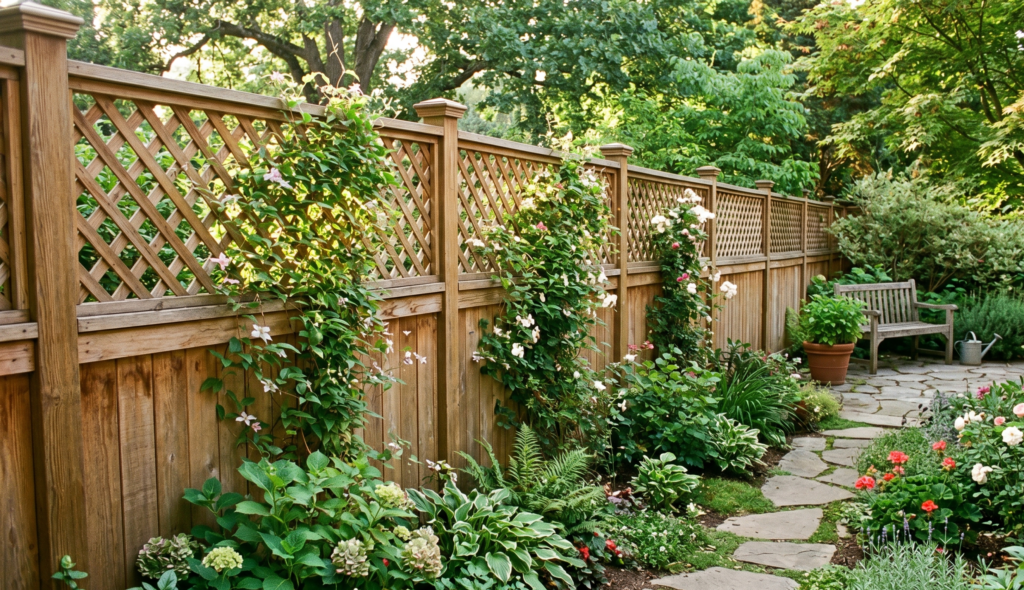
This one feels a little more “styled,” in a good way.
How I approached it
- Solid wood panels on the bottom
- Lattice panels on top
Why it works
It breaks up the heaviness of a full wood fence and lets in light, which makes the space feel bigger.
Bonus idea
Let climbing plants grow through the lattice.
It takes time… but when it fills in, it looks incredible.
6. Bamboo fence (surprisingly affordable)
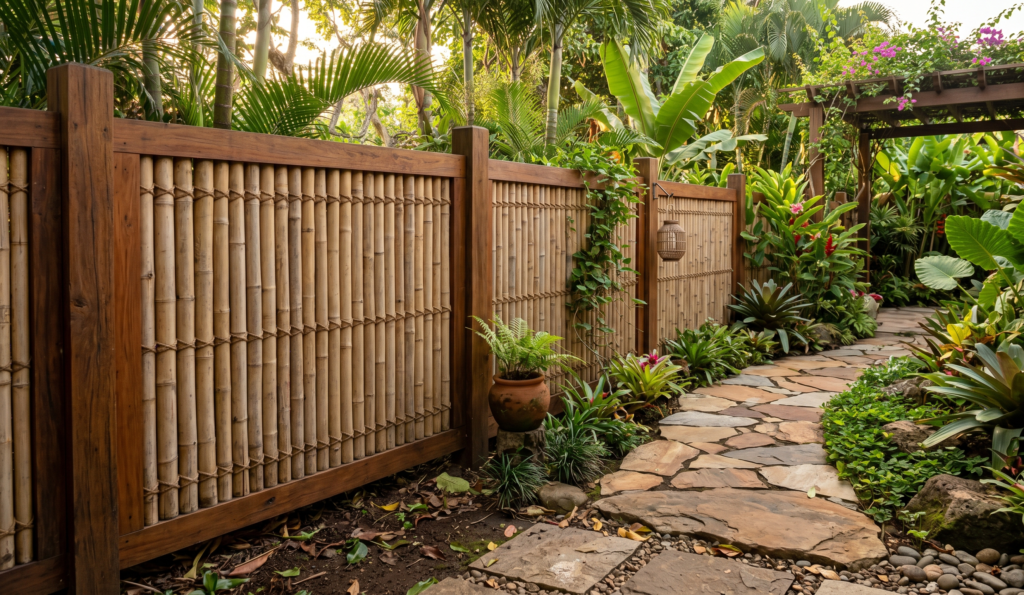
I didn’t expect to like this as much as I did.
The vibe
Relaxed, slightly tropical, very warm.
What makes it look expensive
- Using bamboo rolls evenly spaced
- Framing it with wood for structure
Without the frame, it can look a bit temporary. With it, it suddenly feels intentional.
7. Mixed material fence (wood + metal accents)
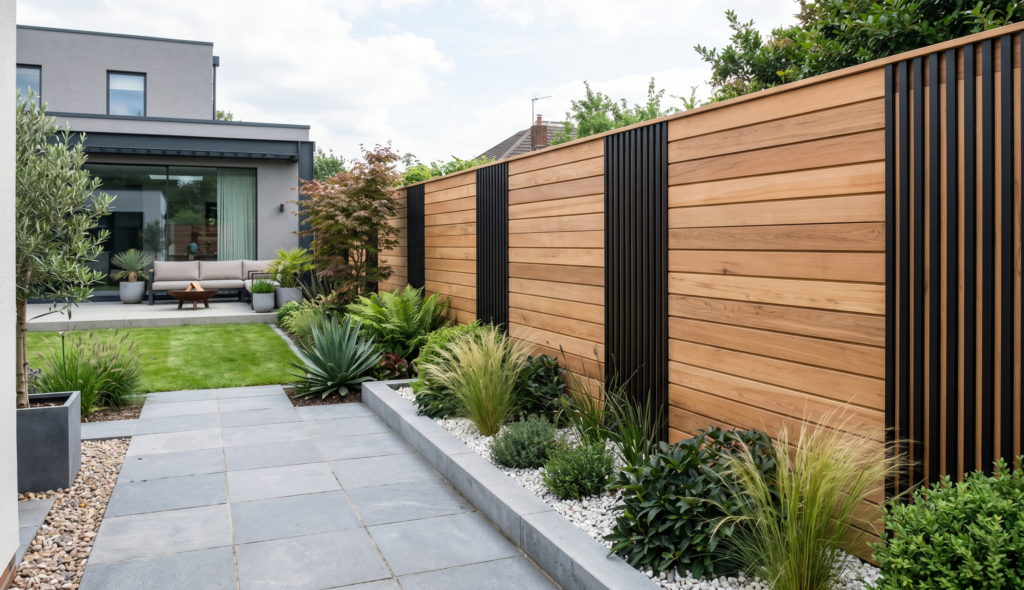
This one came from experimenting.
I had leftover wood… and a few metal pieces I didn’t know what to do with.
What I ended up trying
- Wooden panels
- Thin metal strips placed vertically between sections
The result
It looked way more custom than I expected.
Why this works
Contrast.
The mix of materials adds visual interest without needing expensive elements.
Practical tips I wish someone told me earlier
1. Don’t skip the prep work
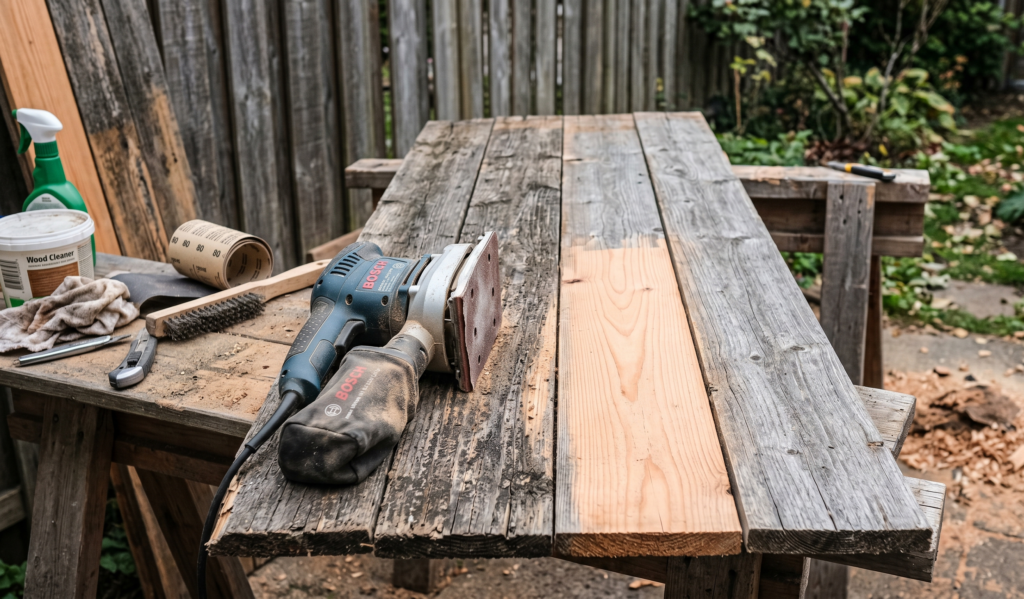
I know… it’s boring.
But:
- Cleaning the wood
- Sanding rough spots
- Leveling posts
All of that is what makes the final result look polished.
2. Spend a little on the finish, save on the material
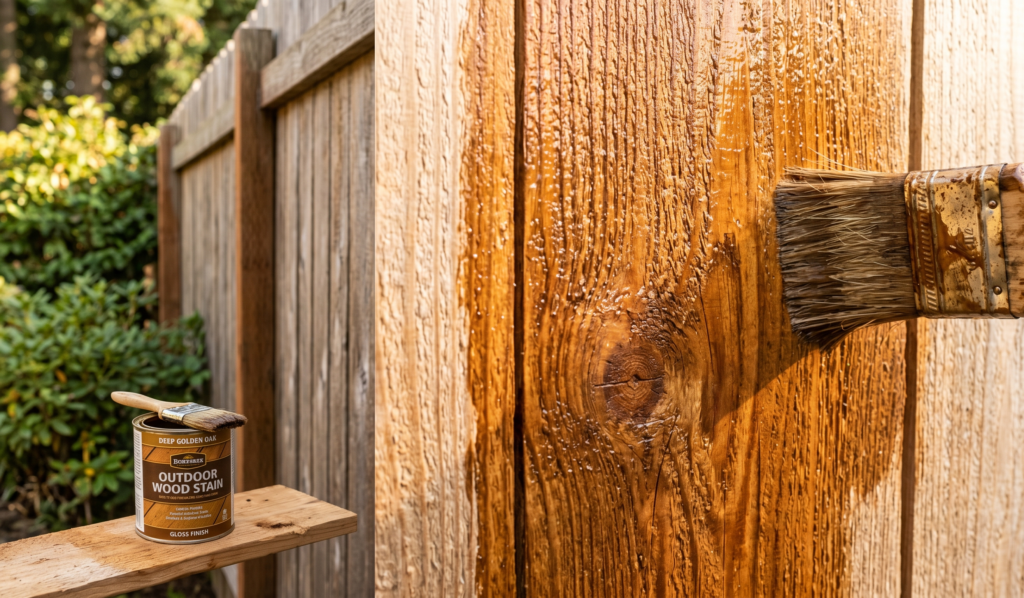
Cheap wood can look amazing with the right stain or paint.
Expensive wood can look… underwhelming without it.
If you’re choosing where to spend:
- Invest in a good outdoor stain or sealant
3. Keep your design simple
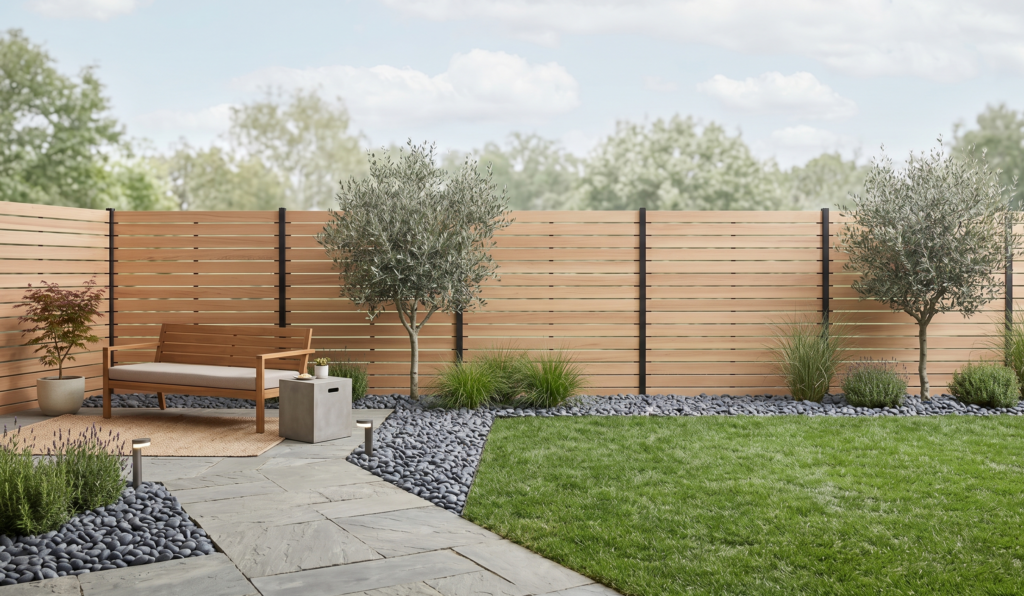
I tried overcomplicating things at one point.
Different patterns, uneven heights, too many ideas at once…
It didn’t work.
The designs that looked the best were always the simplest ones.
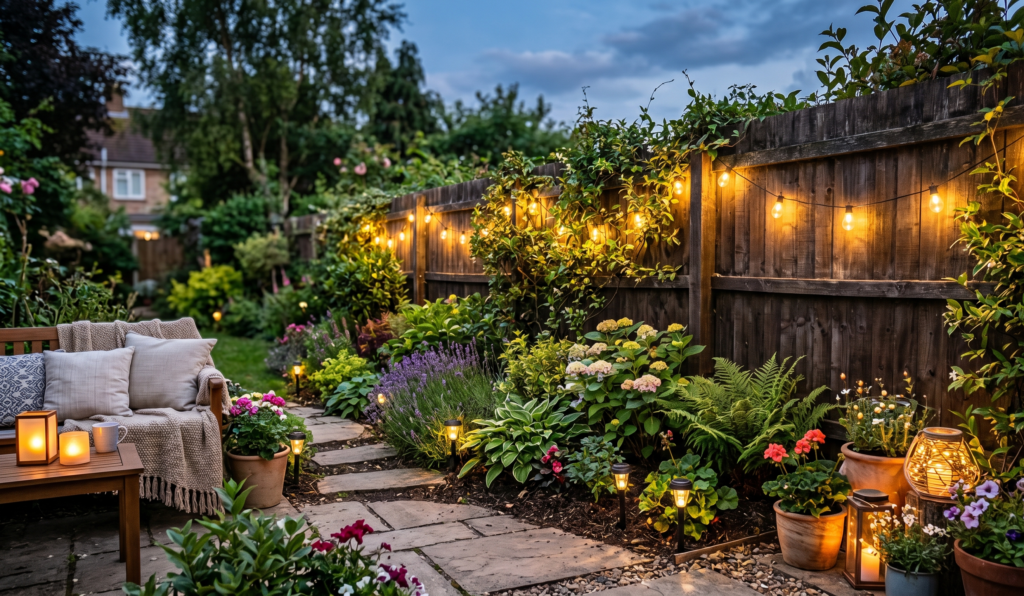
4. Think about what’s around the fence
This part surprised me.
The fence itself is only half the story.
What made mine feel “complete”:
- A few plants along the base
- Soft outdoor lighting
- Even just a clean ground edge
Suddenly, the fence wasn’t just a boundary… it became part of the space.
A small moment that changed how I saw it
After finishing one section — not even the whole yard, just one side — I remember stepping back and noticing something I didn’t expect.
The space felt calmer.
More finished.
Like it finally made sense.
And it wasn’t perfect. If you looked closely, there were small imperfections. Slight variations. Things only I would notice.
But overall? It felt intentional. And that made all the difference.
Final thoughts: it’s less about money, more about care
If there’s one thing I’ve learned from all of this, it’s that a good-looking fence isn’t about how much you spend.
It’s about:
- Taking your time
- Keeping things consistent
- Adding those small finishing touches
You don’t need a big budget.
You just need a clear idea… and a bit of patience (okay, sometimes a lot of patience).
And honestly, there’s something really satisfying about building or transforming something yourself. Every time I look at that fence now, I don’t just see wood panels.
I remember the process. The trial and error. The small wins.
And somehow, that makes it feel even more valuable than something expensive ever could.