I used to think minimalist rooms only looked good in magazines.
You know the kind — giant windows, perfect lighting, expensive furniture that probably costs more than my rent, and somehow not a single charging cable in sight. Meanwhile, my own small room always felt… crowded. Even when I cleaned it, it still looked visually noisy. Too much furniture. Too many little things sitting around. No breathing space.
What finally changed things for me wasn’t buying expensive decor. Honestly, it was learning that minimalism is less about owning nothing and more about making a space feel calm and intentional.
And surprisingly, some of the smallest changes made the biggest difference.
If you’re trying to make a small room feel brighter, cleaner, and more expensive without spending a fortune, these are the ideas that genuinely helped me. Some were DIY-friendly, some were just smarter ways of arranging things, and a few completely changed how my room felt overnight.
1. Use One Main Color Palette
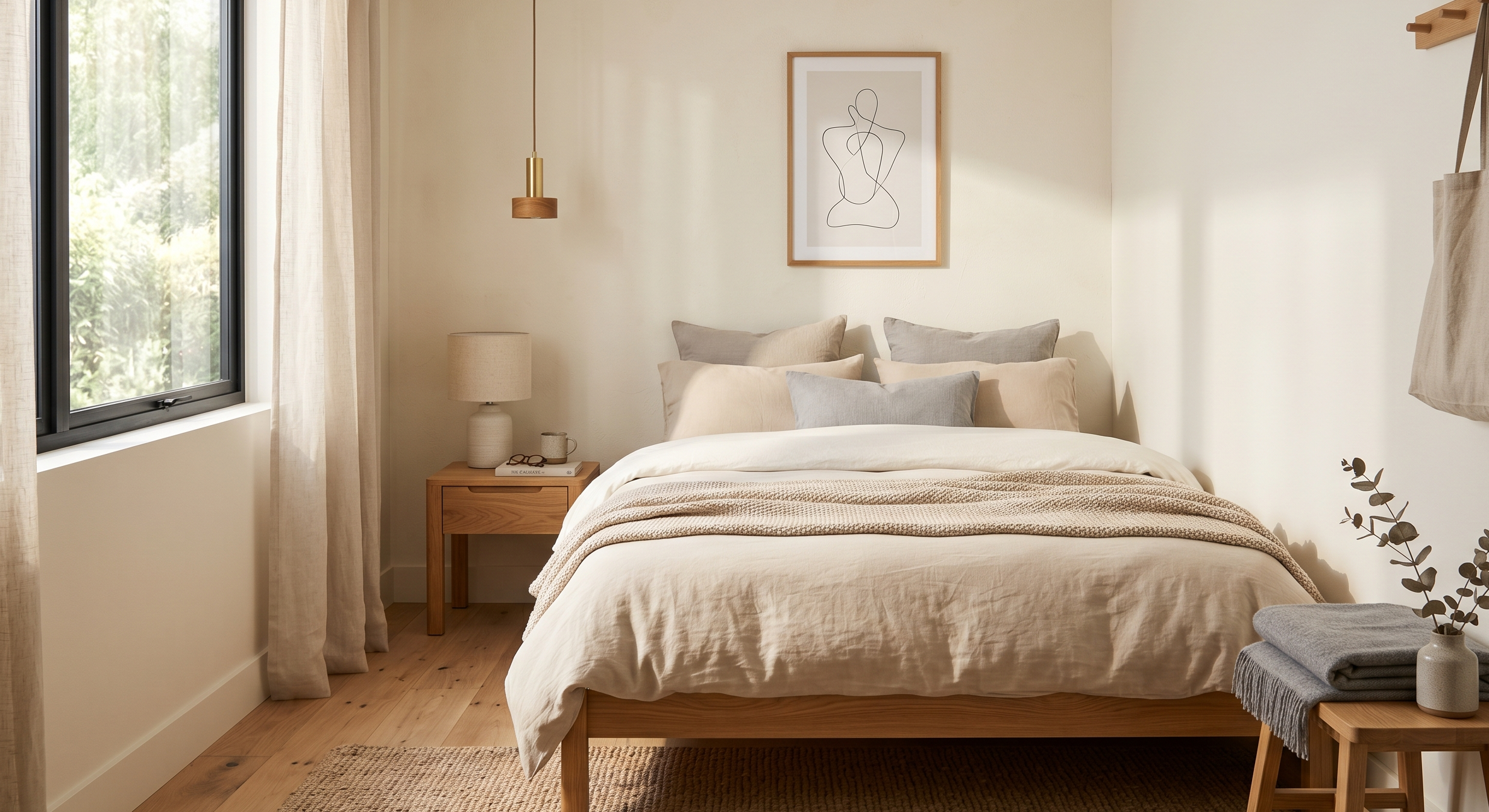
This was the first thing that instantly made my room feel less chaotic.
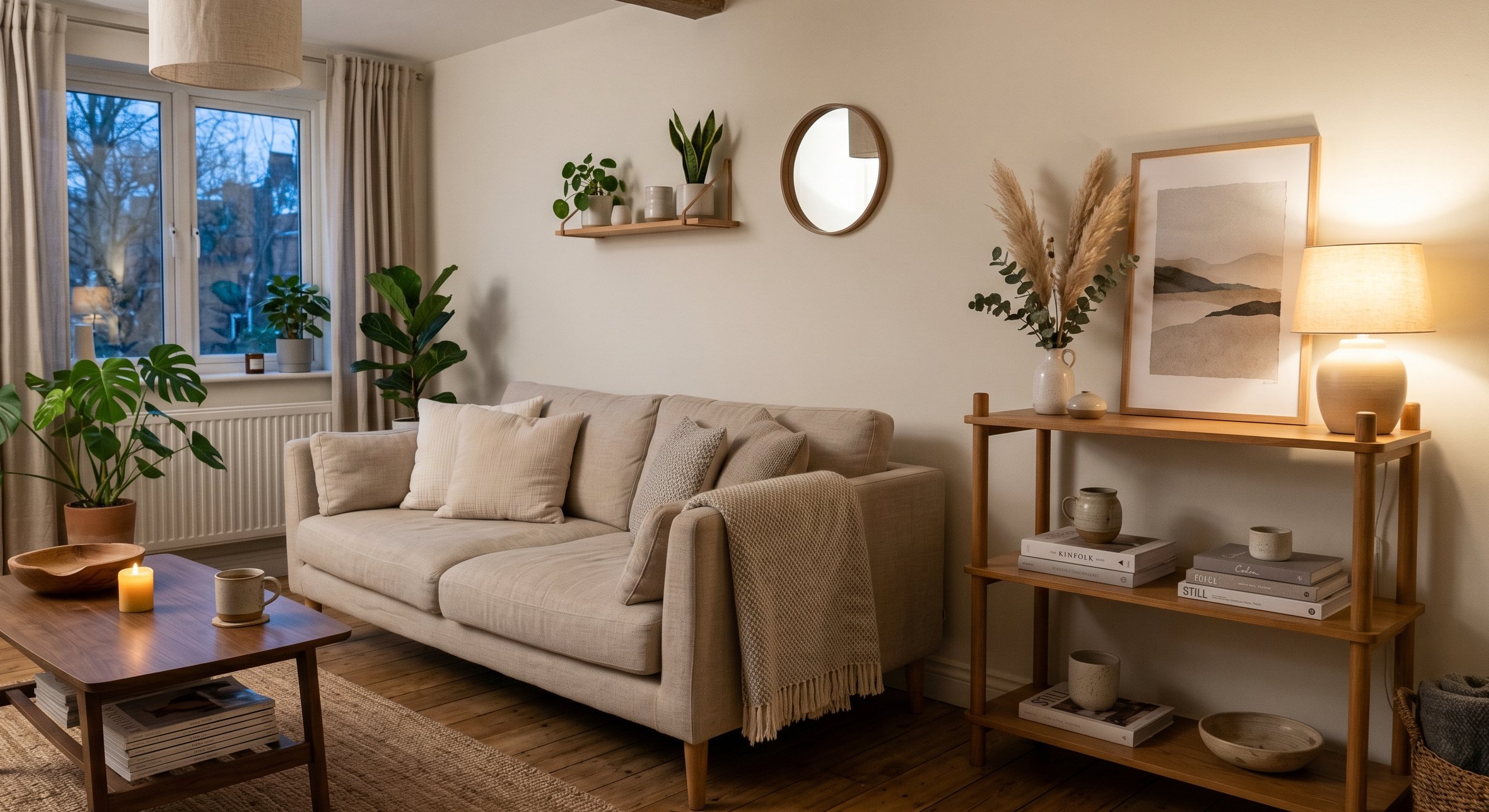
I stopped mixing random colors and stuck to soft neutrals — warm white, beige, light gray, and a little muted wood tone. Suddenly everything looked more cohesive, even though most of my furniture was cheap.
Minimalist spaces look expensive because they feel visually calm.
A few color combinations that work really well:
- Warm white + oak wood
- Soft gray + black accents
- Cream + olive green
- Beige + natural textures
You don’t need to repaint everything either. Even changing pillow covers or curtains can help tie a room together.
2. Choose Furniture With Legs
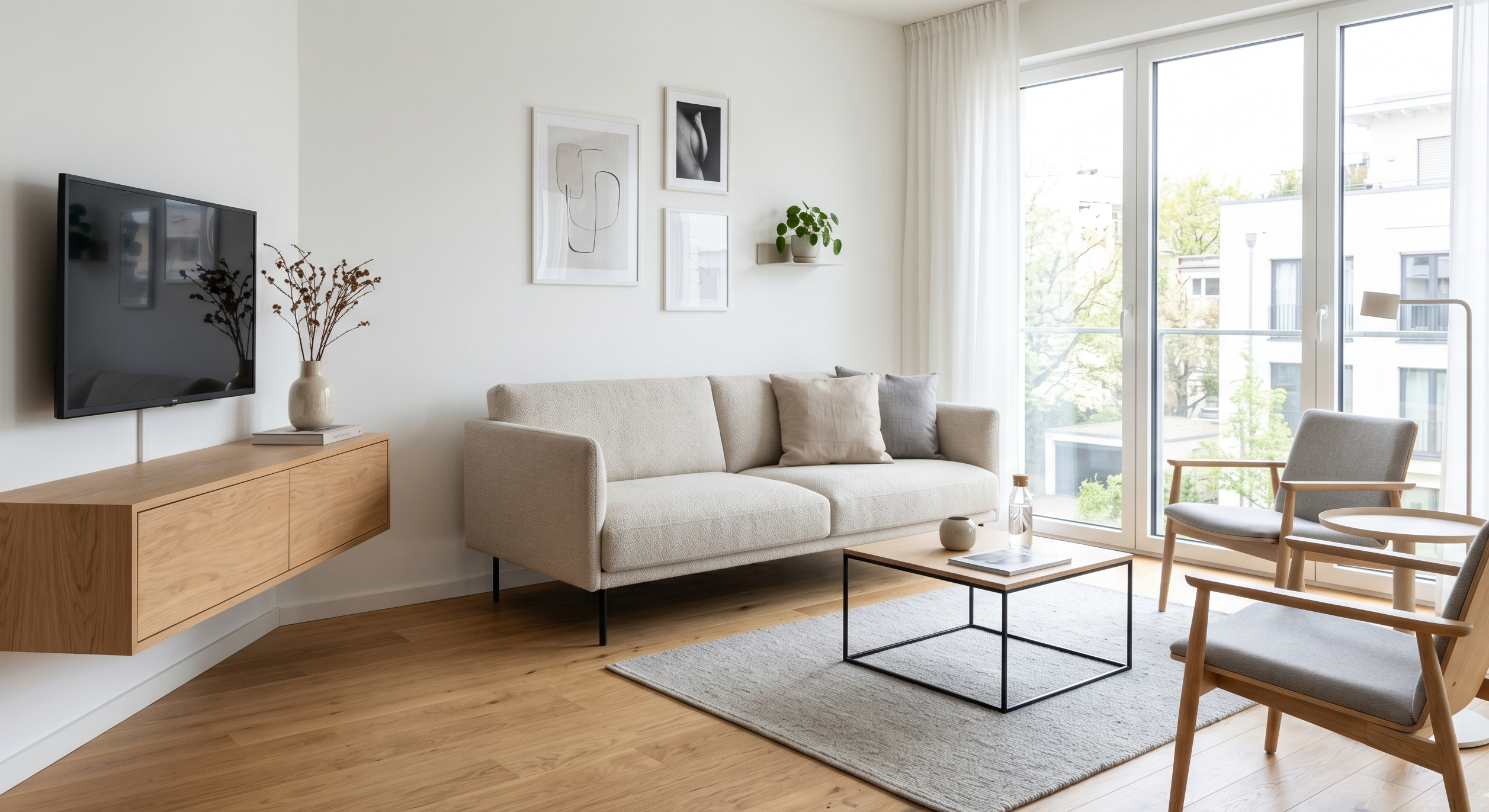
This sounds oddly specific, but it genuinely changes how small spaces feel.
Furniture that sits directly on the floor can make a room feel heavy and crowded. When I swapped my bulky storage cabinet for one with slim wooden legs, the room instantly felt lighter because you could actually see floor space underneath it.
It creates visual breathing room.
The same trick works for:
- Sofas
- TV units
- Nightstands
- Chairs
Tiny detail. Big difference.
3. Keep Walls Simpler Than You Think
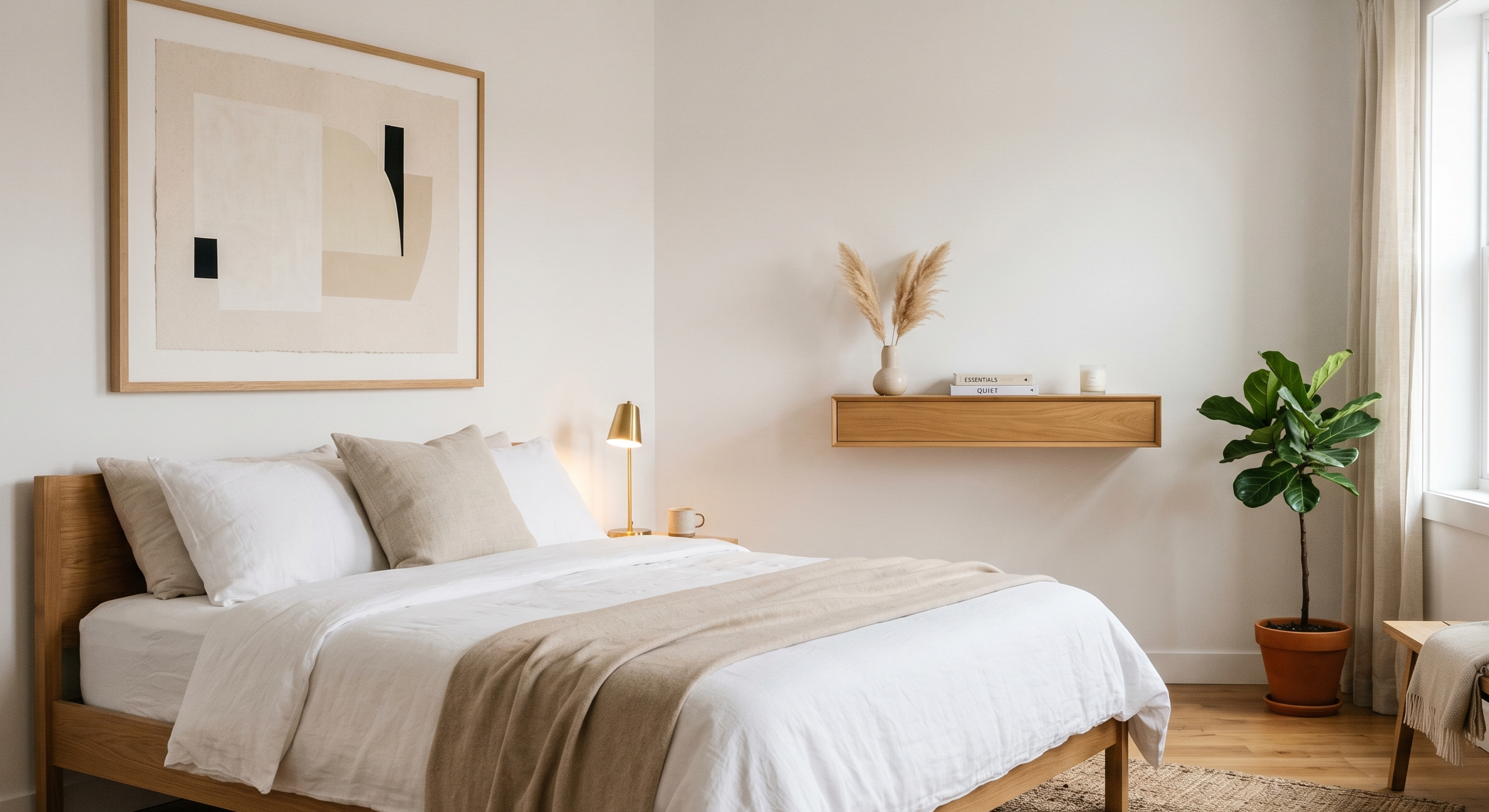
At one point, I tried filling every blank wall because I thought empty space looked unfinished.
Turns out… minimalist rooms actually need some emptiness.
Now I usually stick to:
- One larger artwork instead of many small frames
- A single floating shelf
- One statement mirror
That’s it.
When every wall is decorated, nothing stands out anymore.
4. Add a Large Mirror Across From Light
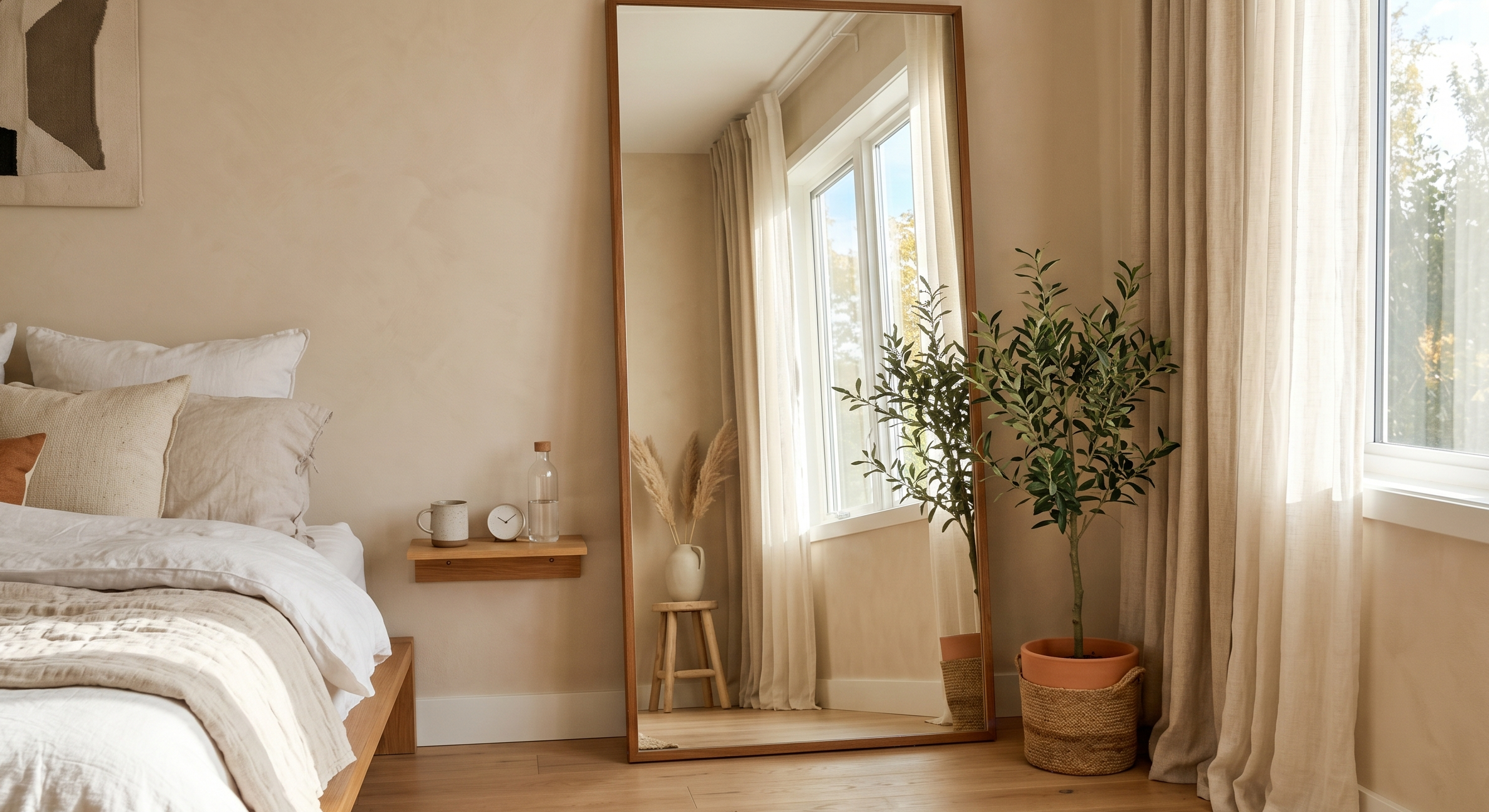
This might be the cheapest “luxury-looking” trick ever.
I found a secondhand oversized mirror and leaned it near the window instead of hanging it. The room suddenly looked twice as bright and somehow more open.
Mirrors bounce natural light around the room, which is especially helpful in tiny apartments or darker spaces.
And leaning mirrors casually against the wall always gives that effortless designer look.
5. Hide Everyday Clutter in Baskets
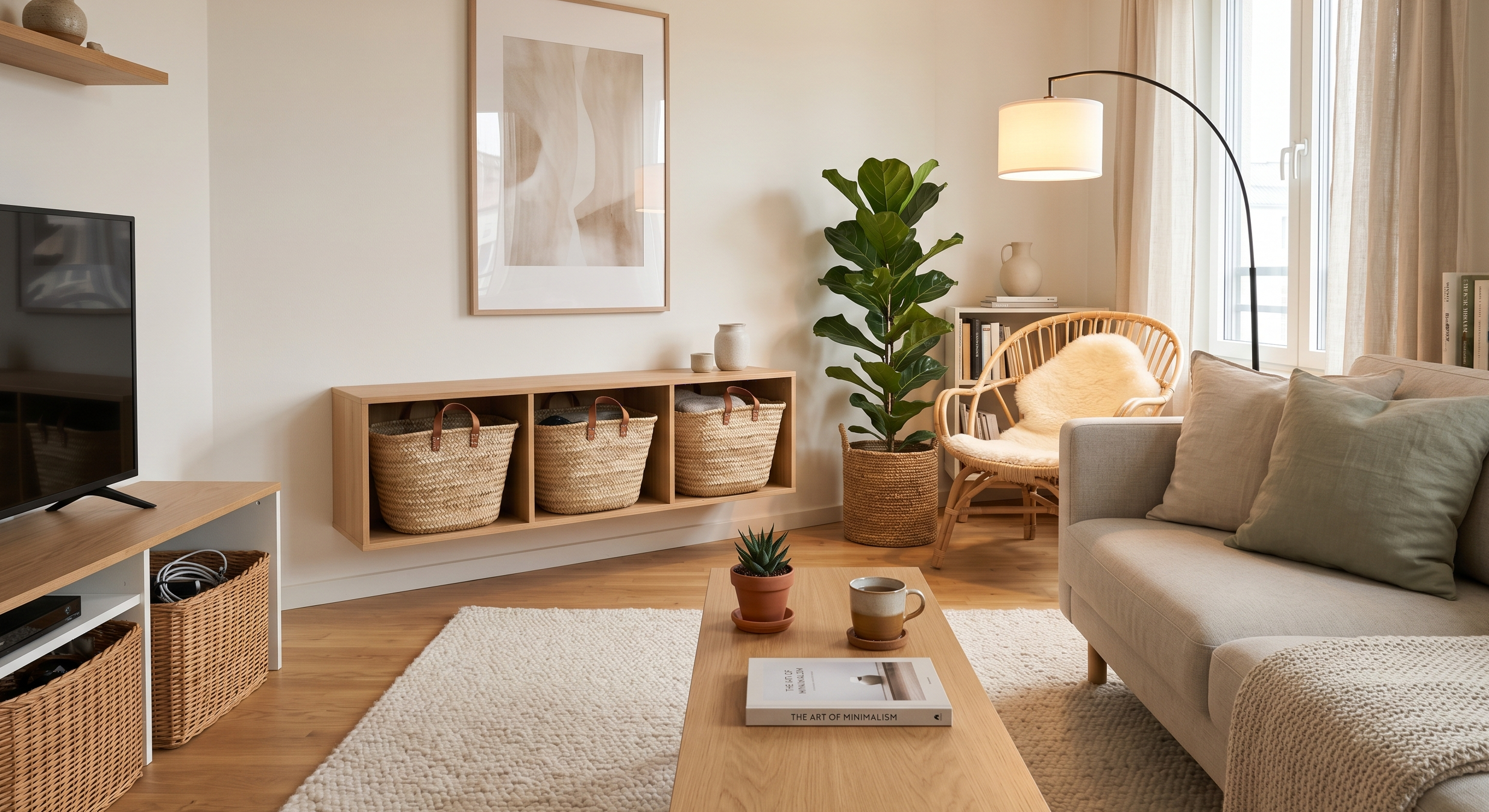
Minimalist rooms are not magically clutter-free. People just hide things well.
Once I realized that, decorating became way less stressful.
I started using:
- Woven baskets
- Fabric bins
- Storage ottomans
- Under-bed containers
Now chargers, blankets, random papers, and all the “life stuff” disappear quickly when needed.
Honestly, a room can look expensive even with affordable furniture if it feels organized.
Small Minimalist Bedroom Ideas That Changed My Space
6. Use Layered Lighting Instead of One Bright Ceiling Light
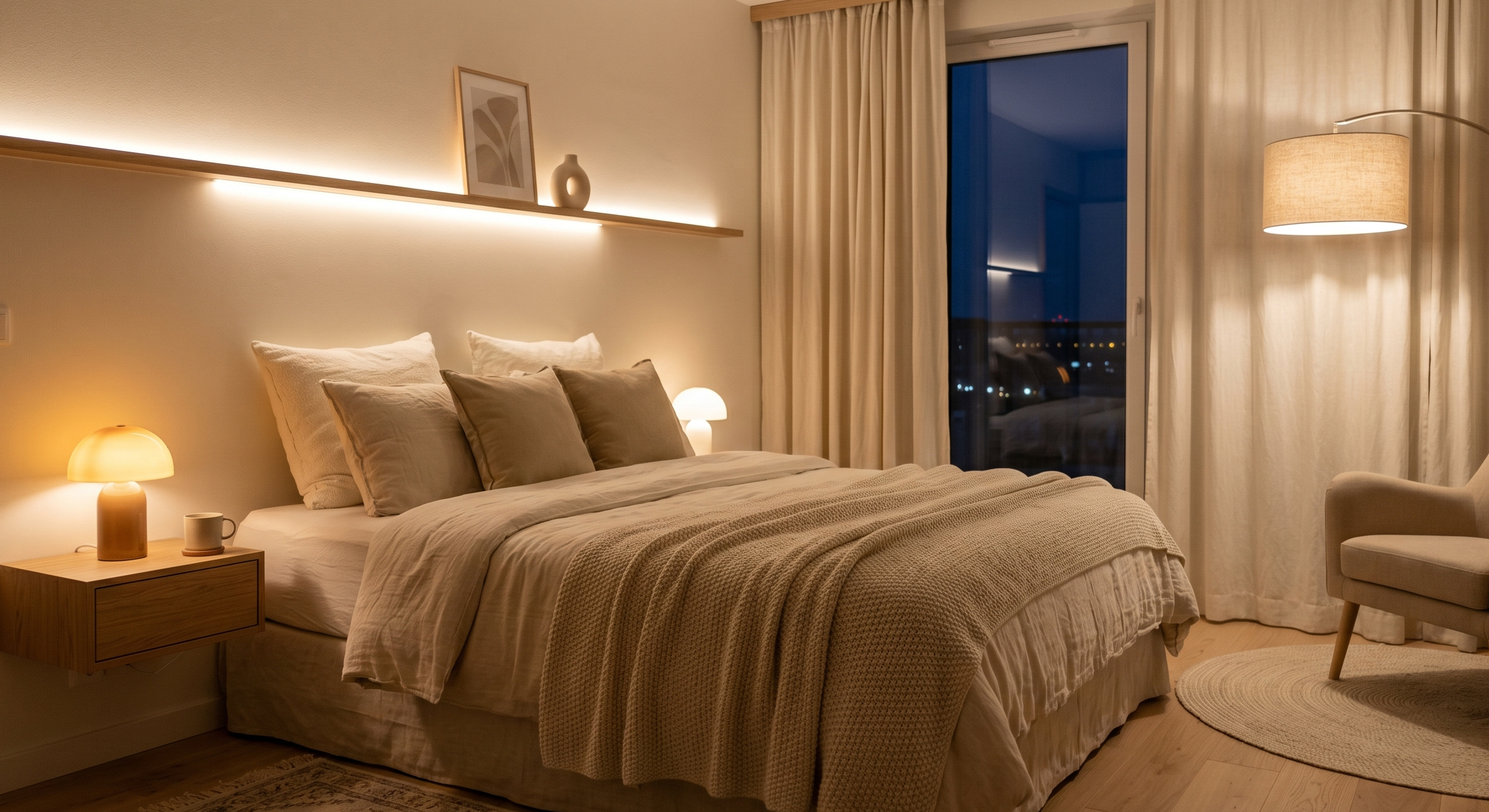
I used to rely on one harsh white ceiling bulb and wondered why my room never felt cozy.
Then I added:
- A small bedside lamp
- Warm LED lighting
- One soft floor lamp
Completely different atmosphere.
Warm lighting makes even basic furniture feel softer and more intentional.
I personally avoid overly blue-white lights now because they make rooms feel sterile instead of relaxing.
7. Invest in Better Bedding Before Anything Else
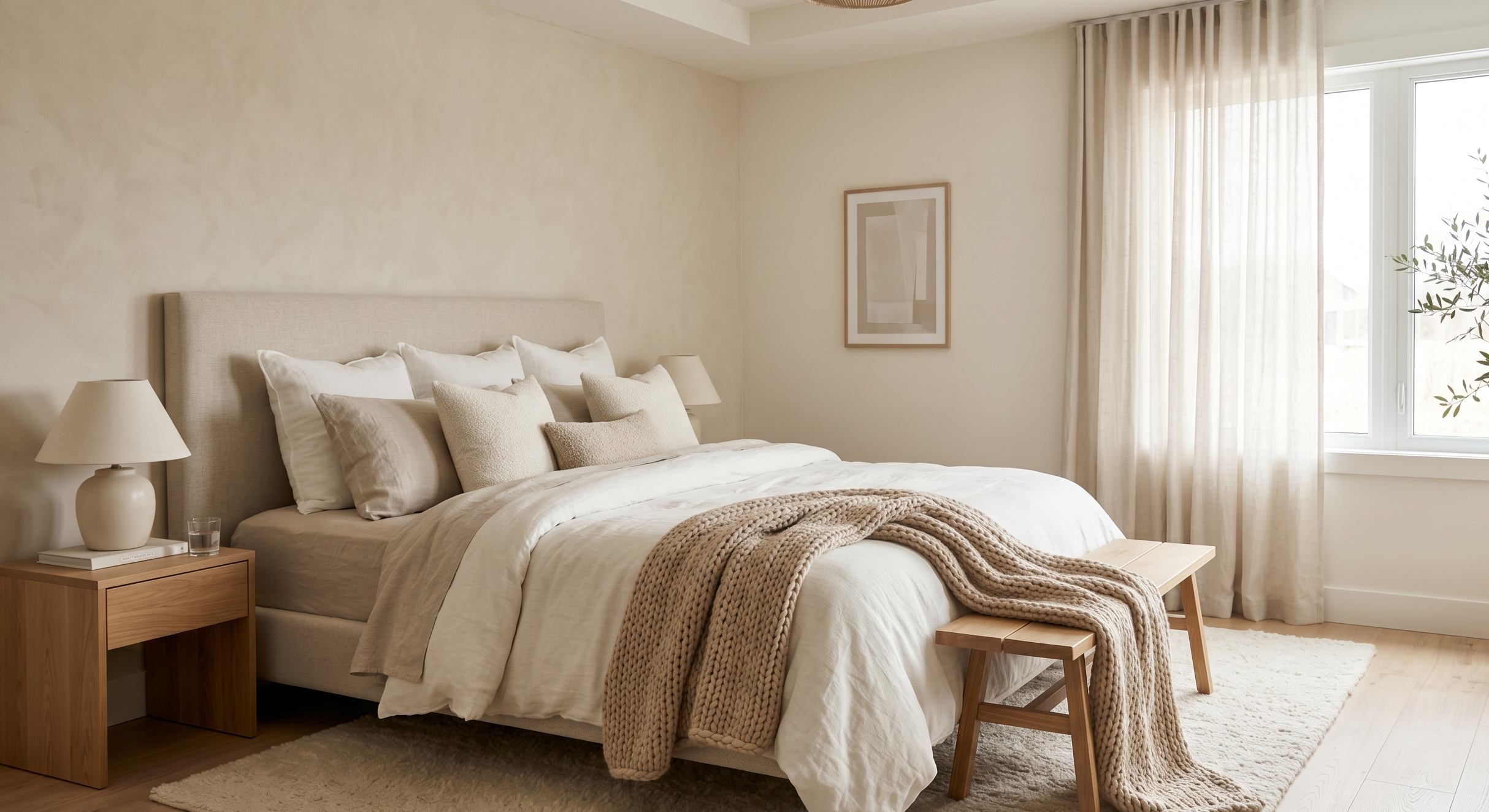
If your bedroom is small, your bed becomes the main visual focus anyway.
So instead of buying more decor, I finally spent a little extra on:
- Neutral bedding
- Fluffy pillows
- A textured throw blanket
And weirdly… the entire room looked upgraded.
Minimalist rooms often rely on texture more than color. Linen, cotton, boucle, and soft knits add depth without creating clutter.
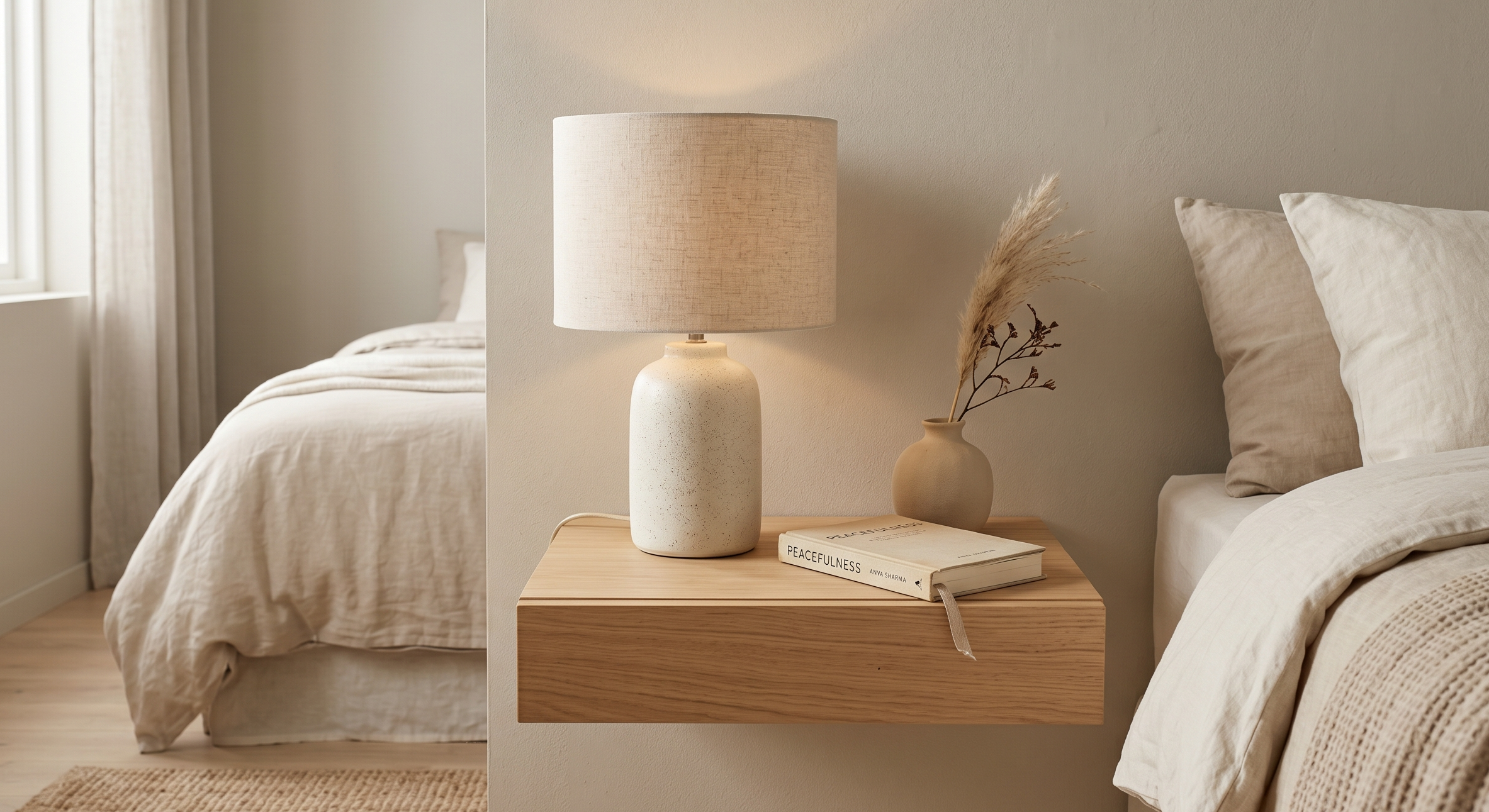
8. Keep Nightstands Nearly Empty
This one took discipline.
My nightstand used to collect everything:
Receipts. Hair ties. Water bottles. Random cables.
Now I keep only:
- A lamp
- One book
- Maybe a candle or small vase
That tiny reset makes the whole room feel calmer.
And honestly, waking up to less visual clutter affects my mood more than I expected.
9. Use Curtains Higher Than the Window
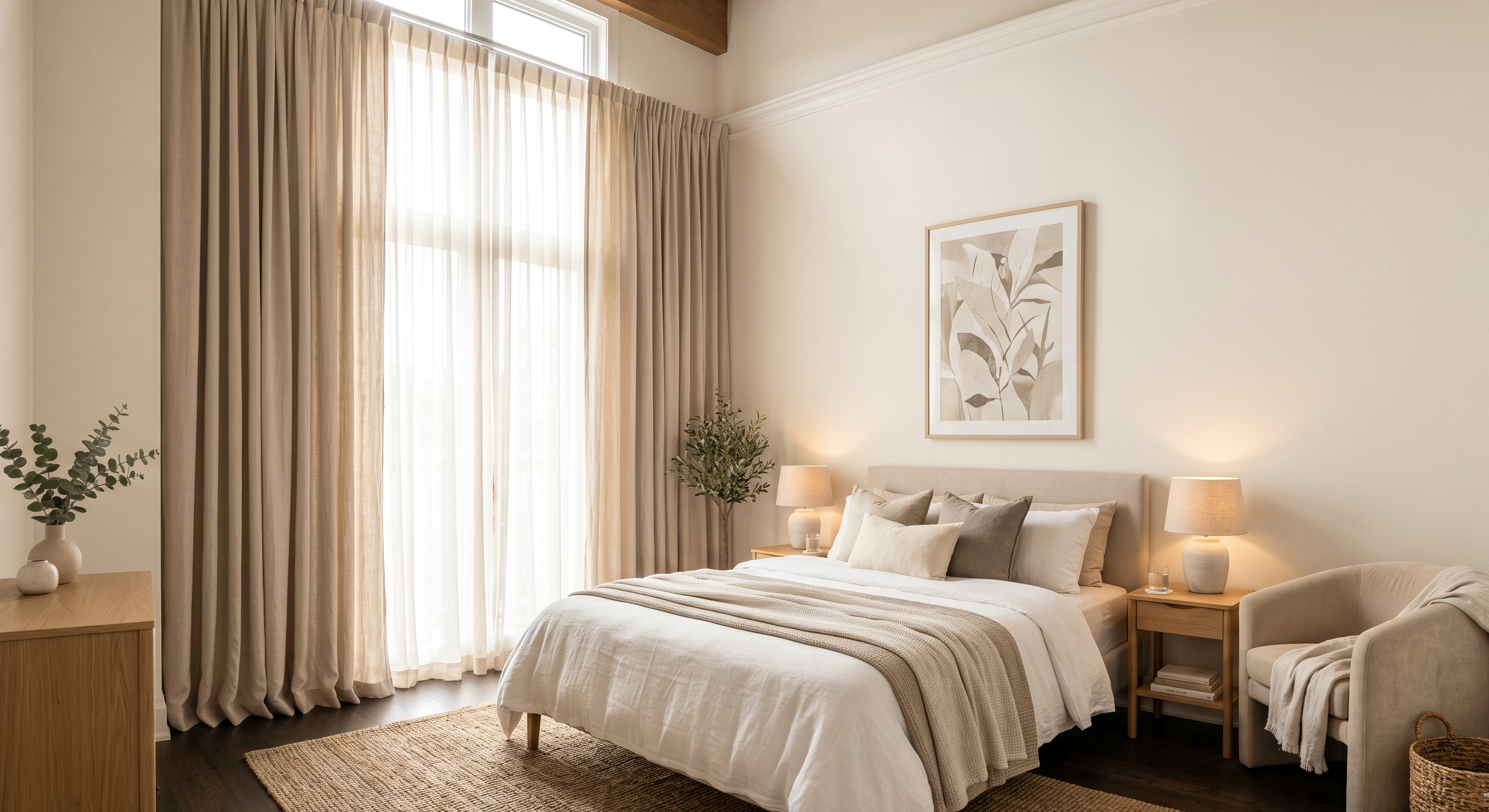
I learned this trick from a tiny rental apartment makeover video years ago and still use it.
Hang curtains closer to the ceiling instead of directly above the window frame.
It makes:
- Ceilings look taller
- Windows feel bigger
- Rooms appear more elegant
Even inexpensive curtains look more custom this way.
I usually stick to lightweight neutral fabrics because they soften the room without overwhelming it.
Minimalist Living Room Ideas That Feel Warm Instead of Cold
10. Mix Minimalism With Natural Textures
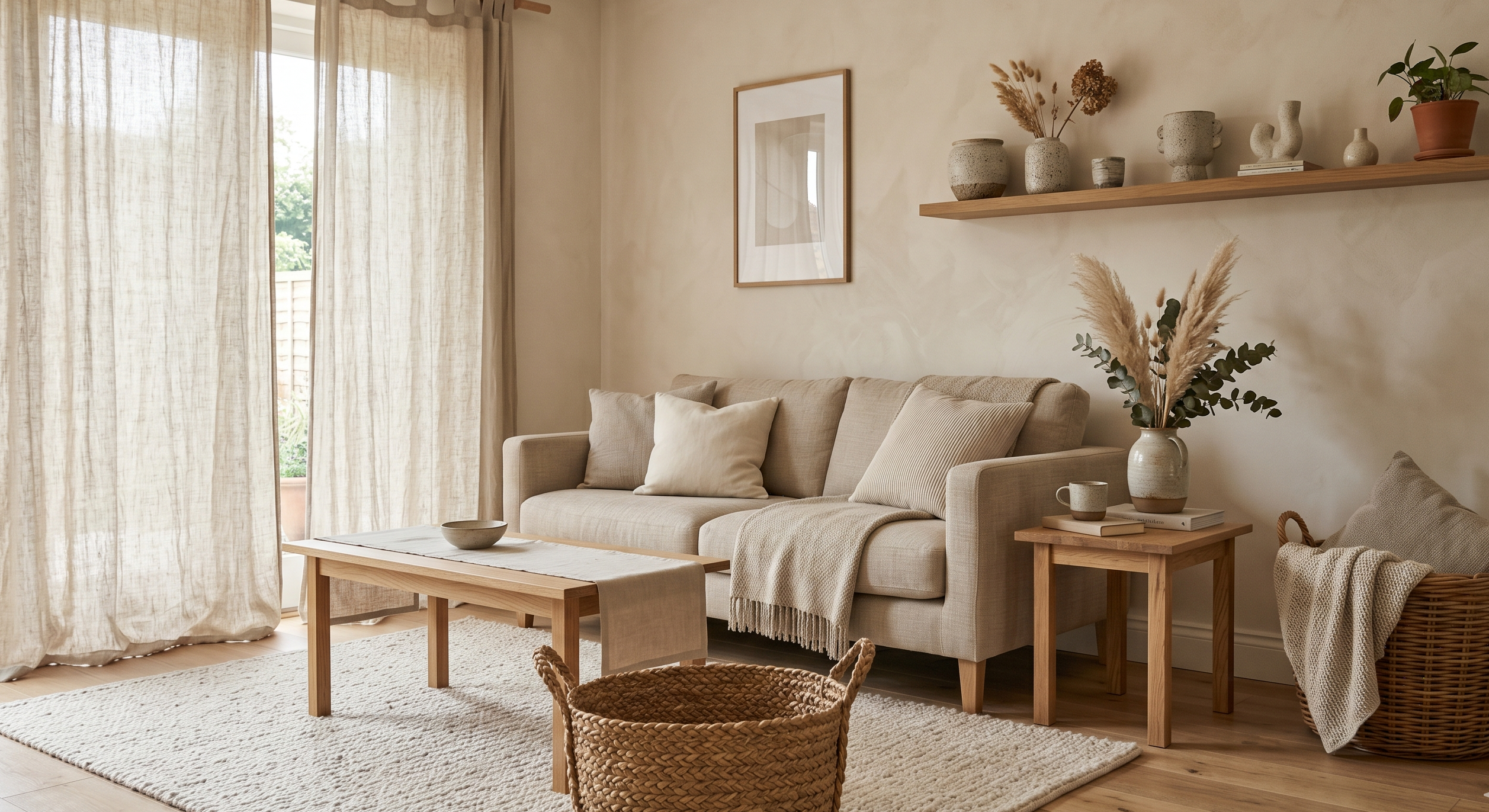
One mistake I made early on was making everything too plain.
Minimalism without texture can feel cold fast.
What helped:
- Wood tones
- Woven baskets
- Linen curtains
- Ceramic decor
- Soft rugs
Those natural elements make minimalist spaces feel lived-in rather than showroom-stiff.
11. Use Fewer Decor Pieces — But Bigger Ones
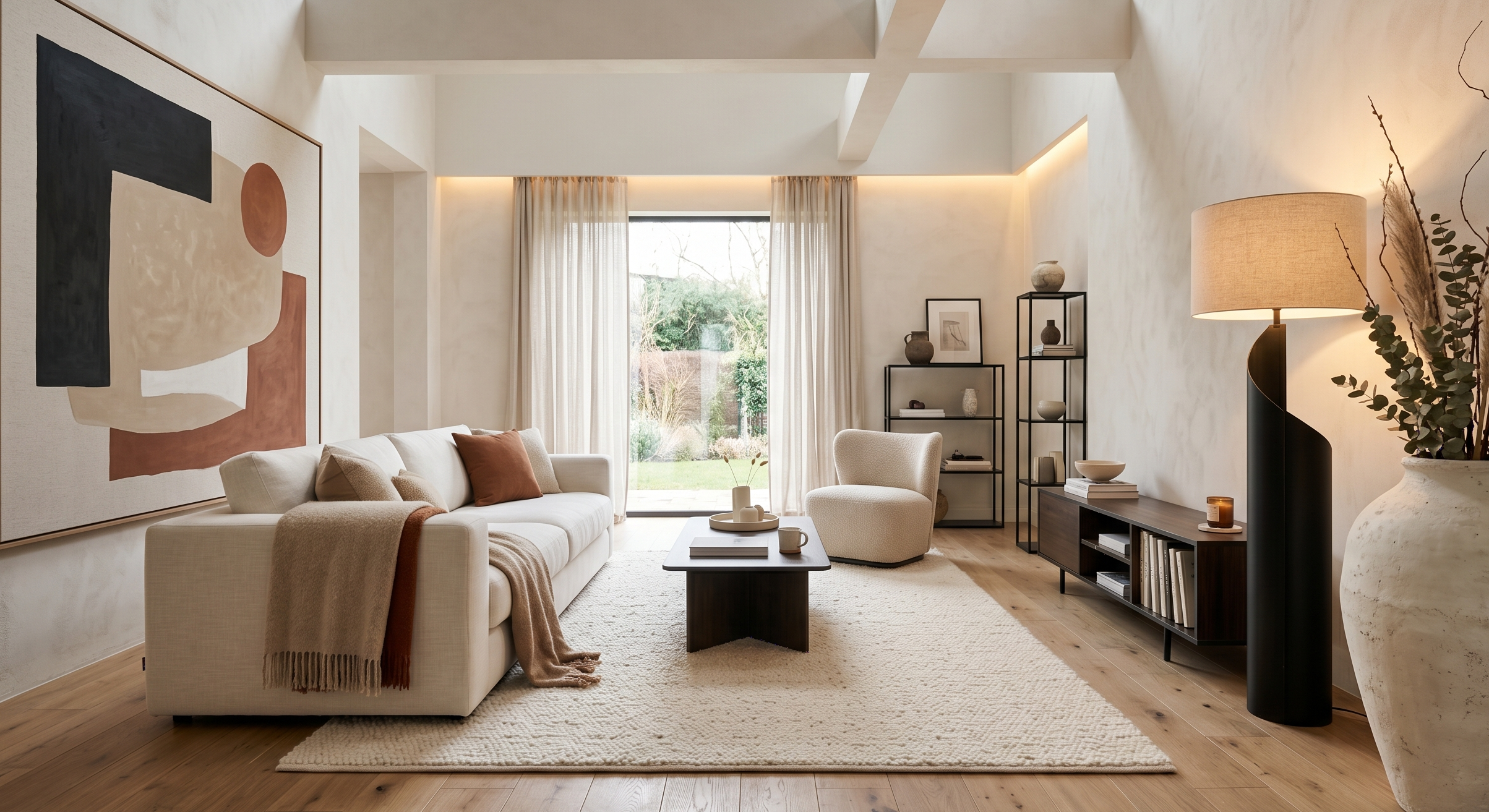
Tiny decor scattered everywhere makes small rooms feel busy.
Now I’d rather use:
- One large vase
- One oversized artwork
- One statement lamp
instead of ten little decorative objects.
The room instantly feels cleaner and more expensive.
And honestly, it’s easier to dust too.
12. Float Furniture Away From the Walls
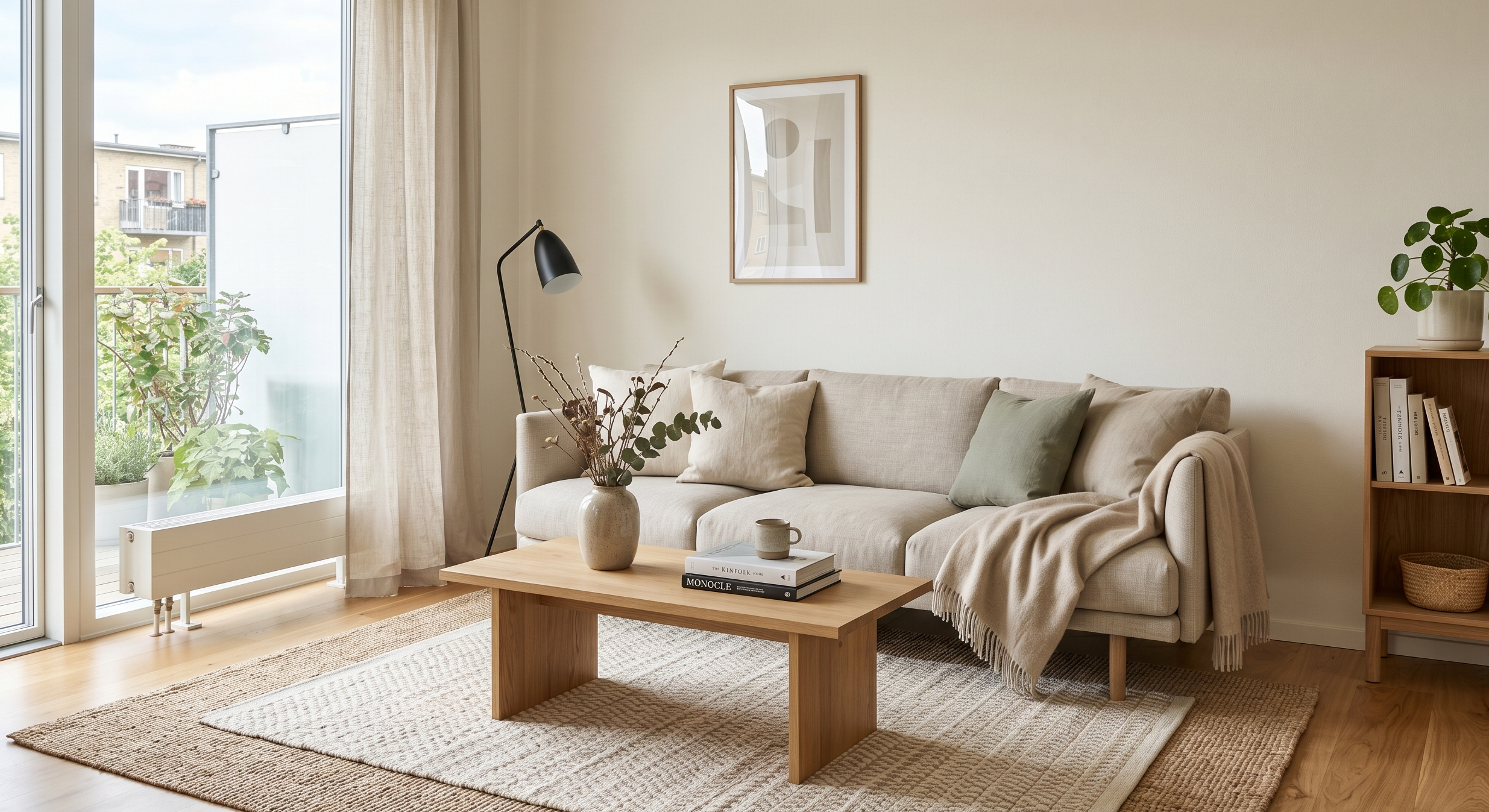
I used to push every piece of furniture against the wall thinking it would create more space.
Sometimes it actually made the room feel awkward.
Pulling the sofa slightly forward with a rug underneath created a more intentional layout. Even a few inches can make a room feel designed instead of cramped.
13. Choose Closed Storage Whenever Possible
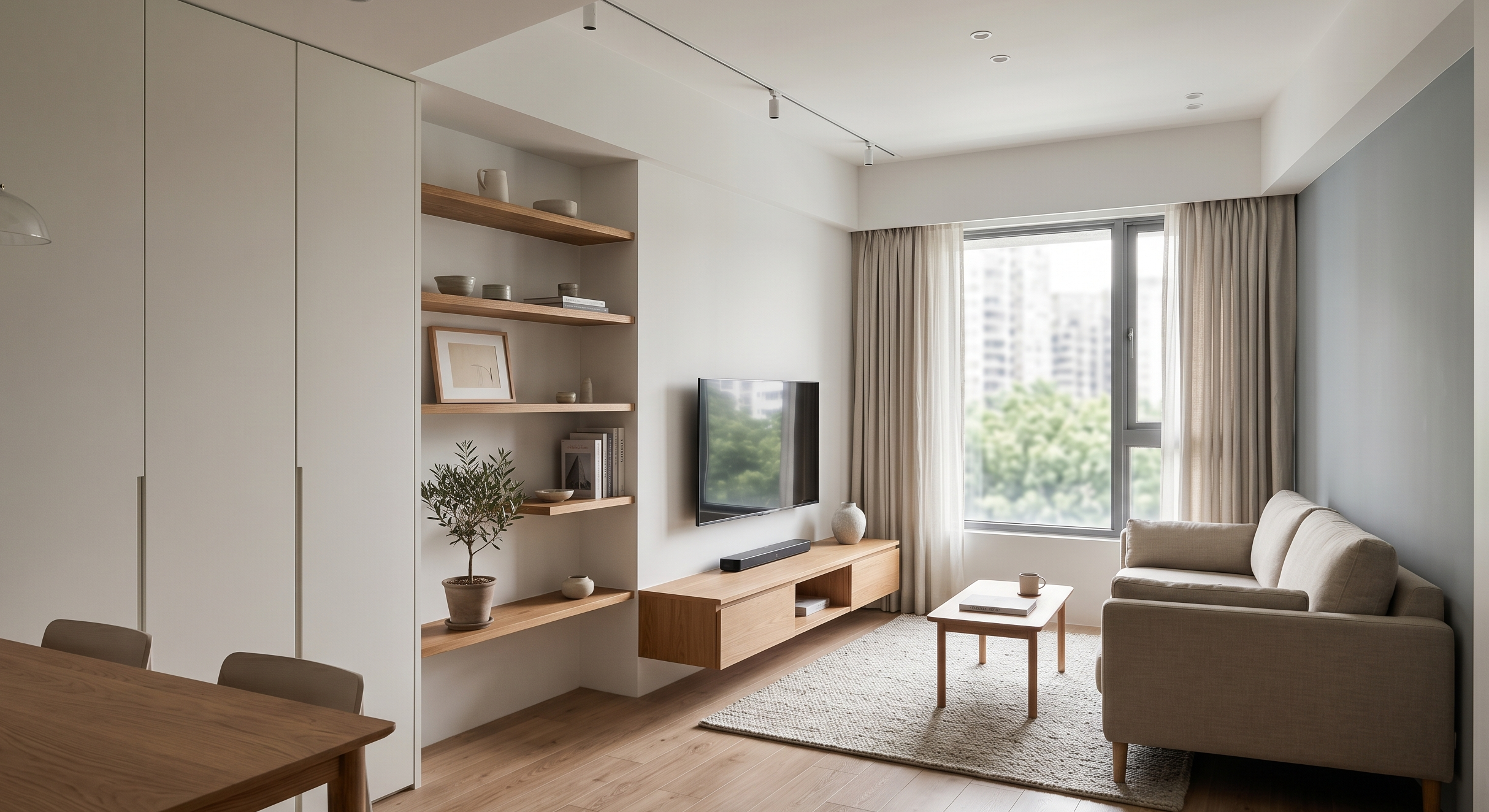
Open shelves look beautiful online… until real life happens.
I realized quickly that closed cabinets create a much calmer visual effect, especially in smaller homes.
Not everything needs to be displayed.
Some things simply need a door.
14. Add One Black Accent
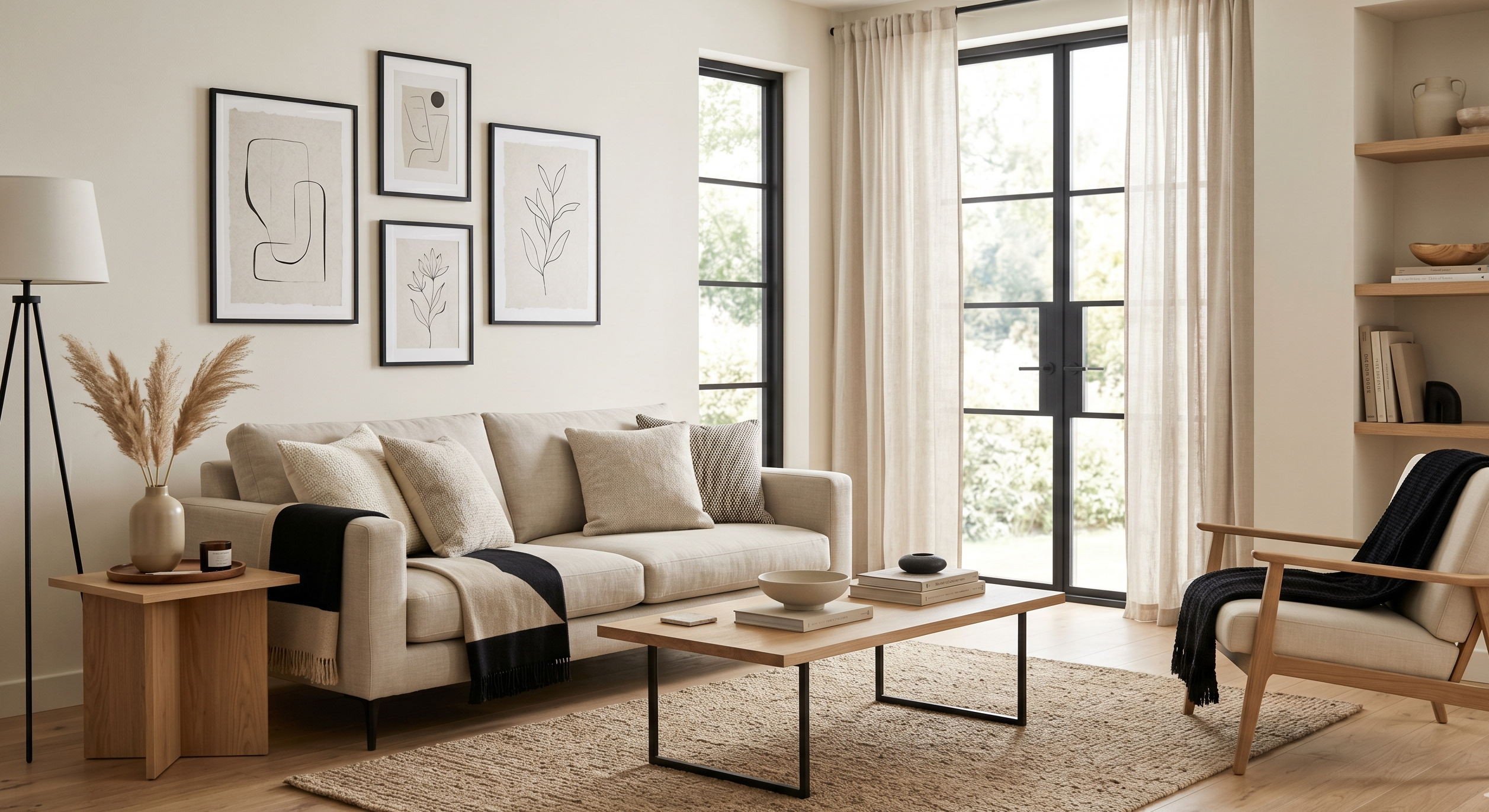
Minimalist rooms often need contrast.
A tiny bit of black helps ground everything visually.
Some easy ways:
- Black lamp
- Thin black frames
- Matte black handles
- Dark side table
It adds structure without making the room feel heavy.
Budget-Friendly Tricks That Make Rooms Look More Expensive
15. Swap Cool White Bulbs for Warm Ones
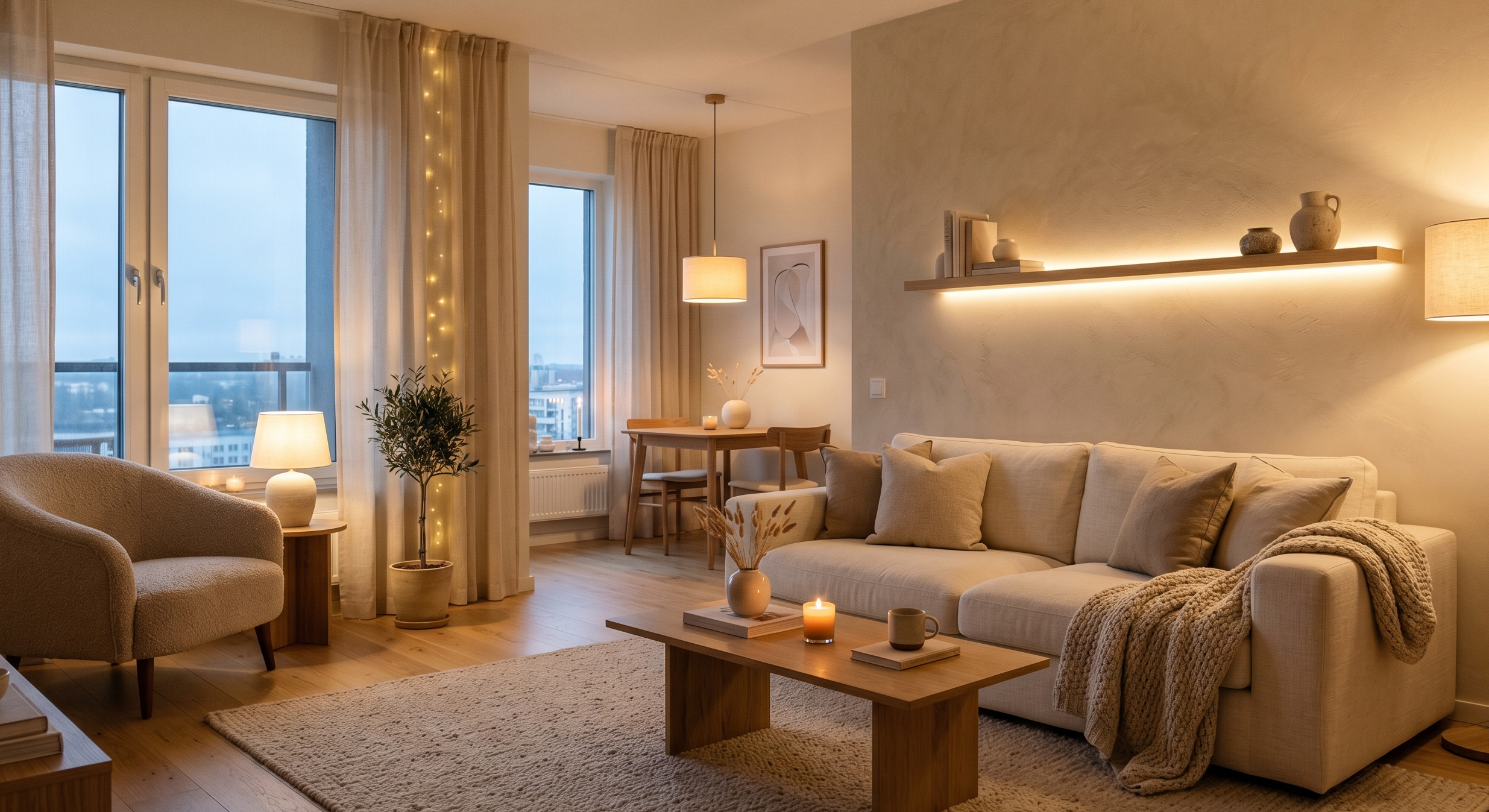
This might genuinely be the highest-impact low-cost change on this list.
Warm lighting instantly softens:
- Walls
- Furniture
- Skin tones
- Fabrics
The room feels calmer within seconds.
I remember changing just two bulbs one evening and sitting there wondering why my apartment suddenly looked like a boutique hotel.
16. Use Peel-and-Stick Wall Panels Carefully
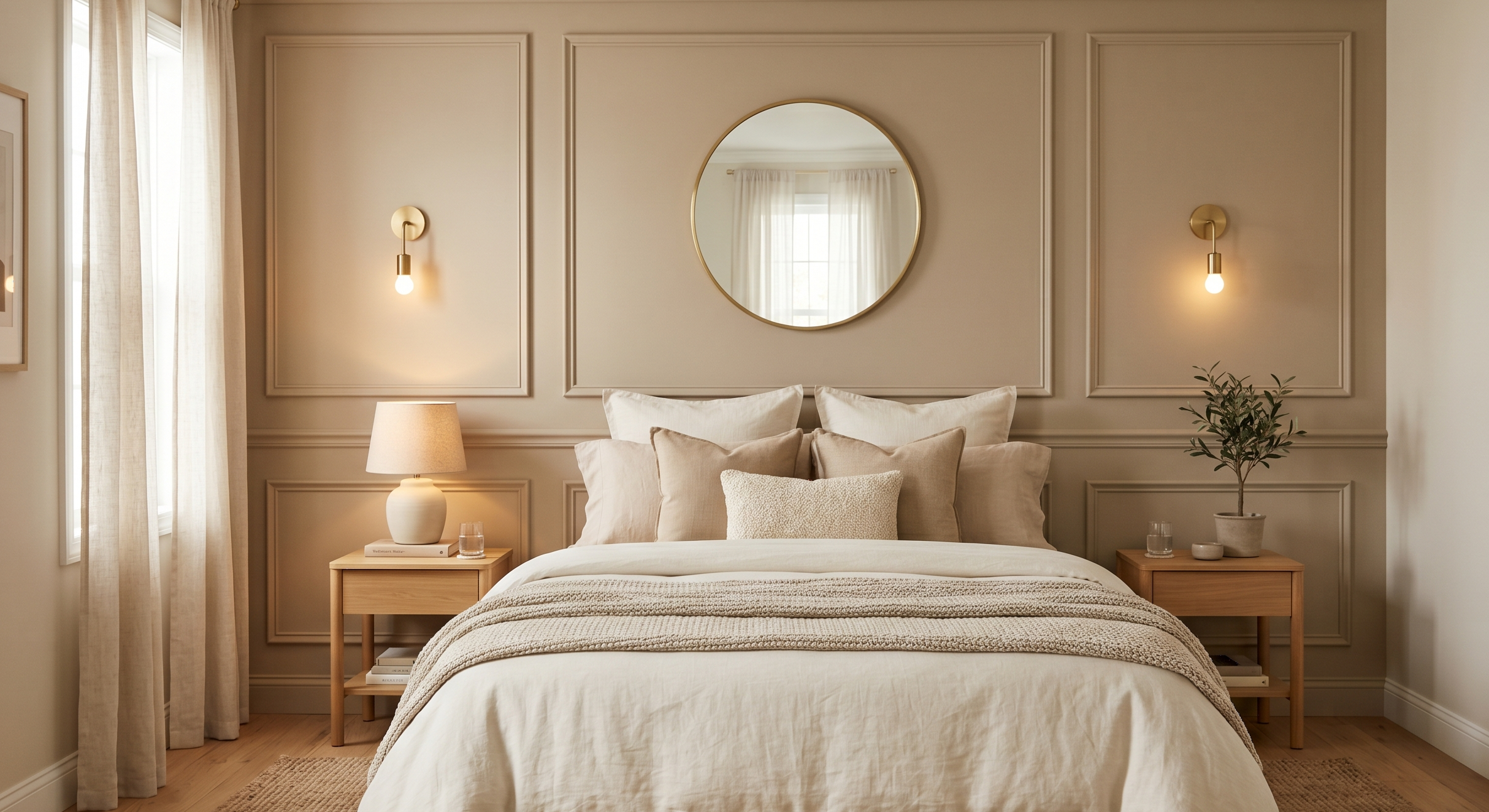
Not everywhere. Just selectively.
I added simple peel-and-stick molding behind my bed and it created a subtle architectural detail without needing renovation work.
The key is restraint.
One accent wall usually looks far more expensive than covering an entire room.
17. Keep Surfaces About 70% Empty
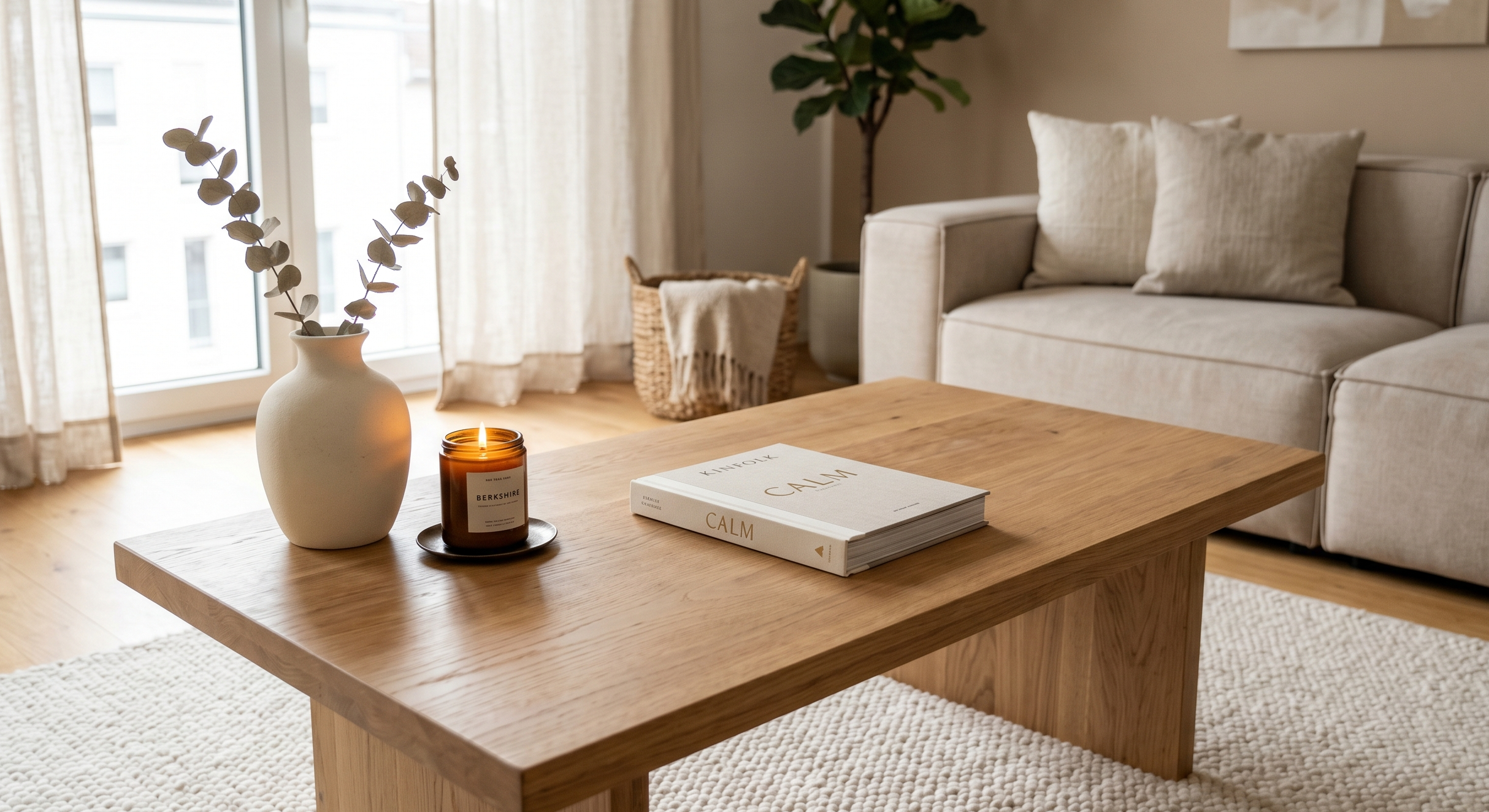
This became my personal rule because I tend to overdecorate.
Coffee tables, dressers, and shelves look more luxurious when they’re not packed full.
Leaving intentional empty space makes the items you do display stand out more.
Minimalism is really about editing.
18. Bring in One Large Plant
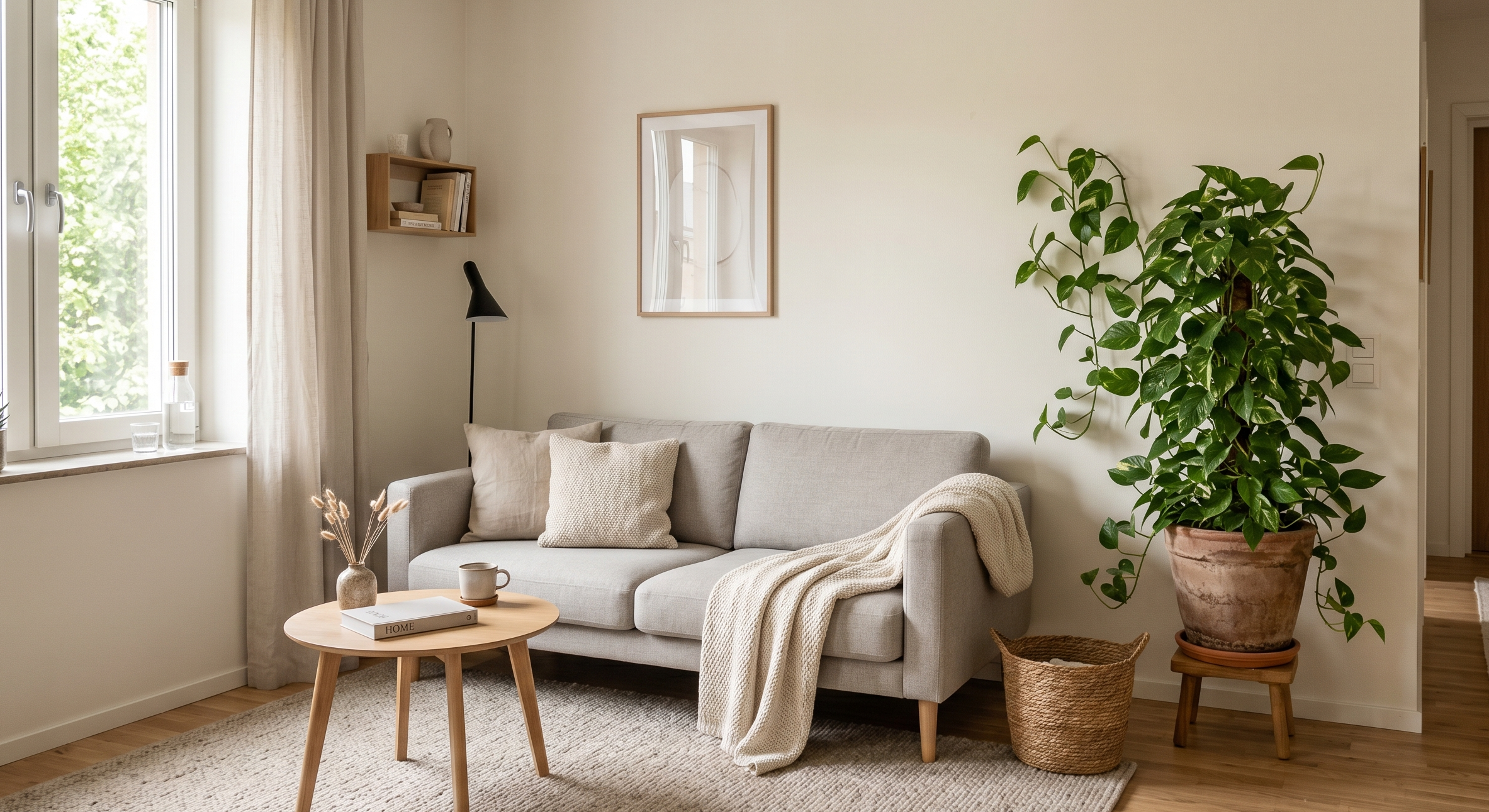
A room with no life can feel flat.
Even one affordable plant adds softness and movement.
I’ve had the same pothos plant for years because it survives my occasional neglect and somehow makes every corner look more styled.
Good beginner-friendly options:
- Snake plant
- Pothos
- Rubber plant
- ZZ plant
19. Match Storage Containers
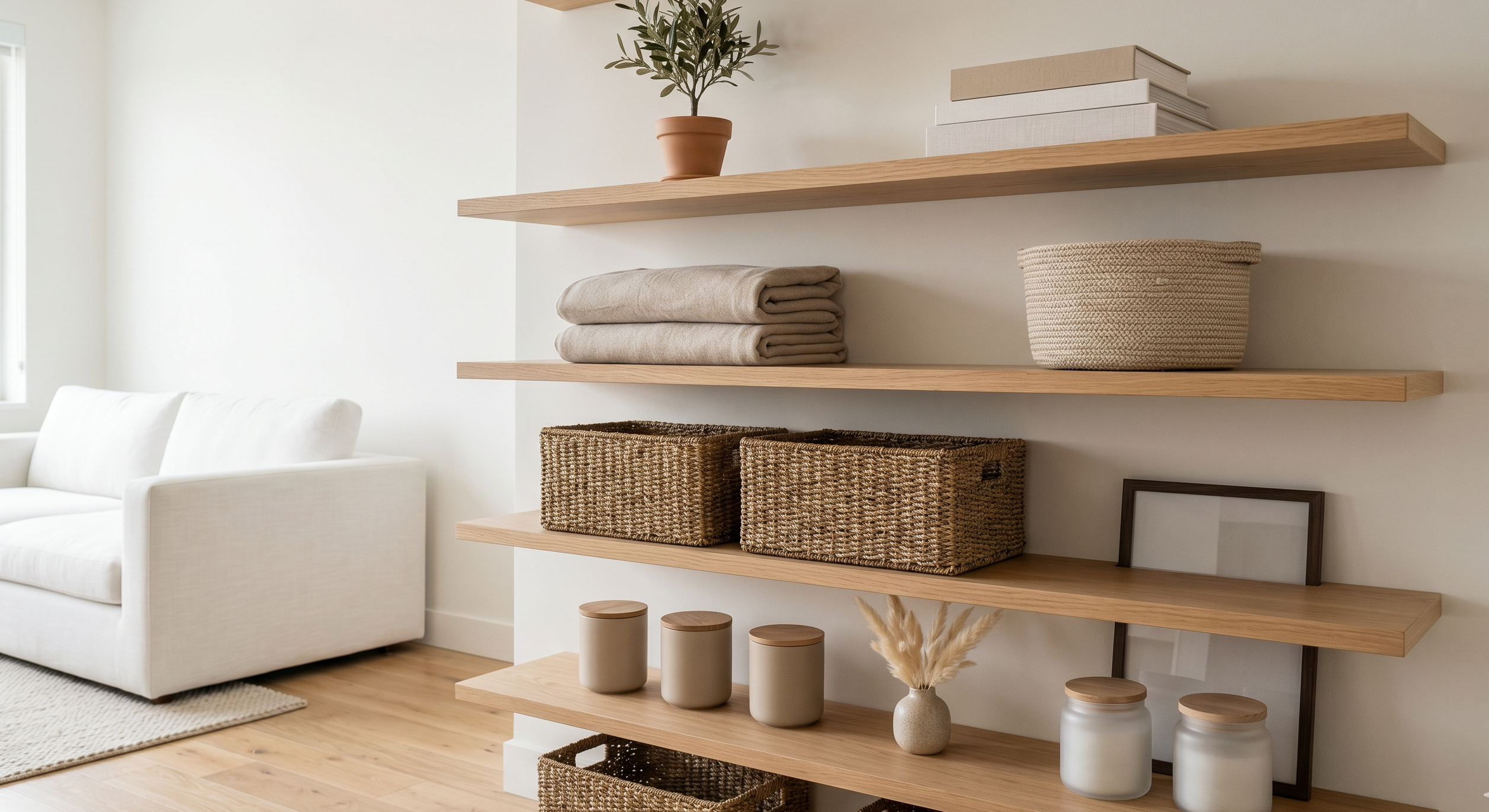
This sounds boring until you try it.
Matching baskets, jars, or storage boxes create visual consistency that makes rooms feel polished.
Before, my shelves had random colorful containers everywhere and it looked messy even when organized.
Now I stick to similar tones and materials.
Huge improvement.
Tiny Space Ideas I Wish I Knew Earlier
20. Use Foldable or Multi-Use Furniture
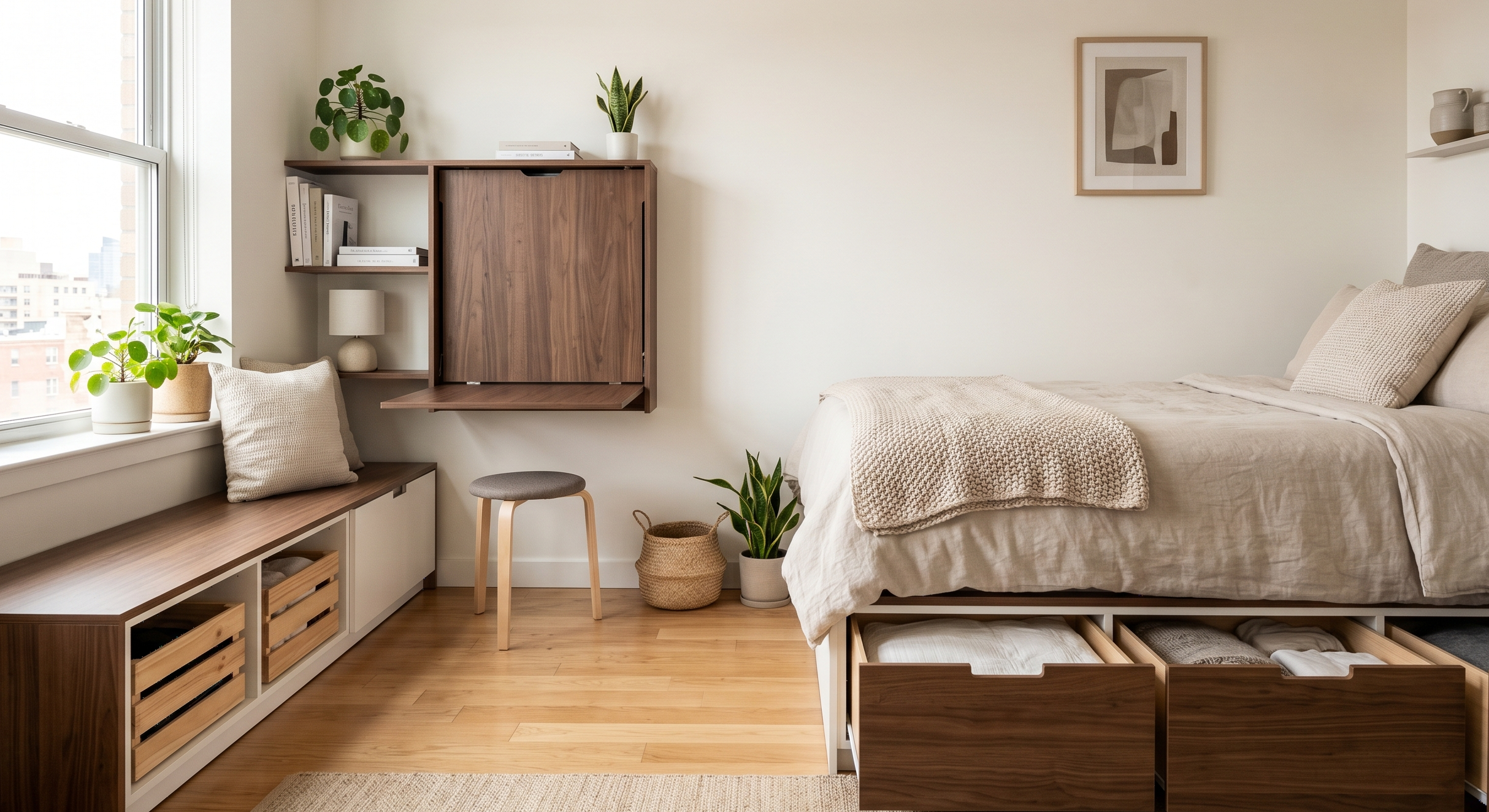
Small rooms need furniture that works harder.
Some things that helped me:
- Storage benches
- Nesting tables
- Foldable desks
- Beds with drawers underneath
I stopped buying furniture just because it looked cute and started asking:
“What job does this actually do?”
That mindset changed everything.
21. Don’t Overfill Corners
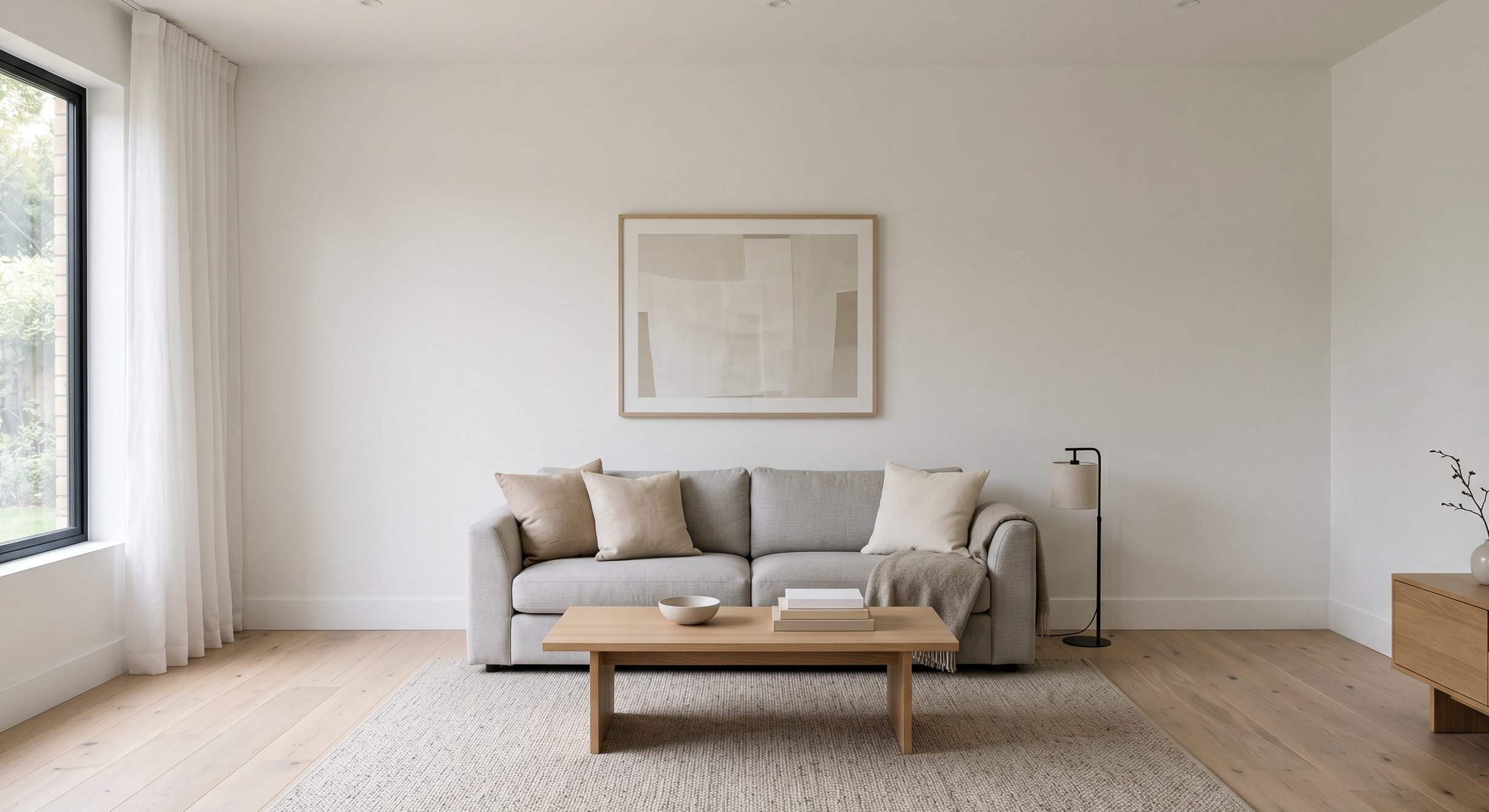
Not every corner needs something.
I used to feel weird leaving empty areas, but negative space actually helps small rooms breathe.
Sometimes the most expensive-looking rooms are the ones that know when to stop.
22. Stick to Simple Shapes
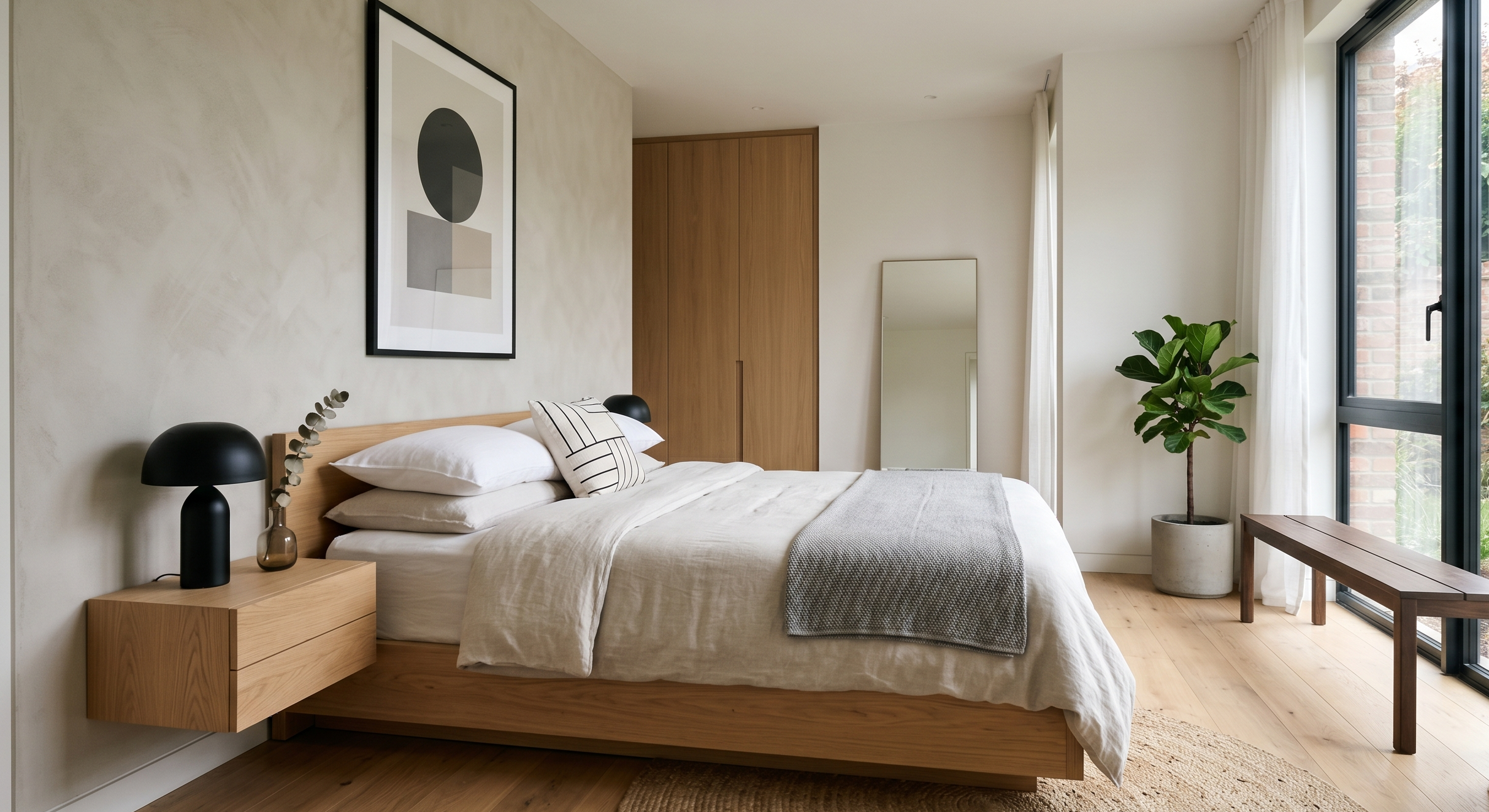
Minimalist rooms tend to feel calmer because the furniture lines are cleaner.
Too many ornate details can make small spaces feel visually crowded.
Simple silhouettes usually age better too.
23. Use Rugs Slightly Larger Than You Think
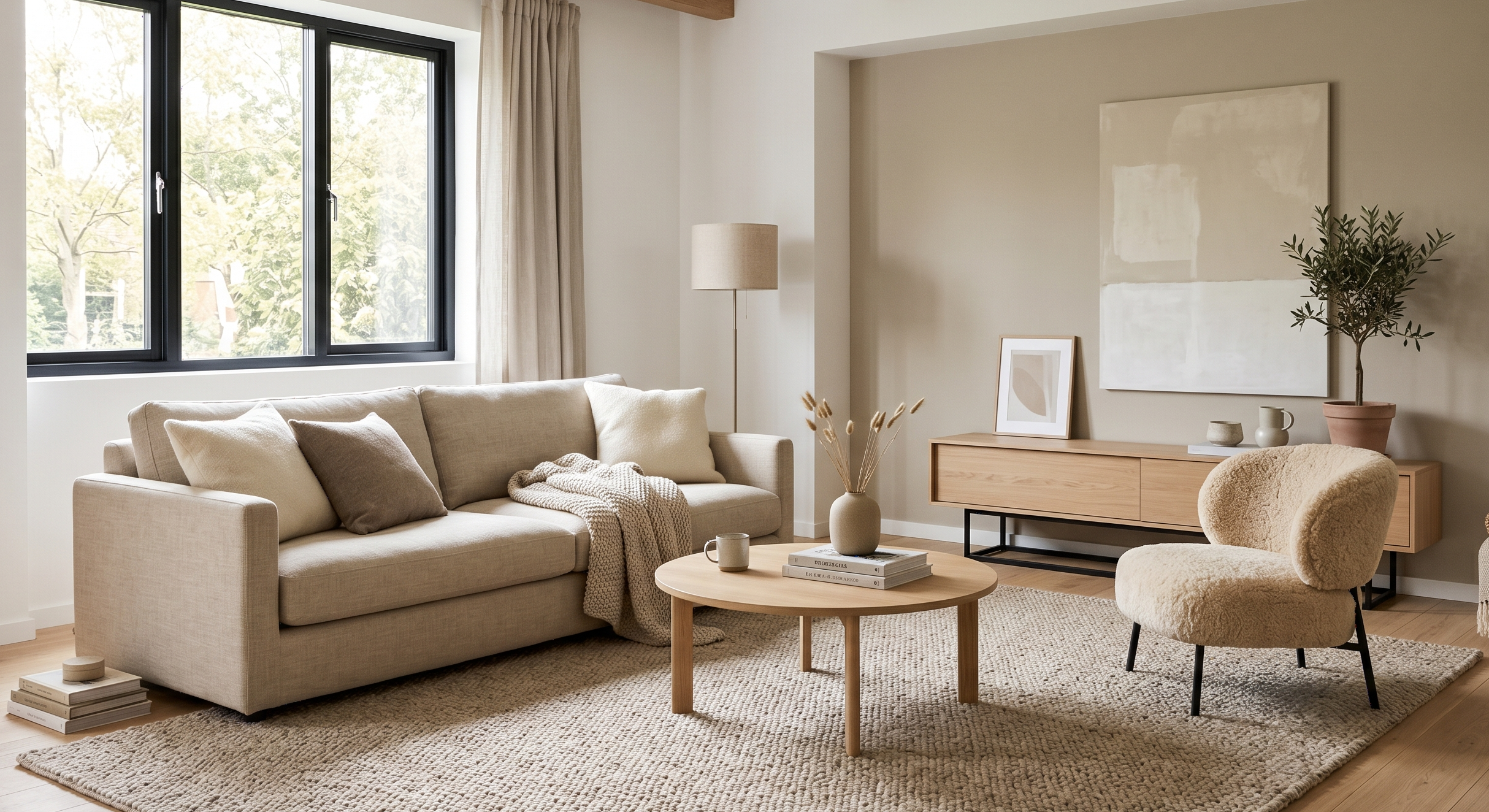
A rug that’s too small makes furniture look disconnected.
I learned this the hard way after buying tiny rugs for years because they were cheaper.
Once I finally used a larger neutral rug that fit underneath the furniture properly, the room instantly looked more cohesive.
24. Create One Focal Point
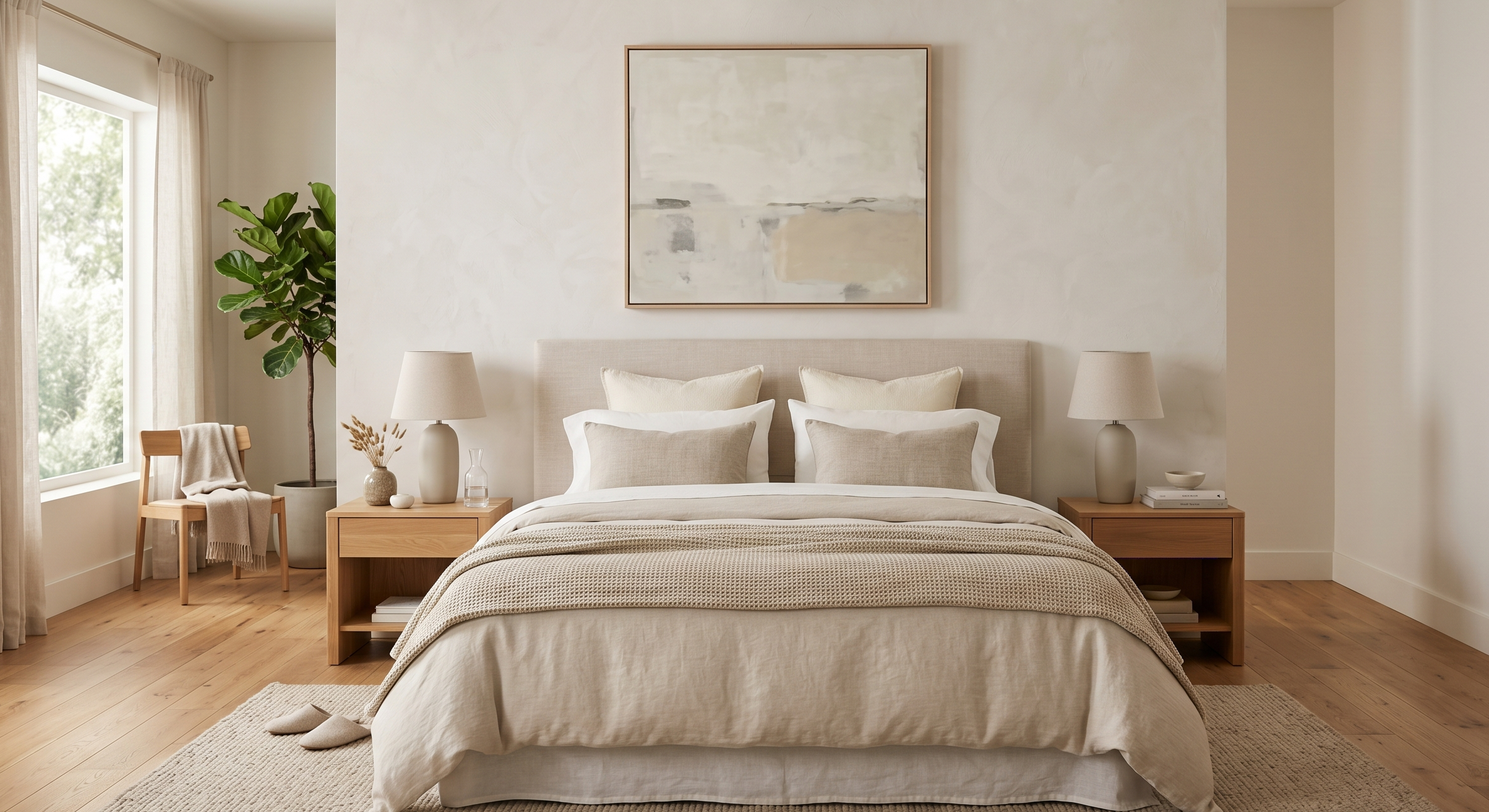
Every room needs somewhere for the eye to land.
Without it, spaces can feel scattered.
In my bedroom, it became the bed with soft layered bedding.
In my living room, it’s usually artwork or a mirror.
Pick one feature and let the rest support it quietly.
25. Edit the Room Little by Little
This might be the biggest lesson of all.
I used to think room makeovers had to happen all at once. But honestly, the best spaces evolve slowly.
One lamp.
One decluttering session.
One better curtain.
One smarter furniture layout.
That’s usually how real homes come together.
And sometimes the rooms that feel the most peaceful aren’t the biggest or most expensive ones. They’re just the ones where everything feels intentional.
Final Thoughts
What surprised me most about minimalist design is that it never really felt like “having less.”
It felt more like finally making space to breathe.
Once I stopped trying to fill every wall, shelf, and corner, my small room actually started feeling bigger — not physically, obviously, but mentally. Calmer. Easier to exist in.
And the best part is that most of these ideas don’t require a huge budget at all. A lot of them are simply about editing, rearranging, softening, and paying attention to how a room feels instead of how much stuff is inside it.
If you’re working with a small space right now, don’t underestimate tiny changes. Sometimes moving a mirror, changing a light bulb, or clearing one cluttered surface can completely shift the atmosphere of a room.
I still change things around constantly in my own space. I think that’s part of the fun of it honestly. Homes aren’t supposed to look frozen and perfect all the time.
They’re supposed to feel like you.