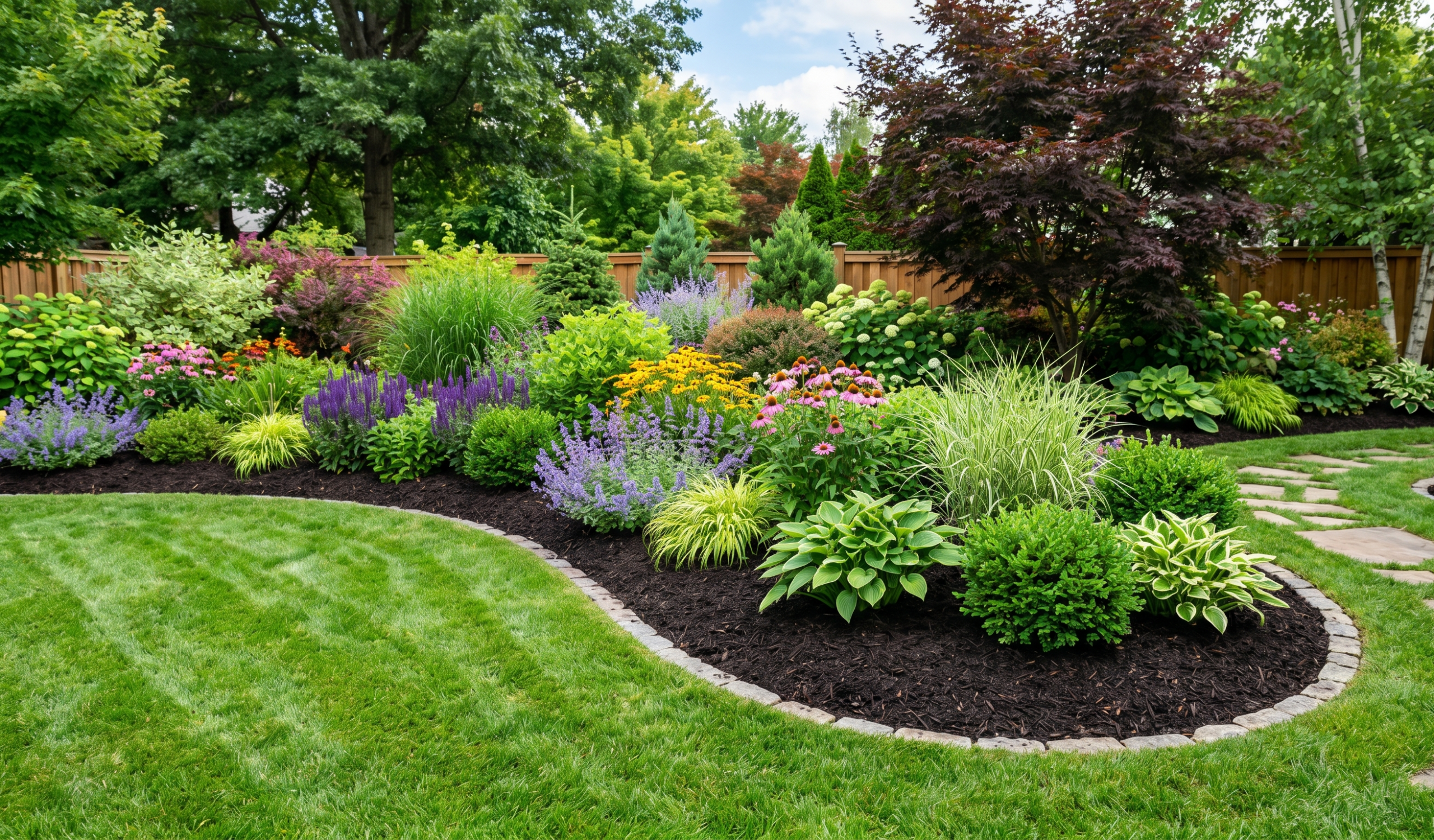
It started with a patchy, tired-looking yard…
I still remember standing outside one late afternoon, hose in hand, staring at my front yard like it had personally offended me.
Nothing was wrong, exactly. The plants were alive. The grass… mostly there. But the whole space felt flat. Kind of forgotten. Like it was waiting for something to pull it together.
And weirdly enough, that “something” turned out to be mulch.
I know—mulch doesn’t sound exciting. I used to think of it as that boring brown stuff people dump around plants and call it a day. But once I started experimenting with it (and honestly, making a few messy mistakes along the way), I realized mulch can completely transform a space—if you use it creatively.
So if your front yard feels a little unfinished or just… not as polished as you’d like, these ideas might help more than you expect.
Why Mulch Makes Everything Look Instantly Better
Before jumping into ideas, this part really surprised me.
Mulch isn’t just practical—it’s visual. It creates contrast, defines spaces, and gives your yard that “designed” look, even if you didn’t hire anyone.
When I first laid mulch properly, the biggest difference wasn’t the plants—it was how everything suddenly looked intentional.
A few things mulch does really well:
- Defines clean edges between lawn and beds
- Makes plants stand out more
- Covers uneven or patchy soil
- Adds texture and depth
- Gives that neat, “finished” appearance
And the best part? It’s one of the cheapest upgrades you can make.
1. Create Clean, Curved Garden Beds
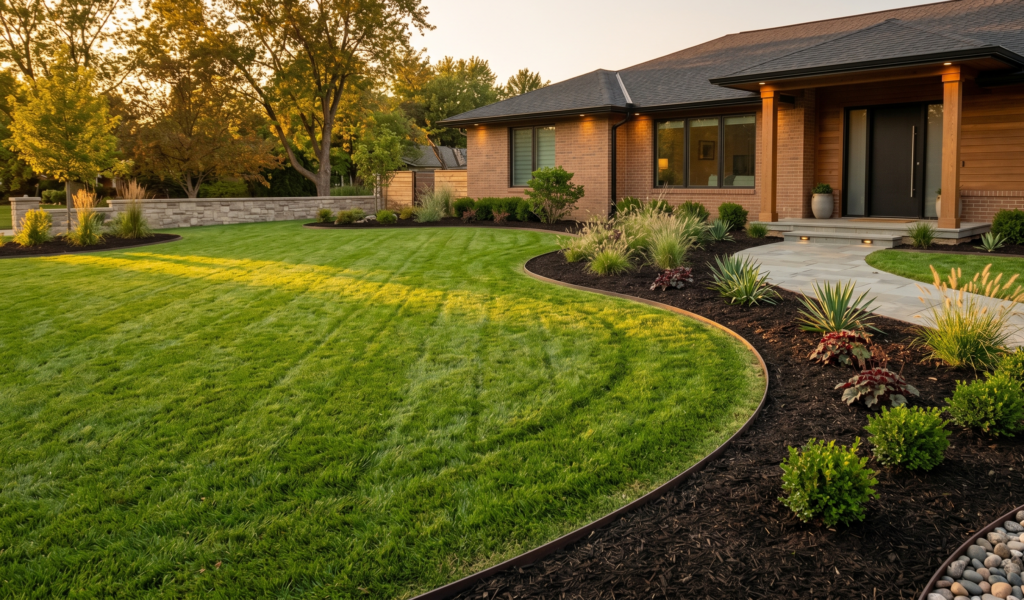
This was the first thing I tried—and honestly, it made the biggest difference.
Instead of straight, rigid lines, I carved out gentle curves along the edge of my lawn and filled them with mulch. Suddenly, the yard felt softer, more natural.
What worked for me:
- I used a simple garden hose to map out curves before digging
- Kept the curves wide and flowing (tight curves looked awkward)
- Added a 2–3 inch layer of mulch for a rich look
It felt like such a small change, but it made the yard look… designed. Not accidental.
2. Contrast Light Gravel with Dark Mulch
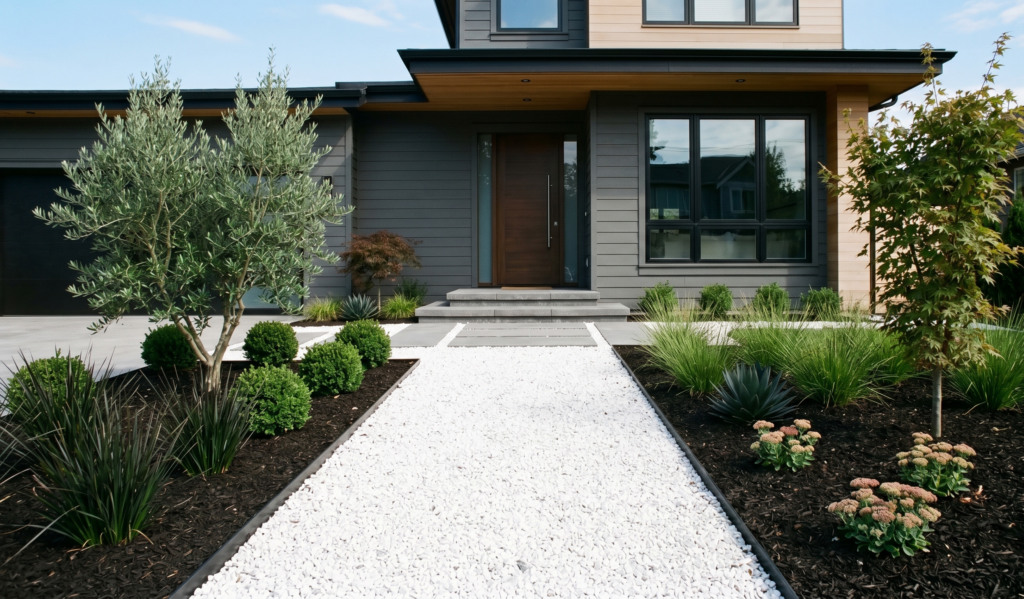
I didn’t expect this to look as good as it did.
Mixing materials—like pale gravel and dark mulch—creates contrast that feels surprisingly high-end.
Try this:
- Use dark mulch in planting areas
- Add a border or pathway with light gravel
- Keep edges clean so the contrast stands out
It’s simple, but it gives that “landscape designer was here” vibe.
3. Frame Your Walkway with Mulch Borders
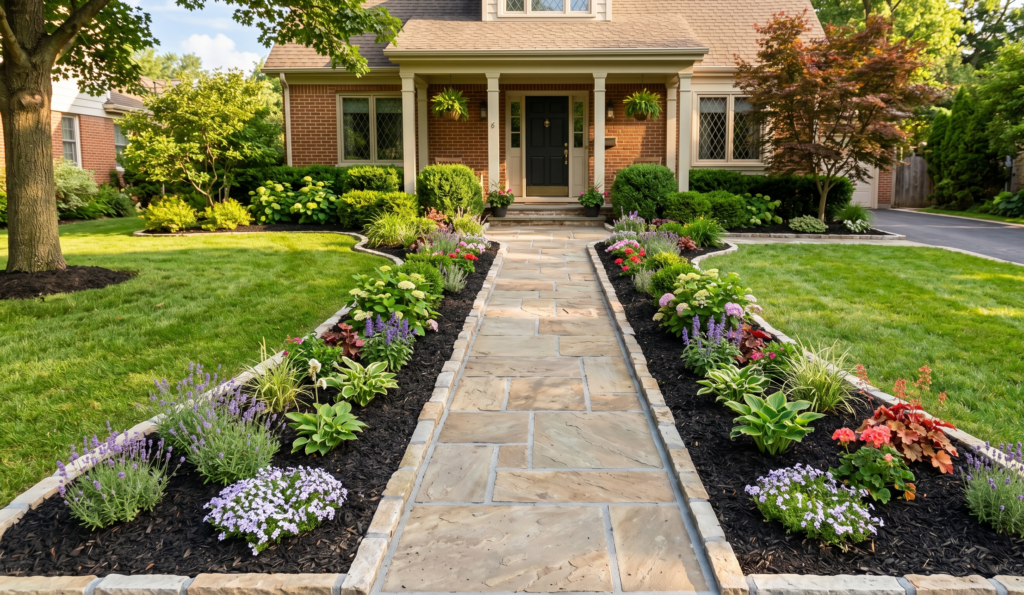
This one feels subtle, but it changes how people experience your yard.
I added mulch strips along both sides of my walkway, and suddenly the path felt more defined… almost like it was guiding you in.
Quick tips:
- Keep the mulch border even on both sides
- Add small plants or flowers for softness
- Use edging (brick, stone, or plastic) to keep it neat
It’s one of those quiet upgrades that makes everything feel more polished.
4. Use Mulch to Highlight a Focal Plant
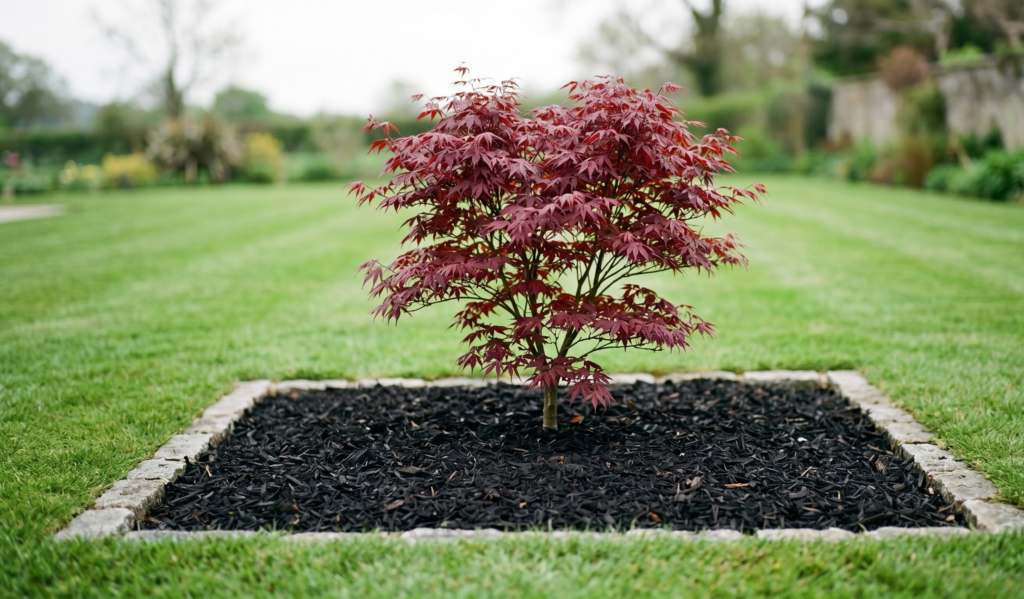
I learned this by accident.
I had one decent-looking shrub, nothing special—but when I cleared space around it and added fresh mulch, it suddenly became the star of the yard.
What makes this work:
- Clear clutter around the plant
- Use mulch to create a clean “frame”
- Keep the surrounding area simple
Sometimes it’s not about adding more… just making one thing stand out better.
5. Add a Mulch “Island” in the Lawn
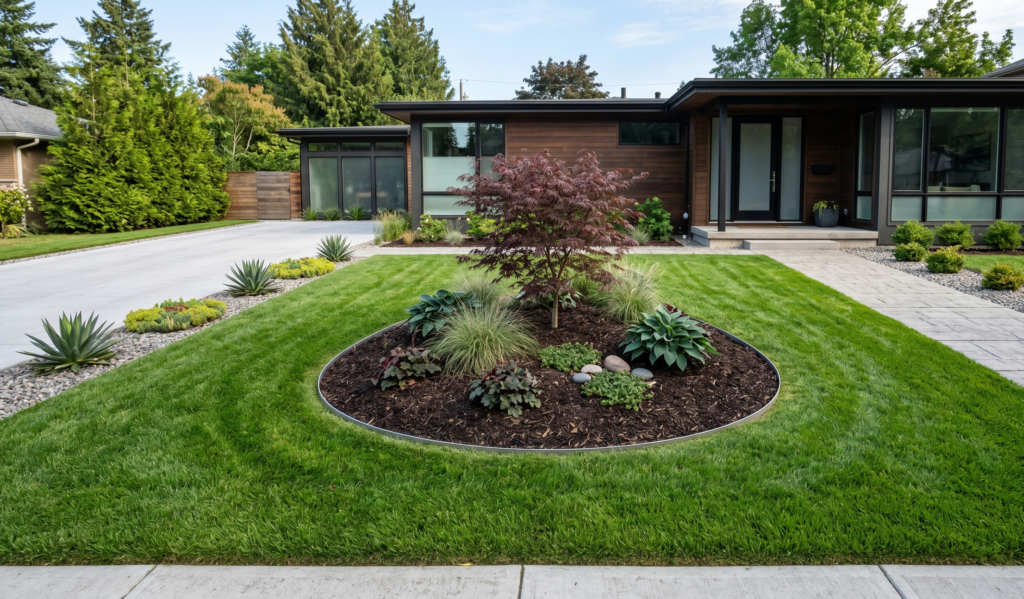
This idea felt a little risky at first, but it turned out to be one of my favorites.
Instead of keeping everything along the edges, I created a small mulch island in the middle of the lawn with a couple of plants.
Why it works:
- Breaks up large empty spaces
- Adds depth and dimension
- Makes the yard feel more dynamic
Just don’t overdo it. One well-placed island is usually enough.
6. Layer Different Mulch Colors (Carefully)
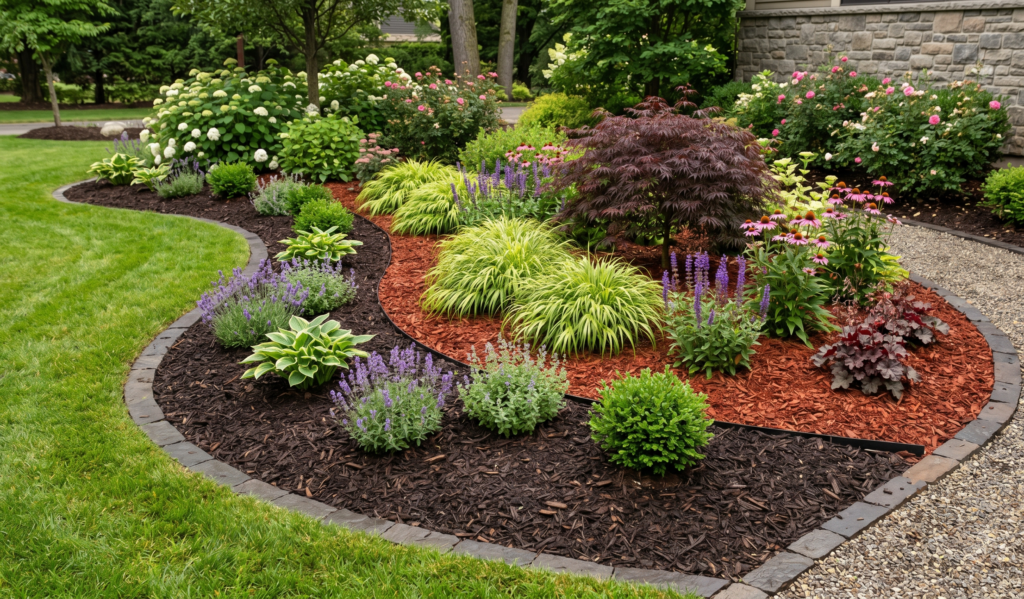
Okay, I’ll be honest—I almost messed this one up.
Too many colors can look chaotic. But when done right, layering mulch tones can add depth.
Keep it simple:
- Stick to two colors max (like dark brown + reddish mulch)
- Use one as the base, the other as an accent
- Separate with edging or plants
Less is definitely more here.
7. Edge Mulch Beds with Brick or Stone
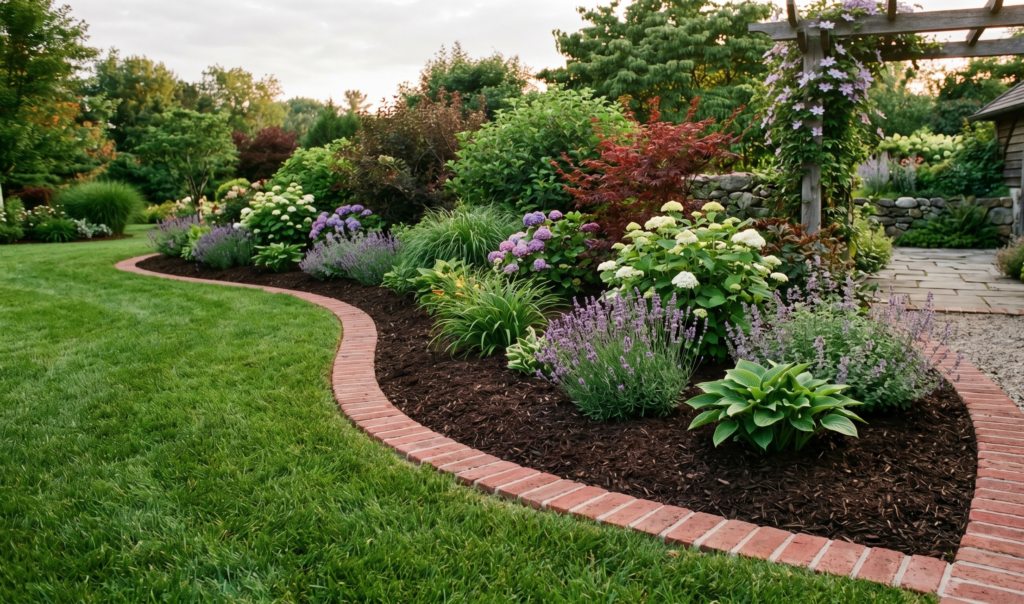
This is where things start looking expensive.
Even basic mulch looks premium when it’s framed properly.
Materials that worked well:
- Old bricks (super budget-friendly)
- Natural stone for a rustic look
- Concrete edging for something cleaner
I actually used leftover bricks from a small project, and it instantly elevated the whole space.
8. Mulch Around Trees (But Do It Right)
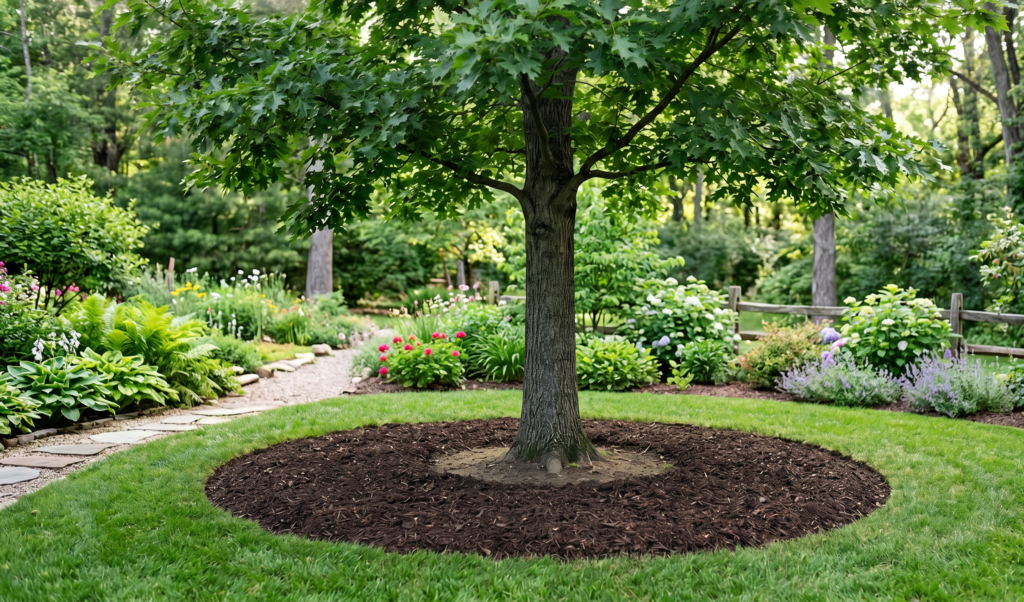
I used to pile mulch like a volcano around tree trunks… which, turns out, is not great.
Now I keep it simple and flat.
The right way:
- Create a wide ring, not a tall mound
- Keep mulch a few inches away from the trunk
- Maintain even thickness
It looks cleaner and keeps the tree healthier too.
9. Add Solar Lights Over Mulch Beds
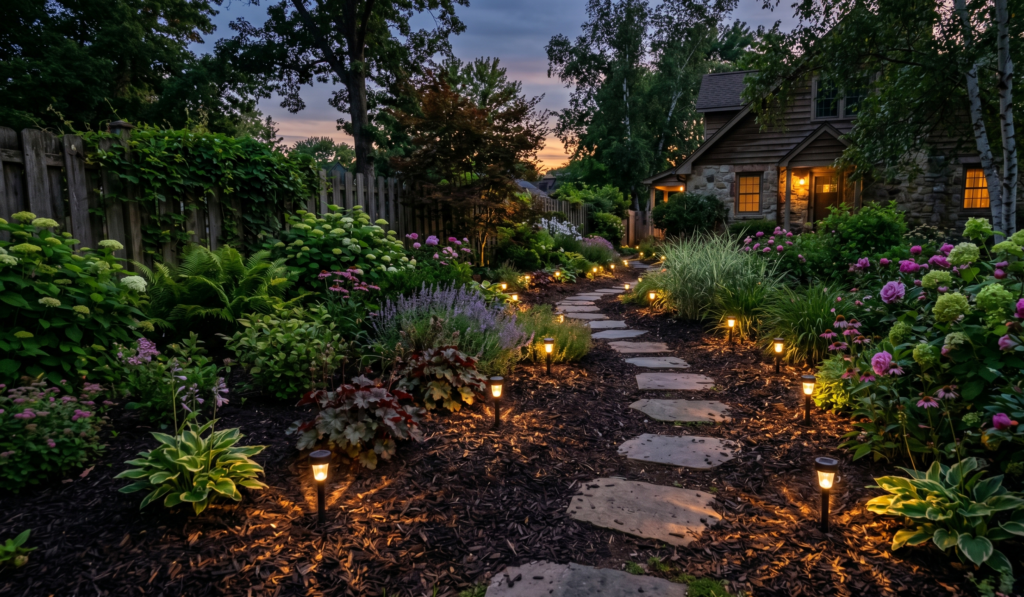
This one surprised me the most.
Mulch during the day looks neat—but at night, with soft lighting? Completely different mood.
What I noticed:
- Lights reflect softly off mulch textures
- Pathways become more inviting
- The whole yard feels warmer
And solar lights are cheap now, so it’s an easy upgrade.
10. Create a Minimalist Mulch Garden
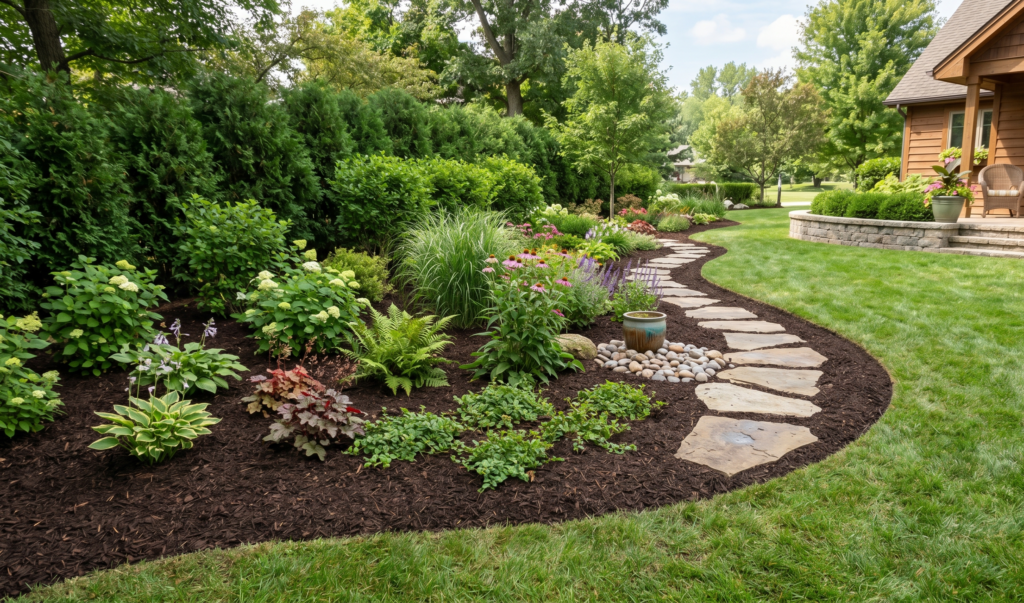
Sometimes less really is more.
I tried a section with just mulch and a few carefully placed plants—and it looked calm, modern, almost peaceful.
Keep it minimal:
- Limit plant variety
- Use consistent mulch color
- Focus on spacing and balance
It’s not flashy, but it feels intentional.
11. Use Mulch to Hide Problem Areas
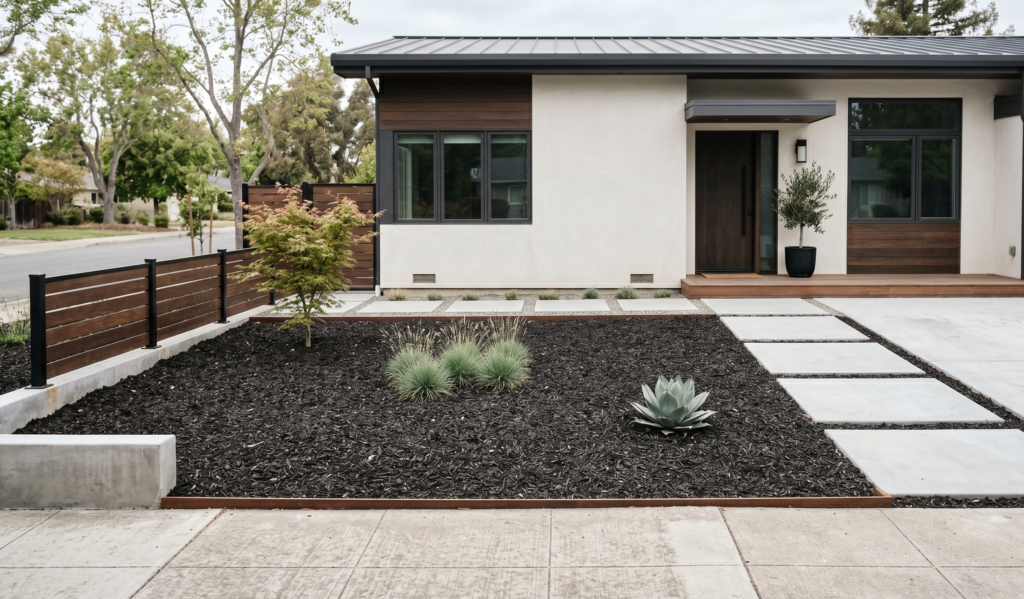
Every yard has that one awkward spot.
For me, it was a patch where grass just refused to grow.
Mulch fixed it instantly.
Good places to use this:
- Shady corners
- Dry, patchy areas
- Slopes or uneven ground
Instead of fighting the problem, just… cover it smartly.
12. Pair Mulch with Low-Cost Plants
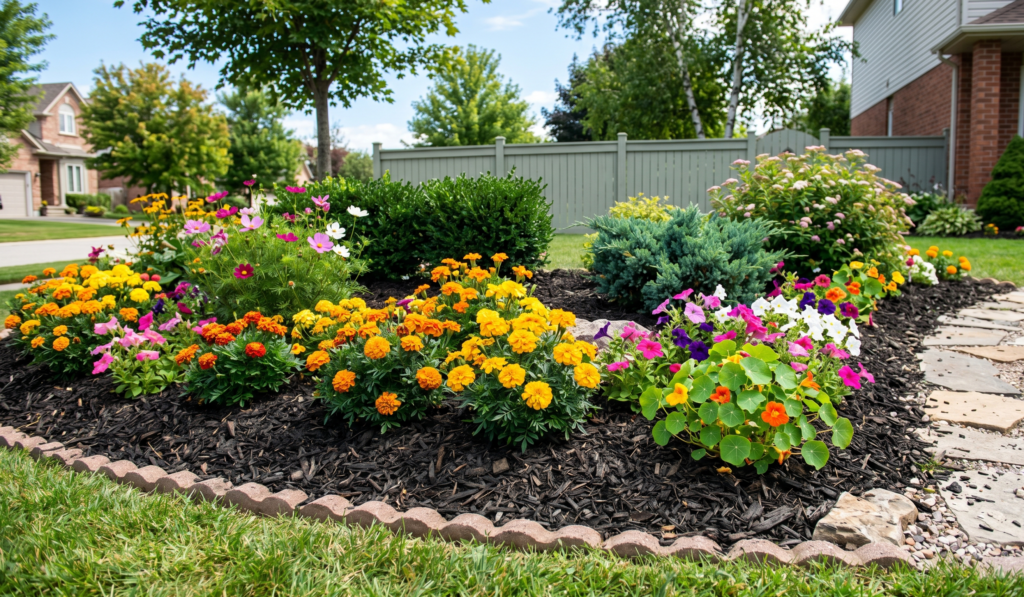
Mulch alone looks good—but paired with simple plants, it looks complete.
You don’t need anything fancy.
Budget-friendly options:
- Marigolds
- Small shrubs
- Ground cover plants
The mulch does most of the visual work. The plants just add life.
13. Define Separate Zones with Mulch
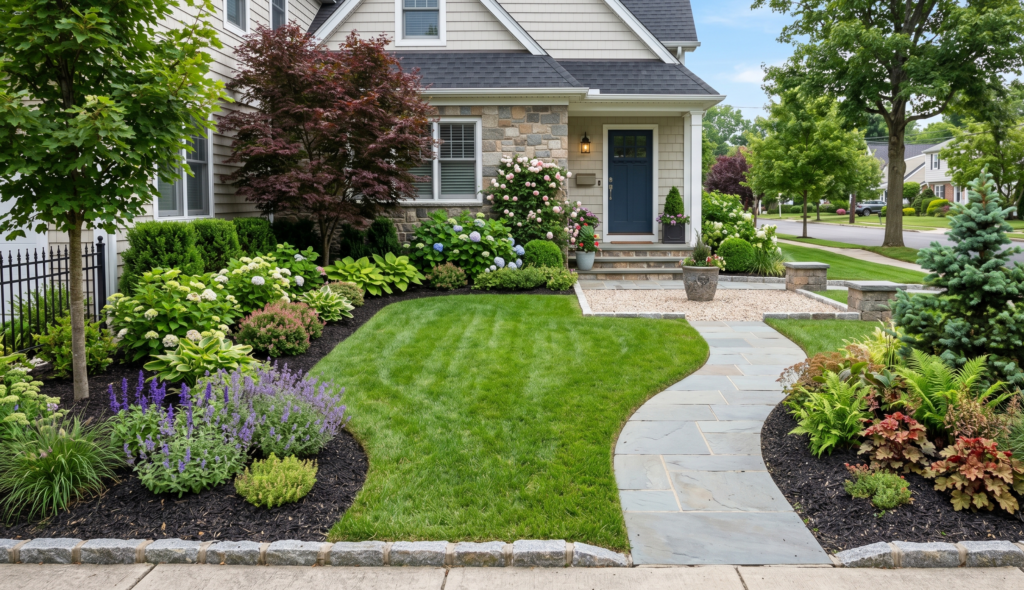
This idea made my yard feel bigger.
By using mulch to separate areas—like a planting zone, a pathway, and a small sitting spot—it created structure.
Think in zones:
- Lawn area
- Plant beds
- Decorative sections
Even a small yard can feel layered and intentional this way.
14. Refresh Mulch Regularly (It Matters More Than You Think)
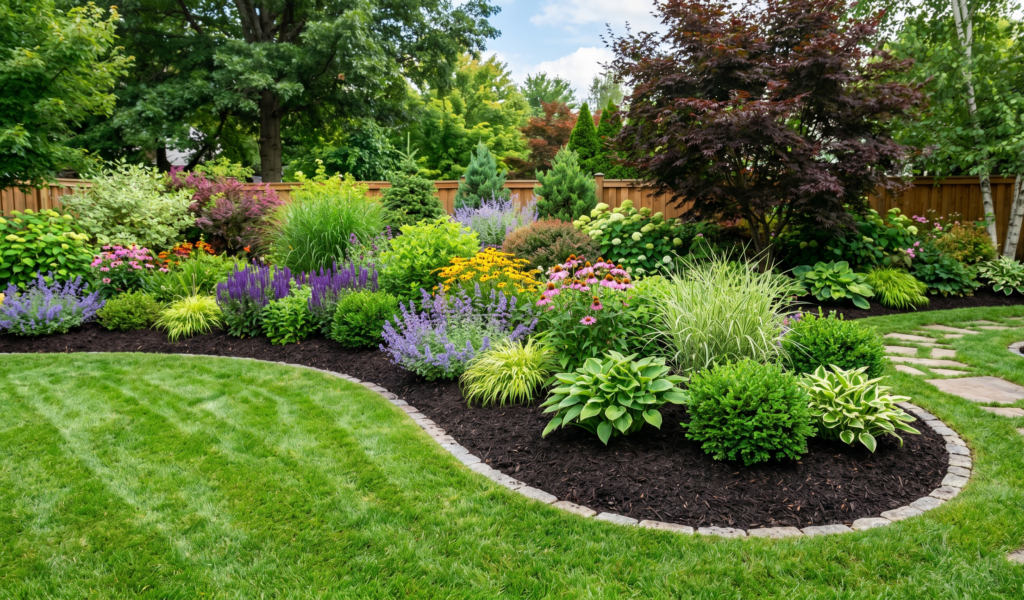
I didn’t realize how much faded mulch drags everything down.
When I refreshed it, the whole yard looked… new again.
Simple rule:
- Replace or top up mulch once or twice a year
- Rake it to keep it looking fresh
- Remove debris regularly
It’s a small effort with a big visual payoff.
15. Keep Edges Sharp and Clean
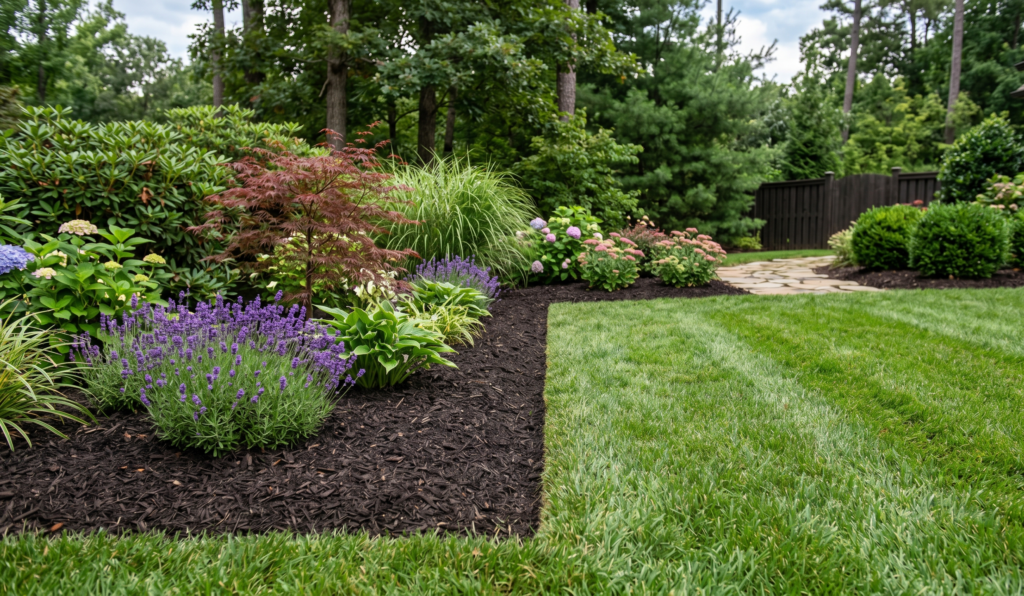
This might be the most underrated tip.
Even the best mulch setup looks messy if the edges are sloppy.
What helps:
- Use a spade to redefine edges
- Keep lines crisp
- Maintain regularly
Clean edges = expensive look. Every time.
A Few Things I Wish I Knew Earlier
Before wrapping up, here are a few small lessons I learned the hard way:
- Don’t spread mulch too thin—it looks cheap
- Don’t pile it too high—it looks messy
- Always prep the ground (remove weeds first)
- Invest a little time in edging—it makes everything better
It’s not complicated, but the details matter.
Final Thoughts: It’s Simpler Than It Looks
If you had told me earlier that mulch would be the thing that made my yard feel “put together,” I probably wouldn’t have believed you.
But here we are.
It’s not about spending a lot. It’s about using simple materials thoughtfully—creating contrast, defining spaces, and paying attention to small details.
And honestly, once you start, it’s kind of addictive. You fix one section, then another… and suddenly your yard feels like a place you actually want to spend time in.
If your front yard feels a little off right now, maybe start small. One edge. One bed. One idea.
That’s exactly how mine began.