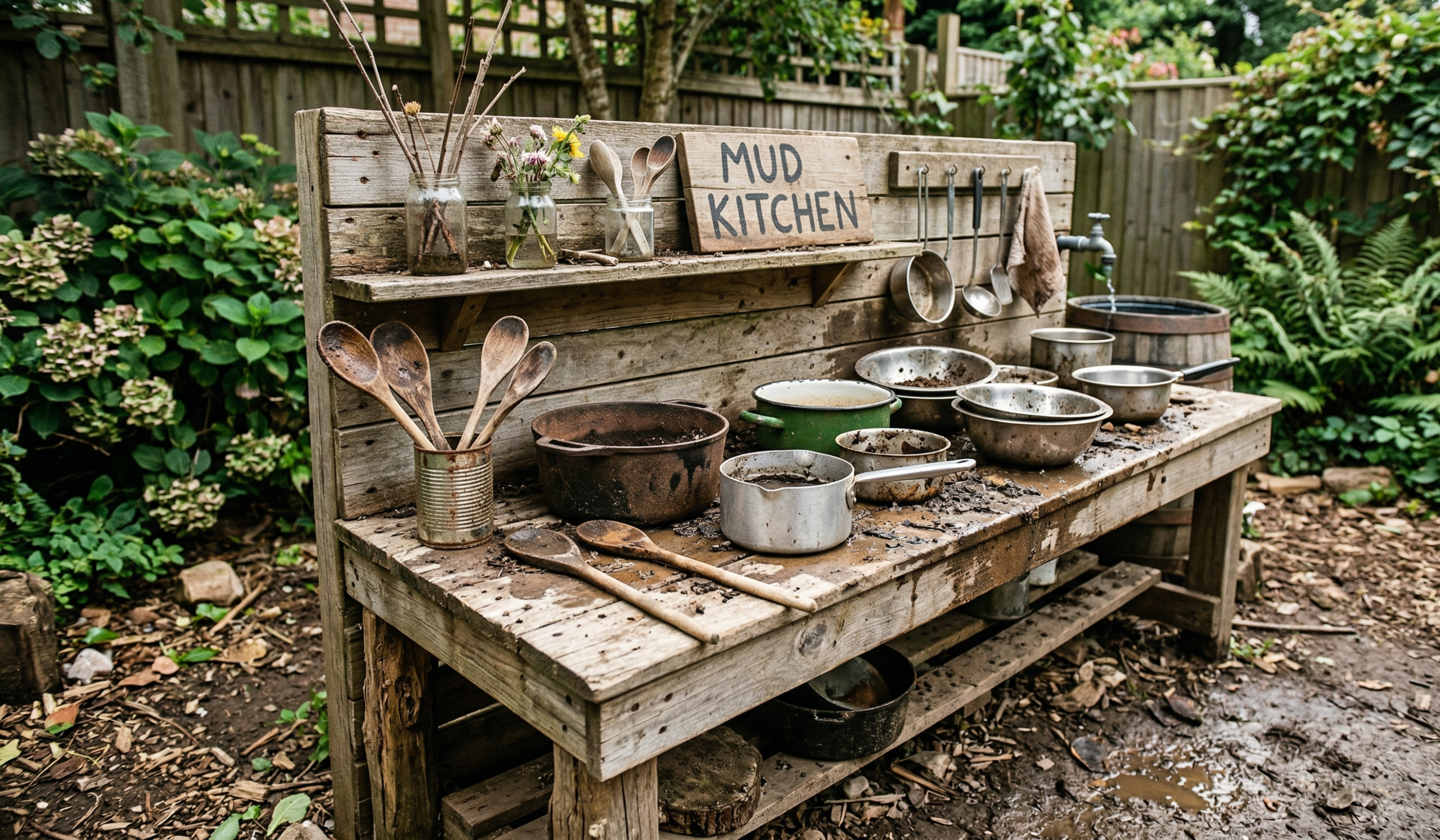
I didn’t expect a pile of dirt to become the most loved “toy” in our yard
I’ll be honest… when I first heard about mud kitchens, I thought it was just another Pinterest-perfect idea that looks amazing in photos but turns into chaos in real life.
And yes—there is chaos. There’s mud on tiny hands, on clothes, sometimes even in places I still don’t understand.
But somewhere between the mess and the giggles, I noticed something I hadn’t seen in a while… pure, uninterrupted play.
No screens. No “I’m bored.” Just kids completely lost in their own little world—mixing, pouring, pretending.
If you’re thinking about setting up a mud kitchen (or already have one and want fresh ideas), here are some things that worked surprisingly well for me… and honestly made the whole setup feel worth it.
Why mud kitchens are more than just messy play
Before jumping into the ideas, I want to say this—what surprised me most wasn’t the creativity… it was the calm.
There’s something about nature-based play that slows kids down in a really good way.
I started noticing:
- Longer attention spans (like… way longer)
- More imaginative storytelling
- Less dependency on toys that “do everything for them”
And the best part? You don’t need anything fancy.
Half the things we used were just lying around the house or backyard.
1. Rock Café (Yes, they will “serve” you meals)
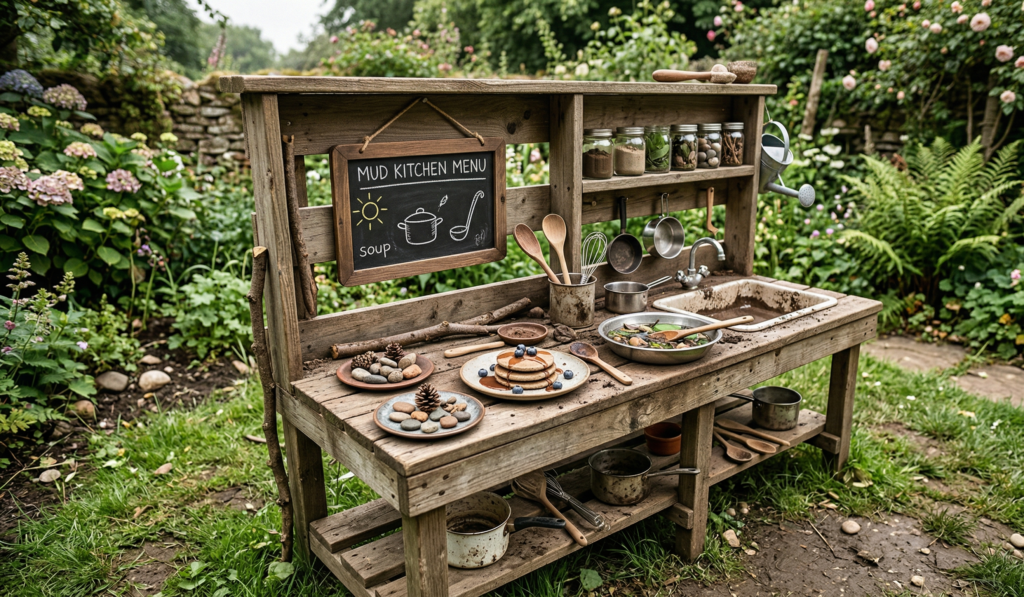
This was the first “theme” we tried, and it stuck.
I gave them a bunch of different rocks—flat ones, tiny pebbles, oddly shaped ones—and suddenly, we had a full restaurant setup.
They made things like:
- “Rock pancakes”
- “Stone soup”
- “Grilled pebble sandwiches” (don’t ask 😅)
What worked for me:
- Use old plates or trays for serving
- Add a small chalkboard for a “menu”
2. Nature Soup Station
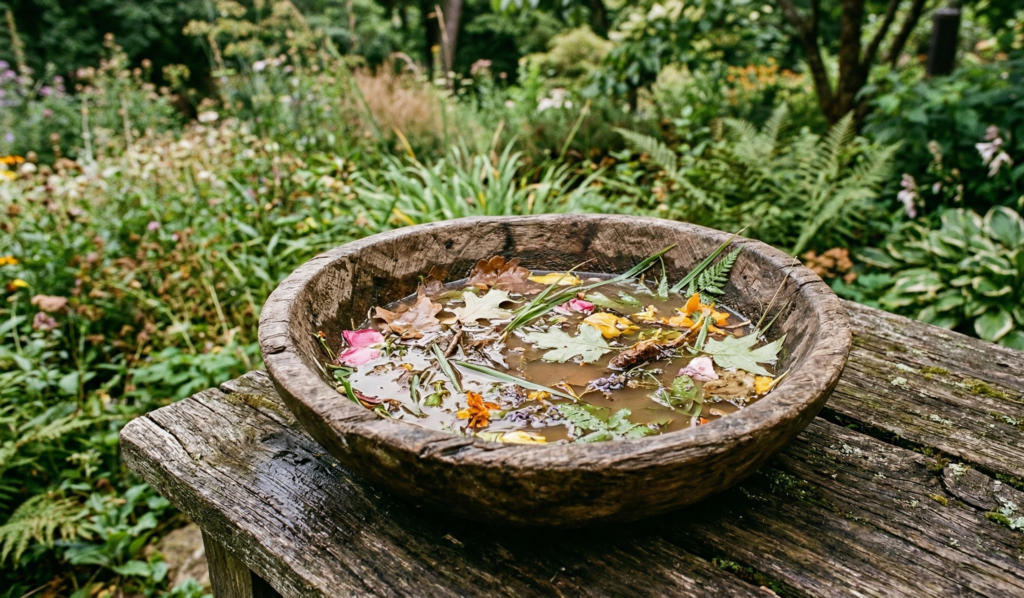
This one felt very… peaceful?
They collected leaves, petals, grass, and mixed everything in a bowl of muddy water.
And somehow, every time, it became a “special recipe.”
Helpful tip:
- Keep a small bucket of clean water nearby so they can control the texture
3. Mud Bakery Setup
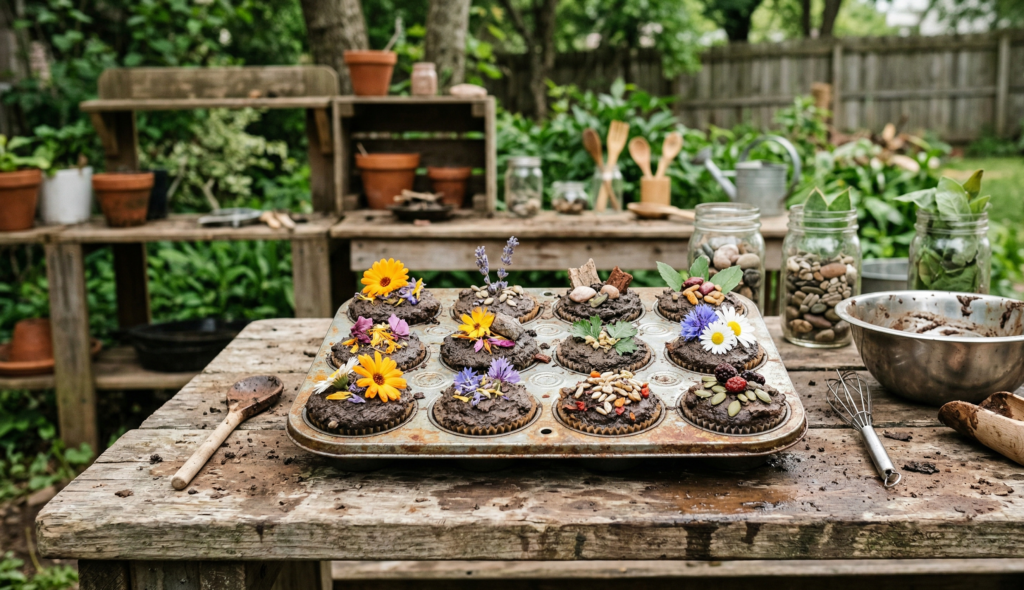
I didn’t think this would be a hit, but it turned into one of their favorites.
We used old muffin trays and small bowls to “bake” mud cupcakes.
They decorated with:
- Flower petals
- Tiny sticks
- Seeds
It actually looked… kind of pretty.
4. Potion Mixing Corner
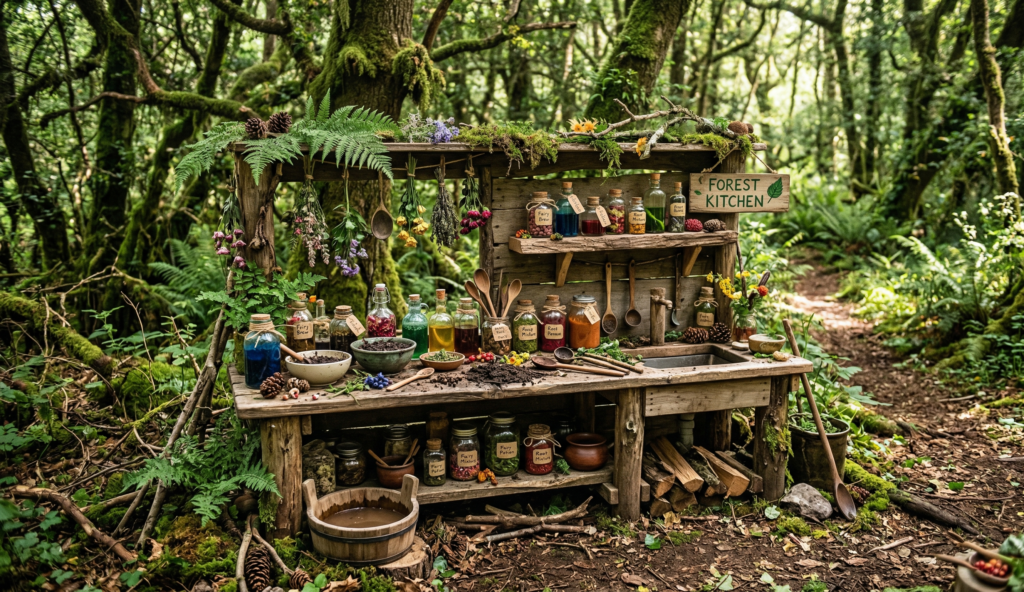
If your kids like a little bit of “magic,” this is gold.
We added:
- Old bottles
- Spoons
- A few drops of food coloring (optional)
And suddenly, it wasn’t just mud—it was potions, spells, secret recipes.
I heard things like:
“Don’t touch this one—it turns you invisible.”
5. Rainwater Cooking (unexpected but fun)
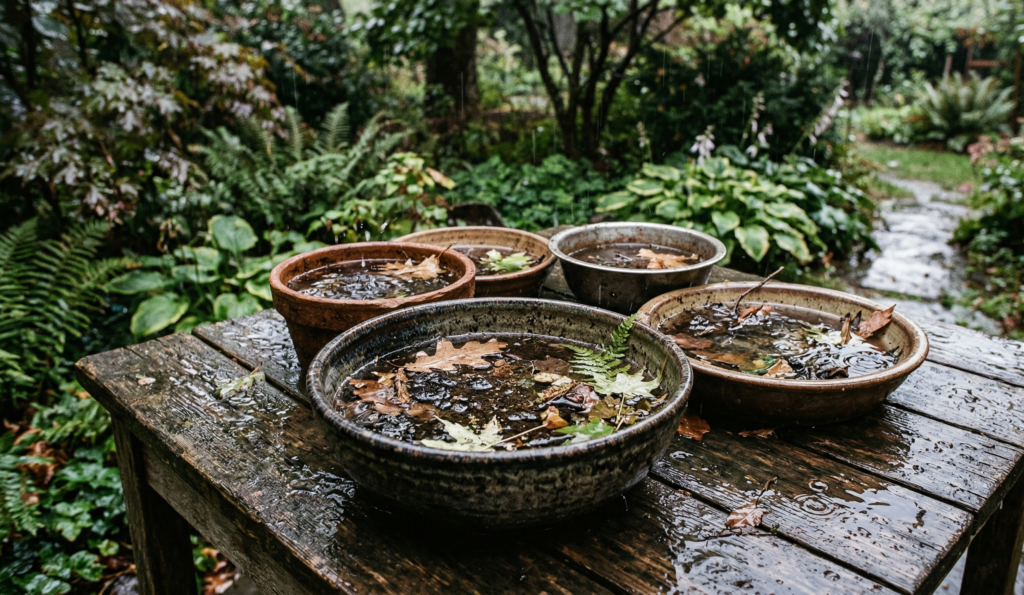
One rainy day, I just… let it happen.
They collected rainwater in bowls and started mixing it with dirt and leaves.
It felt very raw, very natural—and honestly, they were more engaged than usual.
6. Mud Pizza Station
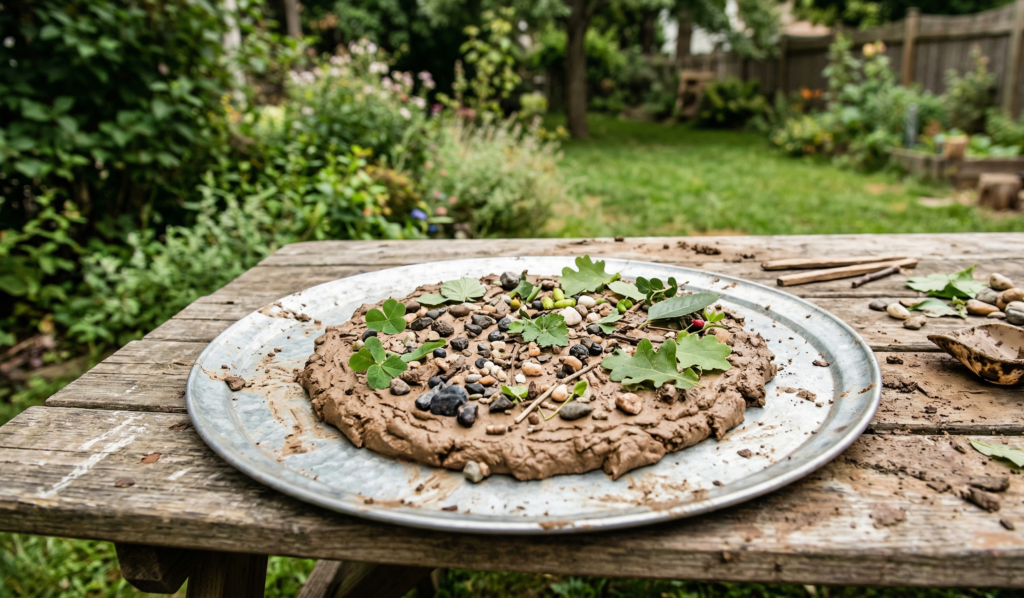
This one is easy to set up and super fun.
Use:
- Flat surfaces or trays as “pizza bases”
- Leaves as toppings
- Small stones as “cheese”
They’ll take it very seriously.
7. Herb & Smell Kitchen
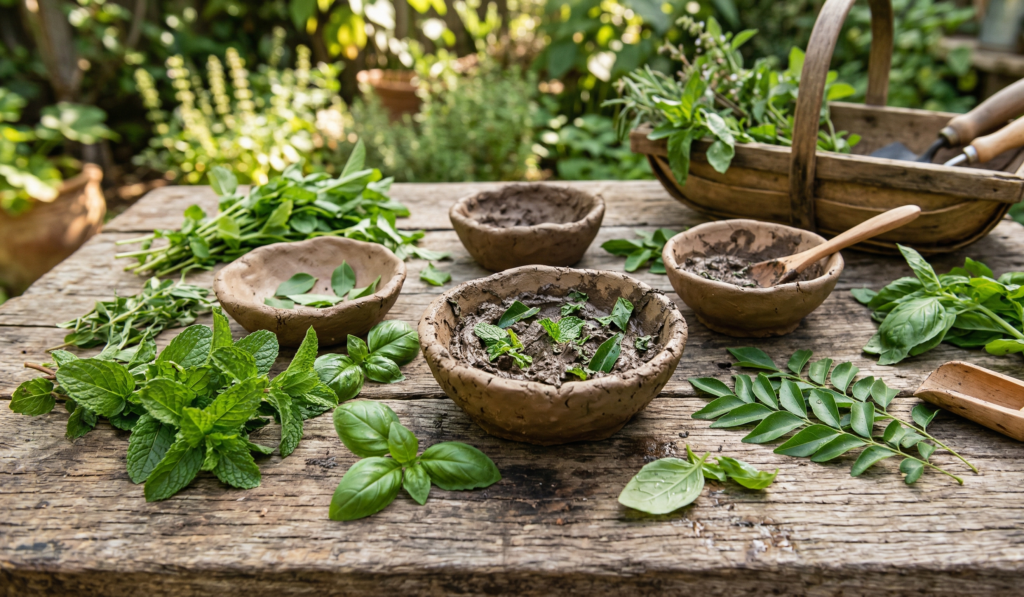
This became a sensory favorite.
I added a few herbs like:
- Mint
- Basil
- Curry leaves
They started crushing, mixing, smelling… and suddenly the whole thing felt more interactive.
8. “MasterChef” Mud Challenge
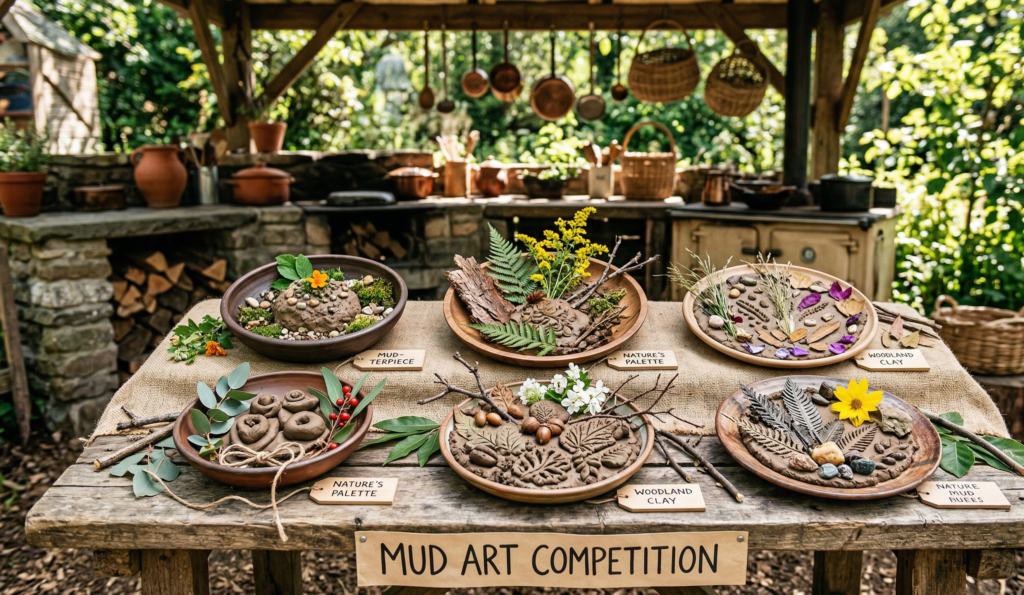
I once casually said, “Let’s see who can make the best dish.”
That’s it. That’s all it took.
They created full “presentations” and explained their dishes like little chefs.
You can even:
- Judge the dishes (in a fun way)
- Give silly awards like “Most Creative” or “Best Smell”
9. Construction Kitchen (for kids who like building)
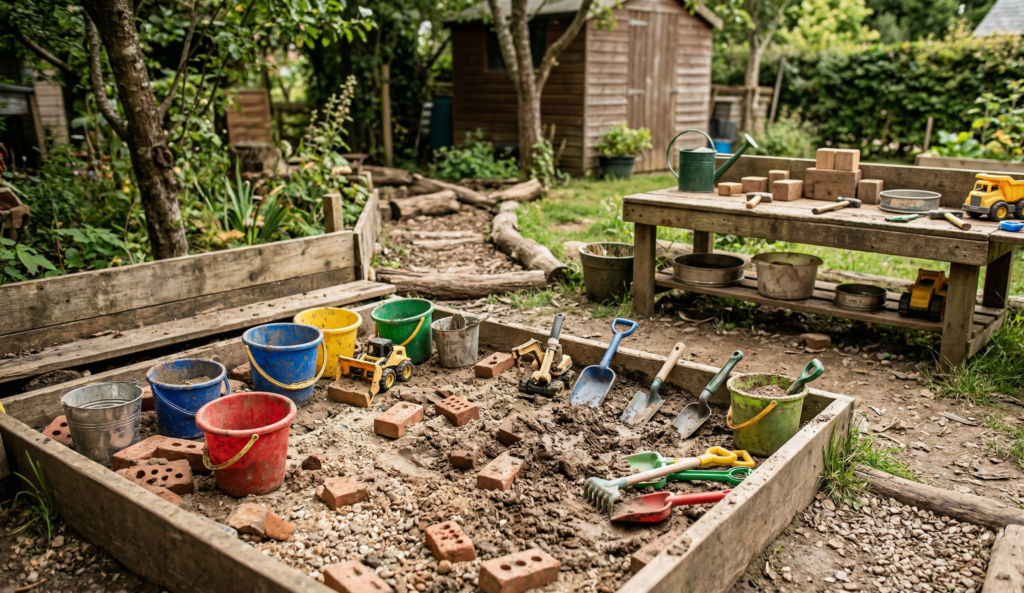
Not every kid wants to “cook.”
Some just want to build and destroy.
So we added:
- Small bricks
- Sand
- Water
And it turned into a construction + mud mixing station.
10. Fairy Garden Cooking
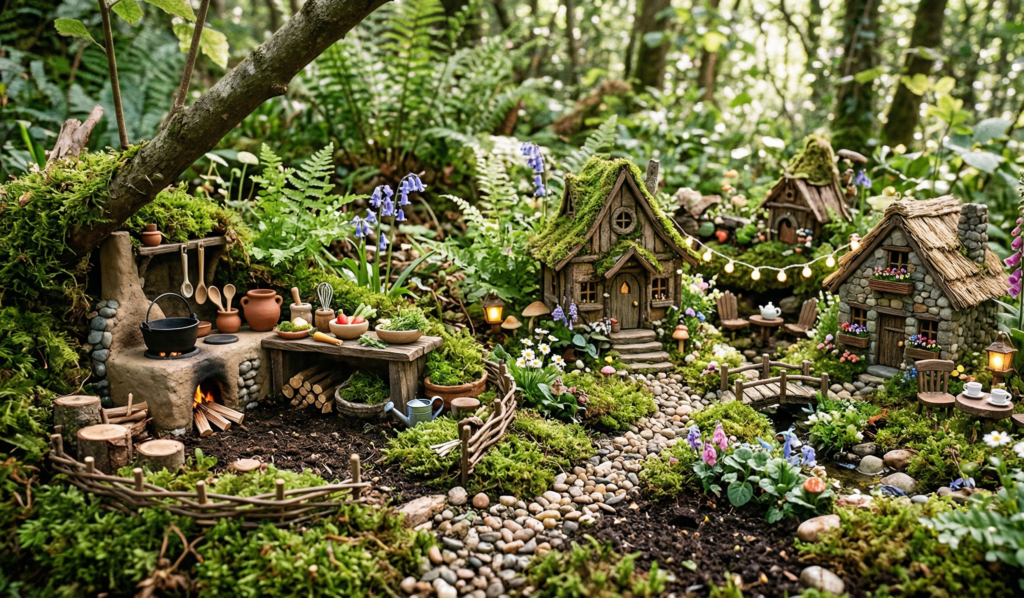
This one felt almost magical.
We added:
- Tiny figurines
- Mini houses
- Flowers and moss
And suddenly, they were “cooking” for fairies.
11. Ice + Mud Mixing (simple but exciting)
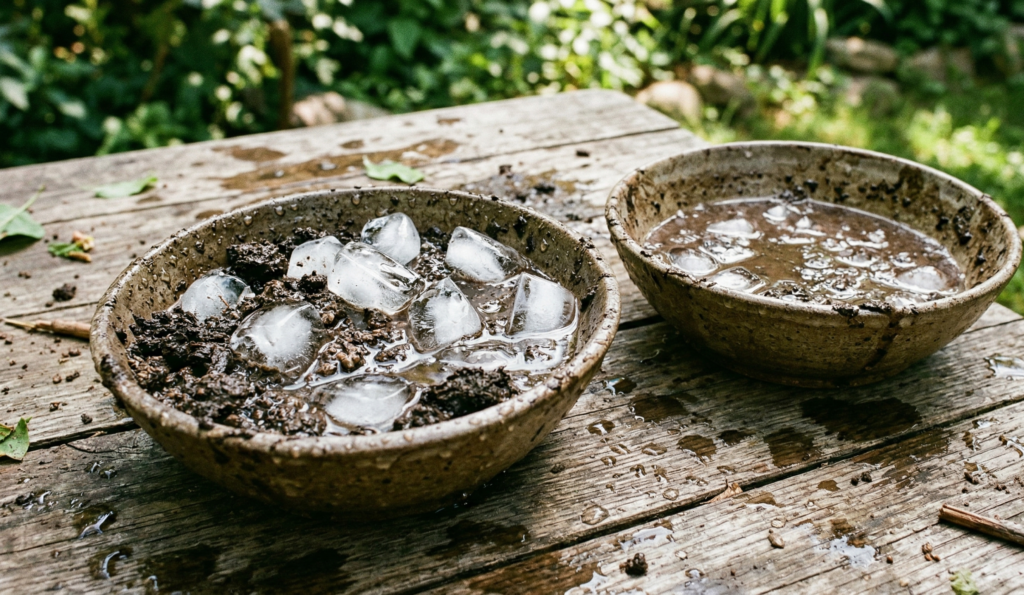
On a hot day, I added a few ice cubes to the setup.
That’s it.
The texture change alone made everything feel new again.
12. Color Mud Play
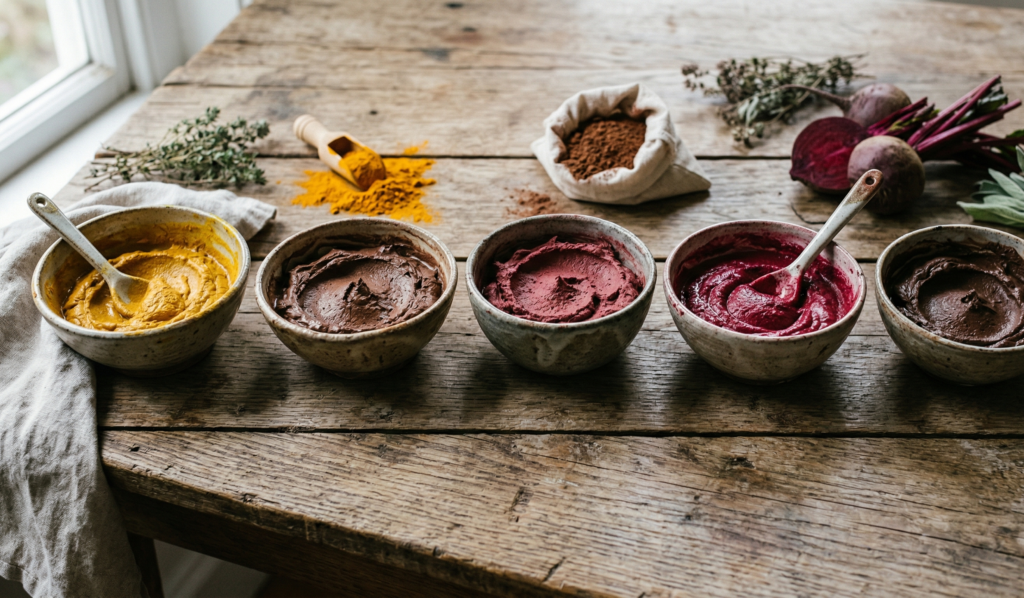
If you’re okay with a bit more mess, this is fun.
Add natural colors like:
- Turmeric (yellow)
- Cocoa powder (brown)
- Beetroot water (pinkish)
Now the mud isn’t just mud—it’s “ingredients.”
13. “Restaurant Open” Role Play
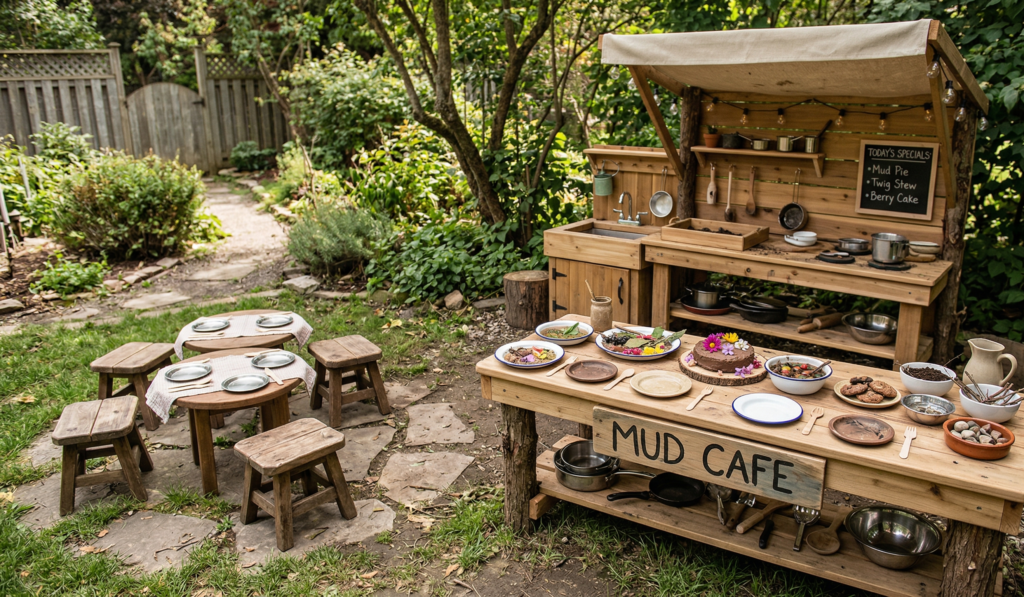
We set up:
- A small seating area
- A “serving counter”
And suddenly, I was the customer.
I got served things like:
“Hot mud tea” and “leaf salad.”
Not gonna lie—I played along more than I expected.
14. Nature Collection Walk + Cooking
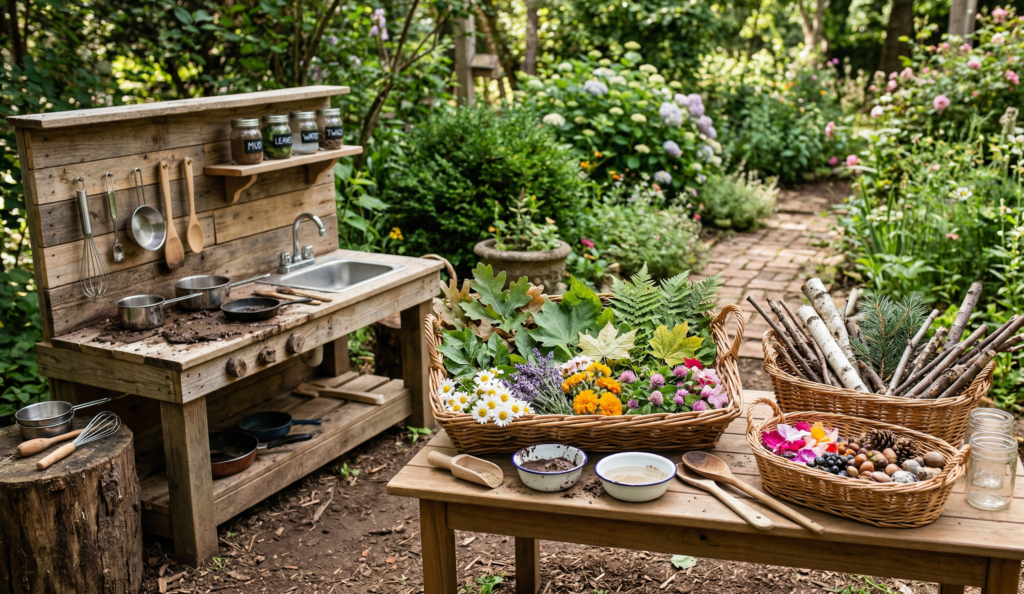
Before starting, we took a short walk to collect:
- Leaves
- Twigs
- Flowers
Then came back and used them in the mud kitchen.
It made the play feel more intentional.
15. Old Utensils = Instant Upgrade
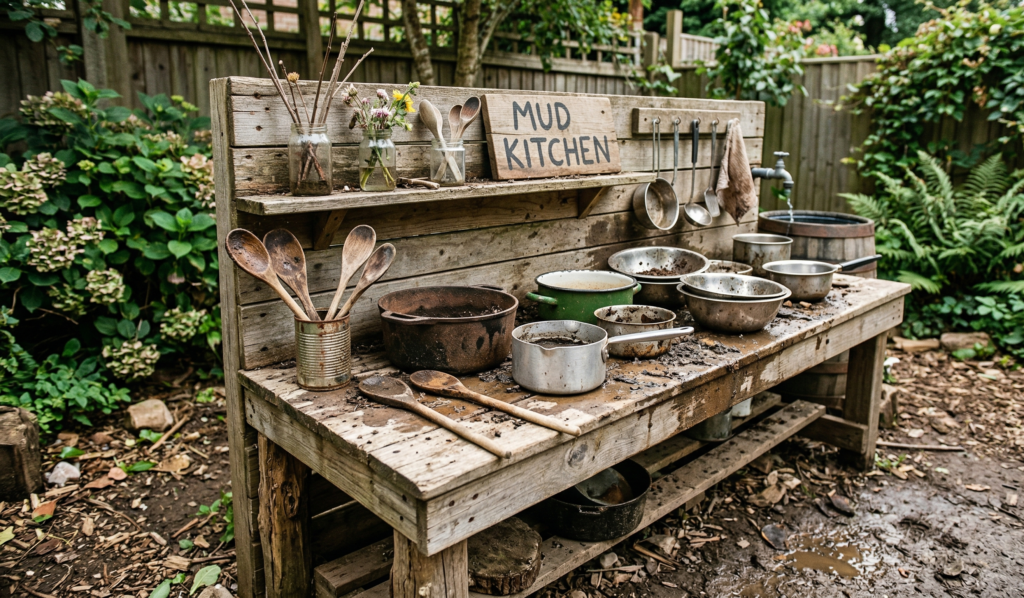
This made a bigger difference than I thought.
Adding real (safe) kitchen items like:
- Old pans
- Wooden spoons
- Steel bowls
Made everything feel more “real” to them.
16. Mud Ice Cream Shop
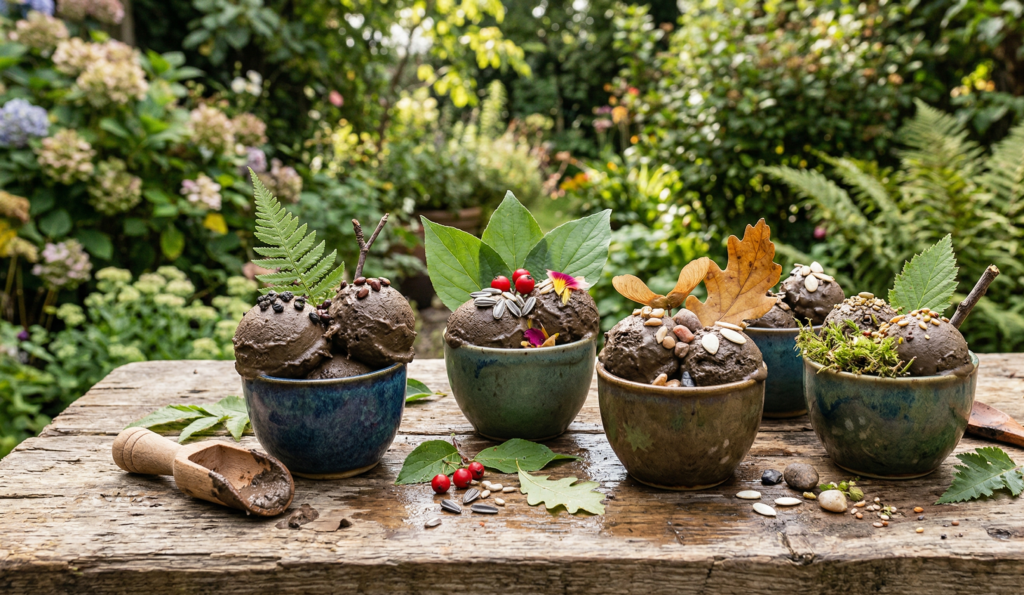
This one was adorable.
Use:
- Scoops (or even spoons)
- Cups or cones (paper ones work fine)
They made “flavors” using different textures and toppings.
17. Washing Station (trust me on this)
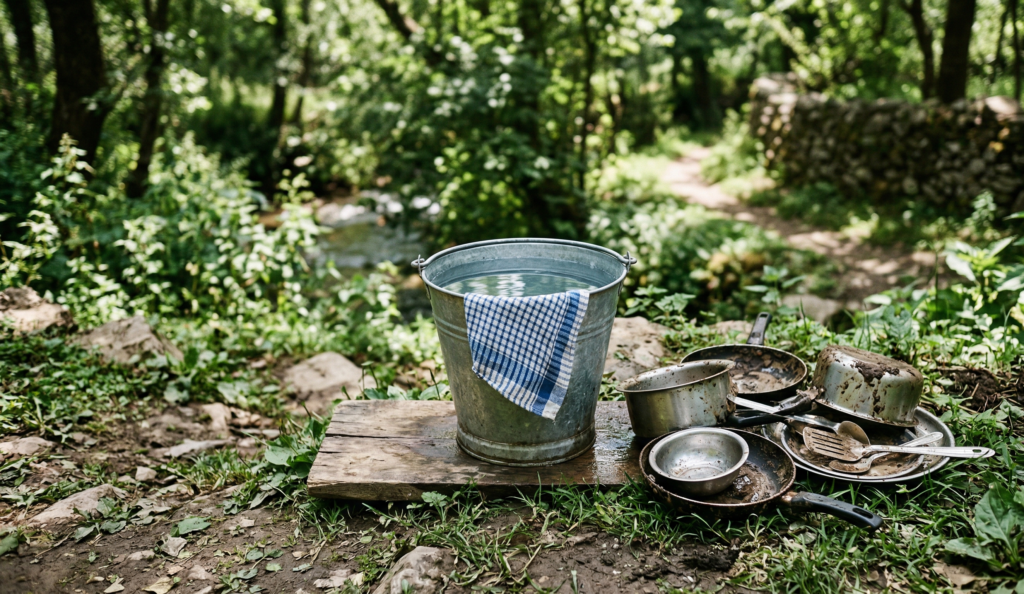
I didn’t plan this—but added a bucket of clean water and cloth.
They started “washing dishes”… and spent a long time doing it.
It added a calming end to messy play.
18. Story-Based Cooking
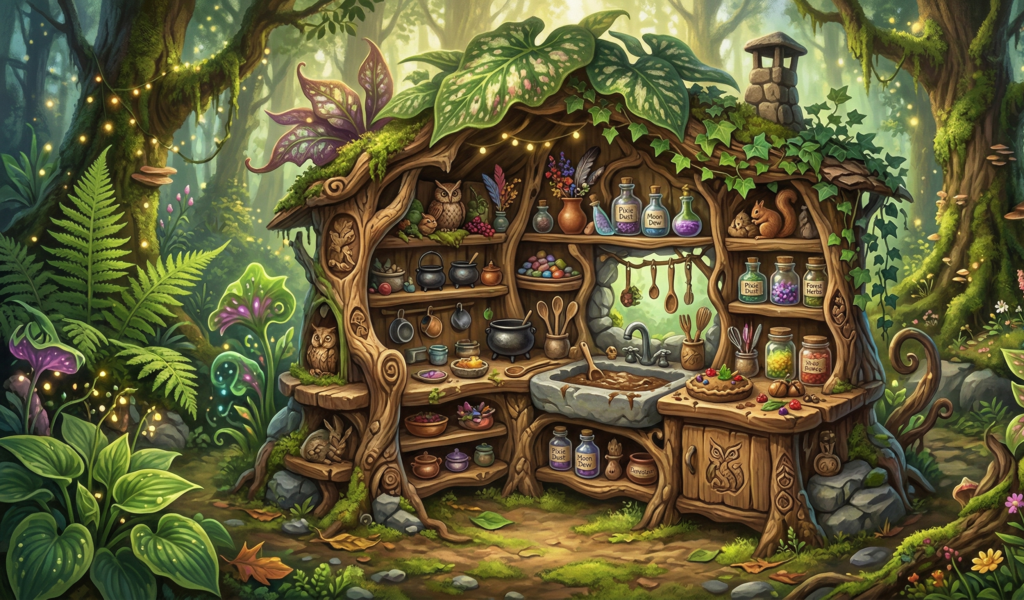
Sometimes I’d say something like:
“Today, we’re cooking for a dragon.”
And that was enough.
The entire play session turned into a story.
19. Texture Exploration Area
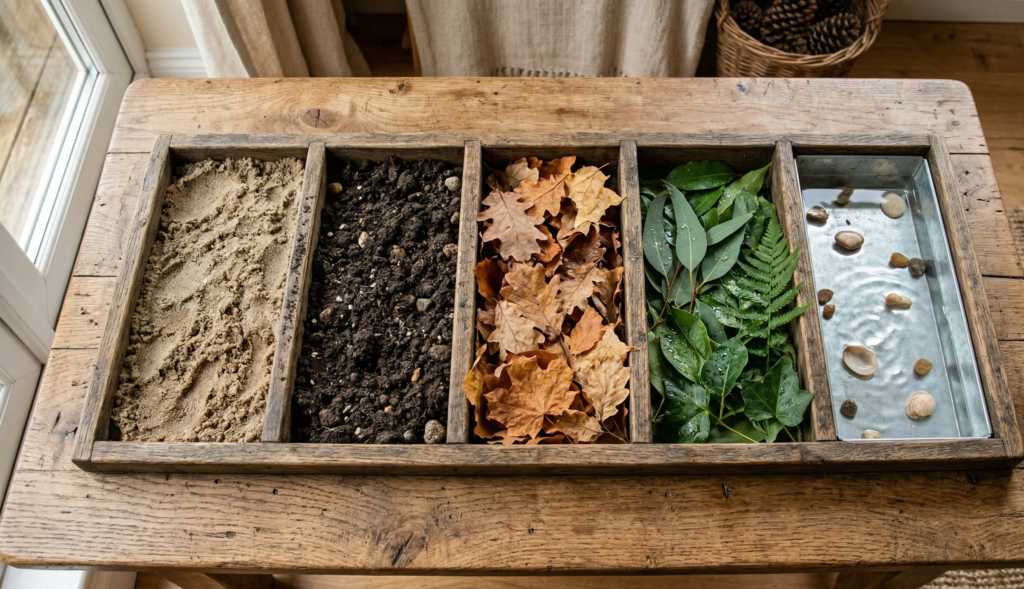
This was more subtle but very engaging.
Add:
- Sand
- Soil
- Water
- Leaves
Let them explore mixing different textures.
20. Mud Painting Corner
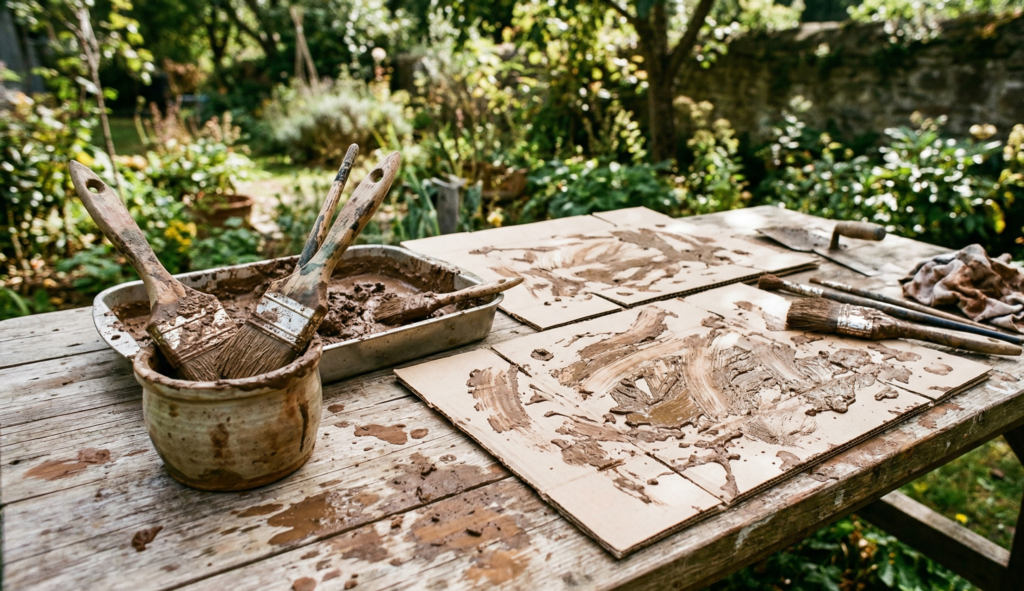
Give them:
- Brushes
- Cardboard or old boards
And let them paint with mud.
It’s messy—but creative in a different way.
21. Seasonal Themes (this keeps it fresh)
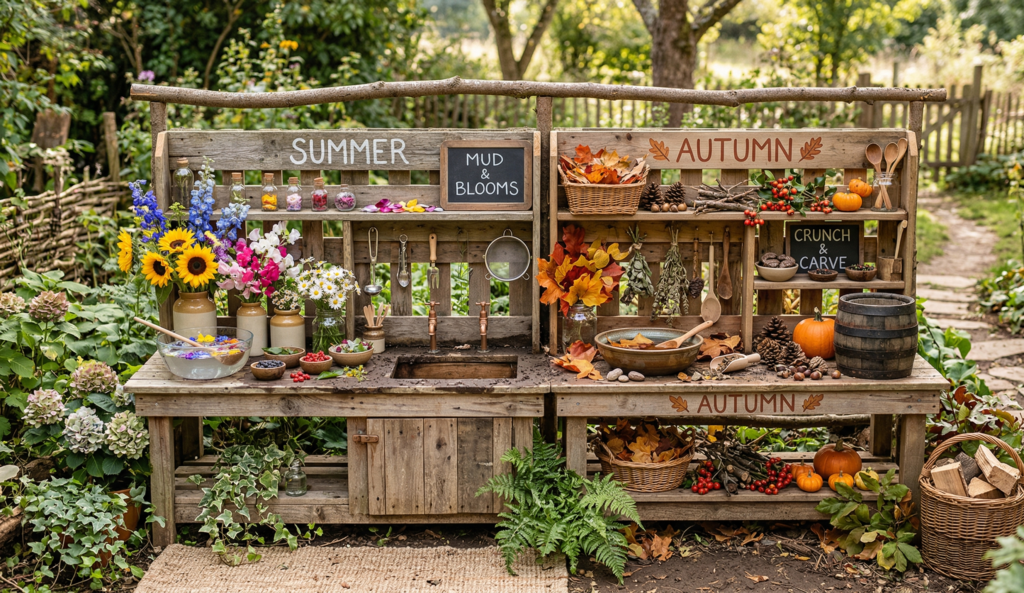
This is something I started doing later—and it helped a lot.
Change the setup slightly based on seasons:
- Summer → Ice, water play
- Autumn → Dry leaves, seeds
- Winter → Warmer tones, less water
- Spring → Flowers, fresh greens
It keeps things from feeling repetitive.
A few things I learned the hard way
I wish someone had told me these earlier:
- Don’t aim for clean. It defeats the purpose.
- Start small. You don’t need a perfect setup.
- Let them lead. The best ideas came from them, not me.
- Have a rinse plan. A bucket, a hose—anything helps.
Final thoughts (the part I didn’t expect)
I thought I was setting up a play area.
What I didn’t expect… was how often I’d just sit nearby and watch.
There’s something really grounding about seeing kids play with such simple things—dirt, water, leaves—and still be completely happy.
It kind of makes you pause for a second.
If you’re on the fence about creating a mud kitchen, I’d say this—don’t overthink it.
Start with a corner, a few old utensils, and some space to get messy.
The rest… they’ll figure out on their own.