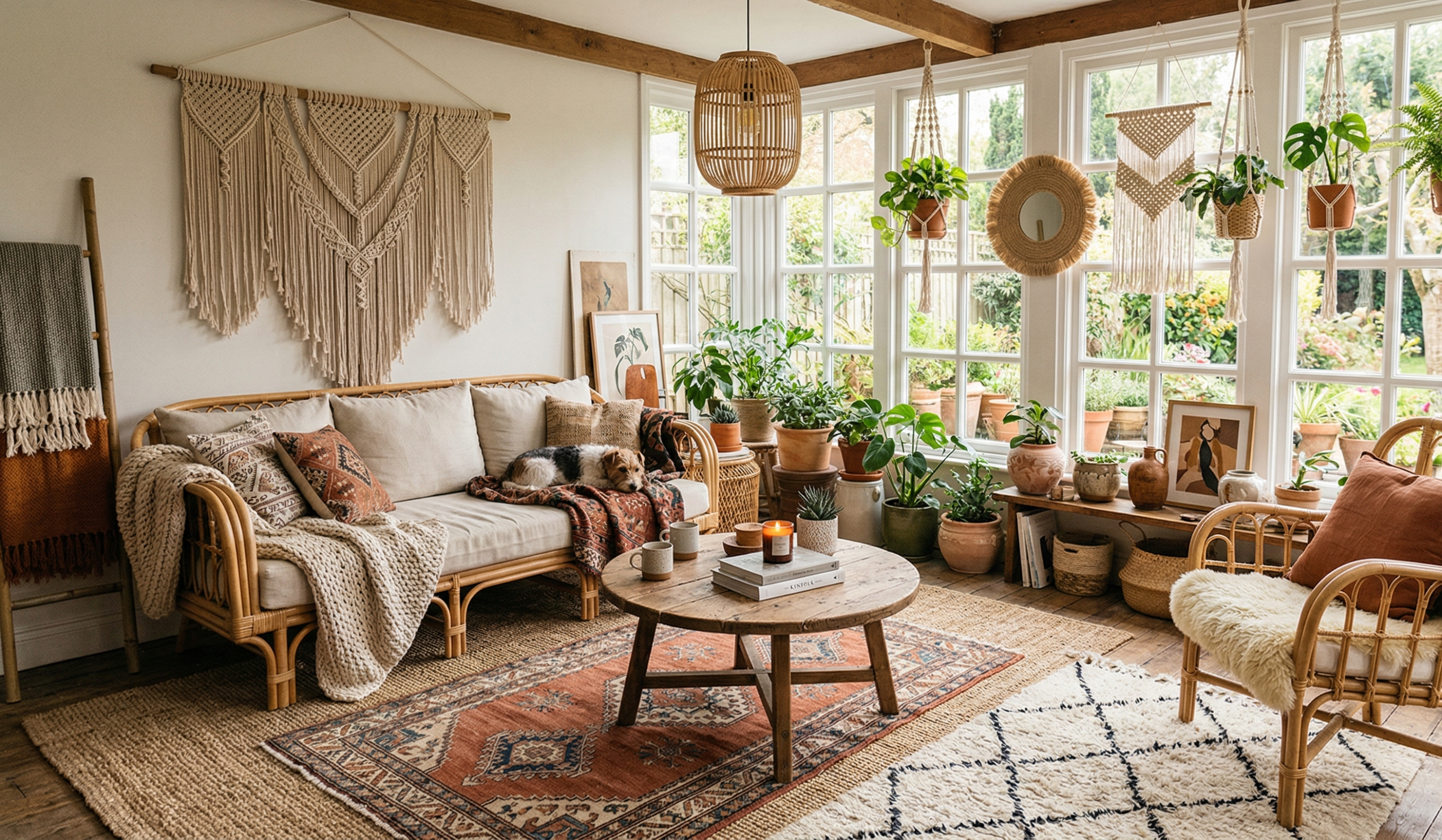
There was a point where my home felt… a little too closed in.
Not in a dramatic way. Nothing was wrong, exactly. But I started noticing how much time I spent near windows. Sitting by them. Opening them. Even rearranging furniture just to catch more light. That’s when it hit me — I didn’t want just a brighter room.
I wanted a space that felt like being outside… without actually being outside.
That’s what led me down the rabbit hole of sunrooms. And honestly? Some of the ideas I came across (and tried in small ways) completely changed how I think about indoor spaces.
If you’ve ever wanted that soft in-between — not fully indoors, not quite outdoors — these sunroom ideas might be exactly what you didn’t know you needed.
What Makes a Sunroom Feel “Seamless”?
Before jumping into the ideas, I realized something important while experimenting with my own space.
It’s not just about adding glass walls or throwing in a few plants.
What really creates that blurred indoor-outdoor feeling is:
- Natural light (and lots of it)
- Materials that feel organic (wood, rattan, linen)
- A connection to greenery — real or visual
- Airflow (even a simple ceiling fan can change everything)
- Soft, relaxed furniture — nothing too formal
Once I understood that, everything started making more sense.
1. Floor-to-Ceiling Glass Walls That Let the Outside In
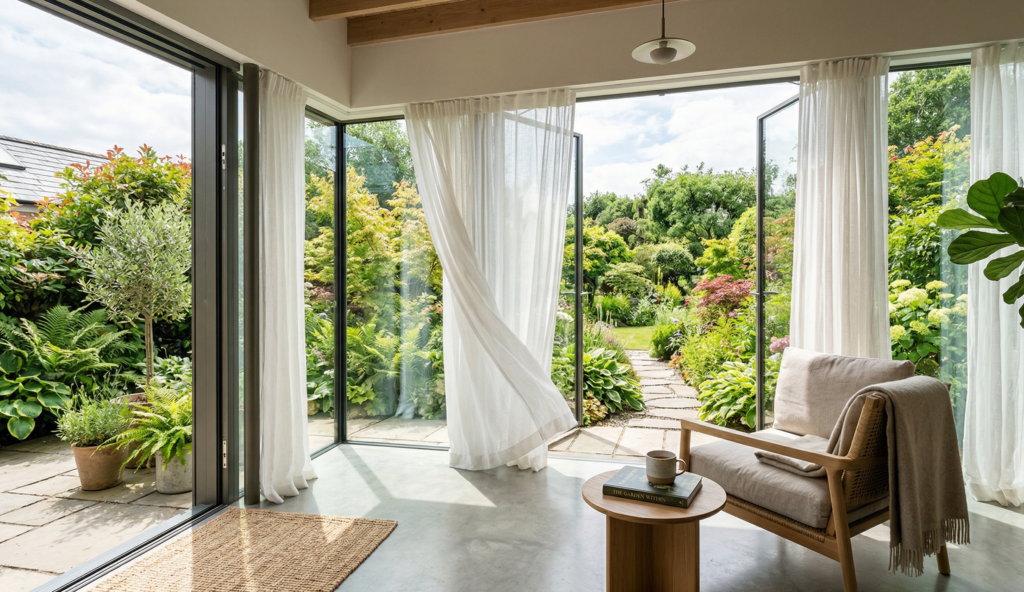
This one feels obvious… but seeing it in real homes changed my perspective.
A full glass wall doesn’t just show the outdoors — it pulls it in. The trees, the sky, even the changing light throughout the day become part of your room.
I tried a smaller version of this idea by clearing clutter near my biggest window and using sheer curtains instead of heavy ones. Not the same thing, but surprisingly effective.
Tip:
If full glass walls aren’t realistic, go for:
- Large sliding doors
- Minimal window frames
- Light, airy curtains
2. A Cozy Rattan & Wicker Lounge Corner
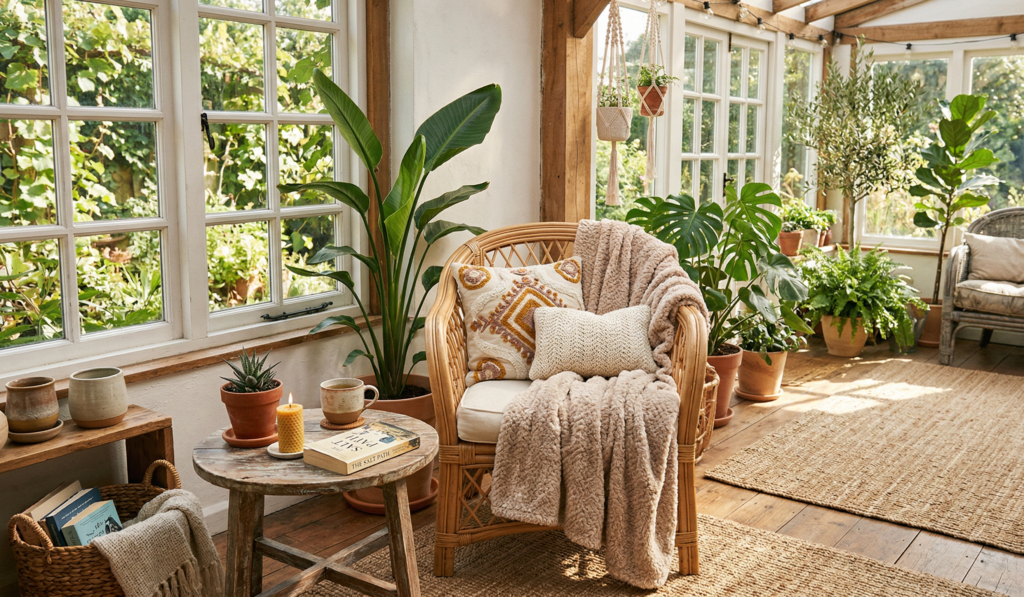
There’s something about rattan furniture that instantly softens a space.
I added a simple wicker chair once — just one — and it changed the mood more than I expected. It made the room feel less “designed” and more… lived in.
You don’t need a full set. Even a small setup works:
- A rattan chair
- A textured throw
- A low wooden table
It’s simple, but it creates that relaxed, almost vacation-like vibe.
3. Indoor Garden Sunroom (Even If You’re Not a Plant Expert)
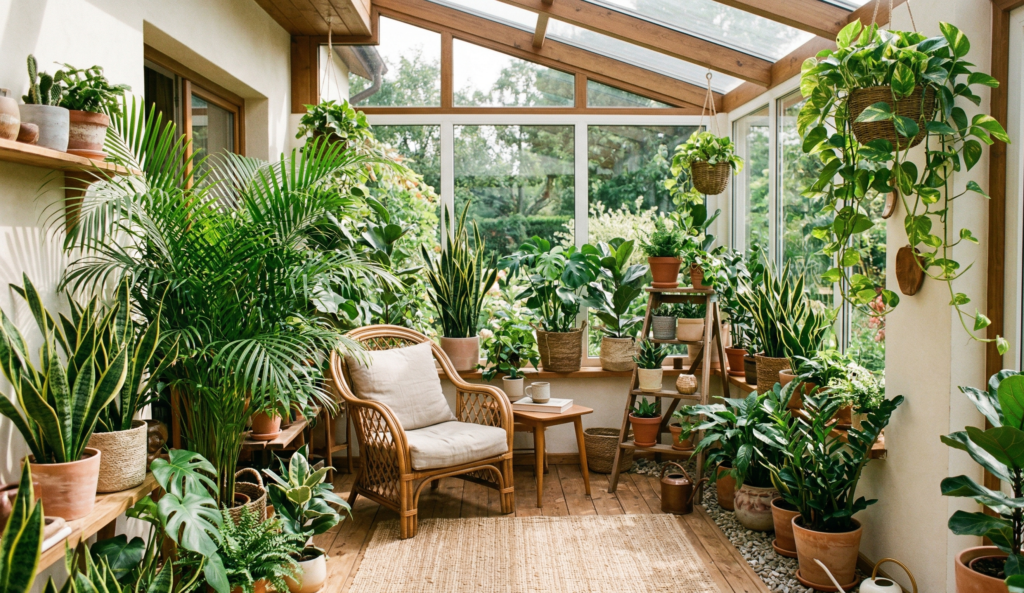
I used to think indoor garden spaces were only for people who really knew plants.
Not true.
Start small. That’s what worked for me.
A few forgiving plants near sunlight can already change the energy:
- Snake plants
- Pothos
- Areca palms
And slowly, it starts to feel like your room is breathing a little more.
4. Light Linen Curtains That Move With the Breeze
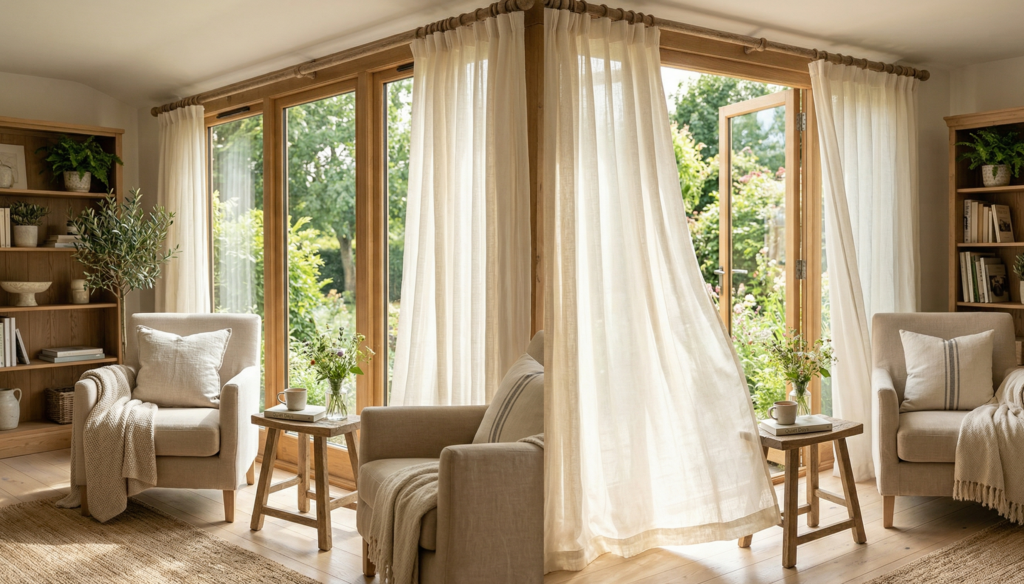
This might sound like a small detail, but it’s one of those things you feel more than you notice.
I switched to light linen curtains once, and suddenly the room felt… alive. The way they move with air, filter sunlight, soften everything — it’s subtle but powerful.
Avoid heavy fabrics here. They kind of block the whole effect.
5. A Reading Nook That Feels Like a Quiet Escape
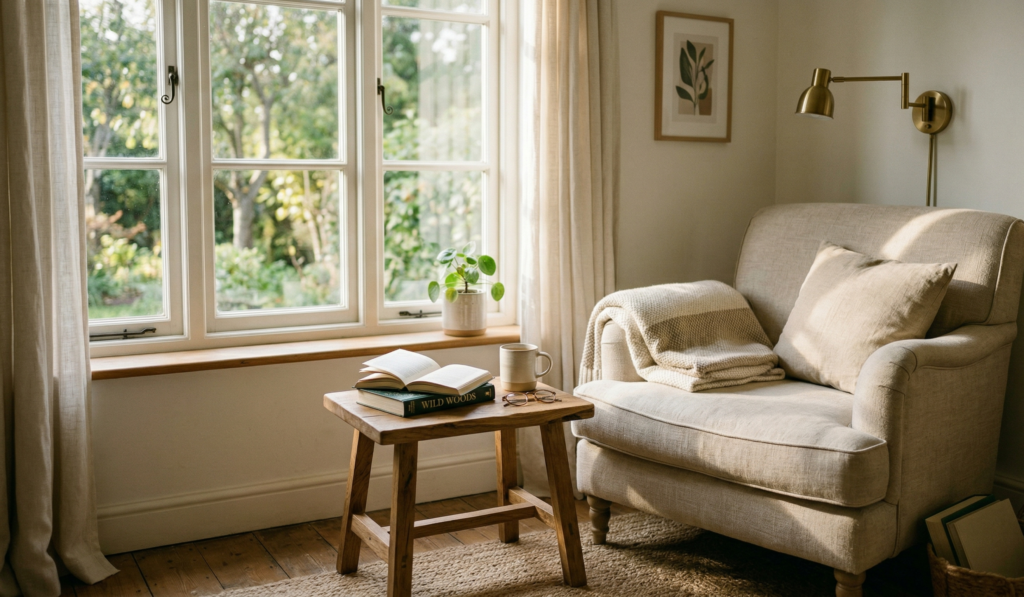
This is probably my favorite use of a sunroom.
There’s something about sitting in natural light with a book that just hits differently. Even if you’re not a big reader, the space itself becomes calming.
What worked for me:
- One comfortable chair
- A small side table
- Soft lighting for evenings
That’s it. No need to overdo it.
6. Skylights That Change the Room Throughout the Day
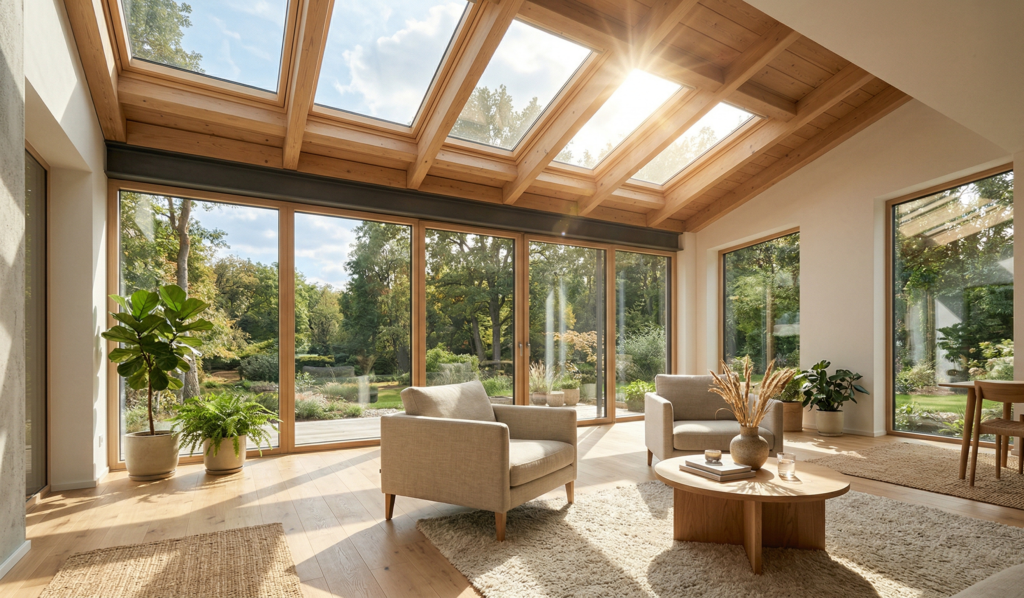
This one is more of a bigger upgrade, but wow… it makes a difference.
Light from above feels different than light from the side. It shifts as the day goes on, creating little moments you don’t expect — patches of sunlight, soft shadows.
If skylights aren’t an option, even:
- Lighter ceiling colors
- Reflective surfaces
can help bounce light around.
7. Neutral Tones That Don’t Compete With Nature
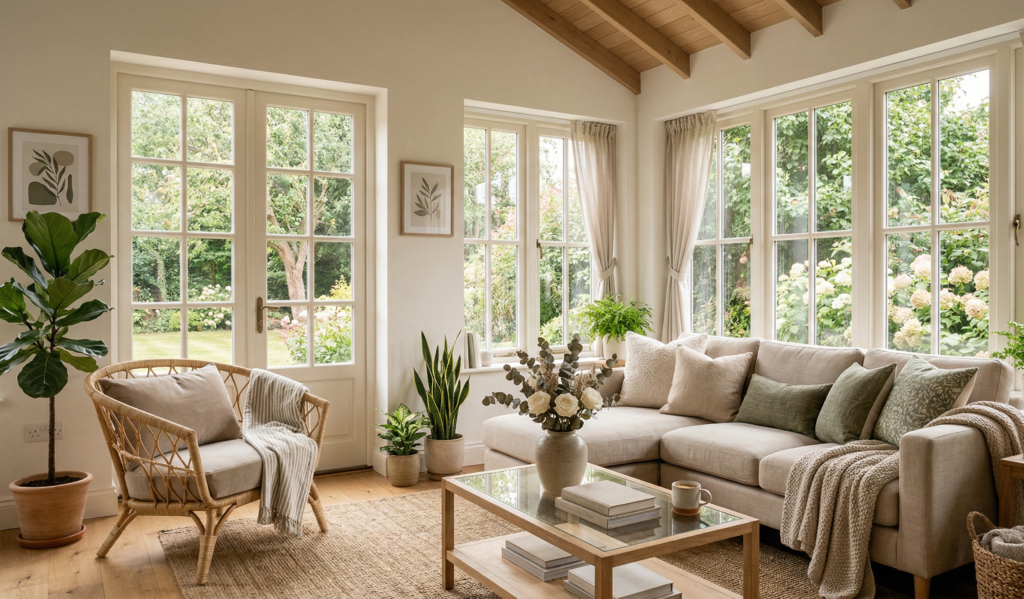
I used to think more color = more personality.
But in sunrooms, I’ve found the opposite works better.
Soft neutrals let the outside view do the talking:
- Warm whites
- Soft beiges
- Muted greens
It creates a calmer space — one that doesn’t fight for attention.
8. Folding or Sliding Doors That Open Everything Up
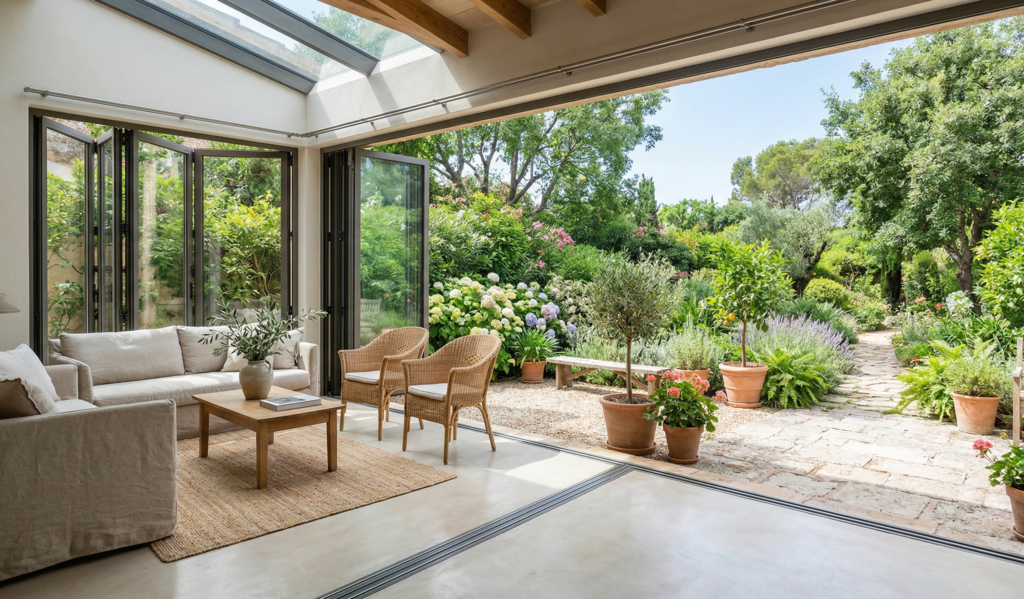
This is where the “blurred line” really becomes real.
When you can open your entire wall to the outside… it changes how you use the space.
Even partially opening a door on a breezy day makes everything feel connected.
9. A Rustic Wooden Touch That Grounds the Space
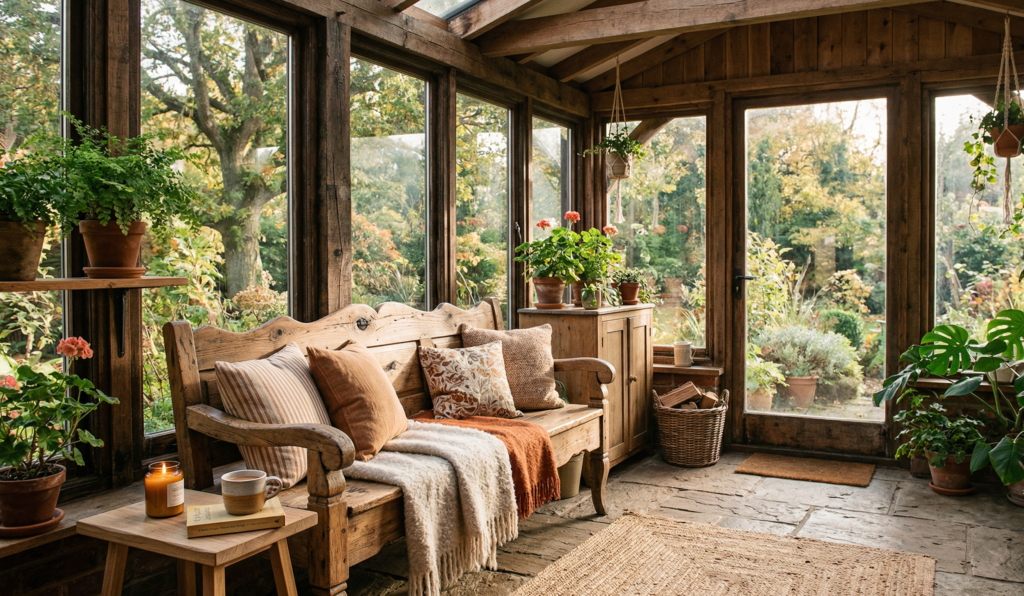
Too much glass can sometimes feel… cold.
That’s where wood comes in.
I added a small wooden bench once, and it balanced everything. Suddenly the space felt warmer, more grounded.
Look for:
- Reclaimed wood
- Light oak tones
- Textured finishes
10. Layered Lighting for Evenings
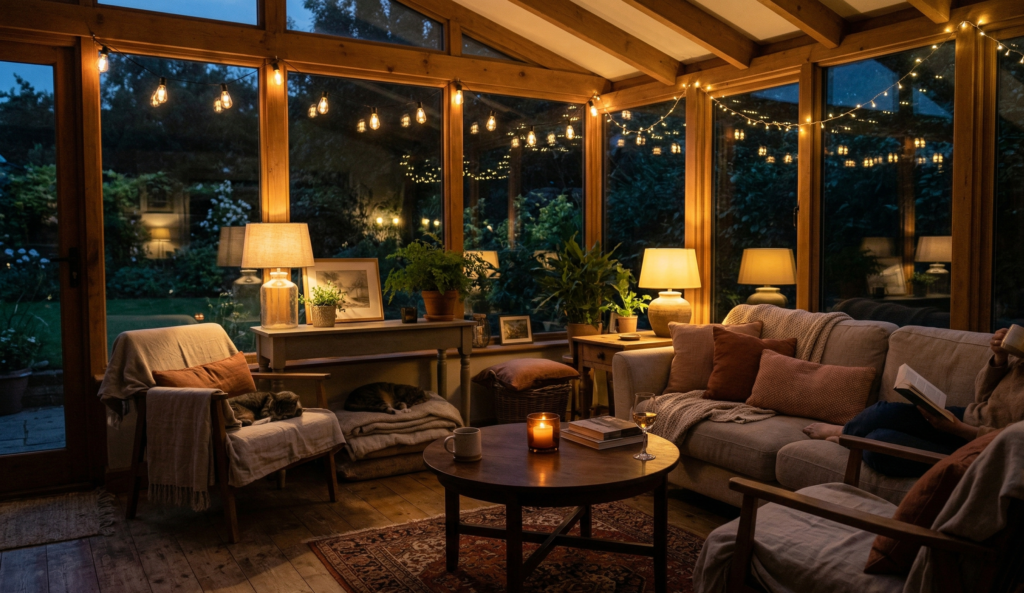
Sunrooms aren’t just for daytime.
In the evening, lighting matters more than you think.
I learned this the hard way — harsh overhead lighting completely ruined the vibe.
Instead, try:
- Floor lamps
- Table lamps
- Soft string lights
It keeps that calm, relaxed feeling even after sunset.
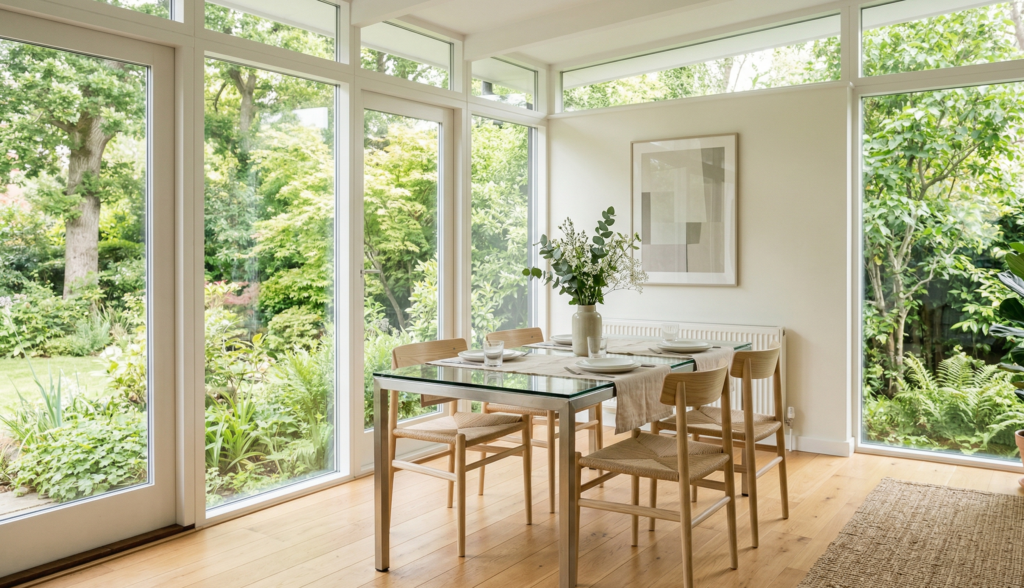
11. A Minimalist Glass Dining Area
12. Hanging Plants for Vertical Greenery
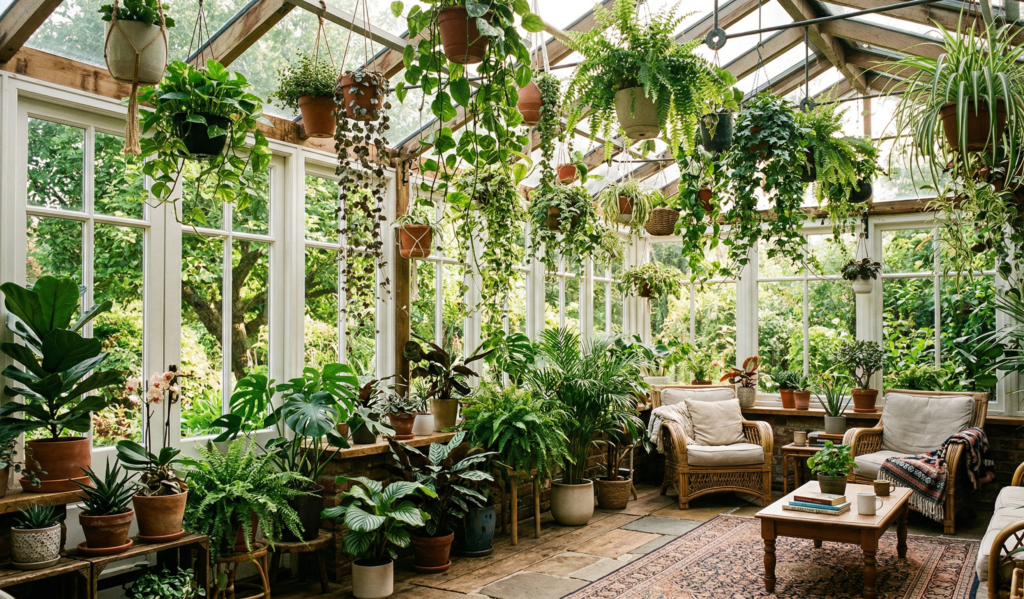
13. A Soft Boho-Inspired Sunroom
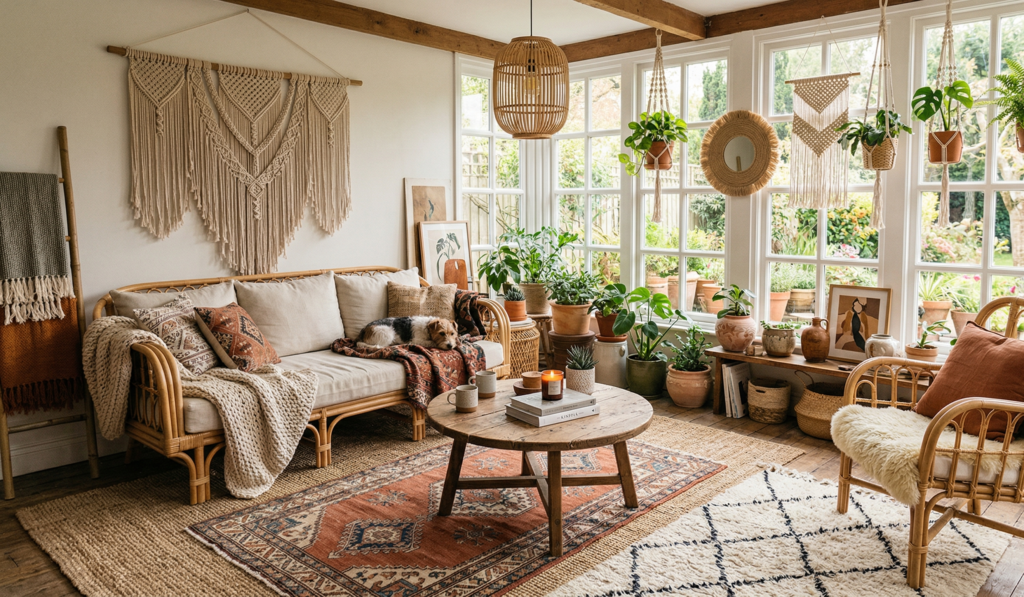
14. Indoor-Outdoor Rugs That Tie It Together
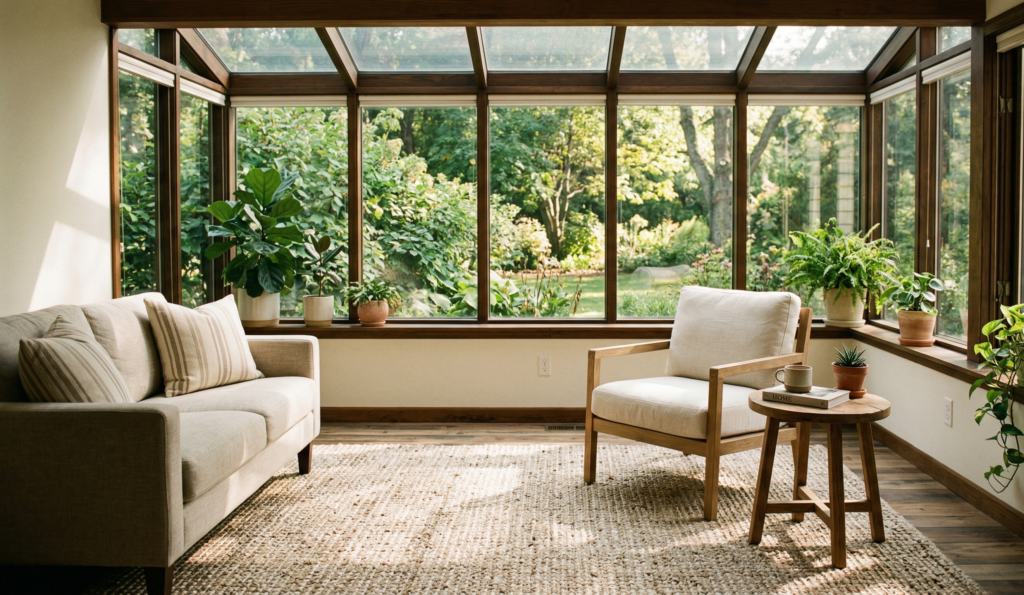
15. A Small Water Feature for Calm Vibes
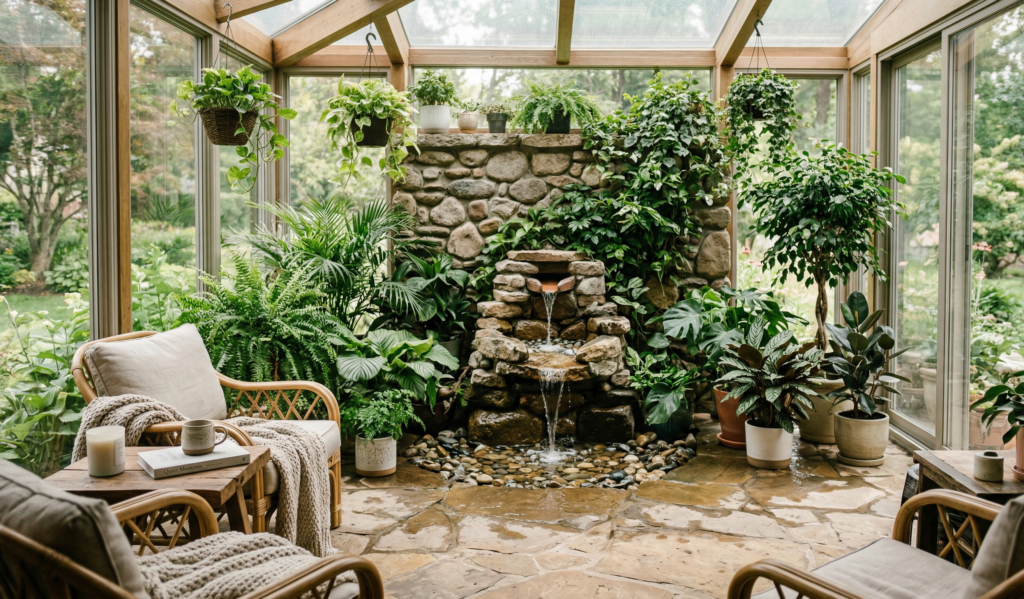
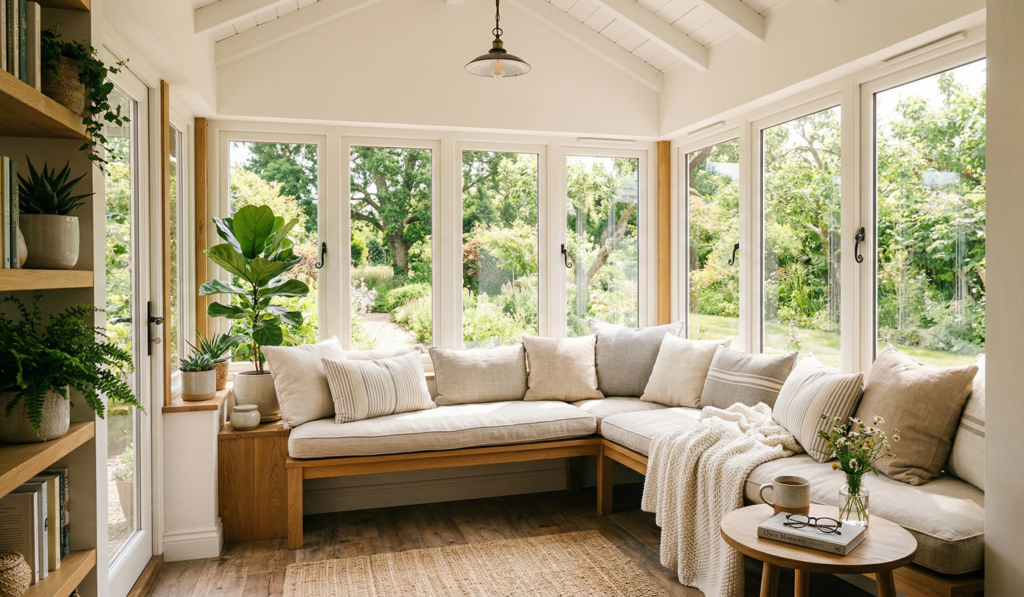
16. Built-In Window Seating
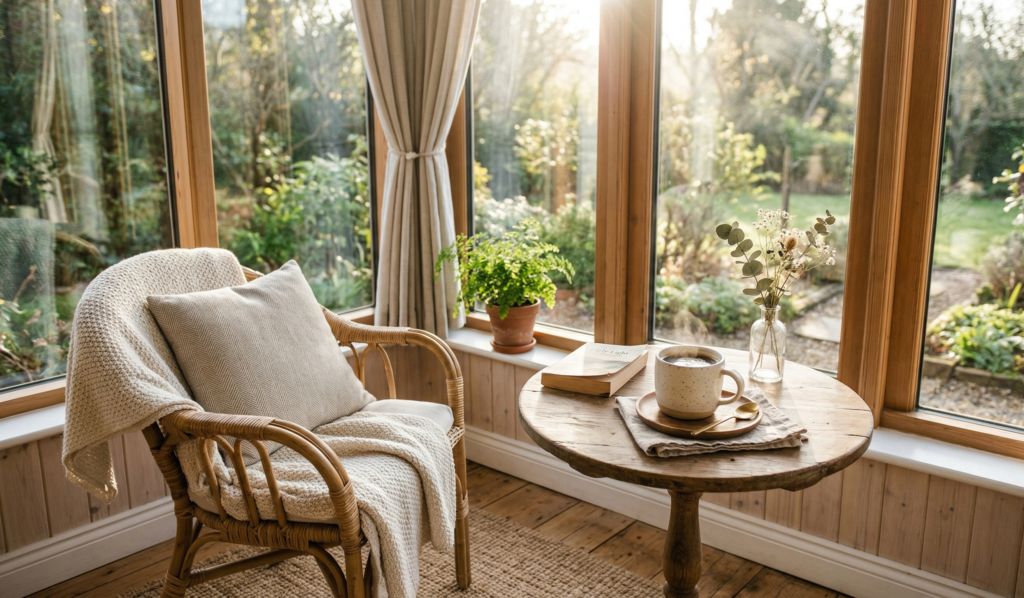
17. A Sunroom That Doubles as a Morning Coffee Spot
A Few Things I Learned Along the Way
After playing around with different ideas (and honestly making a few mistakes), a few things stood out:
- You don’t need a huge budget to create this feeling
- Small changes — like curtains or lighting — can make a big difference
- Natural textures matter more than expensive decor
- The goal isn’t perfection… it’s comfort
Sometimes I’d overthink things, trying to make everything look “Pinterest-perfect.” But the spaces I ended up loving the most were the ones that felt easy.
Final Thoughts
What surprised me the most about sunrooms is how they change your habits.
You start spending more time there. Slower time. Morning tea feels different. Even doing nothing feels… nicer somehow.
And maybe that’s the real point.
It’s not just about creating a beautiful space — it’s about creating a place where you actually want to be.
If you’re thinking about transforming a corner of your home, start small. One chair. One plant. One window cleared of clutter.
Sometimes that’s all it takes to blur the line just enough.