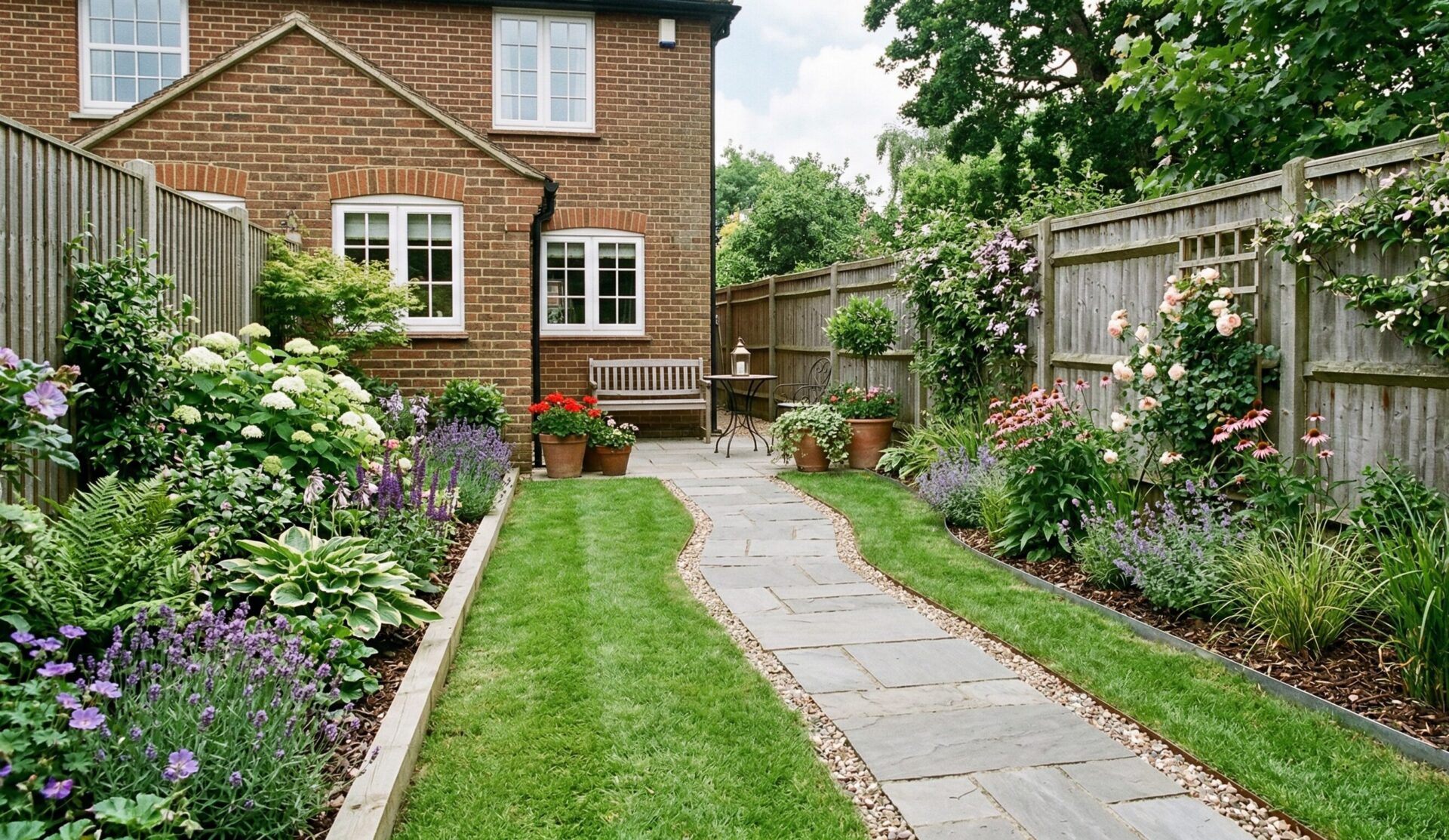
I still remember standing in my tiny backyard one evening, staring at it like it had personally offended me.
It felt… cramped. A couple of random pots, a patchy bit of grass, and a fence that seemed way too close on all sides. I used to think, “What’s even the point of trying? It’s just too small.”
But over time (and after way too many Pinterest rabbit holes), I realized something: small gardens don’t actually need more space… they just need smarter design.
And honestly? Once I started making a few small changes, the whole place began to feel completely different—lighter, more open, and weirdly calming.
So if you’ve ever looked at your tiny backyard and felt stuck, these are the ideas that genuinely helped me—and might just change how your space feels too.
1. Use Light Colors to Open Things Up
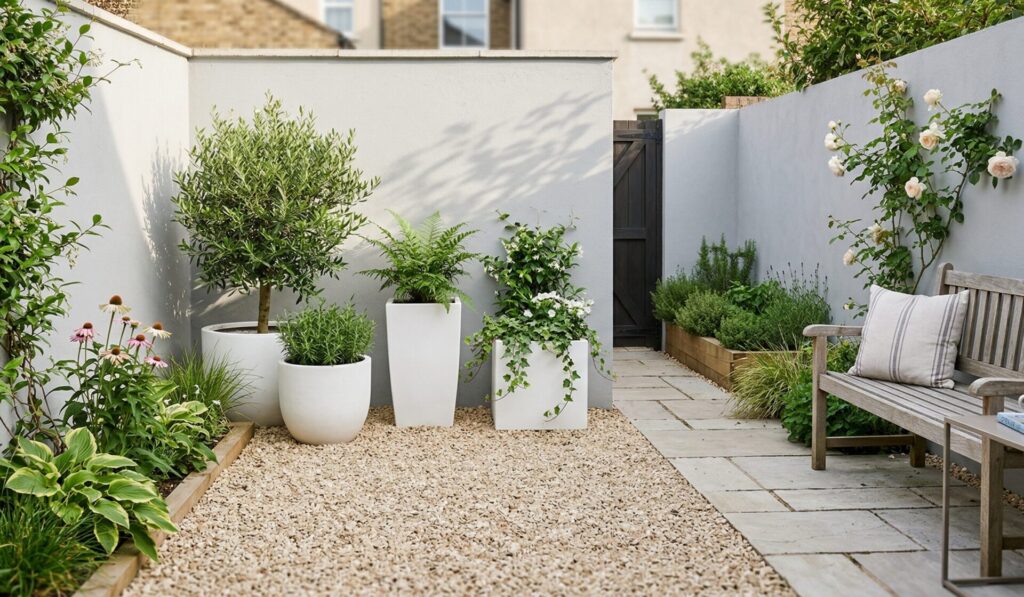
This was one of the first things I tried, and I didn’t expect it to make such a difference.
Dark fences or walls can make a space feel boxed in. But when I switched to softer shades—like off-white and light grey—the garden instantly felt more open.
What worked for me:
- Painting the boundary walls in a light neutral tone
- Using pale planters instead of dark ones
- Adding light-colored gravel in one corner
It’s such a simple change, but it tricks your eyes into seeing more space.
2. Add Mirrors (Yes, Even Outside)
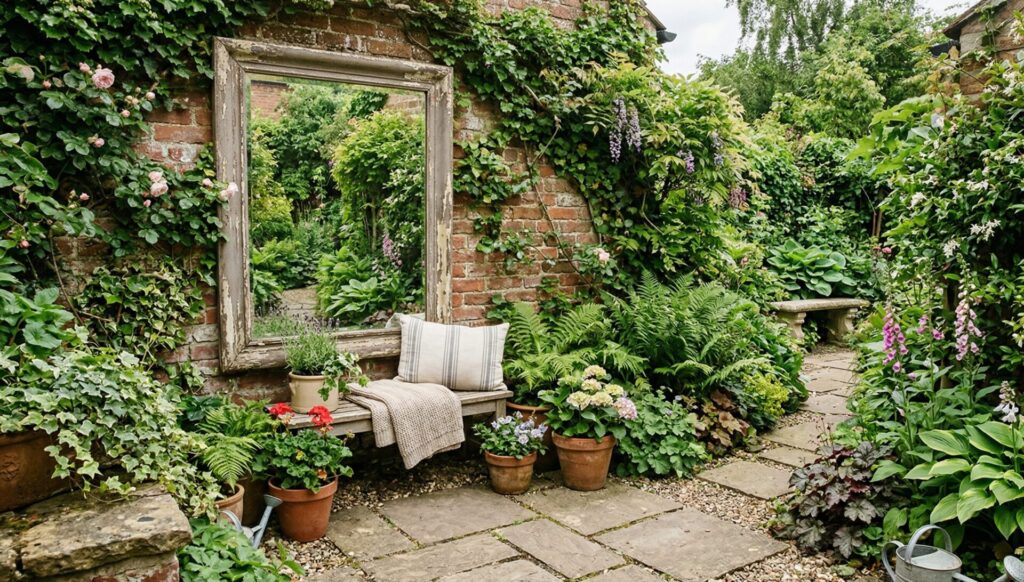
I know, it sounds a bit strange at first. I hesitated too.
But placing a mirror against one wall—especially behind plants—created this illusion of depth that made the garden feel almost twice as big.
A few tips:
- Go for weather-resistant mirrors
- Place them where they reflect greenery, not clutter
- Avoid direct harsh sunlight angles
It’s one of those things that feels unnecessary… until you see it.
3. Go Vertical With Plants
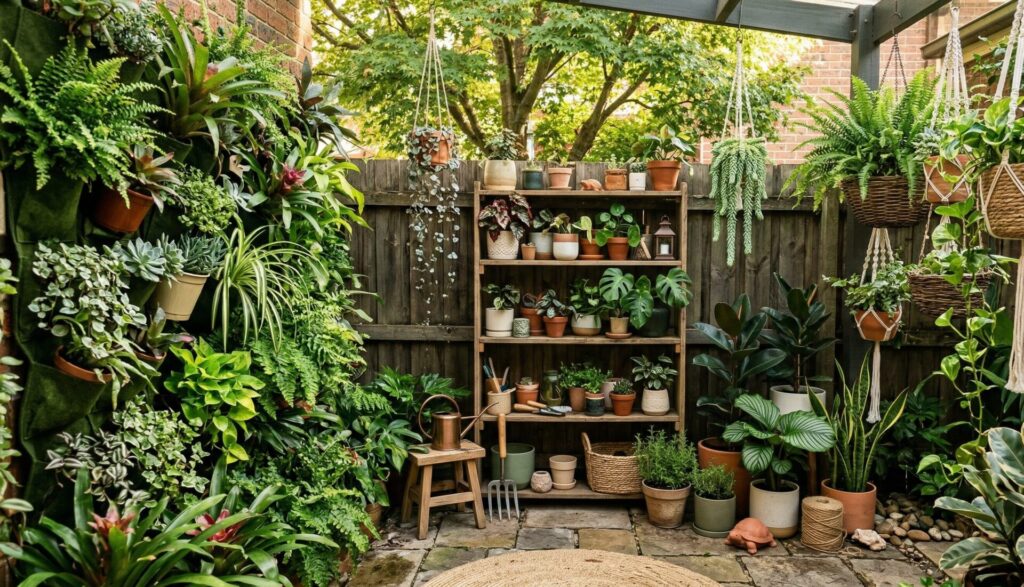
When I ran out of floor space, I realized I had completely ignored my walls.
Vertical gardening changed everything.
Instead of crowding the ground, I started using:
- Wall-mounted planters
- Hanging pots
- Simple wooden shelves with small plants
It made the garden feel layered instead of packed.
4. Stick to a Limited Color Palette
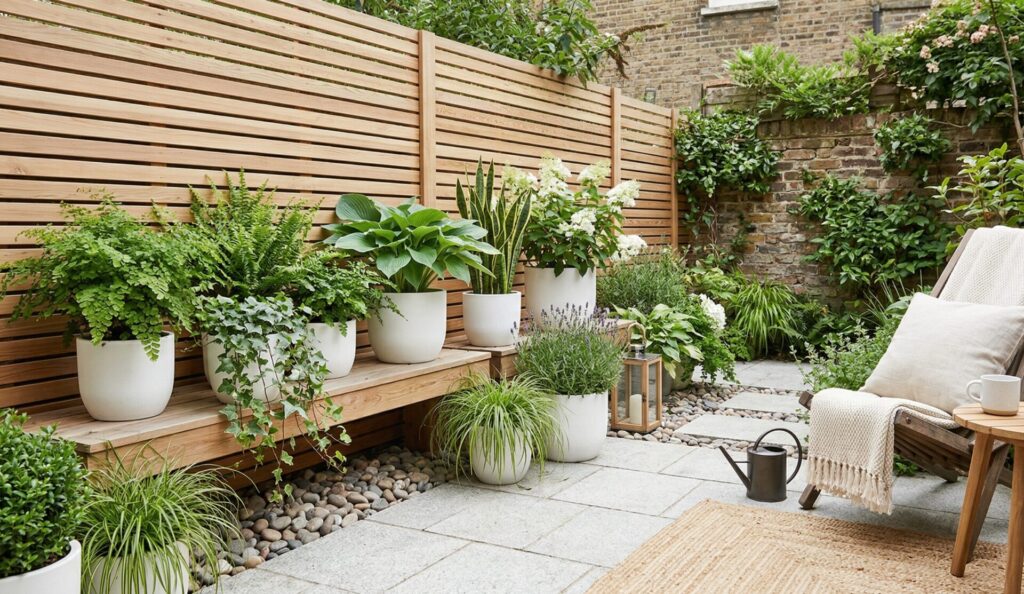
This took me a while to understand.
I used to buy plants and decor randomly, which made the space feel messy. Once I started sticking to just 2–3 main colors, everything looked calmer.
For example:
- Greens + whites + a hint of wood tones
- Or terracotta + green + beige
It doesn’t sound exciting, but it makes a huge visual difference.
5. Use Multi-Functional Furniture
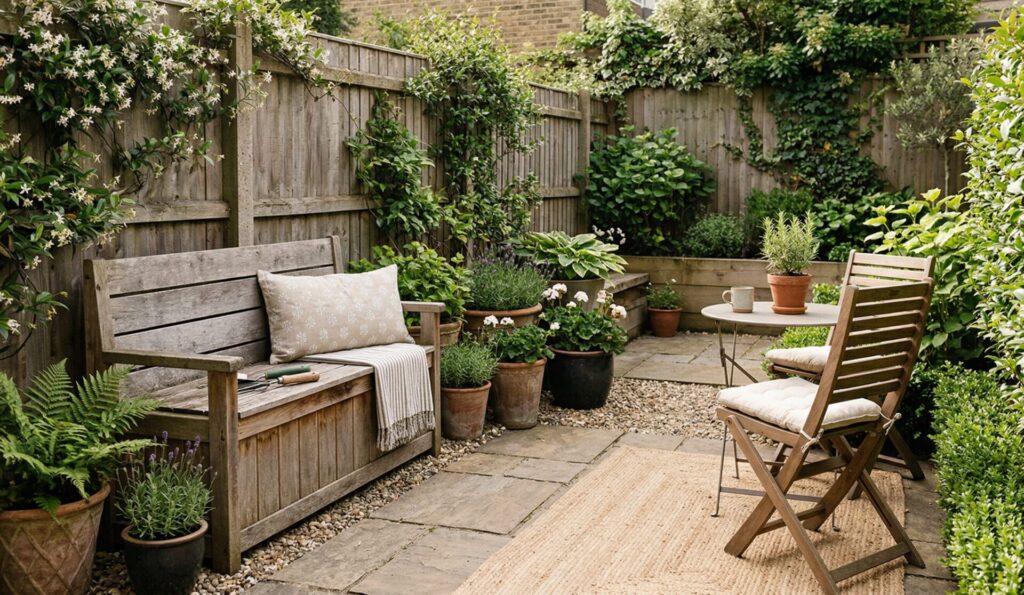
In a small garden, every piece needs to earn its place.
I swapped out a bulky chair for a bench that had storage inside—and suddenly I had space for tools, cushions, and extra pots.
Look for:
- Storage benches
- Foldable chairs
- Stackable stools
Less clutter = more breathing space.
6. Create Zones (Even If It’s Tiny)
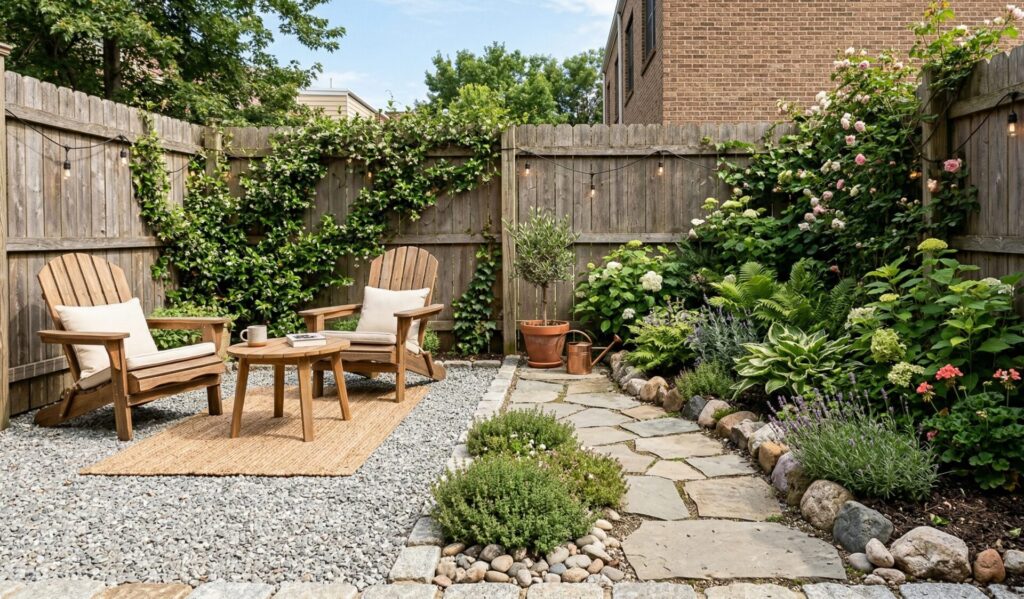
This one surprised me the most.
Even in a small garden, creating “zones” makes it feel bigger.
I divided mine into:
- A small seating corner
- A plant display area
- A tiny pathway
You don’t need walls—just subtle changes like:
- Different flooring (gravel vs tiles)
- A small rug
- Planter placement
It gives structure without making it feel crowded.
7. Add a Narrow Pathway
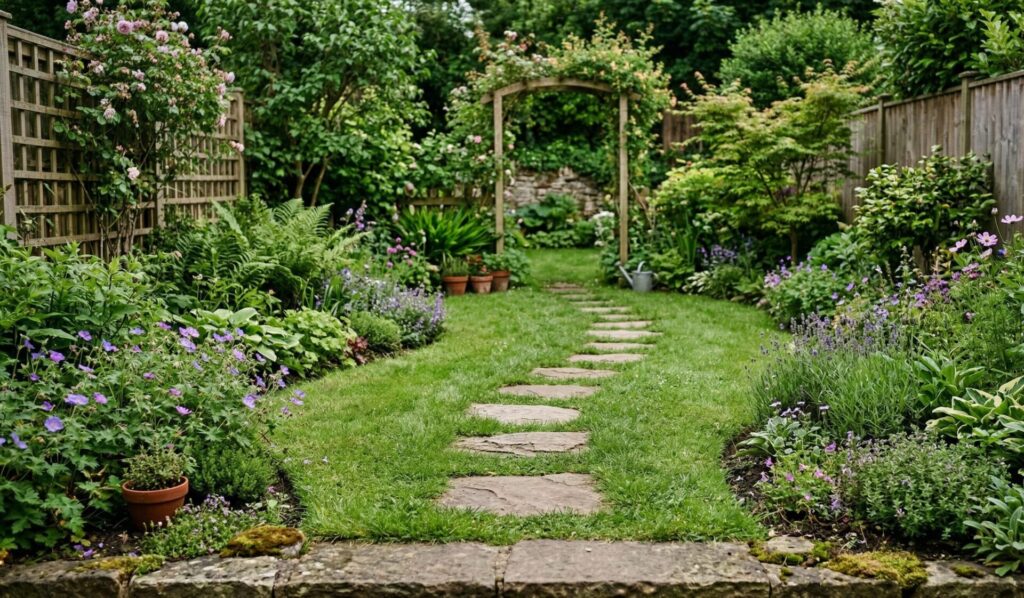
I added a simple stepping stone path, and somehow it made the garden feel longer.
It draws your eye forward, creating a sense of movement.
Easy ideas:
- Stepping stones in grass
- Gravel path with a slight curve
- Wooden planks for a modern look
Even a tiny path can change how the space feels.
8. Use Large Pots Instead of Many Small Ones
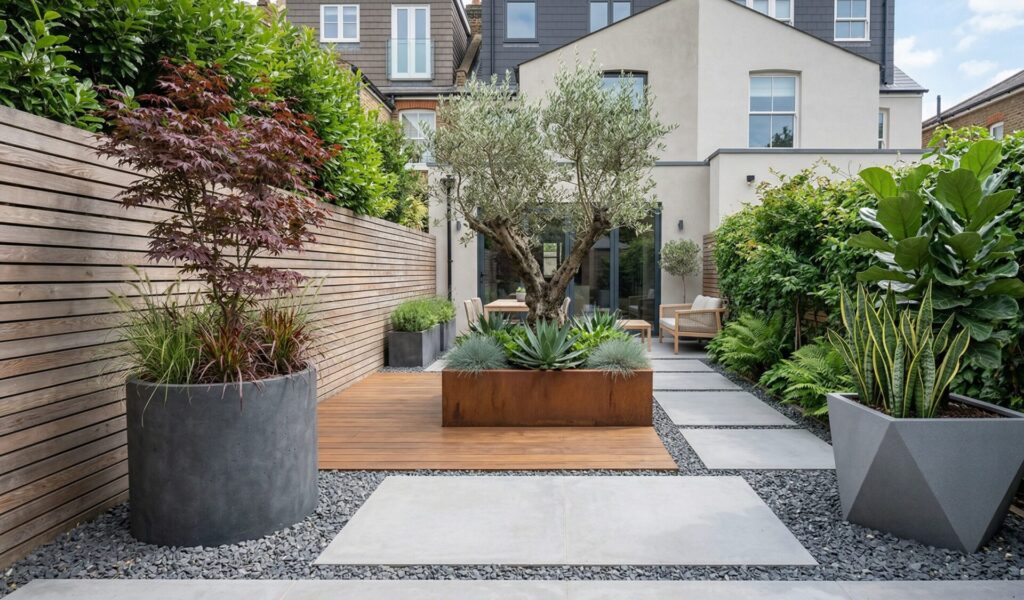
This was a mistake I made early on—too many tiny pots everywhere.
It made the space feel cluttered.
Switching to fewer, larger planters actually made everything look cleaner and more intentional.
Rule I follow now:
- Fewer pots
- Bigger impact
It’s weird, but less really does feel like more here.
9. Let One Element Be the Star
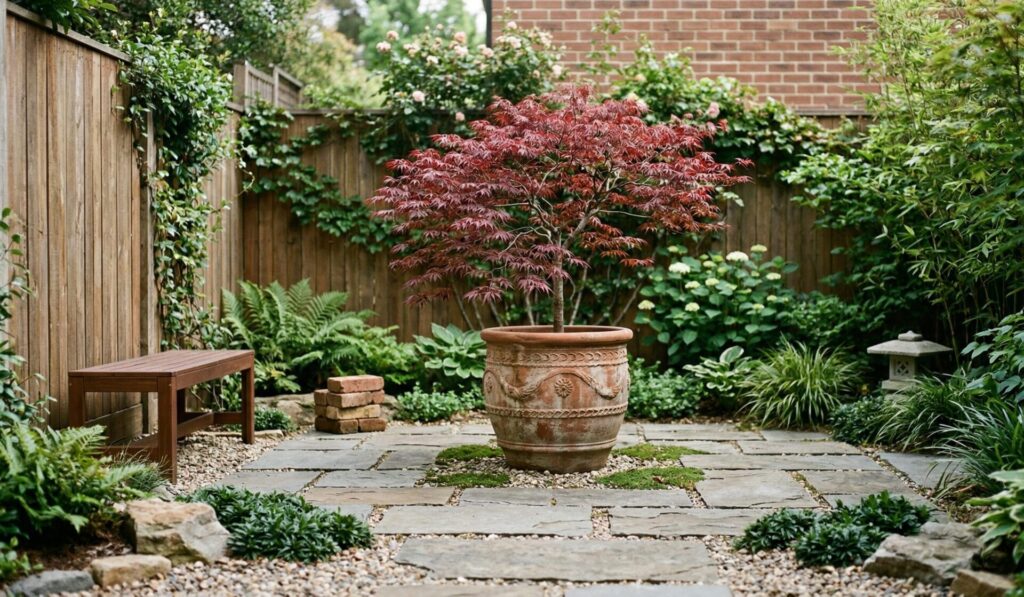
Not everything needs to stand out.
When I added a single focal point—a slightly larger plant in a beautiful pot—it anchored the entire space.
You could also use:
- A small water feature
- A statement chair
- A unique planter
It gives your eyes a place to rest.
10. Keep the Floor Simple
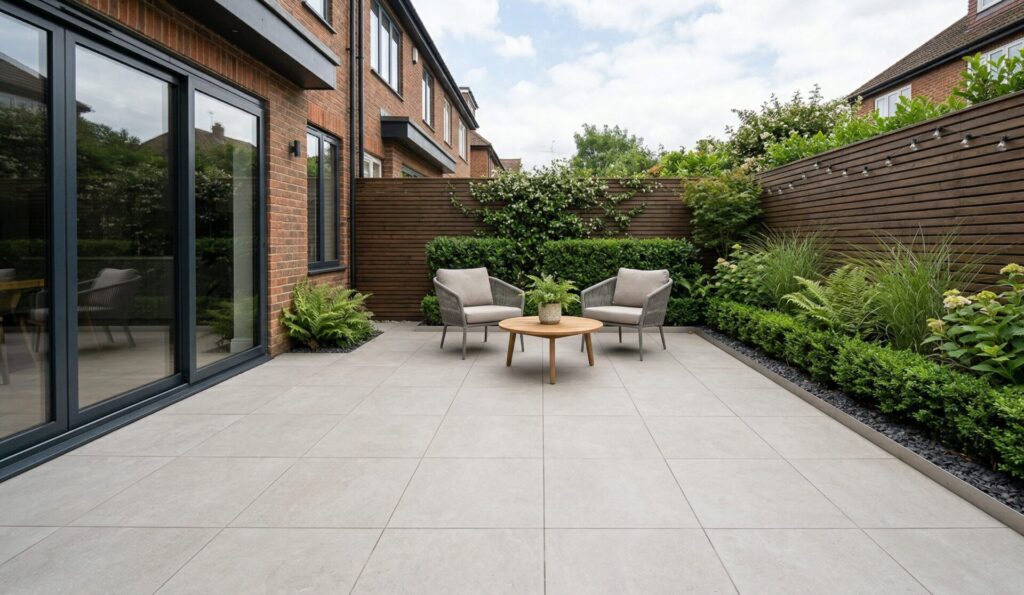
Busy flooring can shrink a space visually.
I switched from a mix of textures to a more consistent surface, and it instantly felt less chaotic.
What helps:
- Using the same tiles throughout
- Keeping patterns minimal
- Avoiding too many material changes
Your garden starts to feel more cohesive.
11. Add Layers of Lighting
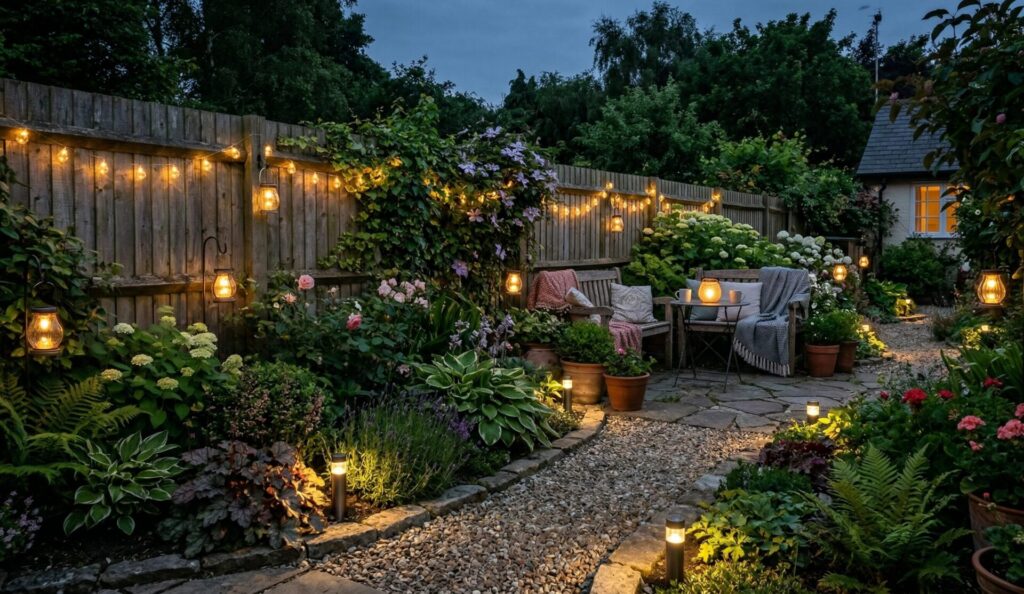
I didn’t think lighting would matter much… until I tried it.
Soft lighting in the evening makes the space feel cozy and surprisingly bigger.
My go-to setup:
- String lights along the fence
- A small solar lantern
- Ground lights near plants
It creates depth, especially after sunset.
12. Use Transparent or Slim Furniture
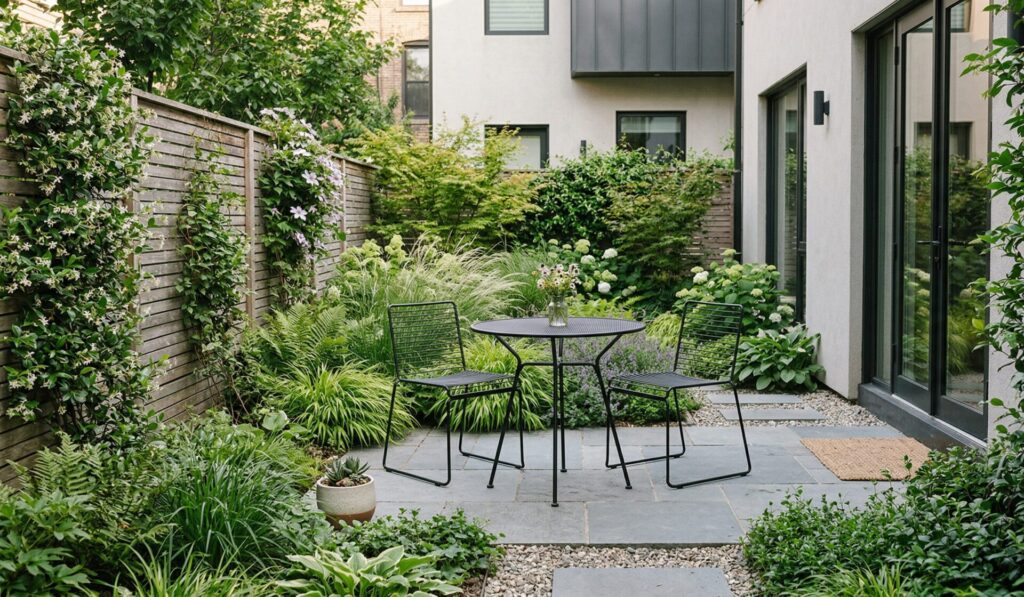
Bulky furniture can eat up space quickly.
I switched to slimmer designs, and it made movement easier.
Better choices:
- Metal or acrylic chairs
- Thin-legged tables
- Open-frame benches
They don’t visually “block” the space as much.
13. Keep the Edges Clean
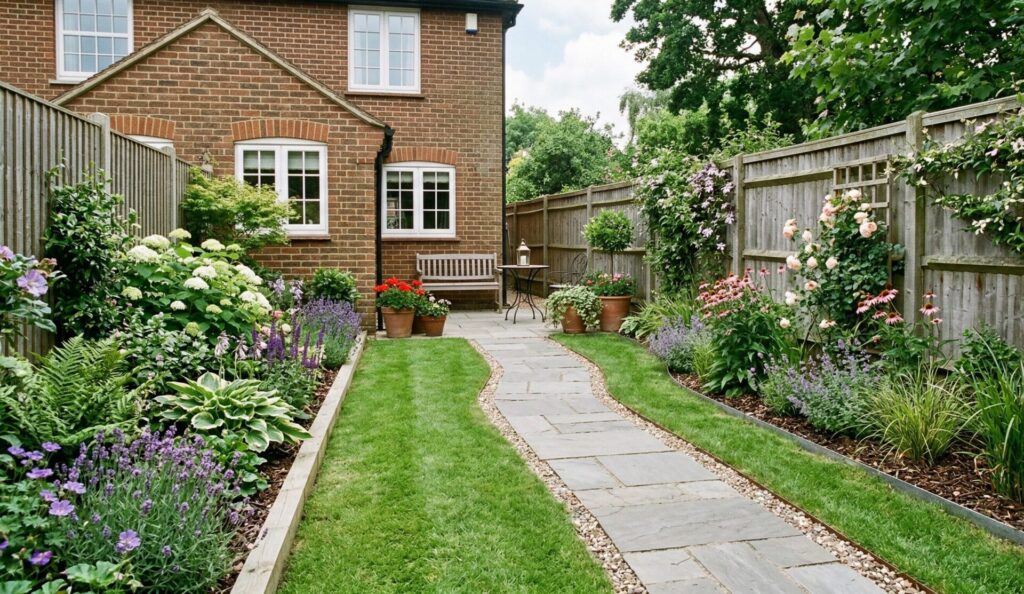
This is something I still remind myself.
When edges (like along walls or fences) get messy, the whole garden feels smaller.
So now I try to:
- Line plants neatly
- Avoid random clutter
- Keep corners intentional
It creates a cleaner visual boundary.
14. Add Height Variation
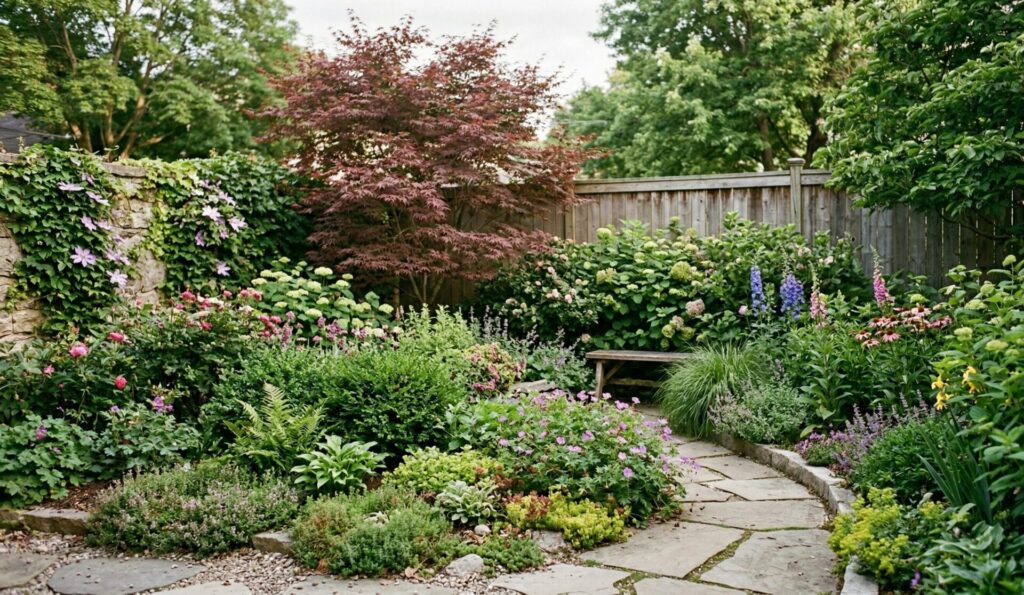
Flat gardens feel smaller.
Once I started mixing plant heights—some low, some medium, a few tall—it created depth.
Simple ways to do this:
- Use plant stands
- Mix shrubs with small plants
- Add one taller plant in a corner
It gives the illusion of layers instead of a flat surface.
15. Use Diagonal Lines
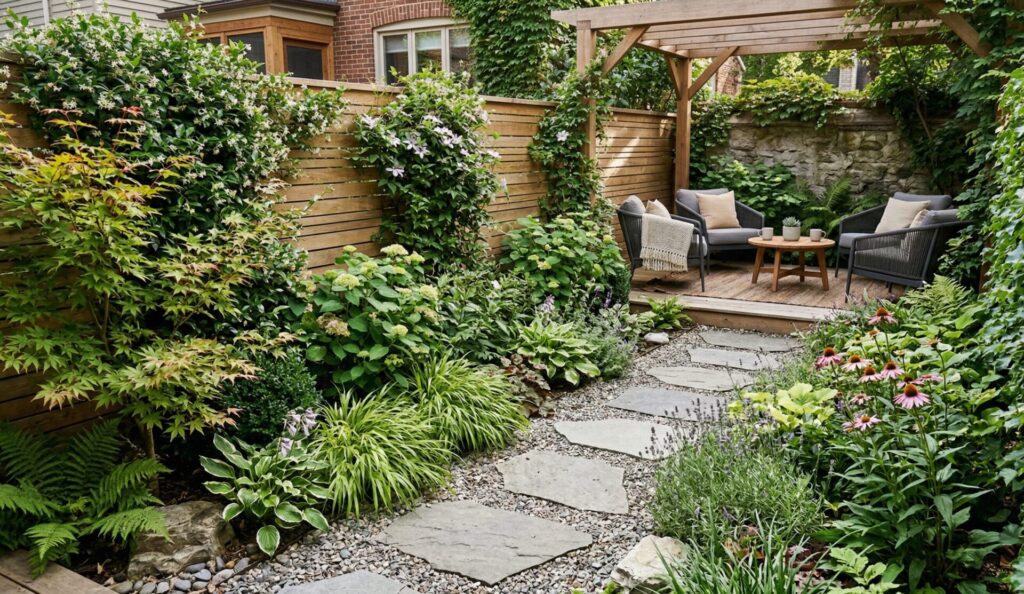
This is a small trick, but it works.
Arranging things diagonally—like a path or furniture—makes the space feel wider than it is.
Straight lines can sometimes highlight how small the area actually is.
16. Reflect Natural Elements
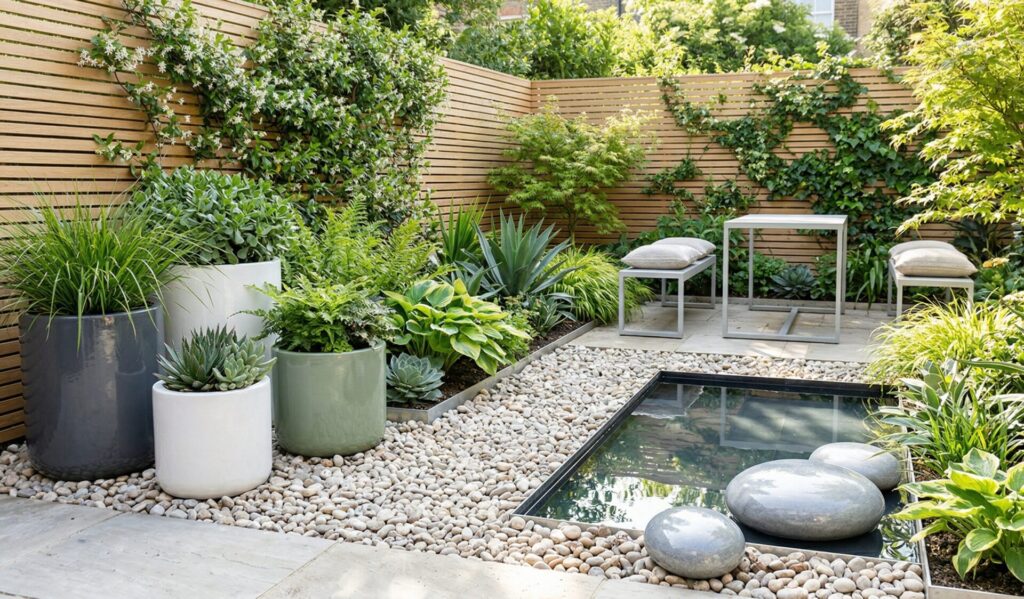
This kind of ties back to mirrors, but also includes shiny or reflective surfaces.
I added a small metal planter and even that subtle reflection added brightness.
You can try:
- Glossy pots
- Light-colored stones
- Glass decor elements
It helps bounce light around.
17. Don’t Try to Fill Every Corner
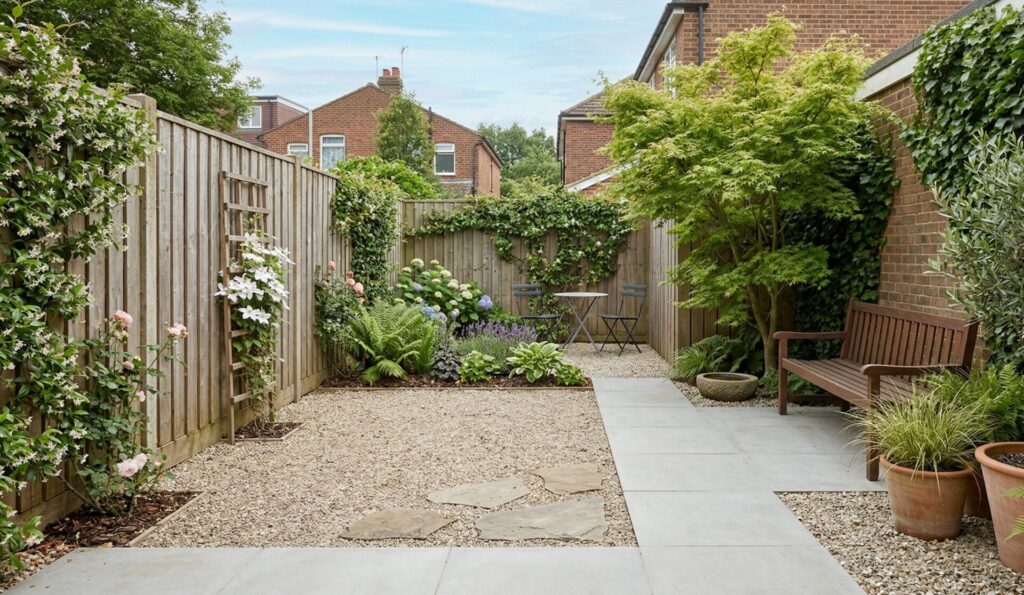
This was the hardest lesson for me.
I used to feel like every empty spot needed something. But leaving a bit of space… actually makes the garden feel bigger.
Now I try to step back and ask:
“Does this need something, or does it need less?”
Sometimes, doing less is what finally makes everything feel right.
Final Thoughts
If there’s one thing I’ve learned from working on a small garden, it’s this:
It’s not about how much space you have… it’s about how you use it.
I didn’t expand my backyard. I didn’t spend a fortune. I just made small, thoughtful changes over time.
And slowly, that cramped little space turned into somewhere I actually enjoy sitting—even if it’s just for a few quiet minutes in the evening.
If you’re starting out, don’t try to do everything at once. Pick 2–3 ideas that feel doable, try them, and see how your space changes.
You might be surprised how much bigger your garden can feel… without adding a single extra inch.