I used to think a beautiful yard required a lot of space, a big budget, and probably a gardener who actually knew what they were doing. My own outdoor spaces taught me otherwise.
Sometimes the best changes were surprisingly small. A few pots tucked beside the front steps. A narrow flower bed along a fence that had always looked a little forgotten. One old wooden chair surrounded by herbs. Even adding a string of lights made the backyard feel like a place I wanted to sit in rather than just walk past.
What I’ve learned is that you don’t have to completely redesign your yard to make it feel special. You can work with the awkward corners, the empty patches, the sunny spots, and even the areas where nothing seems to grow.
So, if your yard is feeling a little plain right now, here are 23 ideas I’d genuinely consider. Some are inexpensive weekend projects, while others can become bigger landscaping plans over time.
1. Create a Welcoming Front-Door Garden
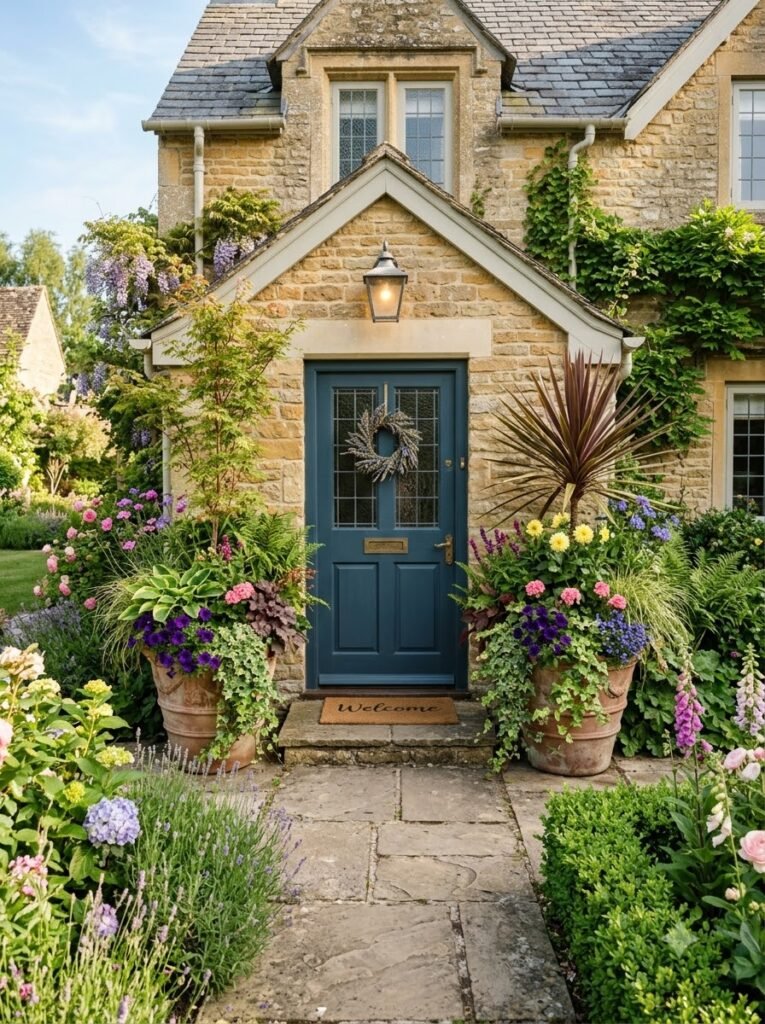
The area around my front door is one of the first places
I like to improve because even a small change there makes the whole house feel more welcoming.
I’d start with two large planters, one on each side of the entrance. They don’t have to match perfectly. I actually prefer when they have a little character.
Fill them with a mixture of something tall, something leafy, and a trailing plant that spills over the edge. Suddenly, an ordinary doorway feels framed and intentional.
2. Turn a Bare Fence Into a Green Wall
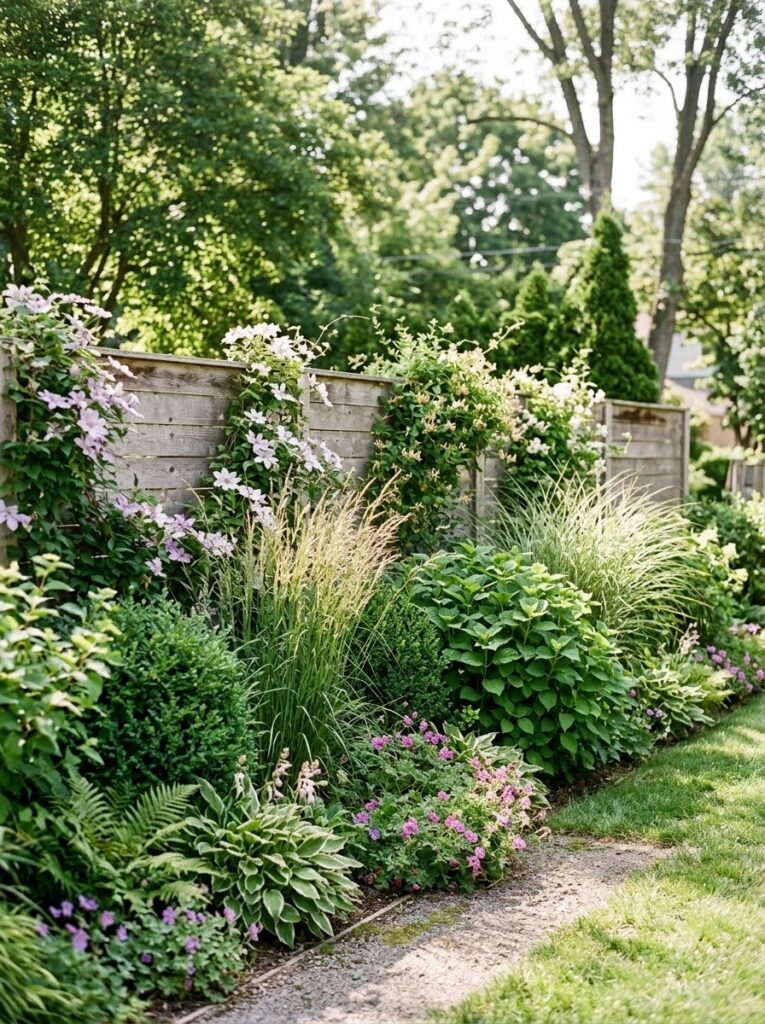
A plain fence can make a yard feel unfinished. I’ve found that adding plants along it changes the feeling of the entire space.
For a sunny fence, consider climbing plants, flowering vines, or tall ornamental grasses. If the area is shaded, leafy plants can still create that soft, layered effect.
One thing I’d avoid is planting everything in a perfectly straight line. A slightly uneven arrangement looks more relaxed and natural.
3. Make a Tiny Herb Garden
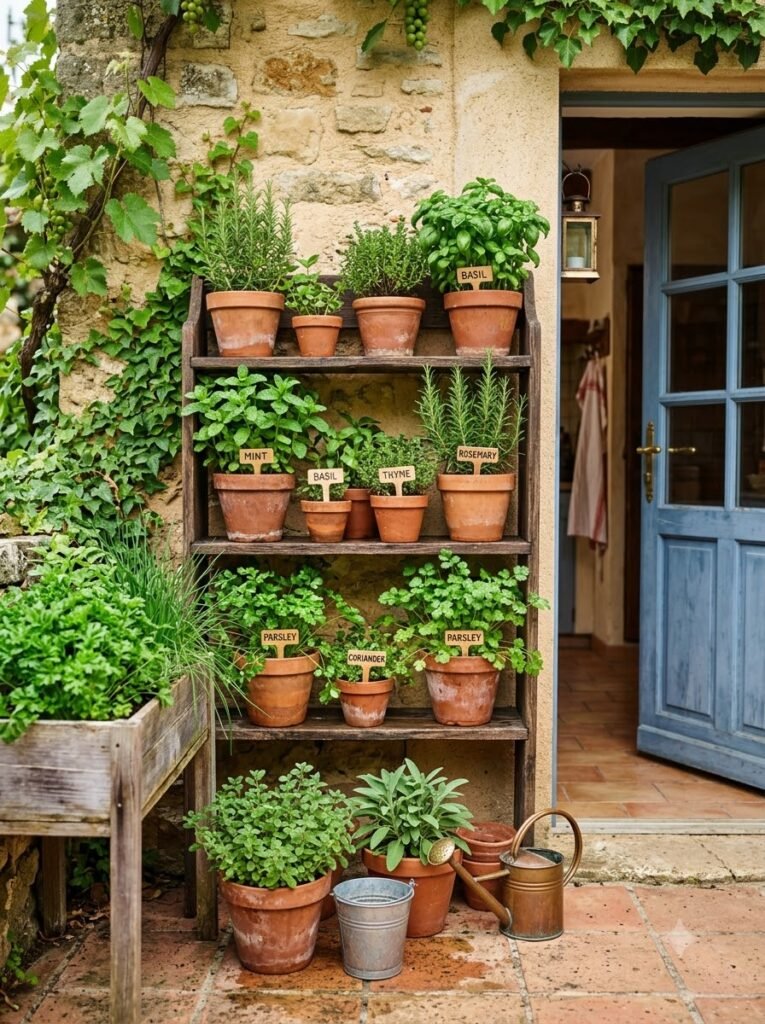
You don’t need a dedicated garden bed for herbs.
I once kept several herbs in simple pots near the kitchen door, and having fresh basil, mint, rosemary, or coriander within arm’s reach made me wonder why I hadn’t done it sooner.
Try:
- Terracotta pots on a small shelf
- A narrow raised planter
- Reused wooden crates
- Hanging containers
- A sunny windowsill just outside the kitchen
It’s practical, pretty, and doesn’t take much room.
4. Use a Corner for a Small Seating Nook
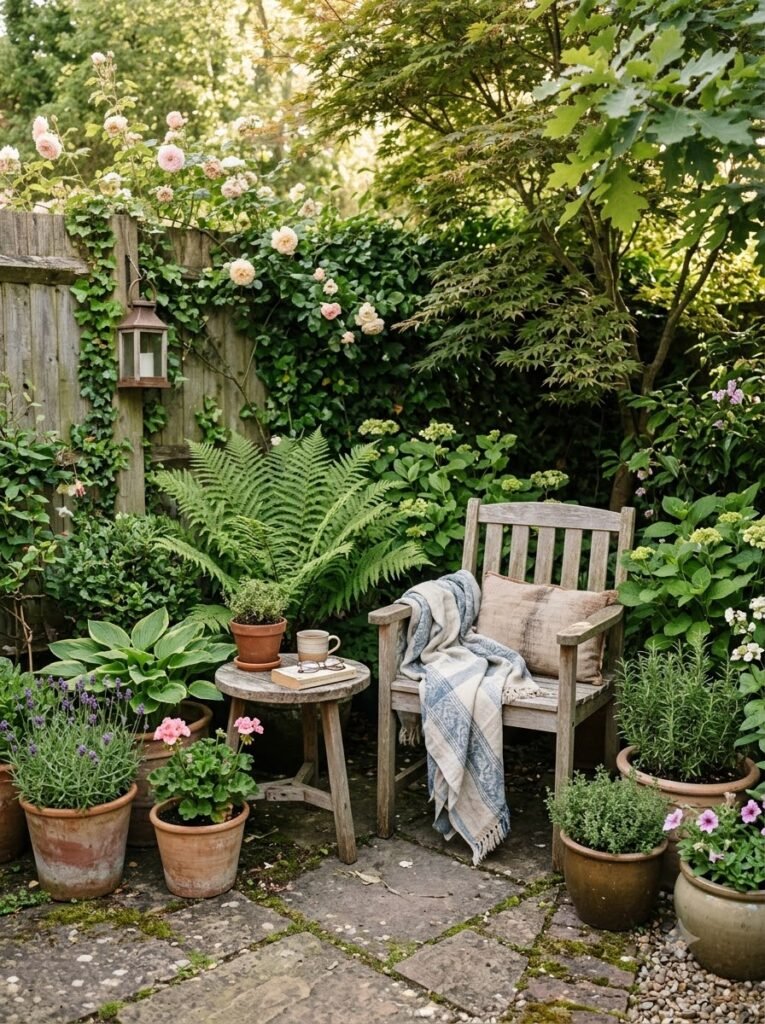
There was a neglected corner of one yard I worked on that seemed completely useless at first. Instead of trying to fill it with plants, I put a small chair there.
That was it.
A chair, a little side table, and a couple of potted plants turned the forgotten corner into my favorite spot for morning tea.
If you have an awkward corner, don’t automatically assume it needs landscaping. Sometimes it needs a reason to be used.
5. Add a Curved Flower Bed
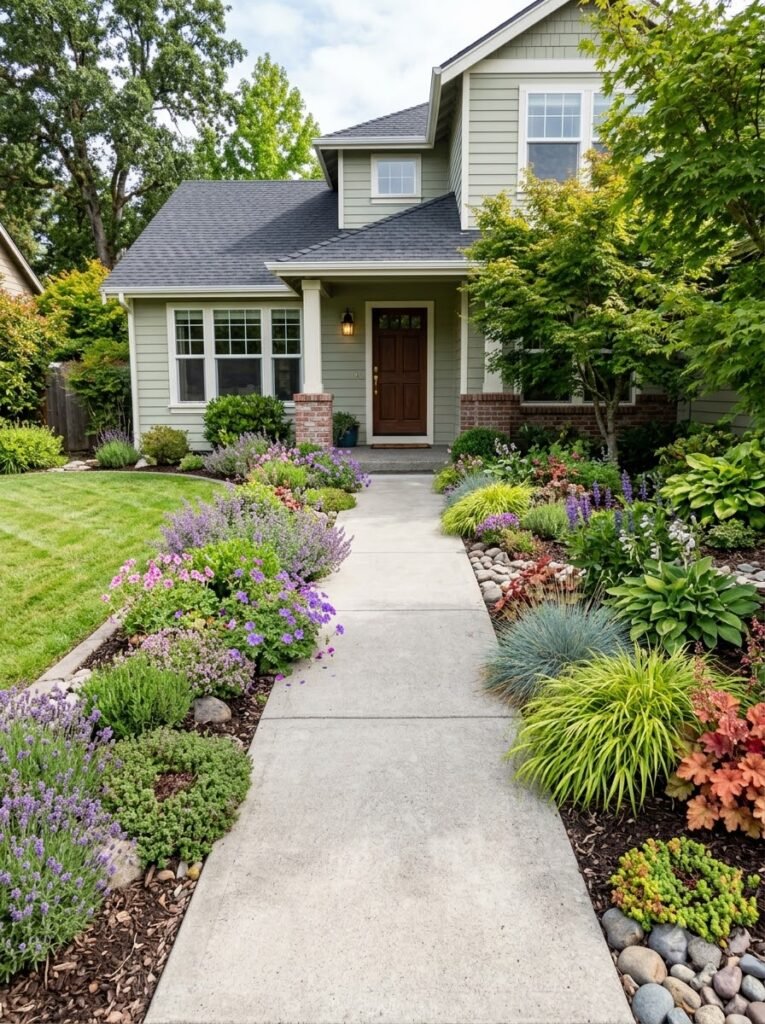
Straight garden borders can look neat, but I really like the softness of a curved bed.
You can create one around a tree, along a lawn, or beside a pathway. Use a garden hose to lay out the shape before digging. It makes it much easier to experiment with curves without committing to anything.
I’d plant taller flowers toward the back and shorter varieties toward the edge. That way, everything remains visible instead of becoming one big green mass.
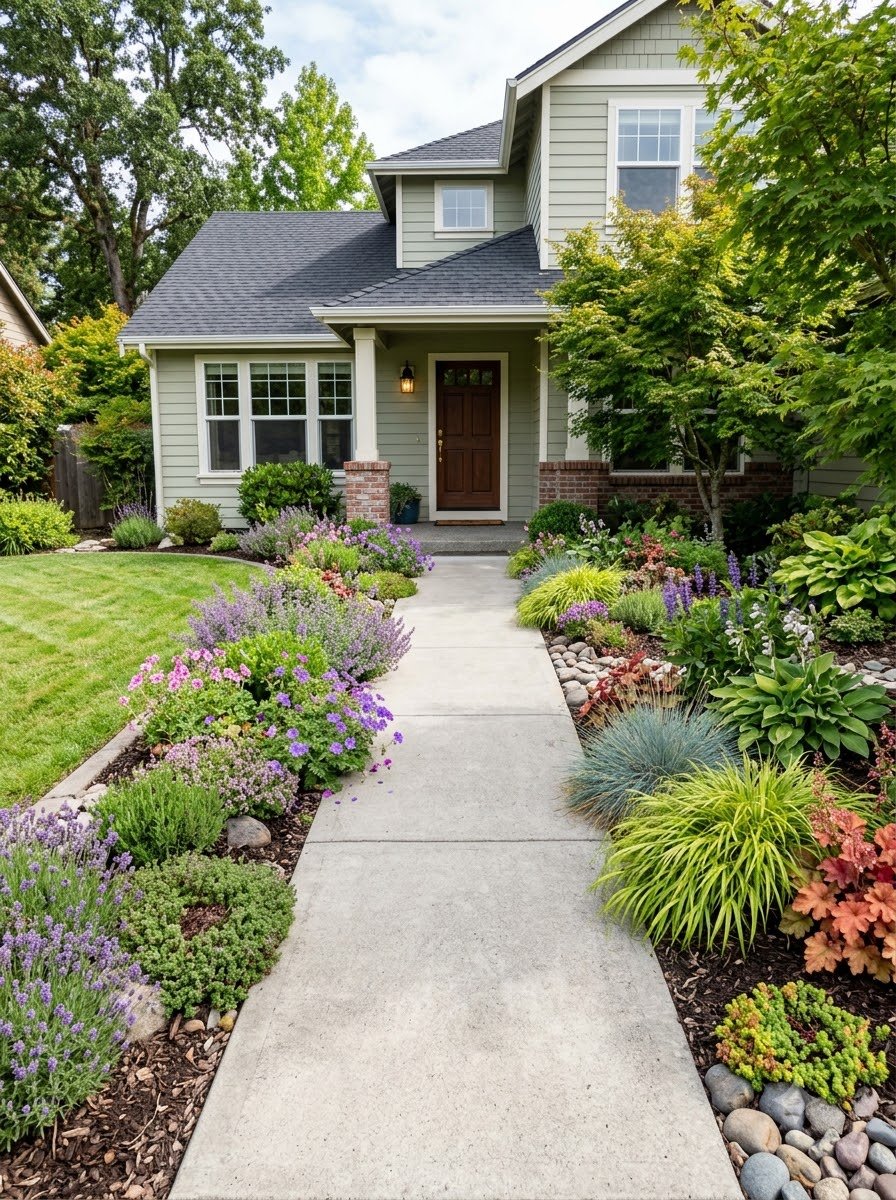
6. Give the Front Walkway Some Personality
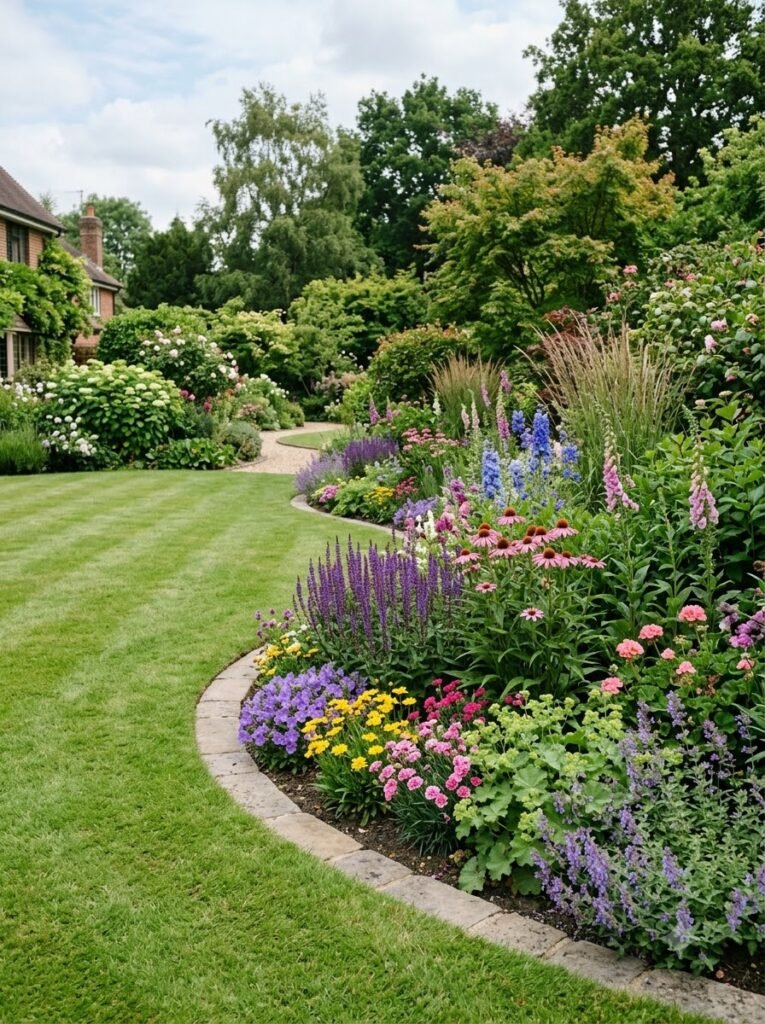
A walkway doesn’t have to be purely functional.
Low-growing plants along both sides can make even a simple concrete path feel more inviting. I particularly like the look of small clusters rather than a continuous row.
If you’re working with a very small front yard, keep the planting low near the path. You don’t want to spend every few days trimming plants because they’re blocking the walkway.
7. Create a Small Vegetable Garden
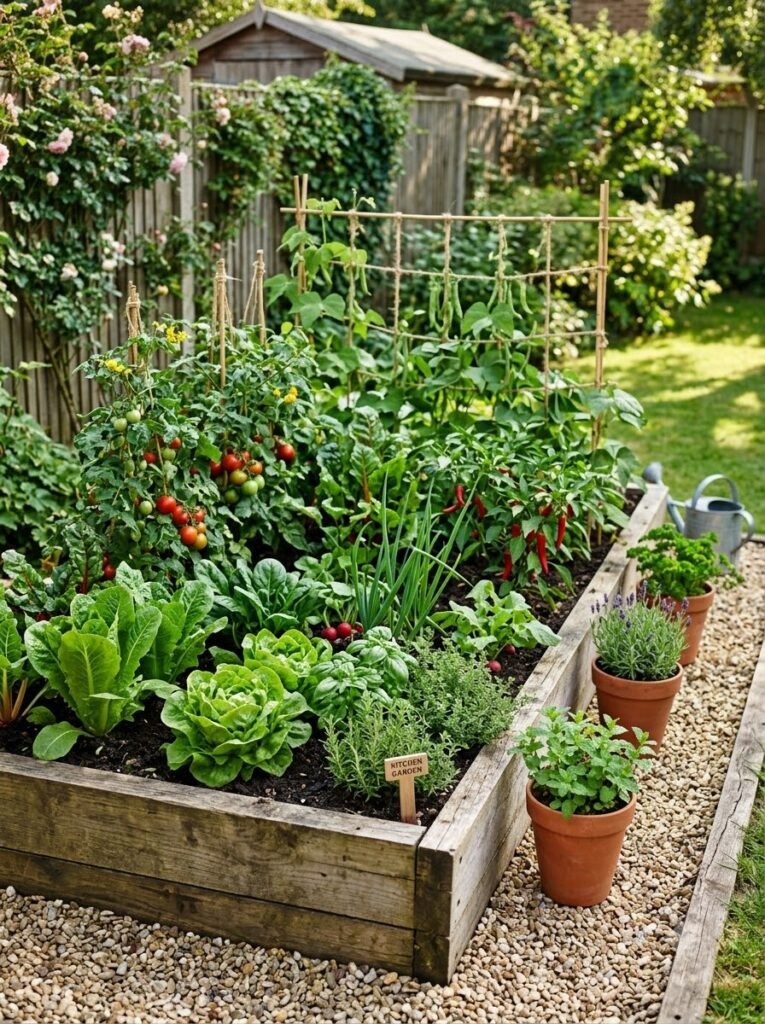
You don’t need acres of land to grow vegetables.
A raised bed measuring only a few feet across can produce a surprising amount. I’d start small with things you actually eat rather than trying to grow everything at once.
Good beginner choices include:
- Lettuce and leafy greens
- Tomatoes
- Chillies
- Radishes
- Beans
- Spring onions
- Herbs
There’s something deeply satisfying about walking outside and picking dinner ingredients yourself.
8. Make Use of a Side Yard
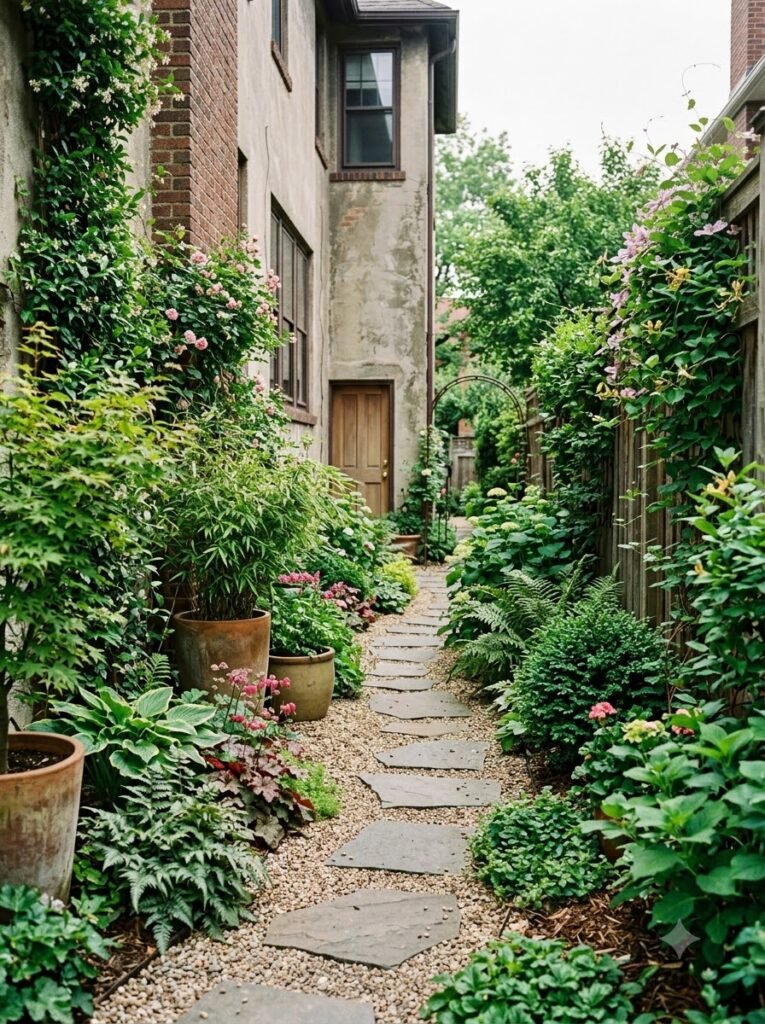
Side yards often become storage zones for things nobody knows where else to put.
I’d clear it out first. Then look at the light.
A narrow strip can become a beautiful garden path with potted plants, climbing greenery, gravel, or stepping stones. If it’s too narrow for furniture, don’t force it. Let it simply become a green transition between the front and back of the house.
9. Plant Around an Existing Tree
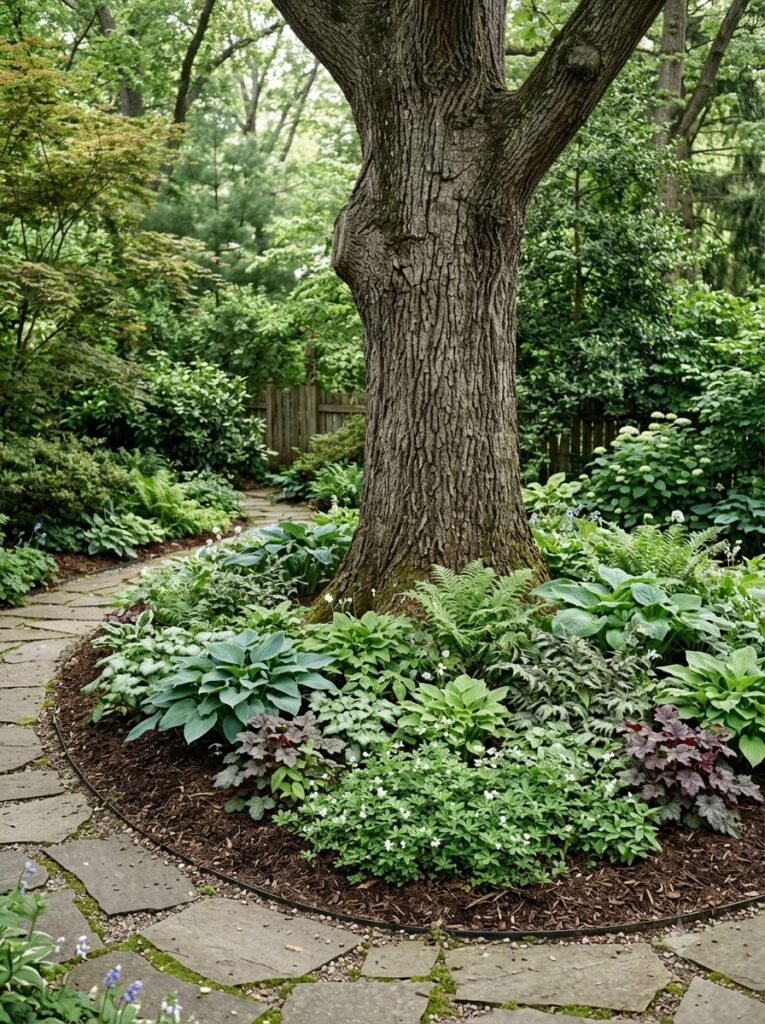
If you already have a mature tree, use it as the anchor of your garden.
A simple circular or irregular planting bed around the trunk can make the tree look much more intentional.
Just be careful about digging around established roots. I prefer adding a shallow layer of suitable soil or mulch where appropriate and choosing plants that tolerate the conditions beneath the tree.
The tree has already done most of the hard work for you.
10. Add Vertical Gardening
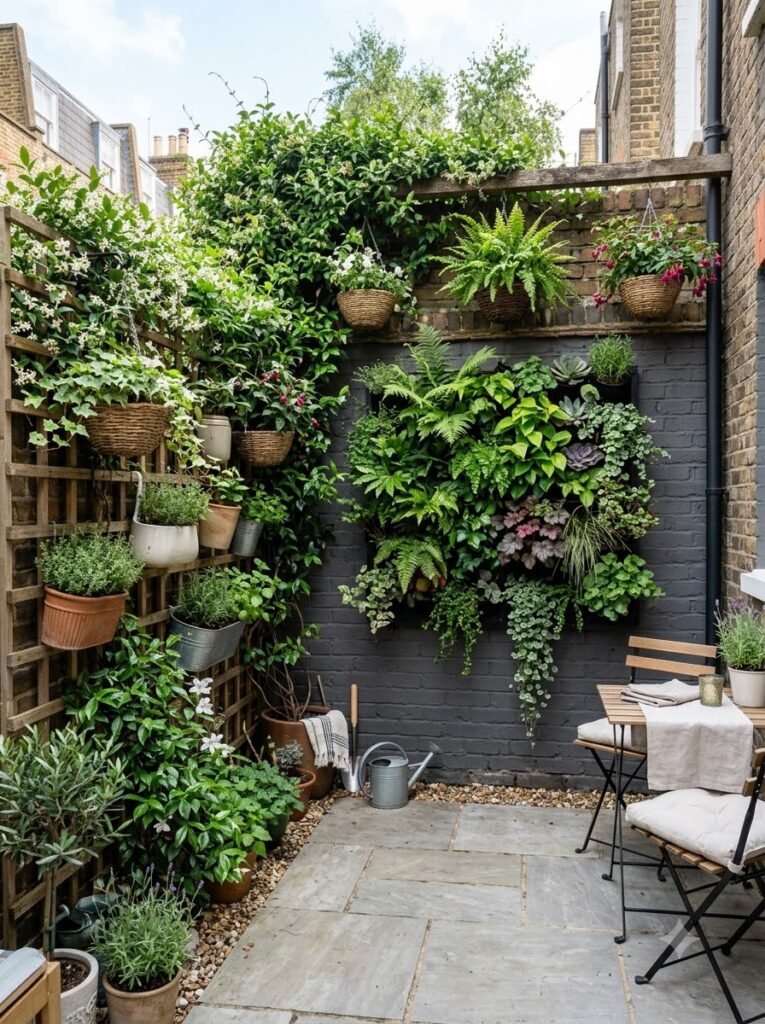
When floor space is limited, look up.
Wall-mounted planters, trellises, hanging baskets, and vertical planters can turn an empty wall into a living feature.
I especially like vertical gardens for balconies, patios, and tiny backyards because they add greenery without taking away precious walking or seating space.
11. Try a Container Garden
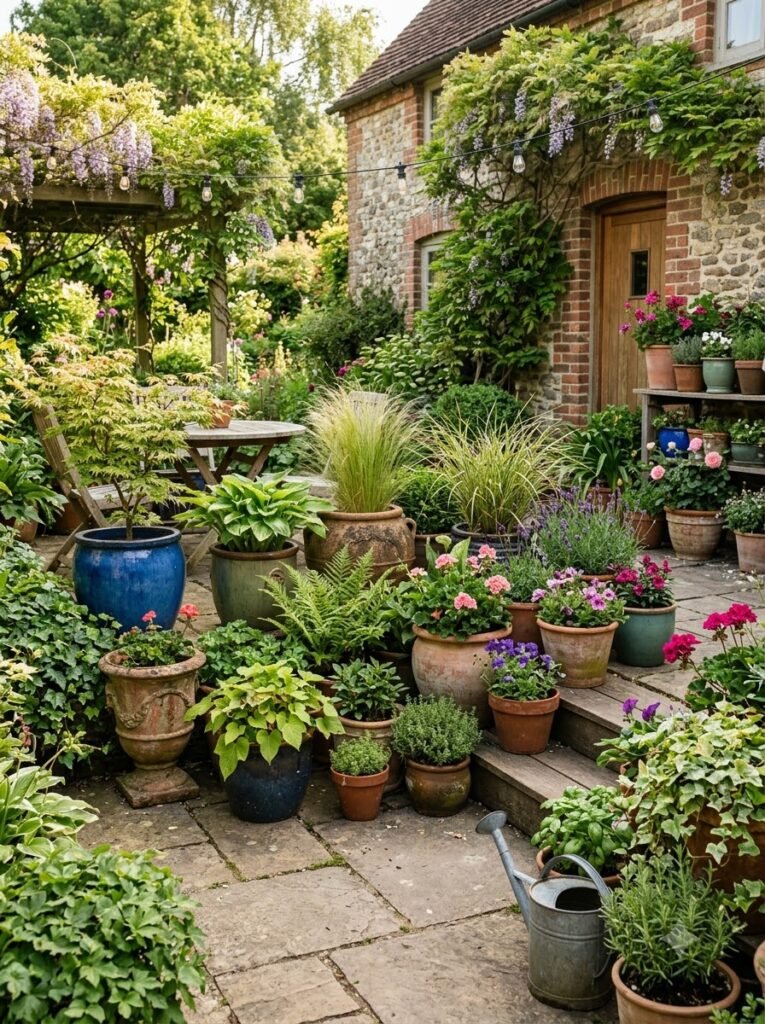
Containers are probably my favorite option for anyone who isn’t ready to commit to permanent landscaping.
You can move them around. Change the plants seasonally. Experiment without digging up half the yard.
A few different-sized pots grouped together usually look better than lots of identical little containers scattered everywhere.
And don’t worry if every pot isn’t the same. A little mix of textures makes the garden feel collected over time.
12. Build a Simple Gravel Garden
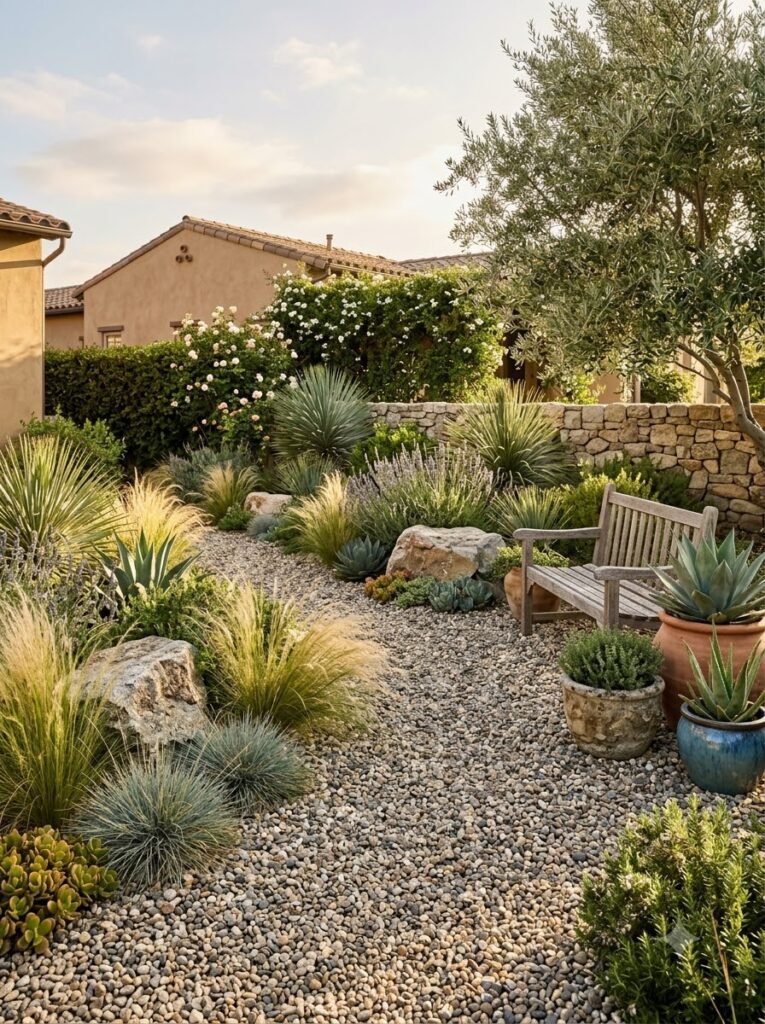
Gravel is useful in those spots where grass struggles.
A small gravel garden can include drought-tolerant plants, decorative stones, pots, and perhaps one simple bench. It has a deliberately relaxed look and can be much easier to maintain than a patch of lawn.
Before choosing plants, though, check how much sun the area receives and which plants suit your local climate.
13. Give an Old Garden Bench a Second Life
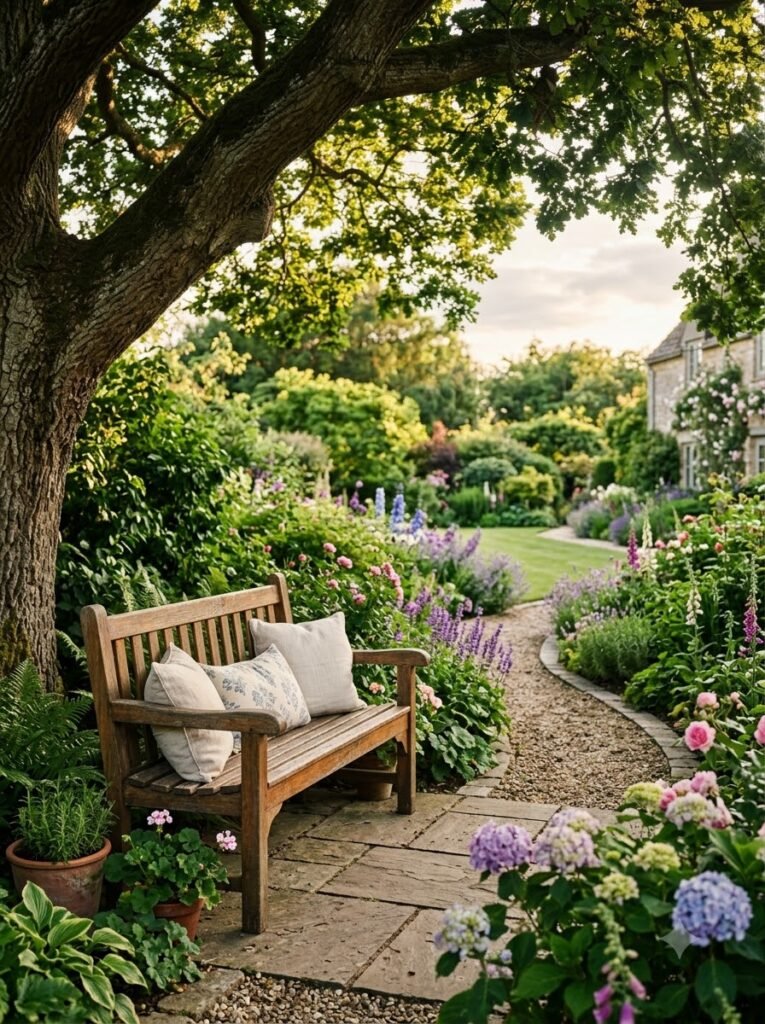
If you have an old wooden bench sitting in storage, don’t throw it away too quickly.
A little sanding, outdoor paint or sealant, and some cushions can make it useful again.
I like placing benches where there’s something to look at: beneath a tree, facing flowers, or at the end of a garden path. A bench positioned toward a blank wall isn’t quite as magical.
14. Add a Small Water Feature
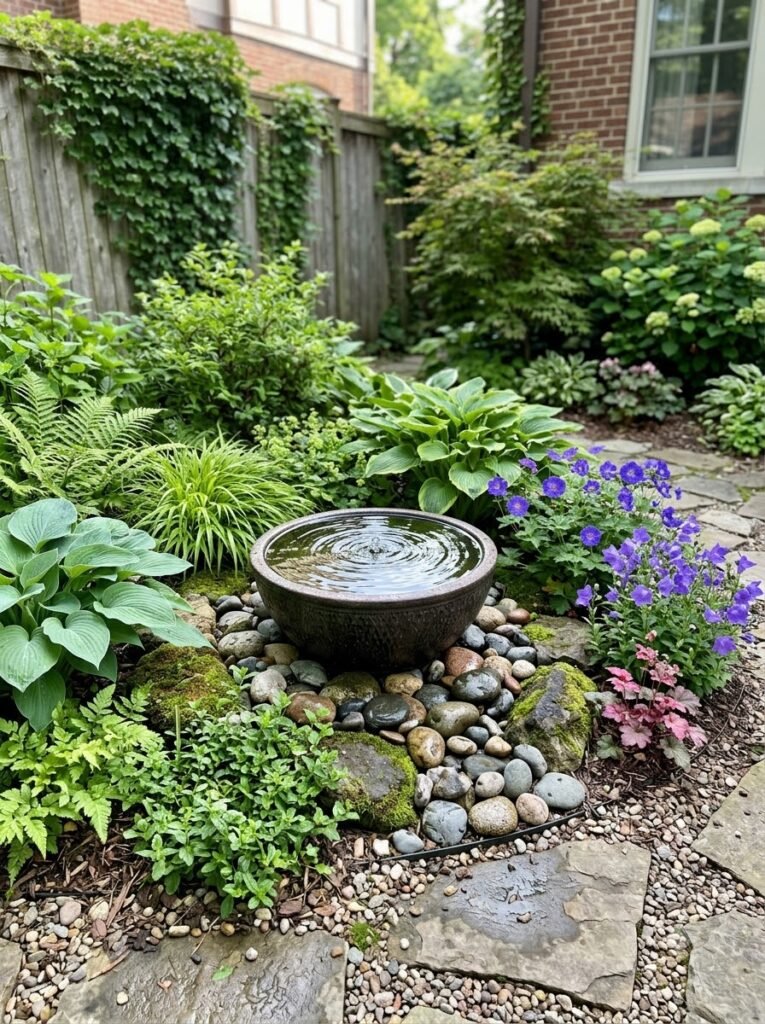
You don’t need a huge pond.
A compact fountain or small water bowl can add movement and sound to a garden. Even a simple container filled appropriately can become a focal point.
Just think carefully about maintenance before choosing one. A beautiful water feature that becomes a chore every week probably won’t stay beautiful for long.
15. Make a Pollinator-Friendly Corner
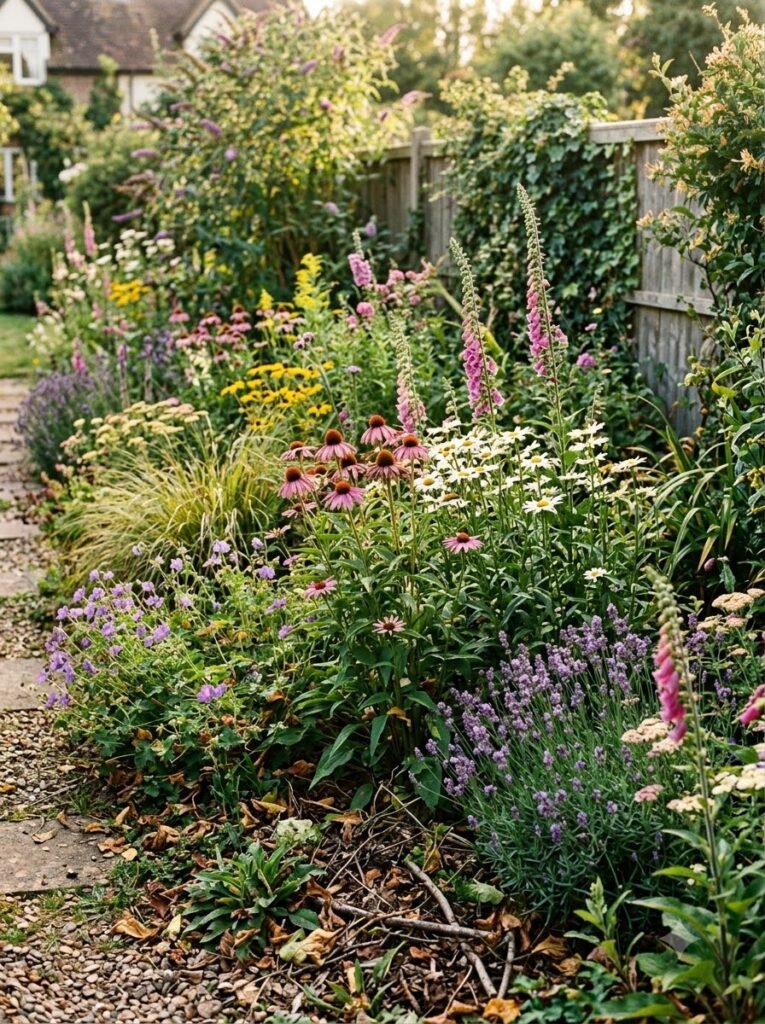
I love the idea of giving one little section of the yard to bees, butterflies, and other helpful visitors.
Choose a variety of flowering plants rather than one type. Different flower shapes and blooming periods can provide resources throughout more of the season.
And don’t make it too tidy.
A slightly wild corner with flowers, grasses, and fallen leaves can actually be more useful than an immaculate patch of bare soil.
16. Frame the Backyard With Lighting
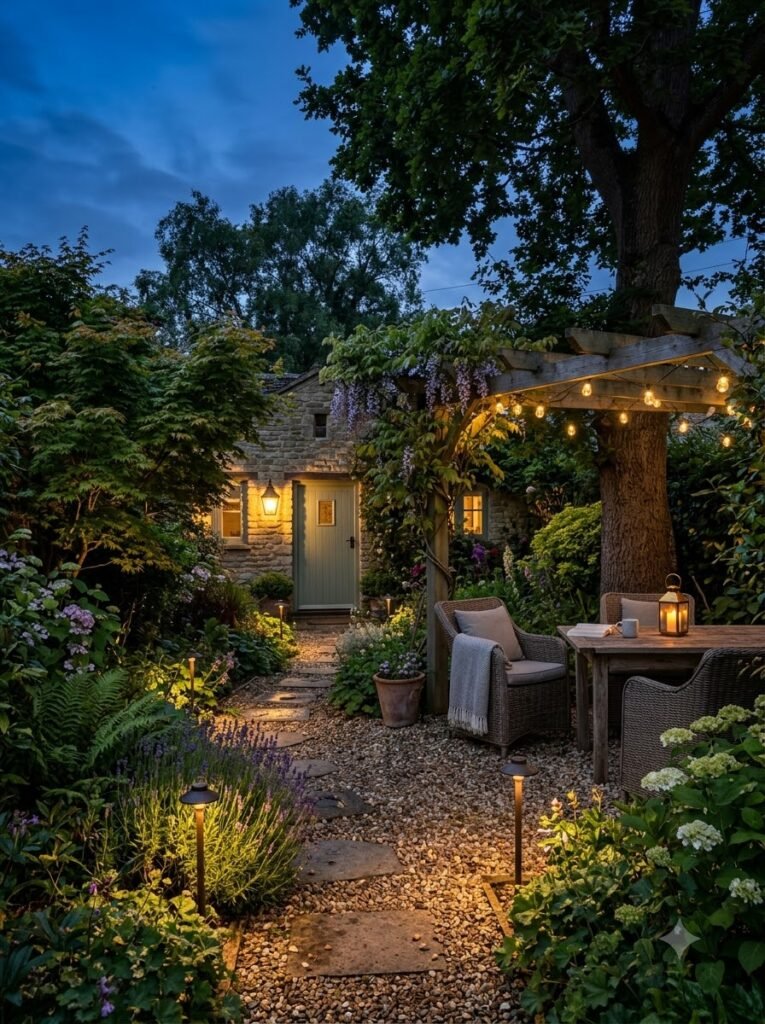
Outdoor lighting doesn’t have to mean installing an elaborate system.
String lights above a seating area, solar lights along a path, or a small lantern beside the door can completely change the atmosphere after sunset.
I tend to keep lighting warm and subtle. The goal, for me, is to make the garden feel cozy rather than turn it into a football field.
17. Create a Secret Little Reading Spot
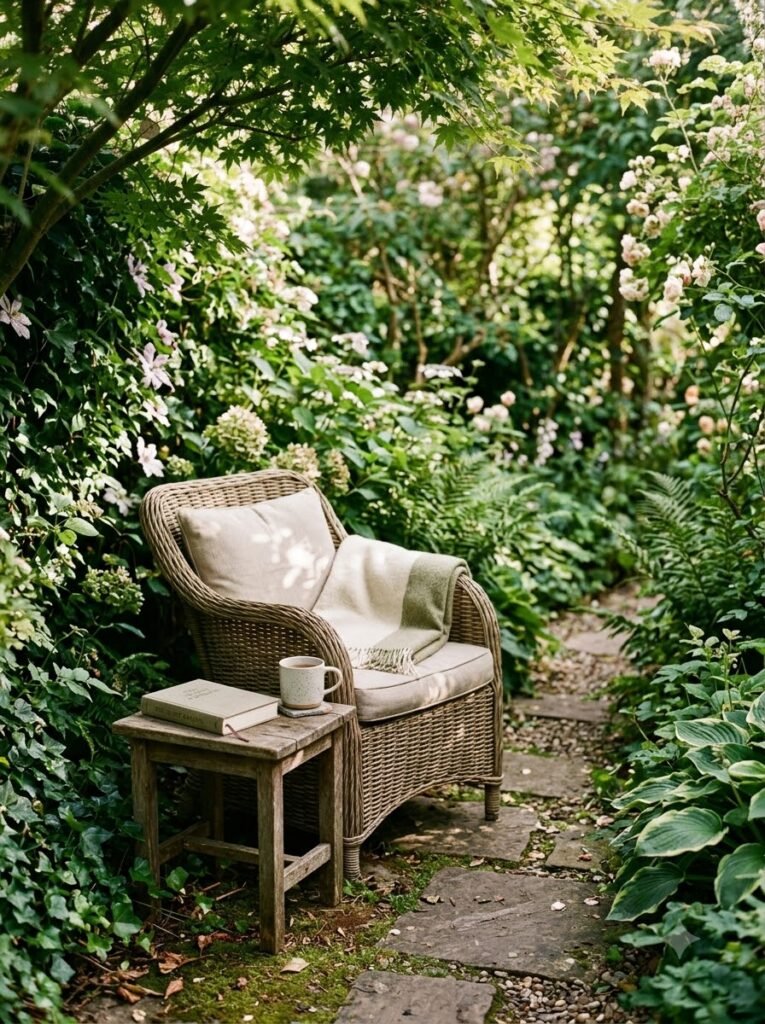
This is one of those ideas that sounds slightly whimsical until you actually try it.
Find the quietest corner of the yard. Add a comfortable chair, a small table, perhaps a few tall plants for privacy.
That’s your outdoor reading room.
It doesn’t need to be elaborate. In fact, I think the simpler versions feel better.
18. Use Edging to Make Gardens Look Finished
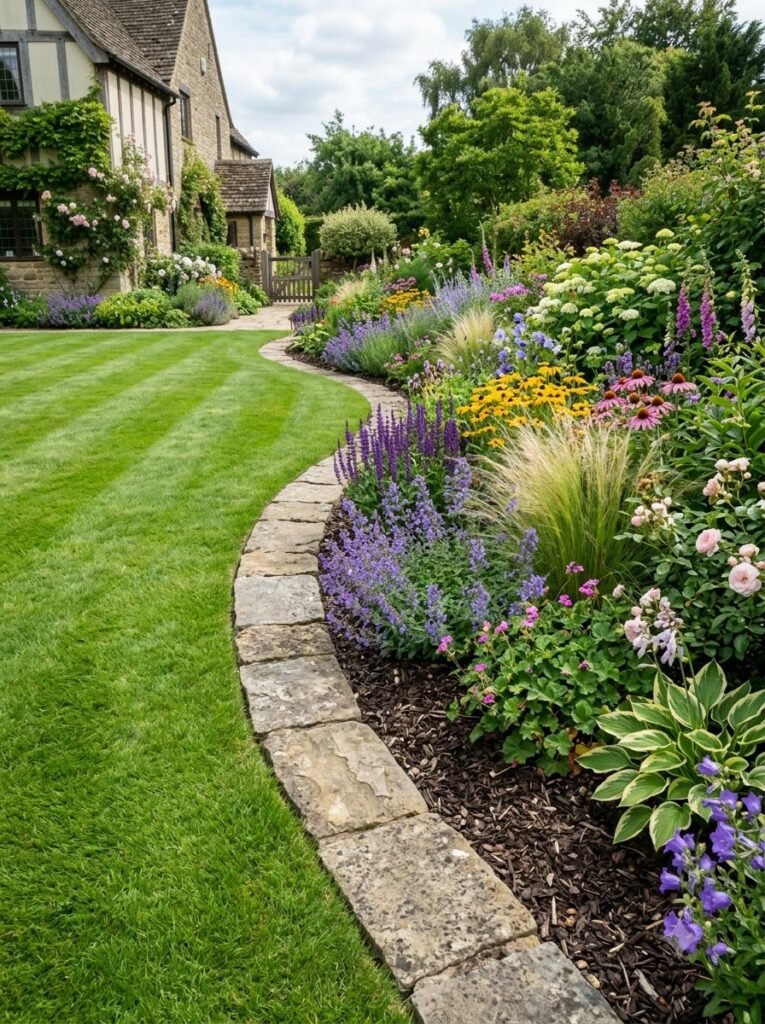
Sometimes a garden doesn’t need more plants. It needs better definition.
Stone, brick, timber, metal edging, or even a clean trench can separate lawn from flower beds and make everything look more deliberate.
This is one of those small improvements where the difference can be surprisingly noticeable.
19. Turn an Empty Patio Into an Outdoor Room
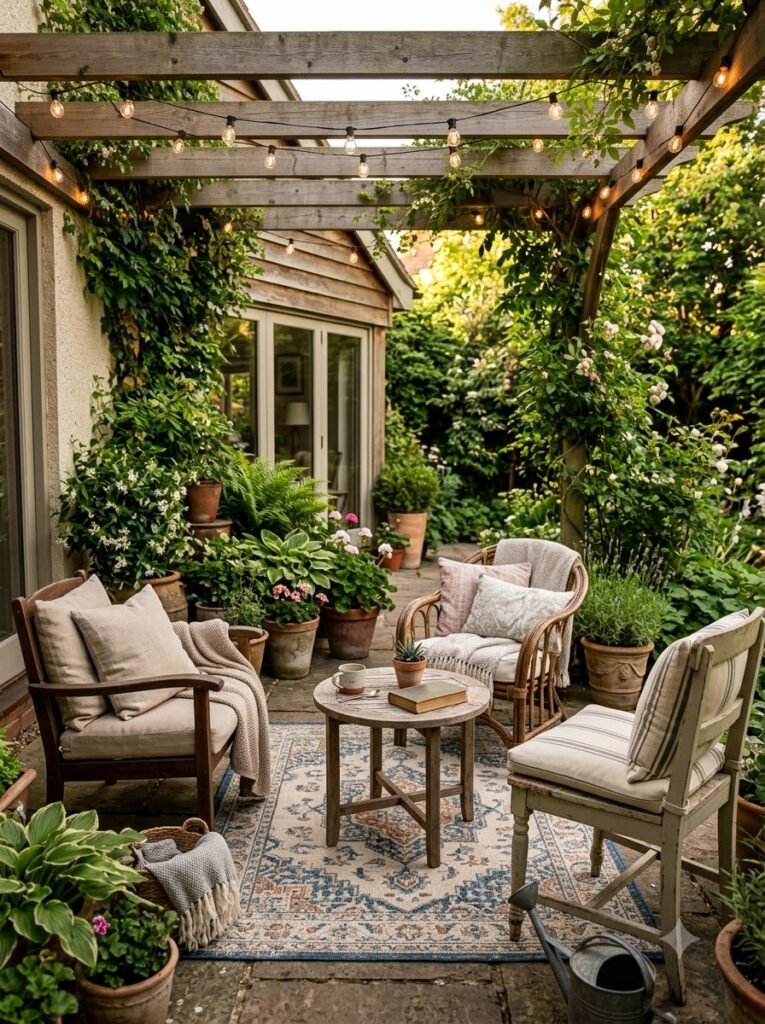
I think of a patio as another room of the house, just without walls.
Add:
- A weather-resistant rug
- Comfortable chairs
- A small table
- Potted greenery
- Outdoor cushions
- Soft lighting
You don’t need expensive furniture. Even a basic table and mismatched chairs can feel charming once the space is surrounded by plants.
20. Hide Unsightly Areas With Plants
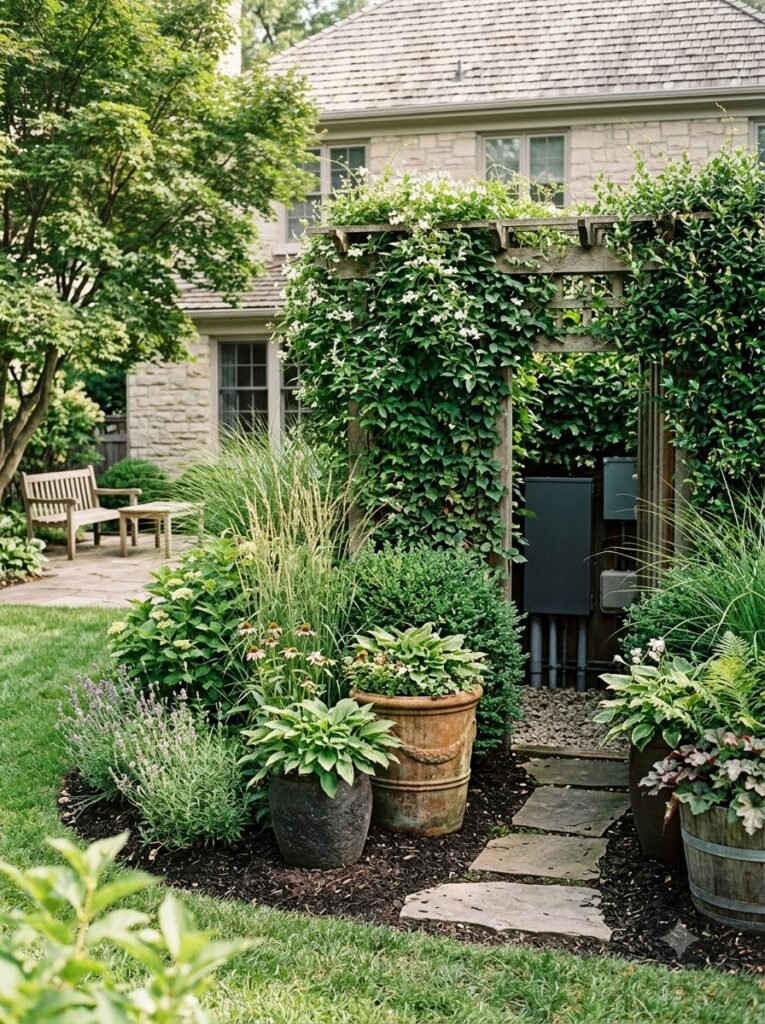
Every yard has something unattractive. A utility box, air-conditioning unit, storage area, or compost bin.
Rather than pretending it isn’t there, I prefer disguising it with thoughtful planting.
Use trellises, shrubs, tall grasses, or strategically positioned containers. Just make sure you leave enough access for maintenance and repairs.
That last part is easy to forget. I know from experience.
21. Create a Mini Cottage Garden
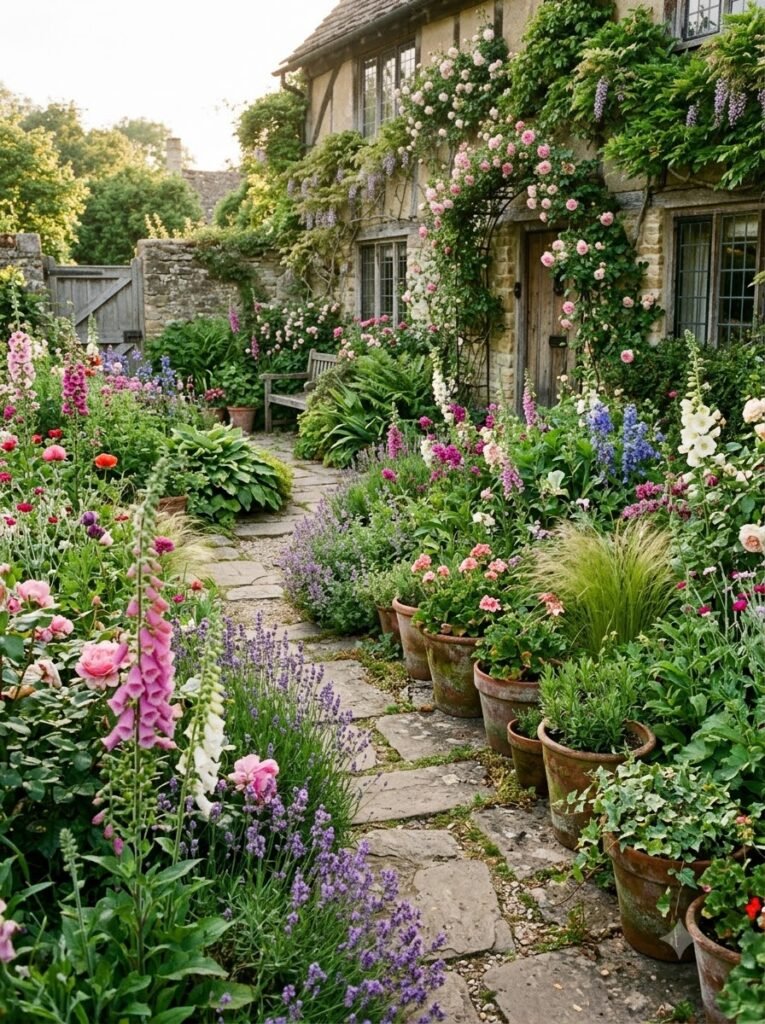
If you like gardens that feel a little romantic and slightly untamed, try a cottage-style approach.
Mix flowers, herbs, grasses, and foliage plants rather than separating everything into strict categories.
I wouldn’t worry about perfect symmetry. Cottage gardens are at their best when they look as though they’ve evolved naturally over time.
22. Transform the Space Beneath a Window
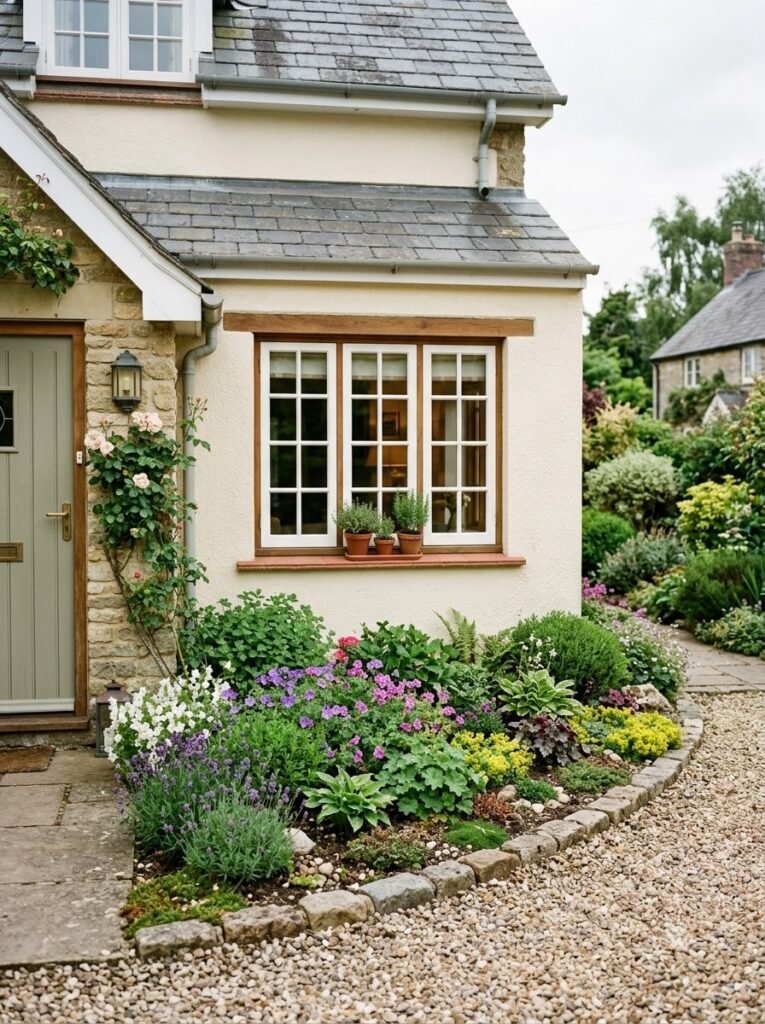
The area beneath a front or kitchen window is often overlooked.
A narrow planting bed filled with low flowers and leafy plants can make the house feel more connected to the garden.
If the window is low, keep plants short enough that they don’t block the view. I like being able to look out and see a little greenery without having to peer through a jungle.
23. Leave One Part of the Yard Imperfect
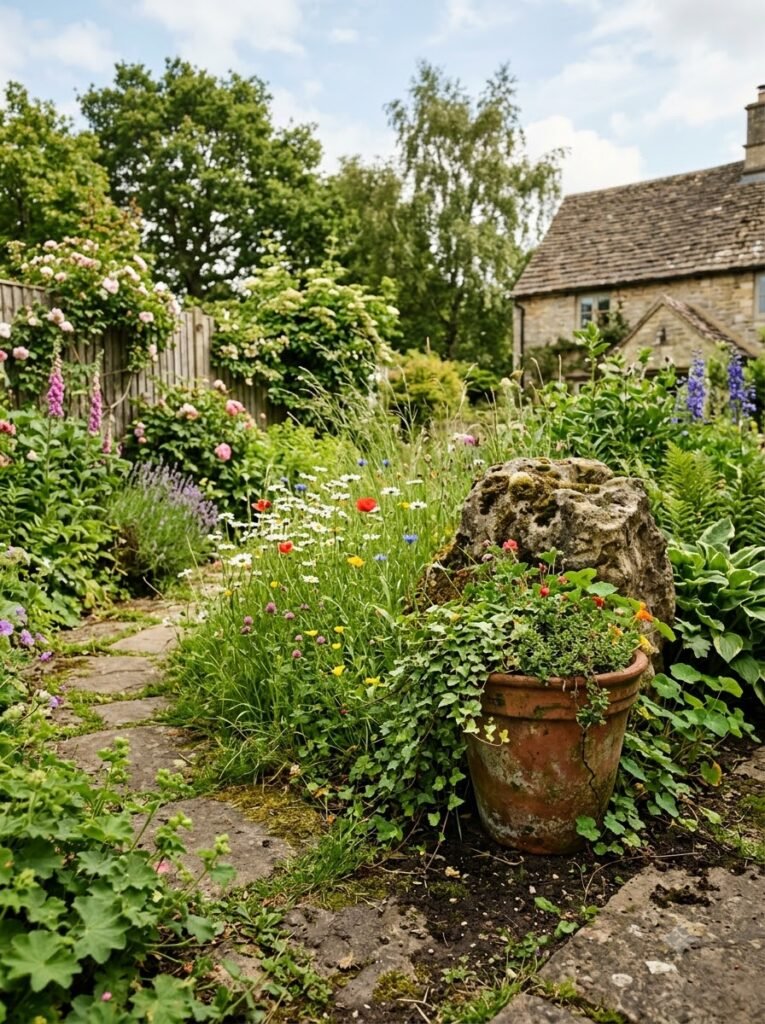
This might be my favorite idea of all.
Not every corner needs to be landscaped.
Leave a little patch for wildflowers. Keep an old stone. Let a few plants spill beyond their intended boundaries. Use an old pot instead of buying another matching planter.
I’ve noticed that gardens become much more inviting when they don’t feel like showroom displays.
A Few Things I’d Do Before Buying Anything
Before heading to the garden center, I’d spend a weekend simply watching the yard.
Notice:
- Which areas get morning sun?
- Where does water collect after rain?
- Which spots stay dry?
- Where do you naturally walk?
- What can you see from inside the house?
- Which corners do you actually want to use?
That last question matters more than it sounds.
A beautiful garden that nobody sits in, walks through, cooks beside, or enjoys from a window isn’t necessarily a successful garden.
I’d also start with one project rather than trying to transform everything at once. Maybe it’s the front entrance this month and the backyard seating area next month. Gardens are allowed to evolve. Mine certainly have.
Making a Yard Beautiful Without Spending a Fortune
You really don’t need to buy everything new.
Some of my favorite garden details have come from ordinary things: an old chair, a reclaimed pot, leftover bricks, a wooden crate, or plants divided from an existing garden.
A few budget-friendly tricks I’d try:
- Buy smaller plants and give them time to grow.
- Propagate plants when possible.
- Reuse containers after cleaning them properly.
- Shop for end-of-season plants.
- Build one raised bed instead of several.
- Use gravel or mulch to reduce the amount of lawn.
- Paint or repair outdoor furniture instead of replacing it.
The one thing I wouldn’t skimp on is soil preparation. Healthy plants are much easier to maintain, and starting with suitable soil saves frustration later.
Bringing It All Together
When I look at a yard now, I don’t see a checklist of landscaping projects anymore. I see little opportunities.
A blank wall can become green. A forgotten corner can become a place to sit. A plain walkway can lead through flowers. A tiny patch of sunlight can grow herbs for dinner.
And that’s really what I love about garden design. It doesn’t have to be perfect or expensive to feel personal.
Start with the corner that bothers you most. Or the place you’ve always wished was a little prettier. Add one thing, live with it for a while, and see what happens.
Before long, you’ll probably find yourself standing outside with a cup of tea, looking around and thinking, why didn’t I do this sooner?