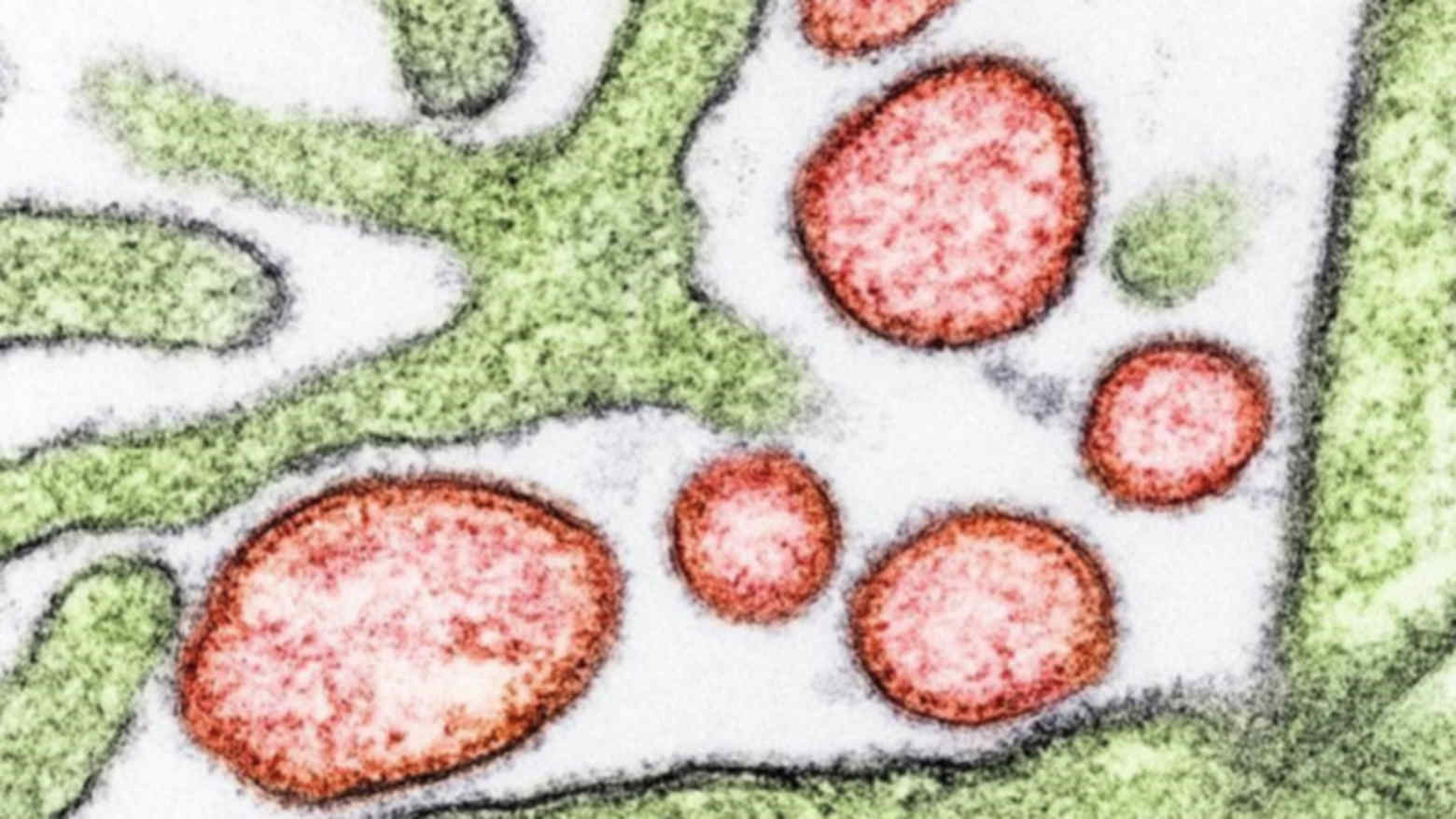
In January, India recorded a mini-outbreak of the Nipah virus, an often lethal disease spread by contact between humans and animals.
There was little that could be done for the victims, as no specialized treatment for Nipah virus exists other than normal supportive care procedures such as the treatment of the resulting symptoms, rest, and hydration.
Some well-studied antiviral medications like ribavirin, remdesivir, acyclovir, favipiravir, have seen use on a speculative basis during certain outbreaks, but real efficacy is unclear.
Now though, the University of Tokyo’s Research Center for Advanced Science and Technology has developed a potential Nipah virus vaccine by inserting some of the virus’ genetic material into the modified measles vaccine. Early trials in hamsters have shown it to be safe and effective.
Nipah virus fatality rates are 40% to 75%. It’s typically spread by contact between humans and bats, often through people consuming tree fruit contaminated with bat saliva. Once thusly contracted, it can spread quickly through humans via any form of fluid exchange.
The virus is present in the tropics and often in rural areas where access to medical care may be limited.
TREATMENT ADVANCING: CRISPR Identifies Commonly Available Drug That Works as Cobra Venom Antidote
Tokyo University’s vaccine candidate is now on its way to Belgium for a Phase 1 testing in humans, where with the help of a nonprofit called the European Vaccine Initiative, it will be examined for safety across 60 test candidates.
The trials are set to begin in April.
SHARE This Potential Preventative Care For A Mostly-Lethal Tropical Disease…