It’s 2025. We’ve got self-driving Ubers, AI therapists, and smart toasters that know your breakfast mood. But somehow… we’re back to talking about Hillary Clinton’s emails.
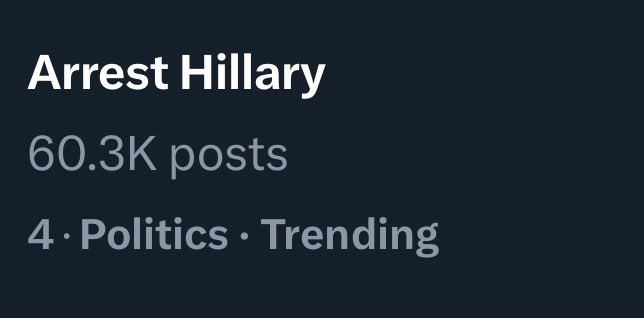
Yep, #ArrestHillary is trending again, and if it feels like déjà vu, you’re not alone.
So What Actually Happened?
The whole thing started on July 21, when Attorney General Pamela Bondi made a public statement in response to a request from Senator Chuck Grassley. He wanted more transparency around the FBI’s 2016 investigation into Hillary Clinton’s use of a private email server while she was Secretary of State.
Bondi didn’t drop any bombshells—no new evidence, no charges—but she did criticize how the case was handled by then-FBI Director James Comey. That was enough to light a match under a topic that’s been smoldering for nearly a decade.
The Internet Did Its Thing
Almost immediately, some big conservative accounts on X (formerly Twitter) grabbed Bondi’s comments and ran with them. Old claims about Clinton mishandling classified info resurfaced, along with the usual cries of corruption and cover-ups.
Some posts went way further, falsely claiming Hillary had already been arrested—a totally made-up rumor that’s been debunked more times than we can count.
🚨 Just to be clear: Hillary Clinton has not been arrested. Not by the Navy SEALs. Not by the DOJ. Not by anyone. 🚨
The Conspiracy Machine Is Back Online
If this all sounds familiar, it’s because it is. A lot of these claims mirror discredited QAnon theories from the 2020s, repackaged for a new audience. The difference this time? We’re heading into the 2026 midterms, and social media is more polarized (and more algorithm-driven) than ever.
The viral posts spread fast, boosted by anger, suspicion, and a digital landscape that’s built to reward outrage.
Not Everyone’s Buying It
Clinton supporters were quick to fire back, calling the hashtag a “zombie narrative” that just won’t die. They pointed to the FBI’s original 2016 conclusion: that while Clinton’s email setup was “careless,” it didn’t rise to the level of criminal charges.
“It’s the same playbook,” one user wrote. “Every time there’s an election coming, they dig this up again.”
What’s the Real Takeaway?
This isn’t really about Clinton anymore. It’s about trust—or the lack of it.
For some, #ArrestHillary is a rallying cry. For others, it’s a symbol of how misinformation keeps coming back, no matter how many times it gets debunked.
It’s also a reminder of how easily public attention can be hijacked, especially when politics, outrage, and social media collide. By the end of July, the trend had evolved into something bigger: a litmus test for how divided we still are when it comes to truth, justice, and who we choose to believe.
Bottom line:
- No, Hillary Clinton wasn’t arrested.
- Yes, people are still arguing about emails from almost ten years ago.
- No, there’s no new legal action—at least not right now.
- Yes, the internet is still the Wild West.