While all eyes and ears are on the Winter Olympic games in Milano-Cortina, last summer’s games drew only eyes.
At the 2025 Summer Deaflympics, Tokyo event organizers splashed on some cutting-edge technology to help the crowds get closer than ever to the action.
Special eyeglasses project holograms featuring athlete bios, previous times and scores, and cues when certain moments have occurred.
Over at the Judo event, spectators were given special haptic feedback devices worn around the neck which relay vibrations from strike, foot movement, and impact data captured in real-time by sensors and special microphones.
“Originally built for concerts, the tech uses sensors and human tuning to capture the nuance of live sport, giving spectators clear cues and a visceral sense of impact,” writes Paul Carter, a BBC technology journalist, in a brief video report for the British flagship outlet.
“The result is an immersive, shared experience that’s bringing deaf and hearing fans closer together.”
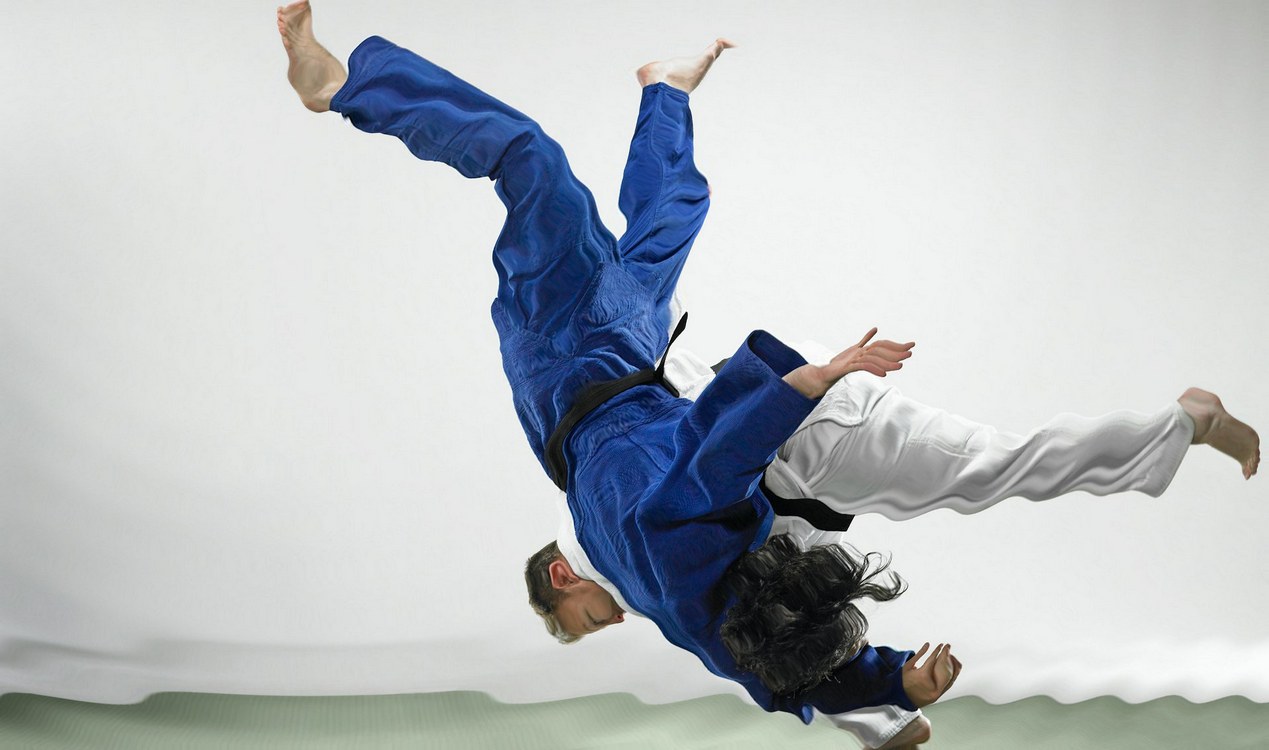
Judo means the “gentle way” in Japanese, but a well-executed throw or trip can see one of the competitors slam onto a firm tatami mat, resulting in an impact that is anything but gentle.
MORE IMMERSION TECH:
Throws are the main objective of this grappling-centered martial art, and often the most exciting moment. Rather than hearing the “thwack” of someone’s back slamming on the tatami, the spectators feel the action with a precise dose of vibrations followed by lighter stimulation from the crowd noise.
The result is so immersive, even non-deaf spectators appreciate it.
“Even though I can hear sound, the device really conveys the atmosphere of the venue,” said Nana Watanabe, a judo fan and spectator. “It feels like we can share the the intensity together. I think it’s wonderful.”
SHARE This Brilliant Use Of Technology To Power Up Silent Sport…