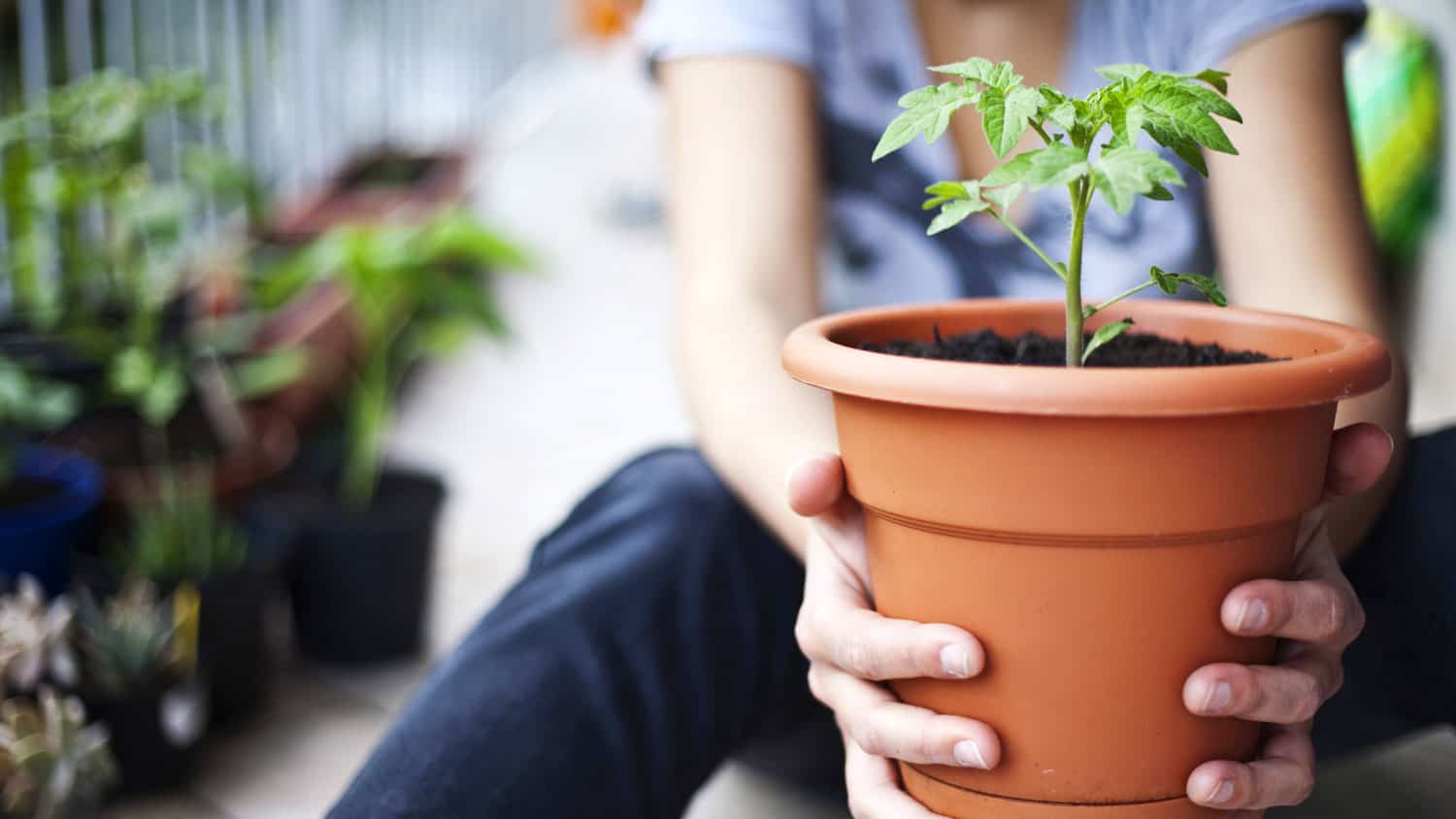
Are you tired of red peppers and tomatoes that taste like cardboard? Do you buy organic fruits and vegetables, but wish the prices were lower?
Do you live in a condo, apartment or small space and yearn to grow your own fresh organic vegetables, but think you don’t have room?
The good news is that you can grow an edible garden right on your balcony, patio or kitchen windowsill. With container gardening, you can grow organic vegetables in small spaces.
Container Gardening Is Practical and Fun
Container gardening is a great way to grow your own food in a small space, so it’s perfect for apartments and condos, as well as urban homes without a huge yard.
Container gardening allows you to be creative and personal in decorating your environment. You can use recycled pots, found objects, or buy modern containers to suit your décor.
If you’re renting a place, you don’t have to leave your beloved garden behind. You can take the plants with you when you move, creating a movable feast.
You help the environment by growing food right at your home, saving the fuel costs of driving to a supermarket, and the costs of transporting your food from across the globe.
Best of all, you can eat organic food that’s grown without pesticides or herbicides. And you can avoid GMOs (Genetically Modified Organisms) by buying organic, Non-GMO seeds and seedlings.
Here are 5 easy steps to growing fresh organic veggies in containers:
Step 1: Gather Some Containers
Look for pots that work with the kinds of vegetables you want to grow. Size does matter – the bigger the better.
Clay pots are popular because they are a natural material and harmonize with most decors and foliage. Plastic pots are inexpensive and come in a range of colors. You can also use almost any household object, from an old shoe to a baby bathtub, or splurge and buy some sleek modern containers. Have fun finding funky containers that express your personality!
Step 2: Get the Right Soil at Your Local Garden Center
Soilless mixtures are inexpensive, lightweight, and free from disease and contaminates. They help the plants retain water, and also create little air pockets that help the roots breathe.
You should also mix in about 1/3 to 1/2 compost to feed your plants slowly from the roots.
You can buy commercial Triple Mix, which is ready to use. A good composition is 1/3 triple mix OR compost + 2/3 soilless mix.
Step 3: Consider Organic and Heirloom Plants
Look into ordering organic, heirloom seeds. You’ll want to buy organic to avoid pesticides and herbicides on seeds or seedlings.
“Heirloom seeds come from open-pollinated plants that pass on similar traits to each succesive generation. Every type of seed in this category fits that heirloom definition. You really know what to expect each time with these seeds.
Think of heirloom seeds (sometimes called heritage seeds) as the seeds your grandparent grew, ones that maintained the same characteristics after several generations of growing and harvesting.”
– True Leaf Market
So if you’re planting vegetables to improve your health and increase longevity, organic heirloom plants will delight your taste buds and boost your well-being!
Step 4: Buy Your Seedlings and Start Growing
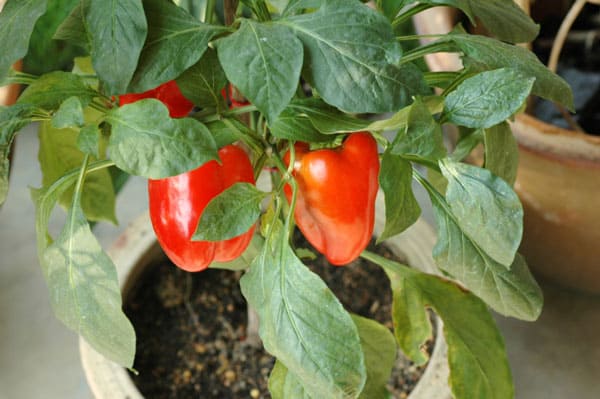
Visit your local garden center, nursery or farmer’s market to buy seedlings to transplant, to get a quick start on the season. You can ask for organic, heirloom varieties.
Start with plants that are almost foolproof, such as tomatoes, cucumber, bush beans, radishes, and leafy greens such as lettuces. There are many varieties of each plant, so ask at the nursery or farmer’s market about plants that are easy to grow in your environment.
Depending on the climate where you live, some varieties of plants will thrive without much care, while others will be more challenging. Go for what grows best in your region.
Beginner-Friendly Vegetables for Containers
- Cherry tomatoes
- Baby carrots
- Spinach, kale, and other cut-and-come-again greens
- Peas
- Herbs like parsley, chives, and basil
- Mini peppers
Step 5: Give Your Plants the Right Conditions to Grow
Plants need the right amount of sunlight and water. Be careful when putting your plants on balcony boxes, because the wind may dry them out more quickly. On the other hand, most people make the mistake of overwatering.
Again, ask at your local nursery, or ask your neighbors who like to garden, what kinds of plants are thriving, and how much water and sunlight they need.
Now get ready to harvest your vegetables and enjoy a big salad, fresh from your container garden!
Why Balcony Microclimates Matter
For apartment and condo gardeners:
- North-facing = cooler, better for leafy greens
- South-facing = warmest, perfect for tomatoes and peppers
- East-facing = gentle morning sun
- West-facing = hot afternoon sun, which may scorch tender plants
Pest Control Without Chemicals
- Handpick small pests
- Use neem oil, insecticidal soap, or diatomaceous earth
- Introduce pollinator-friendly flowers like marigolds and nasturtiums
- Grow herbs near vegetables, such as rosemary, mint, and thyme.
- for natural deterrence:
How to Avoid the #1 Container Gardening Mistake
Watering too much or too little is the biggest mistake you can make when container gardening. Here are a few tips:
- Stick your finger into the soil and water only when the top inch feels dry.
- Water early in the morning to reduce evaporation and leaf burning.
- Think about using a self-watering container for tomatoes and cucumbers.
- Mulch the tops of containers with straw or shredded leaves to retain moisture.

Check out this book Easy Container Gardening: 5 Steps to Grow Fresh Organic Vegetables in Small Urban Spaces.
Also read, WHEN GARDENING IS YOUR PASSION, GROW VEGGIES INDOORS!
Let’s Have a Conversation:
Have you tried organic container gardening before? What was your experience? Please check out the book below and tell us what you think in the comments section at the end of this article.